

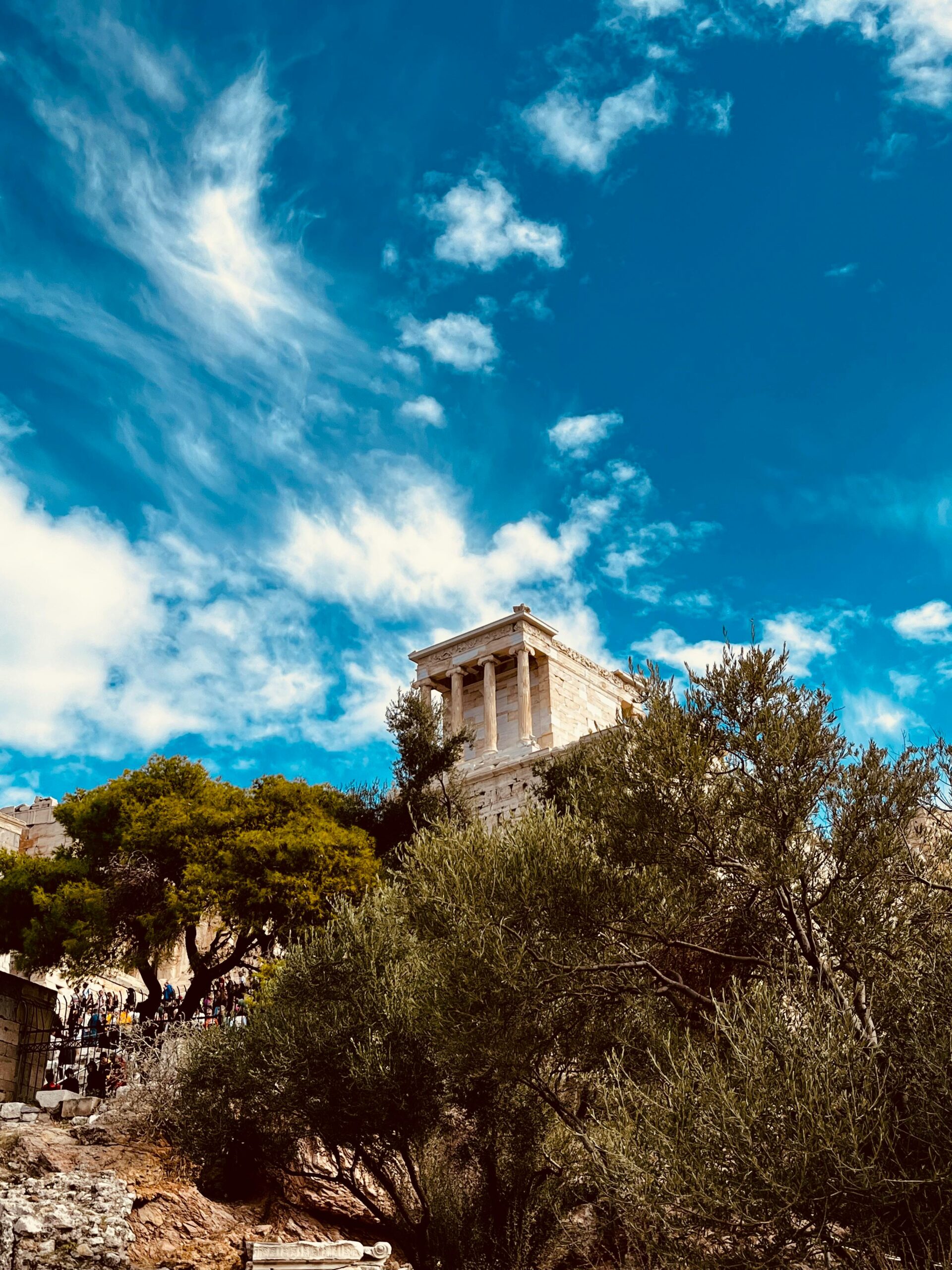
Planning Pelion Without a Local Fixer? Here’s Why You’ll Regret It is the reality many travelers face when tackling this complex region on their own. Pelion’s scattered villages and uneven infrastructure mean that without insider knowledge, crucial time is lost and authentic experiences slip through your fingers.
Understanding Pelion’s geography and cultural nuances is not just helpful but necessary to avoid common pitfalls that sabotage many trips.
Planning Pelion Without a Local Fixer? Here’s Why You’ll Regret It
The Two Biggest Mistakes Travelers Make in Pelion
First, underestimating how spread out Pelion’s attractions are. Unlike a compact island or city center, Pelion stretches across mountains and coastlines, making random hopping between villages inefficient and exhausting. Second, assuming accommodations and dining options are uniformly available. Many picturesque villages have limited high-quality lodging and restaurants, which means poor choices or last-minute scrambling without local advice.
Key Places That Define Pelion—But Only If You Know Their Context
Start with Tsagarada, a village famed for its plane trees and old mansions; it offers a different pace than coastal Milies, known for its historic steam train and Venetian architecture. Damouchari combines a small fishing port with a laid-back vibe but lacks upscale amenities. Portaria feels more polished and tourist-friendly, while Agios Ioannis is the beach hub but can be overrun in high summer. Finally, Zagora represents Pelion’s agricultural roots and is quieter, ideal for those seeking local produce and hiking.
Planning Pelion Without a Local Fixer? Here’s Why You’ll Regret It: The Logistics Challenge
Pelion’s road network is winding and often narrow. Public transport is sparse and irregular. Travelers who try to self-navigate without a local fixer frequently waste hours daily on routes that locals complete in half the time. This isn’t about convenience; it’s about maximizing your trip’s value. The wrong accommodation location can mean forfeiting morning hikes or sunset dinners simply because you spent your travel day in transit.
Who Pelion Suits—and Who It Doesn’t
Pelion rewards travelers interested in slow travel, mountain culture, and outdoor activity. It is well suited for couples, hikers, and foodies willing to move deliberately between villages. It is not for those expecting a slick resort experience or a tight, walkable town with nightlife. Families with young children or travelers with mobility issues should reconsider unless they have tailored support. The region demands physical effort and patience.
A Counterintuitive Take: Pelion’s Off-Season Isn’t Always Better
Many assume Pelion’s shoulder seasons are ideal for avoiding crowds and enjoying nature. Yet, outside July and August, several villages—especially coastal ones like Agios Ioannis—shut down many services. Roads get more challenging in winter rains and fog, and hiking trails may be slippery or closed. Without local insight, visitors can find themselves in places with limited dining or transport options, turning what should be a peaceful stay into a logistical headache.
Trade-Offs: What You Gain and What You Give Up Without a Fixer
Using a local fixer means you gain access to insider knowledge on village rhythms, reliable drivers, and authentic experiences that most visitors miss. Your schedule aligns with local events and seasonal food availability. What you give up is a bit of spontaneous exploration and the feeling of complete independence. But in Pelion, that trade-off is crucial: without expert input, spontaneity often leads to wasted travel time and disappointment.
Conclusion
Greece rewards travelers who arrive with a plan built around how they actually travel — not a generic template. The difference between a frustrating trip and a remarkable one often comes down to sequence, timing, and knowing which trade-offs matter for your situation.
For deeper cultural context, consider resources like the
Hellenic Ministry of Culture or the official Greece tourism site. These can supplement your understanding but won’t replace on-the-ground local expertise essential for Pelion.
Frequently asked questions
Why is Pelion difficult to plan without local help?
Pelion’s geography is dispersed with limited public transport and uneven amenities. Without local knowledge, travelers waste time navigating roads and miss authentic experiences.
Can I explore Pelion independently if I have a car?
A car helps but doesn’t guarantee efficiency. Roads are narrow and confusing. Local advice on routes and timing is crucial to avoid spending excessive time driving.
What type of traveler benefits most from visiting Pelion?
Travelers who enjoy slow travel, outdoor activities, and mountain culture, and who are comfortable with a less polished infrastructure, will appreciate Pelion most.
Is Pelion a good destination for families with young children?
Generally no. The terrain and limited amenities can make Pelion challenging for families with small kids unless carefully planned with local support.
When is the best time to visit Pelion?
Late spring to early autumn offers the best balance of weather and open services. Off-season visits risk closed amenities and difficult road conditions.
What are some must-see villages in Pelion?
Tsagarada, Milies, Damouchari, Portaria, Agios Ioannis, and Zagora each offer distinct experiences reflecting Pelion’s diversity.
Can official tourism websites replace local fixers for planning?
Official sites provide useful background, but they lack the detailed, practical insights needed for Pelion’s complex logistics and authentic experiences.