


Rhodes vs. Crete: Why Choosing Based on Beaches Alone Sets You Up for Disappointment is a comparison that challenges the common trap of selecting these islands solely for their coastal appeal. Both islands offer beaches, but their core differences lie in culture, island character, and travel experience. Recognizing these distinctions will prevent costly planning mistakes and a trip that misses the mark.
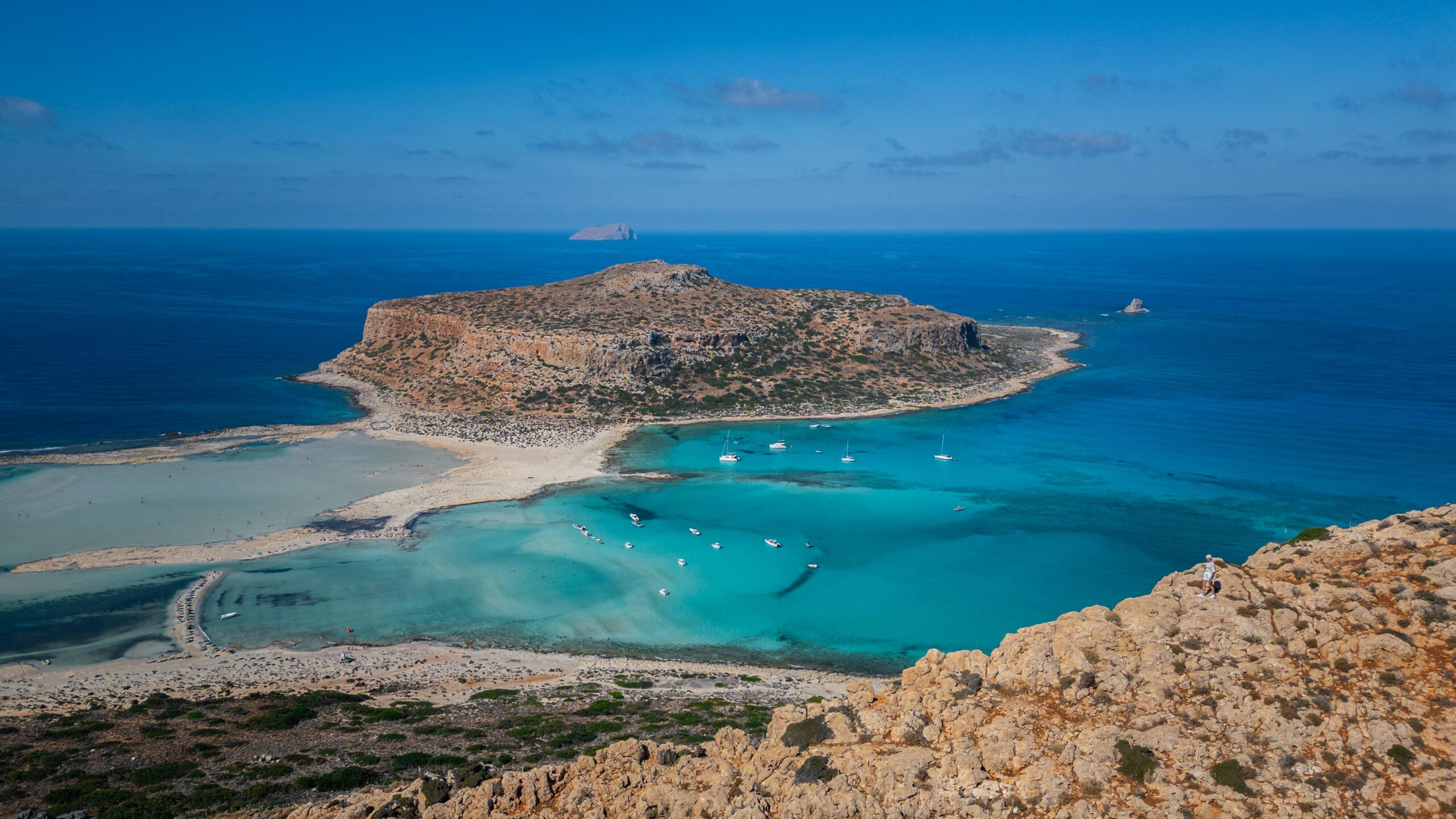

Rhodes vs. Crete: Why Choosing Based on Beaches Alone Sets You Up for Disappointment
What This Comparison Is Really About: Culture and Character, Not Just Sand and Sea
Many travelers land on Rhodes or Crete with a mental checklist dominated by beaches. That’s a surface-level approach. Rhodes is a compact island where medieval history and a tourism-driven atmosphere shape the visit. Crete, sprawling and diverse, offers a patchwork of cultural layers from ancient Minoan sites to rugged mountain villages. This isn’t just a beach choice; it’s a decision about what kind of Greece you want to experience.
Who Wins Rhodes vs. Crete: Why Choosing Based on Beaches Alone Sets You Up for Disappointment – A Clear Traveler Profile Analysis
For travelers seeking a concentrated dose of history combined with accessible beaches, Rhodes works well. The Old Town is a UNESCO-listed fortress city, unmatched in Greece for its medieval architecture. But if you want sprawling landscapes, authentic rural life, and archaeological depth, Crete delivers. Crete suits those who want a multi-faceted trip that moves beyond the coast. It’s less about beach hopping and more about exploring cultural contrasts across regions like Chania, Rethymno, and Lassithi.
Emotional Reality: What Each Island Actually Feels Like to Experience
Rhodes feels touristy yet manageable. The crowds concentrate in certain spots, creating a lively buzz. It’s a place where you’ll spend evenings in bustling tavernas within stone walls, but the pace rarely slows. Crete feels vast and sometimes unruly. Driving between regions can be long and winding. The emotional imprint is one of discovery but also occasional logistical friction. You don’t just relax on a Crete beach; you earn your experience by navigating its scale and variety.
Specific Places That Define These Islands Beyond Their Beaches
Rhodes’ Old Town, with the Palace of the Grand Master and Street of the Knights, offers a concentrated cultural experience. Nearby beaches like Elli and Tsambika are well-serviced but often crowded. Crete’s archaeological site of Knossos near Heraklion embodies ancient civilization, while the Samaria Gorge presents a rugged natural challenge. Beaches like Elafonissi are spectacular but require planning to avoid peak day-trip crowds. This diversity defines Crete’s character more than any single beach.
Counterintuitive Observation: The Best Beaches Are Not Always the Best Reason to Choose These Islands
It’s surprising how often travelers pick Rhodes over Crete because of the supposedly easier beach access, only to find the island’s limited inland options dull after a few days. Conversely, Crete’s beaches might be less uniform in quality and harder to reach, but the island’s inland cultural and natural sites compensate significantly. Prioritizing beaches alone often leads to disappointment when the rest of the trip feels flat or repetitive.
Combination Logic: How Rhodes and Crete Fit Into a Larger Greek Island Itinerary
Rhodes pairs logically with islands in the Dodecanese group like Symi or Kos, allowing short ferry rides and a consistent regional atmosphere. Crete’s size and location make it a challenging partner for island hopping; ferry connections to the Cyclades or Dodecanese are infrequent and time-consuming. Trying to combine Crete with Rhodes wastes valuable days. For travelers who want to see multiple islands, Rhodes is the better hub. For those focusing on a deep dive into one island, Crete is the better choice.
Decision Framework: Questions to Ask Before Choosing Rhodes or Crete
Before deciding, ask yourself:
- Do you want a concentrated historical setting or a sprawling, diverse landscape?
- Are you prepared to handle complex internal travel logistics for richer cultural variety?
- Will you be frustrated by tourist crowds or do you prefer a more varied, less predictable experience?
- Does your itinerary include multiple islands where ferry timing and sequencing matter significantly?
Answering these clarifies which island fits your trip style.
For a deeper dive into Greece’s cultural heritage that complements your island choice, consider resources such as the
Ministry of Culture or the Acropolis Museum for context that enriches your experience beyond beaches.
Conclusion
The island you choose sets the sequence for everything that follows — what ferry connections work, what pace is realistic, what the trip actually feels like on day four. Getting that first choice right isn’t about preferences. It’s about how the logistics and the atmosphere compound across the whole itinerary.
Frequently asked questions
Is Rhodes better than Crete for beach-focused travelers?
Rhodes offers more accessible and tourist-friendly beaches concentrated near major towns, which suits travelers prioritizing easy beach access. Crete’s beaches are varied and sometimes remote, requiring more planning and travel time.
Can I combine Rhodes and Crete easily in one trip?
No. Ferry connections between Rhodes and Crete are infrequent and lengthy. Attempting to visit both wastes valuable travel days and disrupts itinerary flow.
Which island offers more authentic Greek cultural experiences beyond beaches?
Crete provides a richer cultural tapestry with ancient sites like Knossos, traditional mountain villages, and diverse regional identities. Rhodes is more focused on medieval history and tourism infrastructure.
Are Rhodes and Crete crowded during peak season?
Both islands experience significant tourist crowds in July and August. Rhodes’ Old Town and main beaches get especially crowded, while Crete’s crowds spread unevenly but can overwhelm popular sites like Elafonissi.
What kind of traveler should choose Rhodes over Crete?
Travelers seeking a compact, historically rich island with a lively tourist scene and easier logistics should choose Rhodes.
Who benefits most from choosing Crete?
Those wanting a multi-regional adventure, combining culture, nature, and less commercialized experiences, and who can handle longer internal travel times.
Does choosing Rhodes or Crete affect my overall Greek island itinerary planning?
Yes. Rhodes fits well with other Dodecanese islands, while Crete’s large size and location complicate island hopping. Your first island choice influences ferry schedules and realistic trip pacing.