

Rhodes vs Crete: Why Your Island Choice Defines the Entire Trip Mood goes beyond beaches and tourist hotspots. Choosing between these two major islands means committing to very different cultural tempos, landscapes, and travel logistics that shape every day of your visit. This isn’t just a location decision; it’s a decision about the entire character of your Greek holiday.

Rhodes vs Crete: Why Your Island Choice Defines the Entire Trip Mood
Two Islands, Two Worlds: The Core Difference
Rhodes and Crete might both be large islands with rich histories, but the feeling on the ground couldn’t be more distinct. Rhodes offers a compact, highly accessible experience centered around its medieval Old Town and easy coastal access, making it feel like a contained cultural showcase. Crete, on the other hand, is vast and rugged, with remote villages, sprawling mountain ranges, and a far less curated tourist experience. Rhodes has a polished rhythm; Crete’s pace is raw and unpredictable.
Who Wins? Rhodes for History Buffs and Smooth Operators, Crete for Adventurers and Culture Seekers
If your priority is a trip that feels organized yet immersive, Rhodes delivers. Its UNESCO-listed Old Town, the Palace of the Grand Master, and the accessible ancient sites like Kamiros provide a dense cultural core without the need for long drives. Meanwhile, Crete demands a more deliberate approach — the Minoan ruins at Knossos are world-class, but the island’s true cultural depth emerges from its diverse regions like the White Mountains or Lasithi Plateau. Crete is better suited for travelers ready to handle some logistical complexity to access authentic experiences.
The Emotional Reality: Rhodes Feels Like a Festival, Crete Like a Lifetime
Expect Rhodes to feel like a well-run festival or an open-air museum with high seasonal energy. It’s lively, especially around the harbor and medieval streets, but this also means peak summer crowds can overwhelm quieter moments. In contrast, Crete’s emotional tone is more grounded and variable—it offers intense solitude on hiking trails and slow, genuine village life alongside vibrant towns like Chania and Rethymno. Rhodes can feel like a snapshot; Crete feels like a full-length feature film.
Practical Planning Consequences: Ferry Sequencing and Island Pairing
The choice between Rhodes and Crete impacts your entire itinerary flow. Rhodes sits at the edge of the Dodecanese cluster, so it pairs naturally with islands like Symi or Kos, but it’s a logistical dead-end if you want to continue westward without backtracking. Crete connects better with Cyclades like Santorini or Naxos, enabling smoother island-hopping sequences. Selecting Rhodes first and then trying to reach Crete often wastes a day or more due to limited ferry routes. For honeymooners, Crete’s size and diversity favor couples wanting privacy and varied experiences, while Rhodes suits those seeking a social, Instagram-friendly backdrop but at the cost of more crowded scenes.
Landscape and Activity Trade-offs: Beaches vs Mountains, Calm vs Challenge
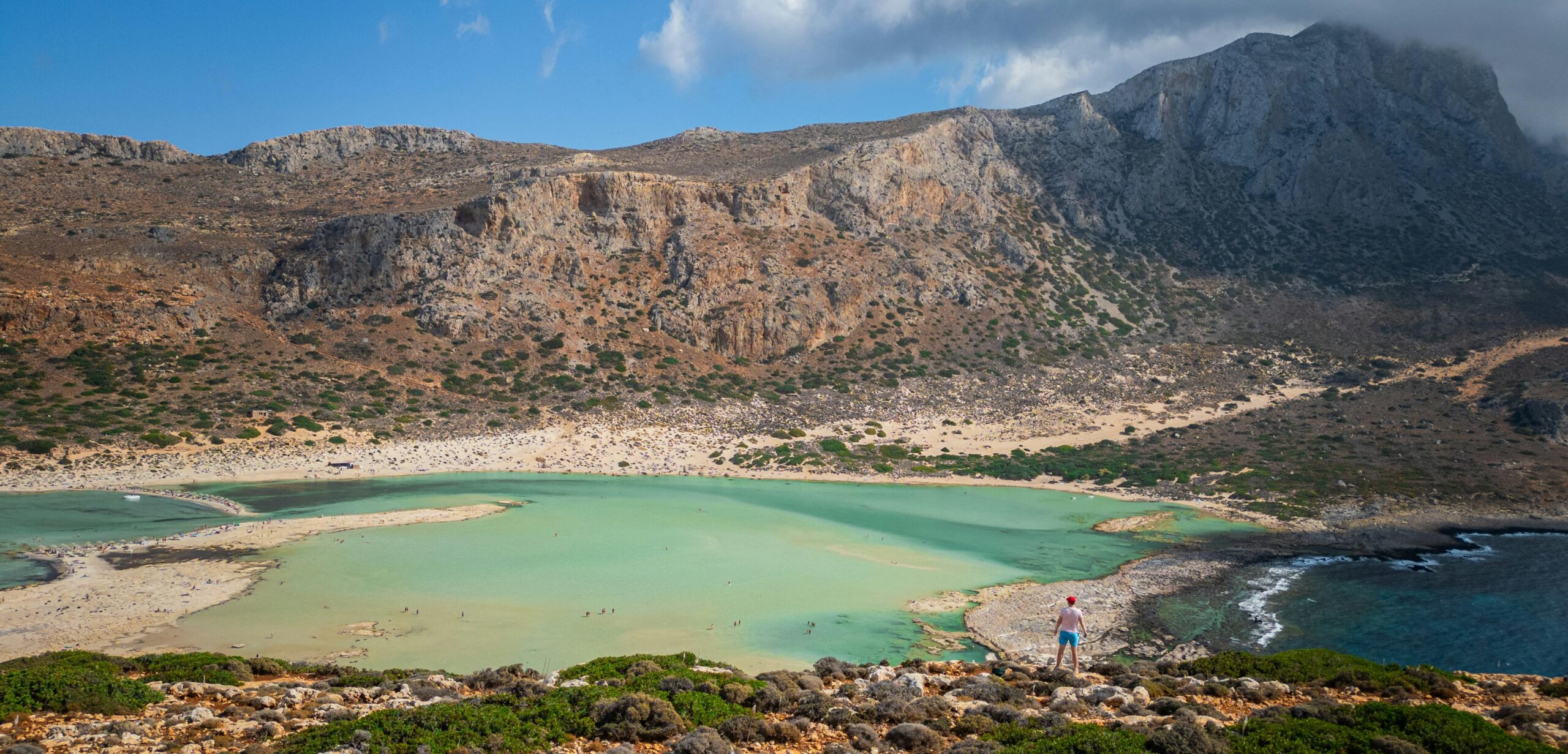
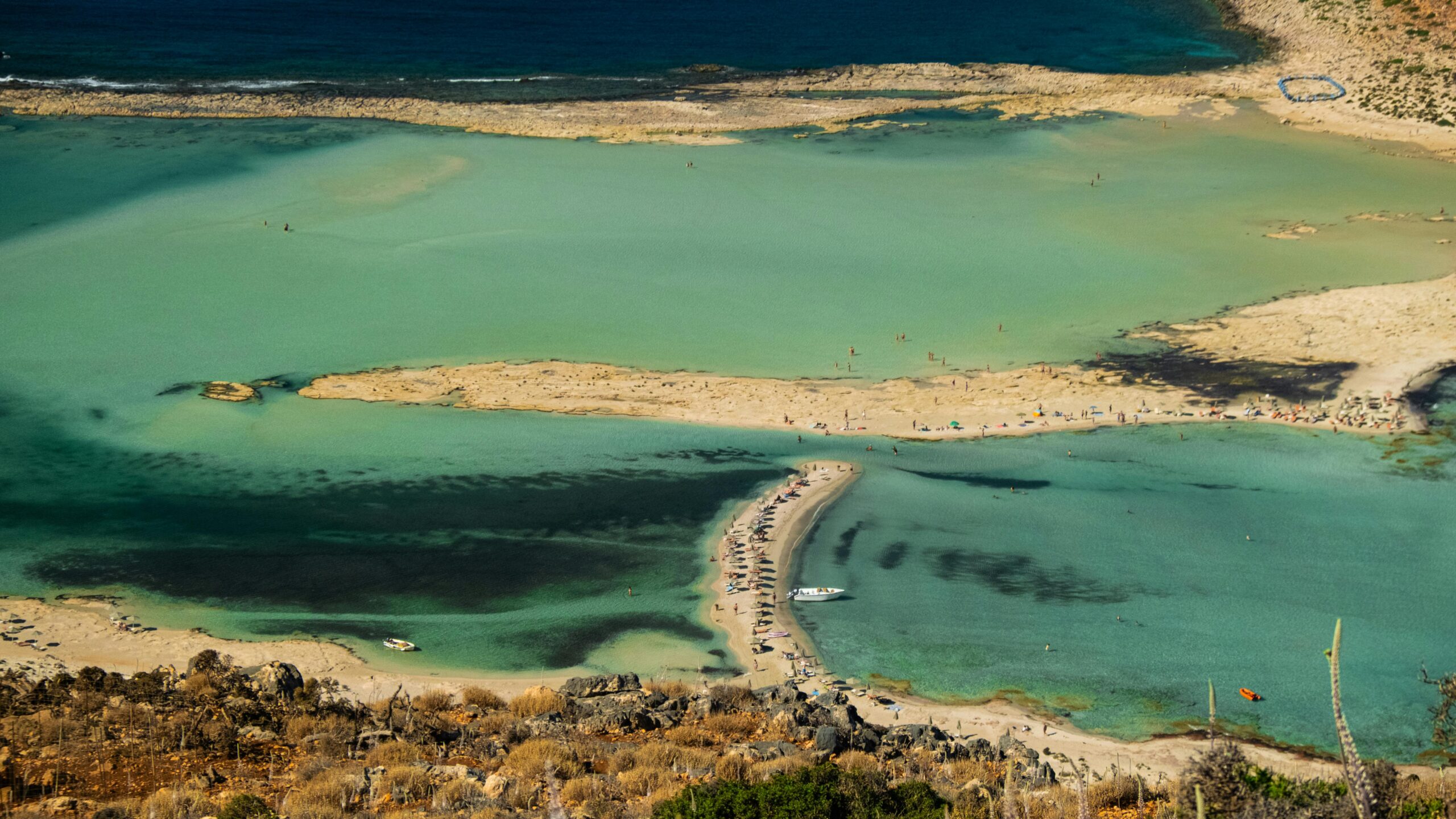
Rhodes’s beaches concentrate in a few touristic zones like Faliraki or Lindos, which can feel overcrowded in high season. Crete offers an array of beach types—from the pink sands of Elafonisi to the pebbly coves of Balos—but also mountain treks that Rhodes can’t match. This difference means travelers looking for straightforward beach days with easy town access find Rhodes more convenient, while those who want active days hiking through gorges or exploring less-trodden archaeological sites will prefer Crete.
Culture, Food, and Nightlife: Polished Versus Raw
Rhodes presents a more homogenized, tourist-friendly dining scene focusing on traditional Greek staples with international touches, largely centered around its main towns. Crete’s culinary landscape is famously robust and regionalized, with local cheeses, raki, and dishes that vary dramatically from west to east. Nightlife in Rhodes is concentrated and predictable; in Crete, it’s scattered and diverse, ranging from laid-back village tavernas to vibrant bars in Heraklion or Chania. The cultural experience in Crete feels less curated and more lived-in.
Rhodes vs Crete: Why Your Island Choice Defines the Entire Trip Mood
Choosing Rhodes means opting for an island where everything is close, seen, and streamlined with a strong medieval and tourist infrastructure presence. Crete demands more time and effort but rewards with a layered, complex experience that touches on ancient civilizations, rugged landscapes, and varied local traditions. If your trip mood leans toward convenience and consistent energy, Rhodes is your island. If it leans toward exploration and cultural depth, Crete will keep you engaged.
Decision Framework: Questions to Ask Before Choosing
- Are you comfortable with a larger island where travel between sites requires planning and driving, or do you prefer a compact destination?
- Is your priority to experience polished, well-known historic sites or to explore raw, diverse cultural landscapes?
- Do you want an itinerary with easy ferry connections for island hopping, or are you focused solely on one destination?
- Are you traveling as a couple looking for privacy and varied experiences or as a group seeking lively nightlife and social settings?
For travelers who want to understand the cultural and logistical implications of their island choice, visiting official sources like the
Greek National Tourism Organization and the Ministry of Culture and Sports can provide up-to-date insights on heritage sites and events that affect timing and experience.
Conclusion
The island you choose sets the sequence for everything that follows — what ferry connections work, what pace is realistic, what the trip actually feels like on day four. Getting that first choice right isn’t about preferences. It’s about how the logistics and the atmosphere compound across the whole itinerary.
Frequently asked questions
Which island is better for a first-time visitor to Greece, Rhodes or Crete?
Rhodes is generally better for first-time visitors who want a compact, accessible introduction with a strong historic center and easy logistics. Crete requires more planning but offers a deeper cultural immersion.
Can Rhodes and Crete be combined in a single trip without wasting time?
Combining Rhodes and Crete in one trip often leads to inefficient ferry routes and wasted travel days. It’s better to focus on one island or pair Crete with Cyclades and Rhodes with other Dodecanese islands.
Is Crete suitable for honeymooners seeking privacy?
Yes, Crete’s vast size and varied landscapes offer secluded beaches and quiet villages ideal for honeymooners who want privacy and diverse experiences.
How do the beaches compare between Rhodes and Crete?
Rhodes has concentrated, popular beaches often crowded in peak season, while Crete offers a wider variety ranging from busy resort beaches to remote coves and unique pink sand spots.
Which island has better nightlife, Rhodes or Crete?
Rhodes has a more concentrated and predictable nightlife mostly around main towns, while Crete’s nightlife is dispersed, ranging from quiet village tavernas to energetic bars in larger cities.
Are there significant cultural festivals unique to either Rhodes or Crete?
Both islands host distinct cultural festivals. Rhodes emphasizes medieval and historical reenactments, while Crete celebrates traditional music, dance, and local agricultural events, reflecting its rural diversity.
Is it easy to get around Crete without renting a car?
Getting around Crete without a car is challenging due to its size and limited public transport options. Renting a car is highly recommended for exploring beyond the main towns.