

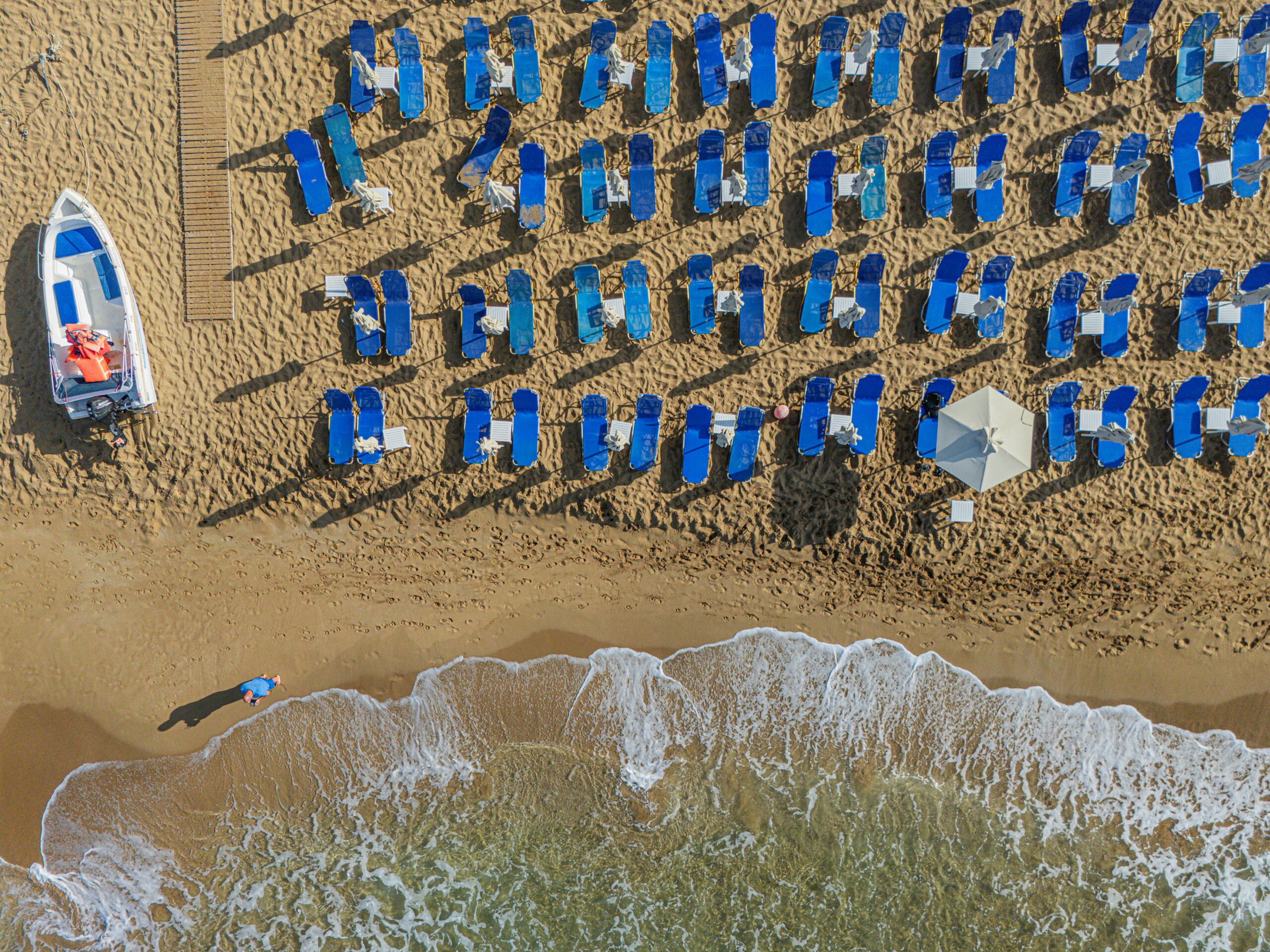
The Crete That Doesn’t Make It Into Travel Guides is usually not a geography problem. It is a mindset problem: people arrive expecting one clean version of the island, then feel unsettled when Crete behaves like a place with competing identities, uneven rhythms, and very little interest in confirming a fantasy.
Most disappointment starts before the flight, when travelers confuse “big island” with “easy island” and “resort base” with “complete experience.” Crete is generous, but it is not tidy. If you want the version that lives beyond the brochures, you need to understand what kind of traveler you are before you choose where to stay, how long to stay, and what you think the island is supposed to give you.
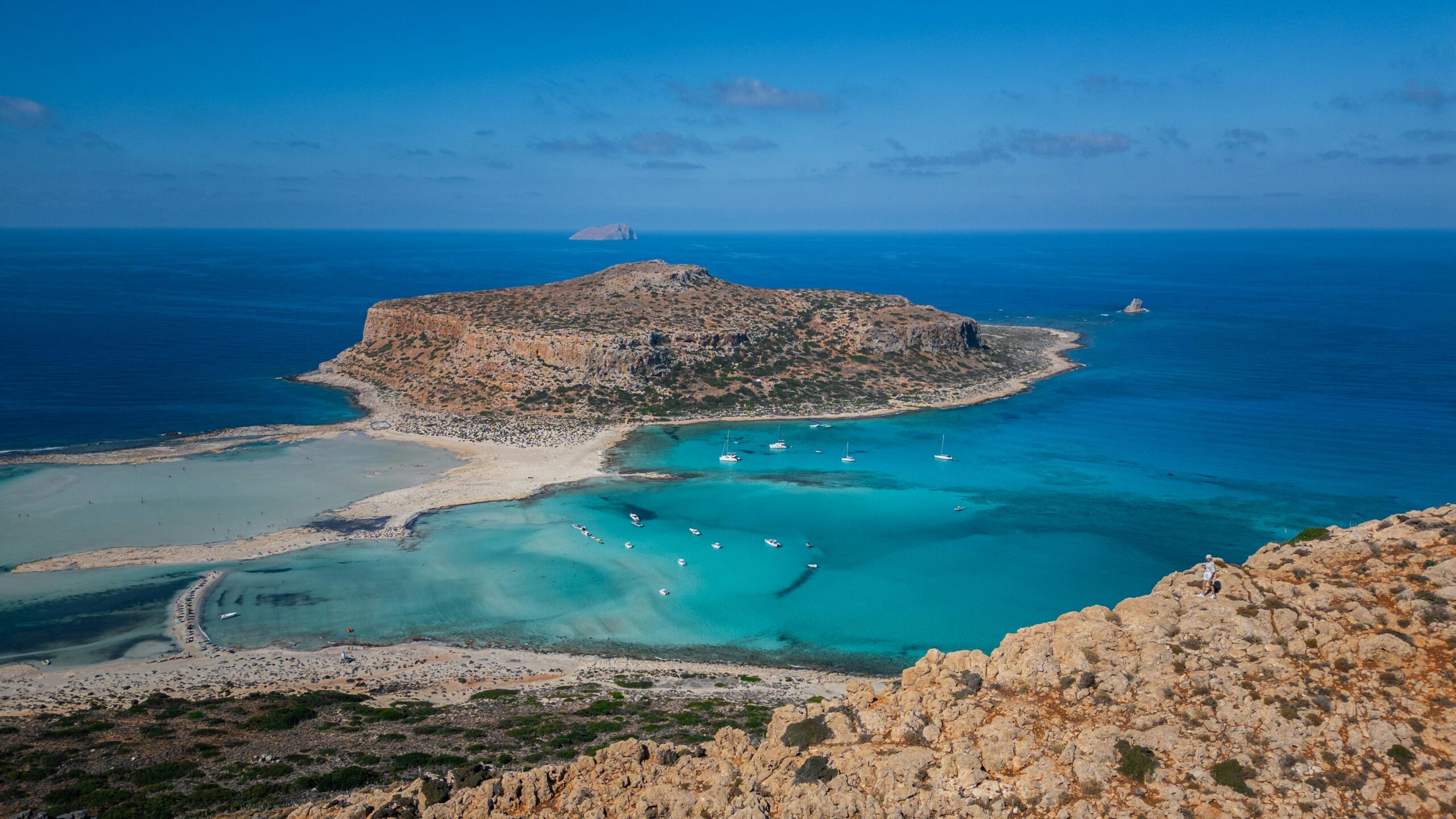

The Crete That Doesn’t Make It Into Travel Guides
Crete is often sold as a single destination with a few famous beaches attached. That is the first mistake. The island is too large, too varied, and too self-assured to function as a neat package, and The Crete That Doesn’t Make It Into Travel Guides is the version that exposes that mismatch fast.
The real pattern is emotional. Travelers want certainty, efficiency, and a sense that they have “done Crete” properly, so they anchor themselves to resort zones and a handful of well-known names. That choice feels safe because it reduces decision fatigue. It also creates the exact problem they were trying to avoid: they end up seeing only a narrow, commercially filtered slice of an island that was never built to be consumed in slices.
Why travelers choose the easiest version of Crete
People do this because they are not only planning a holiday; they are managing anxiety. Crete is large enough to make even experienced travelers worry about choosing wrong, so they default to places that promise clarity: beach access, familiar service, and a predictable atmosphere. That is not laziness. It is a desire to avoid regret.
The trouble is that safety and satisfaction are not the same thing. A resort base can remove friction, but it can also remove context. If you never leave the polished strip, you may come home with the impression that Crete is pleasant but generic, which is usually a sign that you stayed in the easiest version of it.
The emotional gap: what people expect vs what they actually feel
Many travelers expect Crete to feel like a straightforward island break with a bit of history attached. What they actually feel is a mix of scale, distance, and contradiction. One part of the island can feel fully developed and busy, while another feels stubbornly local and indifferent to visitor convenience.
That gap matters because it changes the emotional tone of the trip. Travelers who expected a compact, easygoing island often feel strangely unmoored when they realize Crete asks more of them: more time, more patience, more tolerance for unevenness. The island is not difficult in a dramatic way; it is difficult in a practical way, which is where many people get caught.
The moment disappointment usually hits
The disappointment usually arrives when the traveler notices that their base is not the destination. They assumed the hotel area would be the island’s essence, then realize they are in a controlled environment that could exist in several Mediterranean countries. That is the moment the trip starts feeling thinner than expected.
Another common trigger is the first attempt to “just see a bit more” beyond the resort zone. The distances are bigger than people think, the pace is slower than they planned for, and the day becomes less about discovery and more about managing effort. This is where The Crete That Doesn’t Make It Into Travel Guides stops being an abstract idea and becomes a practical disappointment.
The Crete That Doesn’t Make It Into Travel Guides is not the Crete most people book
Here is the blunt truth: if you book Crete as though it were a beach resort destination with optional culture, you will probably miss the island’s actual character. Crete is at its most convincing when you accept that it is a living place first and a leisure product second. That is a position worth taking, not a neutral observation.
The island’s real appeal is not that it offers a little of everything. It is that the pieces do not always sit neatly together. You can be near excellent food, serious history, hard-edged local life, and highly developed tourism within the same trip, and the transitions between those worlds are part of the experience. Travelers who want one clean mood often find that unsettling.
For context, official cultural resources can help you understand why Crete feels layered rather than packaged, especially if you are trying to separate heritage from marketing. A useful place to start is the Ministry of Culture, which gives more structure to what many visitors only sense vaguely on the ground.
Who is most likely to misread Crete
This pattern shows up most often in three traveler types. First, the efficient planner who wants to maximize “must-sees” and dislikes dead time. Second, the comfort-first traveler who equates a smooth stay with a successful one. Third, the social-media traveler who has already decided what Crete should look like before they arrive.
- Efficient planners often underestimate how much Crete resists compression.
- Comfort-first travelers can mistake convenience for quality.
- Image-led travelers are usually the most disappointed when reality looks ordinary between the famous spots.
These travelers are not wrong to want ease or beauty. They are wrong when they assume the island will organize itself around their preferred style of travel. The Crete That Doesn’t Make It Into Travel Guides is often the part that exposes that assumption most clearly.
What the island actually asks of you
Crete asks for a slower kind of attention. Not performative slowness, but real attention: to where you are staying, what surrounds you, and whether your expectations match the place you chose. If you want the island to feel coherent, you need to stop treating every area as interchangeable.
That is also why first-time visitors should be careful about chasing a “best of Crete” script. The island is not best understood as a checklist. It is better understood as a set of different experiences that do not all serve the same traveler. If you want a broader sense of how Greece presents itself beyond the obvious postcard layer,
Visit Greece is useful as a starting point, but it will not tell you what the island feels like when you are standing in it.
How to approach Crete differently
The better approach is to choose the version of Crete that matches your tolerance for friction, not just your wish list. If you want ease above all else, accept that you may be choosing a narrower experience. If you want the island’s depth, stop expecting it to behave like a neatly packaged resort destination.
This is where good planning becomes emotional discipline. You are not just selecting a place to sleep; you are deciding what kind of trip you want to have when the island refuses to flatten itself for you. Greece rewards travelers who arrive with a plan once, but Crete especially rewards travelers who arrive with a realistic one.
The Crete That Doesn’t Make It Into Travel Guides is not a secret Crete. It is the Crete that appears the moment you stop asking it to be simpler than it is. Travelers who understand that usually leave with a better trip, not because they saw more, but because they expected less of the wrong things and more of the right ones.
Greece doesn’t punish inexperience. It punishes unexamined assumptions. The travelers who leave disappointed rarely lacked information — they lacked a framework for using it.
Frequently asked questions
What does The Crete That Doesn’t Make It Into Travel Guides mean?
It means the version of Crete that sits outside the resort narrative: the larger, more uneven, more local island that many travelers only notice after their expectations break down.
Why do people get disappointed in Crete?
Usually because they expect a compact, easy island experience and instead find a place that is larger, slower, and less uniform than they planned for.
Is Crete a good choice for first-time visitors to Greece?
Yes, if the traveler understands that Crete is not a small-island experience. It suits people who can handle distance, variety, and a less packaged atmosphere.
Which travelers struggle most with Crete?
Travelers who need everything to feel efficient, predictable, and visually polished tend to struggle most. Crete exposes those expectations quickly.
What is the biggest assumption people make about Crete?
That a resort base will represent the island well. In practice, it often represents only a narrow slice of it.
How should I think about Crete differently before booking?
Start by deciding what kind of trip you actually want: convenience, depth, or a mix of both. Then choose with the understanding that Crete does not reduce itself to one easy version.