

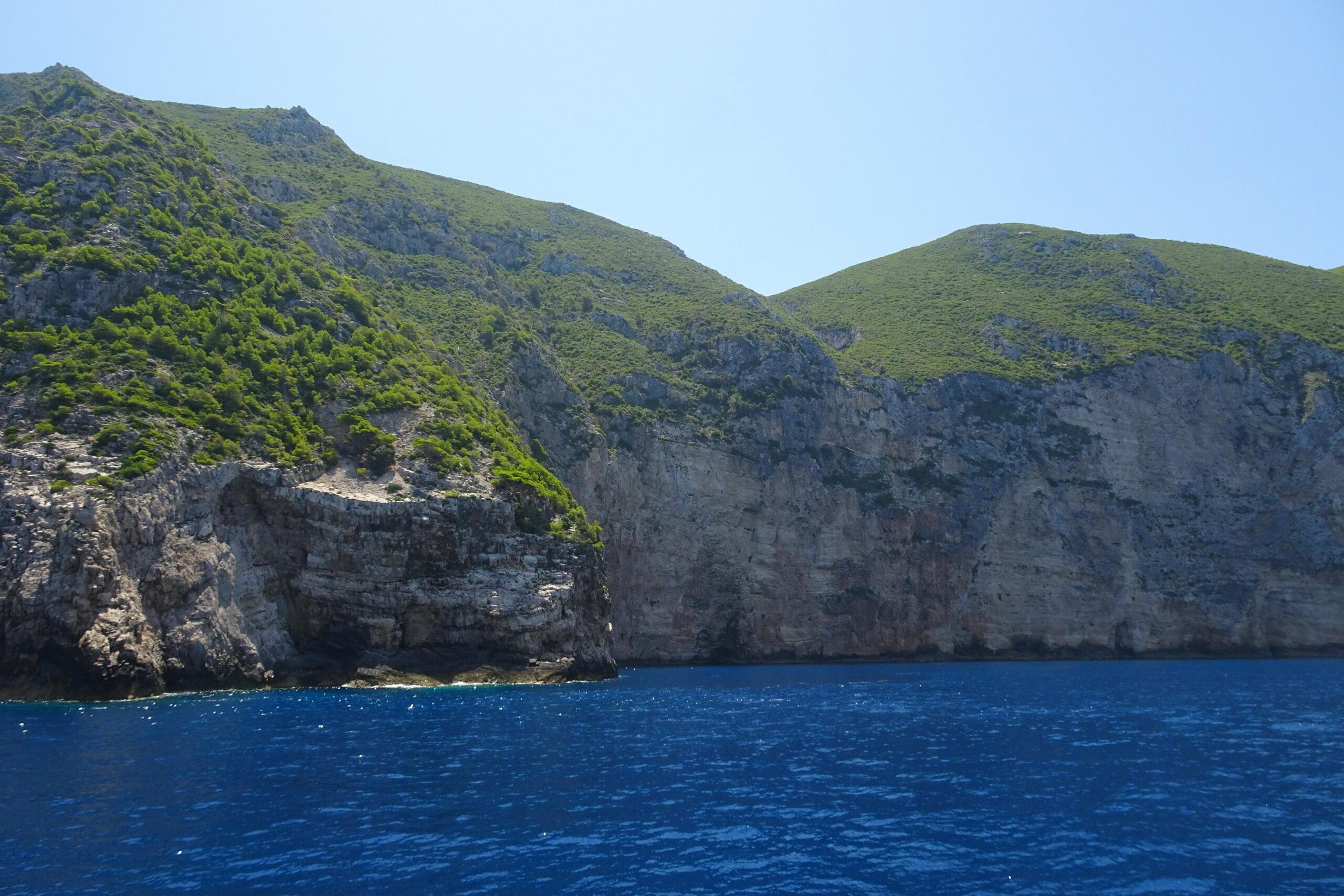
The Thrill and Challenge of Exploring Zakynthos in Spring: Beyond Summer’s Crowd captures why this season is both tempting and tricky for travelers. Visiting Zakynthos outside peak summer months means fewer tourists and raw landscapes, but also weather unpredictability and limited local services that require serious advance planning.
The Thrill and Challenge of Exploring Zakynthos in Spring: Beyond Summer’s Crowd
Why Spring Defies Simple Timing Advice on Zakynthos
Most travel guides push Zakynthos as a summer-only destination, focusing on beaches and nightlife. The reality is spring offers a vastly different island experience—not just fewer crowds. The weather swings between mild and rainy, and many restaurants and accommodations remain closed or operate intermittently. This season demands flexibility and preparation, traits often overlooked in generic travel tips.
March to Early April: Raw Beginnings with Limited Access
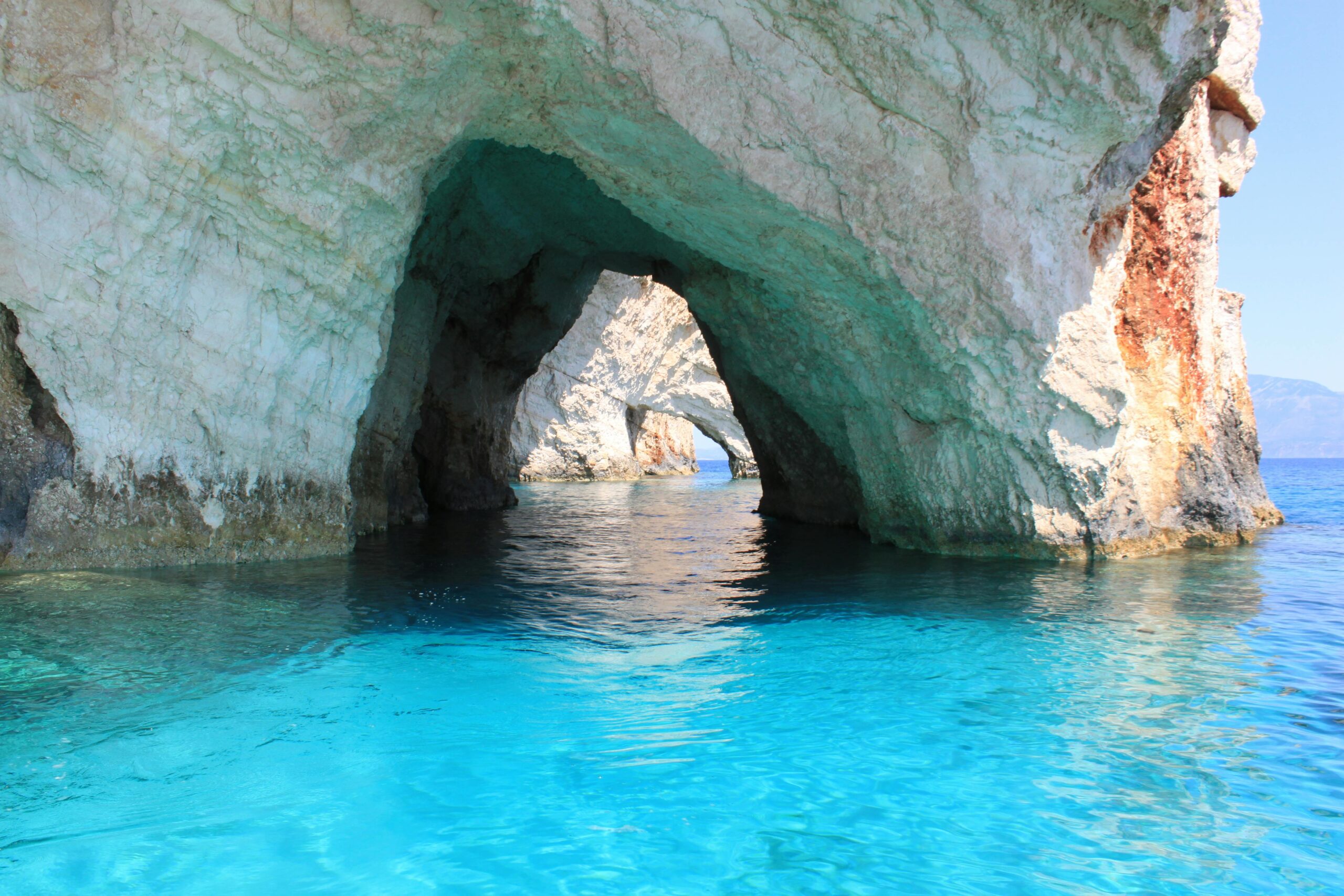
Early spring is the quietest period. The island feels almost deserted, which appeals to those seeking solitude and nature in its most untamed form. Olive groves and wildflowers burst to life, but ferry schedules are sparse and many tourist facilities shut. Visiting landmarks such as the Blue Caves might not be reliable since boat tours generally haven’t started. Travelers expecting a full-service holiday will find this period frustrating.
Mid-April to May: The Sweet Spot for The Thrill and Challenge of Exploring Zakynthos in Spring: Beyond Summer’s Crowd
This window balances accessibility with the island’s emerging vibrancy. Weather improves, making beach visits viable though the sea is still cold. Local tavernas and shops gradually open, but don’t expect full summer hours or crowds. This is the best season for travelers who want to engage deeply with the landscape and local culture while avoiding peak season’s congestion. Still, some key attractions, including certain monasteries, may remain closed or have restricted hours.
June and Early July: Transition to Summer, The Island Shifts Gears
By June, Zakynthos begins to feel like a different place. Services are mostly fully operational, the sea is warm, and the island hums with activity. Importantly, June is not yet the peak August crush but offers a livelier social scene. Travelers prioritizing reliable amenities and a balance between liveliness and crowd density find this period ideal. However, the island’s character shifts sharply, and the spring calm vanishes.
What Actually Changes Beyond Crowds and Temperature
Most articles oversimplify seasonal differences to just crowds and temperature. The truth is more complex: ferry availability fluctuates dramatically, affecting arrival and departure options. Monasteries and cultural sites often close for maintenance or religious observances outside peak months. Even local markets and grocery stores can have limited hours, impacting day-to-day convenience. These factors alter the rhythm of a trip more than most travelers anticipate.
Who Gains From Each Season on Zakynthos
Spring suits travelers who want nature-focused experiences, quiet roads, and the challenge of adapting to variable conditions. It also attracts photographers and birdwatchers drawn to the island’s blooming landscapes and migratory species. Summer, especially August, favors families, beach lovers, and partygoers who need consistent services and a bustling atmosphere. Early spring and late autumn are better suited for those with a high tolerance for unpredictability and a desire to avoid the tourist industry’s full swing.
A Counterintuitive Insight: Spring Isn’t Always Calmer
Contrary to popular belief, spring’s lower visitor numbers don’t always mean a tranquil experience. Sudden weather shifts can cancel boat tours, cause ferry delays, or force last-minute plan changes — all of which can create stress for unprepared travelers. The island’s smaller operational scale in spring means fewer backup options when something goes wrong. This is a harsh reality most spring travel promoters omit.
Planning with Realistic Expectations
The Thrill and Challenge of Exploring Zakynthos in Spring: Beyond Summer’s Crowd requires a grounded approach. Expect unpredictability, plan for limited services, and prioritize flexibility. Consult resources like the official
Visit Greece site for updated ferry schedules and local event calendars. Also, checking with cultural institutions such as the Ministry of Culture can clarify seasonal closures of key sites.
Conclusion
Timing in Greece isn’t just about weather or crowds. It’s about which version of Greece you get — and which version matches what you’re actually looking for. That’s a more interesting question than most people ask.
Frequently asked questions
Is Zakynthos enjoyable in early spring despite limited services?
Early spring offers solitude and natural beauty but limited facilities and unpredictable weather can restrict activities. It’s best for travelers prepared for a more rugged experience.
Are boat tours like the Blue Caves available in spring?
Most boat tours start operating in mid to late April. In early spring, tours are rare or canceled due to weather conditions.
Which months have the best balance of weather and fewer tourists on Zakynthos?
Mid-April through May provides mild weather, fewer crowds, and increasing local services, making it the optimal window before peak summer.
Do cultural sites and monasteries remain open during spring?
Many cultural sites and monasteries reduce hours or close for maintenance in early spring. It’s essential to verify operating hours before visiting.
Why is August considered problematic for visiting Zakynthos?
August is peak season with overcrowded ferries, fully booked accommodations, and crowded beaches, often leading to a less relaxed experience.
Can I rely on public transportation on Zakynthos in spring?
Public transport is limited in spring, with fewer routes and reduced frequency compared to summer, so renting a car is often necessary.
Are local festivals or events common in spring on Zakynthos?
Spring hosts some local religious and cultural events, but these can be sporadic and less tourist-oriented than summer festivals.