

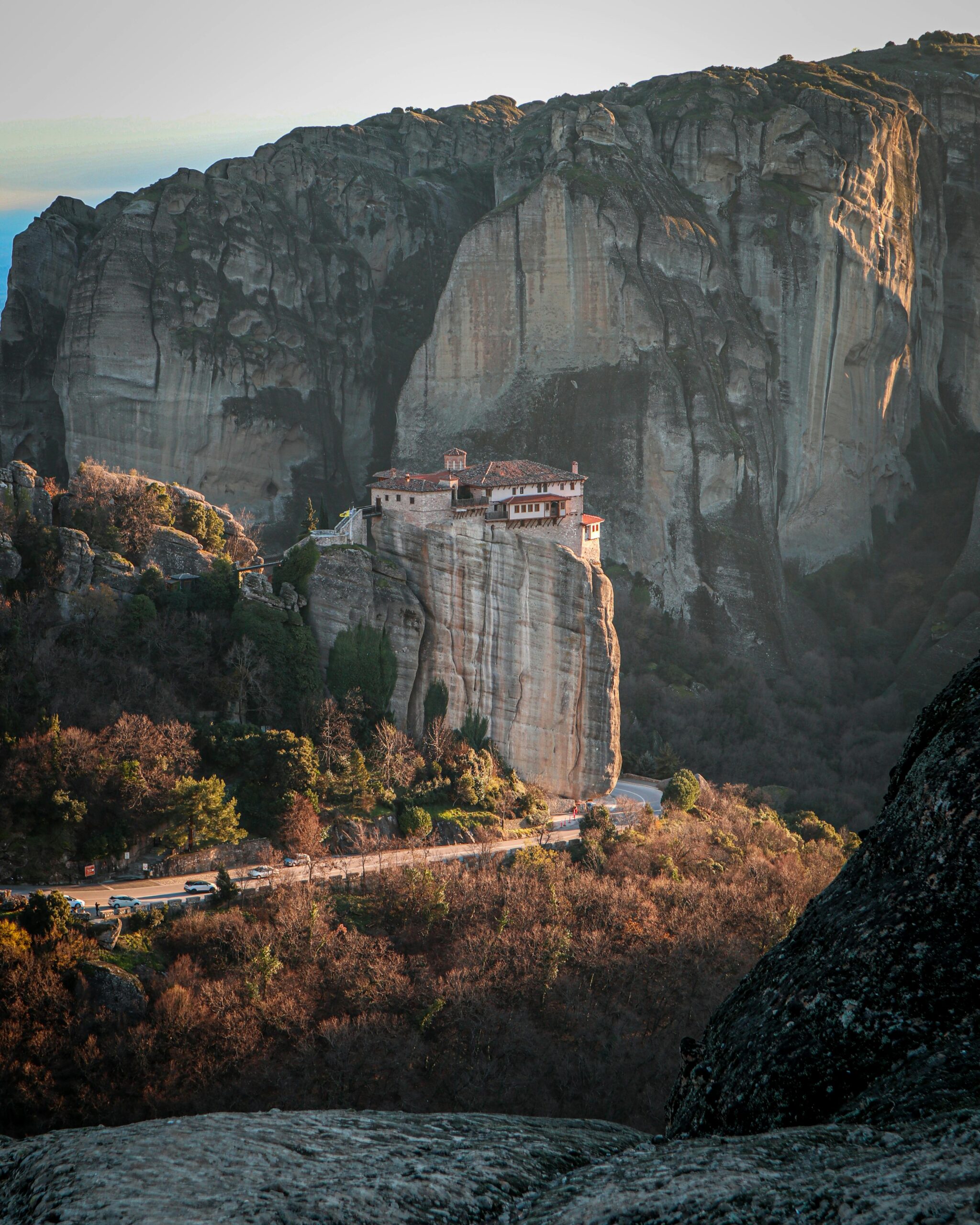
Understanding the Best Season to Visit Meteora for Optimal Weather and Crowds is essential for planning a trip that balances comfort and enjoyment. Meteora’s unique rock formations combined with its monastic sites attract visitors year-round, but the experience shifts dramatically with the seasons. This guide breaks down how weather and crowd levels vary, helping you decide when to visit.
Understanding the Best Season to Visit Meteora for Optimal Weather and Crowds
Seasonal Weather Patterns and Their Impact on Visiting Meteora
Meteora experiences four distinct seasons with varying temperatures and precipitation. Spring (April to June) offers mild days, averaging 15-25°C, and moderate rainfall. Summer (July to August) tends to be hot, reaching up to 35°C, with minimal rain, but also the highest number of tourists. Autumn (September to October) features cooling temperatures and pleasant weather, while winter (November to March) can be cold, with occasional snow, which affects access to some monasteries. Weather influences not only comfort but also trail conditions for hiking between sites like Kalambaka village and Kastraki.
Human Anchor: A Hard Truth About Visiting Meteora
One hard truth is that Meteora’s popularity spikes sharply during summer, leading to crowded paths and limited quiet moments at major monasteries such as the Great Meteoron and Varlaam. A common underestimate is the time required to traverse the site comfortably; many travelers assume a half-day visit suffices when two full days are more realistic. The clear recommendation is to plan visits during shoulder seasons, particularly late spring or early autumn, for a balanced experience with manageable crowds and favorable weather.
Understanding the Best Season to Visit Meteora for Optimal Weather and Crowds: Trade-offs and Timing Rule
Choosing spring or autumn means cooler temperatures and fewer tourists, but some monasteries may have reduced hours. Summer offers full accessibility and longer daylight but comes with heat and congestion. Winter reduces visitor numbers dramatically, yet cold and snow can restrict movement and certain sites may close. The timing rule for daily visits is to start early morning excursions to avoid midday heat and peak visitor flow, especially in summer months; late afternoons bring softer light for photography but increased crowding near sunset.
Cost Considerations and Travel Logistics
Meteora’s cost positioning is moderate ($$). Accommodation ranges from budget guesthouses in Kalambaka to mid-range hotels with views of the rock formations. Dining costs are reasonable, but prices rise during peak season. What drives cost here includes seasonality, proximity to central locations like Kastraki, and availability of guided tours. The nearest major airport is in Thessaloniki, approximately 2.5 to 3 hours by car or bus. Alternatively, trains and buses connect Kalambaka to Athens in around 4-5 hours, which is useful for those combining Meteora with other Greek destinations.
Neighborhoods and Sites Suitable for First-Time Visitors
Kalambaka and Kastraki are the primary bases for exploring Meteora. Kalambaka is larger and more urbanized, offering more amenities and straightforward access to monasteries. Kastraki, smaller and quieter, appeals to travelers seeking proximity to nature trails with less commercial development. For first-timers, staying in Kalambaka provides logistical ease, while Kastraki offers a more serene atmosphere. Key monasteries to visit include the Great Meteoron, Varlaam, Rousanou, and St. Nicholas Anapausas, each with distinct architectural and historical features.
Trip Length Rule: Recommended Duration for Meteora Visits
Allocate at least two full days for Meteora to cover major monasteries and hiking routes without rushing. One day limits your experience to a handful of monasteries and quick photo stops, losing the area’s contemplative rhythm. A longer stay allows for day trips to nearby attractions like the Theopetra Caves or the village of Trikala. Balancing time spent on site with travel from Athens or Thessaloniki is critical, as transfers can take 3-5 hours depending on mode.
Emotional Atmosphere: Comparing Pace and Social Energy Across Seasons
Summer’s high season brings a lively social energy, with group tours and bus arrivals, making the atmosphere more hectic and less reflective. Spring and autumn slow the pace considerably, enhancing the contemplative aspect of the monasteries and hiking trails. Winter’s quietness can feel isolating but offers a unique solemnity, especially when dusted with snow. Travelers seeking solitude and a slower rhythm should avoid peak months and focus on shoulder seasons for a more measured experience.
What Travelers Underestimate About Visiting Meteora
- The physical demands of walking between monasteries, often underestimated by first-timers expecting minimal effort.
- The impact of midday heat in summer on the enjoyment of outdoor trails and sites.
- The time required for transportation logistics, including transfers from Athens or Thessaloniki, which can compress the effective sightseeing window.
For official cultural calendar updates and guidelines on visiting religious sites, consulting the
Greek Ministry of Culture website is recommended. Additionally, travelers interested in broader historical context and artifacts can benefit from resources at the Acropolis Museum.
Best For: Meteora Seasonality
Couples: Late spring or early autumn for intimate atmosphere and mild weather.
Families: Summer for accessibility but prepare for crowds and heat.
First-timers: Kalambaka base during shoulder seasons to balance comfort and crowd levels.
Hiking enthusiasts: Spring and autumn for trail conditions.
History and culture seekers: Anytime, but aim for off-peak to avoid congestion.
Conclusion
Understanding the Best Season to Visit Meteora for Optimal Weather and Crowds involves weighing the trade-offs between climate comfort, crowd density, and site accessibility. Shoulder seasons stand out as the most balanced choice, offering pleasant temperatures and manageable visitor numbers. Careful daily timing and planning two days for the area ensure a more comprehensive experience. Ultimately, Meteora’s unique landscape and monastic heritage warrant thoughtful scheduling to fully appreciate its distinct atmosphere.
Frequently asked questions
What is the best time of day to visit Meteora monasteries?
Early morning visits are ideal to avoid crowds and midday heat, especially during summer. Late afternoons offer good light but increased visitor numbers.
How long should I plan to stay in Meteora to see the main sites?
Two full days are recommended to visit primary monasteries and enjoy hiking routes without rushing.
Are the monasteries open year-round?
Most monasteries operate year-round but may have reduced hours or occasional closures in winter and during religious holidays.
What is the easiest base town for first-time visitors to Meteora?
Kalambaka is the most accessible and offers more amenities, making it well-suited for first-time travelers.
Is Meteora suitable for families with children?
Yes, but summer can be hot and crowded, which may affect comfort. Spring or autumn visits are preferable for families.
How do I get to Meteora from Athens or Thessaloniki?
From Athens, trains or buses take about 4-5 hours to Kalambaka. From Thessaloniki, travel time by car or bus is 2.5 to 3 hours.
What drives the cost of visiting Meteora?
Seasonality, accommodation proximity to monasteries, and availability of guided tours mainly influence costs.