

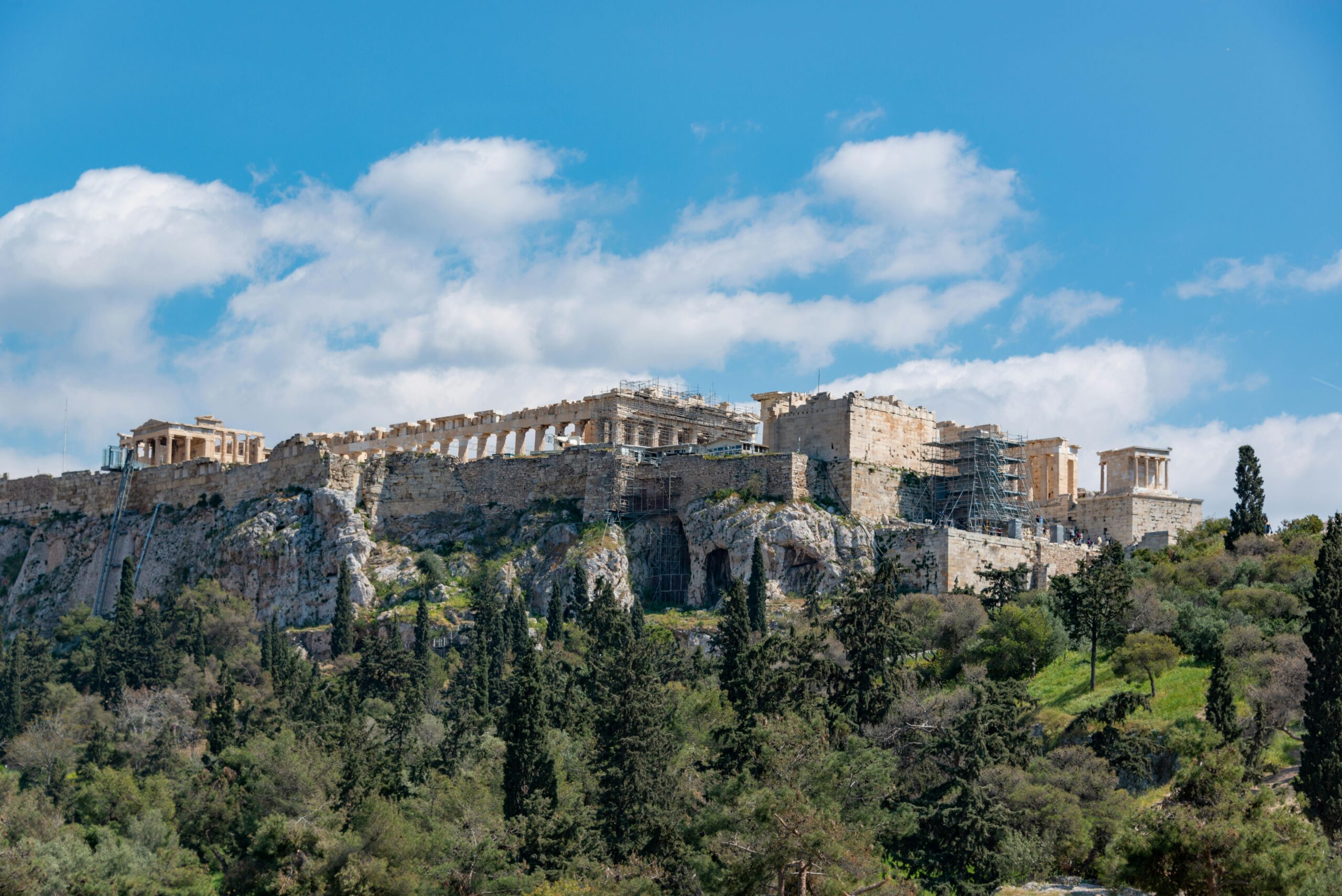
What Most Travelers Misread About Athens Before the Islands is that it is a simple stopover, when in practice it is a strategic choice that shapes the rest of the trip. If you treat Athens as a box to tick, you usually end up with the wrong hotel base, the wrong pace, and a weaker start to the islands.
The city is not difficult in a dramatic way; it is difficult in a practical way. Travelers underestimate how much the neighborhood choice, season, and purpose of the stay affect everything that follows.


What Most Travelers Misread About Athens Before the Islands
Athens should not be treated as a generic arrival point. It is the first real filter on your trip: if you get Athens wrong, you carry that mistake into the islands with tiredness, bad sequencing, and a poor sense of the country.
I take a clear position here: if your Greece trip starts in Athens, you need to decide what Athens is for before you book anything else. Is it a culture-heavy city stay, a recovery night after a long-haul arrival, or a short bridge before island time? Those are different trips, and mixing them up is where travelers waste money and energy.
What Most Travelers Misread About Athens Before the Islands
The first mistake is assuming all Athens neighborhoods are interchangeable. They are not. Staying near Syntagma gives you a polished, central feel and easy access to the classic city core, while Plaka is more atmospheric but can feel overmanaged and expensive for what you get. Koukaki works better for travelers who want a more lived-in base, and Kolonaki suits people who value restaurants, shopping, and a more formal city rhythm.
The second mistake is underestimating how much Athens can either calm or drain the trip. A rushed one-night stay in the wrong area can make the city feel like a transit problem, not a destination. A well-placed two-night stay can reset your pace before the islands, which is often the difference between arriving organized and arriving already behind.
What Most Travelers Misread About Athens Before the Islands is that Athens is not about seeing everything. It is about choosing the right slice of the city for the job you want it to do. That is a planning decision, not a sightseeing one.
The neighborhoods that actually change the quality of the stay
Monastiraki is useful for travelers who want immediate access to the historic center and do not mind a busier, more uneven street environment. It is not the place for people who need quiet or a polished atmosphere. Psyri is better for dining and nightlife, but it can be too loud for early sleepers and couples expecting a calm base.
Koukaki is one of the most reliable choices for first-time visitors who want a sane balance of location, food, and walkability. It is also one of the few areas where travelers can feel like they are staying in a real city rather than a postcard corridor. For a museum-focused stay, this is usually a stronger call than Plaka.
Kolonaki works for travelers who like order, better retail, and a more controlled urban feel. It is not the most obvious choice, which is exactly why it works for repeat visitors and people who dislike tourist-heavy streets. Syntagma is practical, but practical is not always the same as pleasant.
For official cultural context and major sites, the Greek Ministry of Culture is worth checking before you decide how much Athens you actually want to include. That matters because many travelers plan the city around a single monument and miss the broader logic of the place.
The counterintuitive part most travelers miss
The surprising truth is that a longer Athens stay can make the rest of the trip feel easier, not slower. Many people try to reduce Athens to one night because they think that preserves time for the islands. In practice, a rushed city stay often creates friction later: poor sleep, bad pacing, and a tendency to choose the wrong island sequence because the trip already feels compressed.
This is especially true for travelers arriving from long-haul flights or with children. The city is not the problem. The problem is pretending a major capital can be handled like a transfer lounge. What Most Travelers Misread About Athens Before the Islands is that the city is often the place where trip quality is either stabilized or quietly damaged.
Who this suits
Athens before the islands suits travelers who care about context, food, museums, and having a real first day in Greece. It suits couples, independent travelers, and anyone who wants the trip to feel considered rather than stitched together. It also suits people who are willing to spend a little more for a better base and better pacing.
- Best fit: first-time visitors who want cultural grounding before island time
- Best fit: repeat travelers who want Athens as a proper city stay
- Best fit: families who need a controlled, comfortable start
- Poor fit: travelers who dislike cities and only want a quick transfer
- Poor fit: ultra-budget travelers expecting premium location at low cost
- Poor fit: people who want a resort-style atmosphere in the center
If you are the type who gets irritated by traffic, uneven sidewalks, and a city that runs on its own logic, Athens can wear you down. If you want a soft landing into Greece and a sense that the trip has begun properly, it is one of the most useful places in the country.
What you gain, and what you give up
The main gain is control. Athens gives you museums, serious dining, and a chance to understand the country before you move on to the islands. It also gives you flexibility if weather, delays, or fatigue affect the first part of the trip.
The trade-off is that Athens asks for more judgment than most travelers expect. A poor hotel location here is more expensive in practical terms than a poor island choice, because it affects your first impression, your energy, and your tolerance for the rest of the itinerary. If you want a clean, easy, beach-first holiday with minimal decisions, Athens can feel like unnecessary work.
For travelers who do want the city done properly, the Acropolis Museum is a good benchmark for whether Athens is being treated seriously or just superficially. If a trip includes the museum, a sensible neighborhood base, and enough time to settle in, Athens usually stops being a burden and starts being an asset.
Where people make the biggest planning mistake
The biggest mistake is sequencing Athens as an afterthought. Travelers often book the islands first, then squeeze Athens into whatever remains. That usually leads to the wrong hotel category, a bad arrival rhythm, and a city stay that feels like a chore instead of a strategic opening.
What Most Travelers Misread About Athens Before the Islands is that the city is not just about monuments. It is about whether the trip begins with clarity or confusion. If you frame Athens properly, the islands feel easier, calmer, and better organized. If you frame it badly, you spend the first part of Greece correcting avoidable mistakes.
Conclusion
Athens is not a box to tick before the islands. It is a decision point that can improve the whole trip when handled with intent, or weaken it when treated casually. If you want Greece to feel coherent rather than fragmented, Athens deserves the same planning discipline as the islands themselves.
Greece rewards travelers who arrive with a plan built around how they actually travel — not a generic template. The difference between a frustrating trip and a remarkable one often comes down to sequence, timing, and knowing which trade-offs matter for your situation.
Frequently asked questions
Is Athens worth more than one night before the islands?
For many travelers, yes. One night is often too thin if you arrive long-haul or want the city to feel like part of the trip rather than a transfer point. Two nights is usually the more workable minimum for a proper start.
Which Athens area is best before visiting the islands?
Koukaki is one of the safest all-around choices for most visitors. Syntagma is practical, Plaka is central but often overpriced for what it offers, and Kolonaki works well for travelers who prefer a more polished urban base.
What is the biggest mistake travelers make in Athens?
They book based on map convenience alone and ignore neighborhood character. A central location that looks efficient on paper can still feel noisy, awkward, or overly tourist-driven in practice.
Should Athens be treated as a cultural stop or just an arrival city?
That depends on the kind of trip you want, but reducing it to an arrival city is usually a mistake. Athens has enough substance to justify a real stay if you choose the right area and give it enough time.
Does Athens work well for families before the islands?
Yes, if the hotel base is chosen carefully. Families usually do better in quieter, better-organized neighborhoods rather than in the busiest tourist corridors.
What should travelers prioritize first when planning Athens before the islands?
Neighborhood, pace, and purpose. Those three decisions matter more than trying to maximize sights, because they determine whether Athens supports the rest of the trip or drains it.