

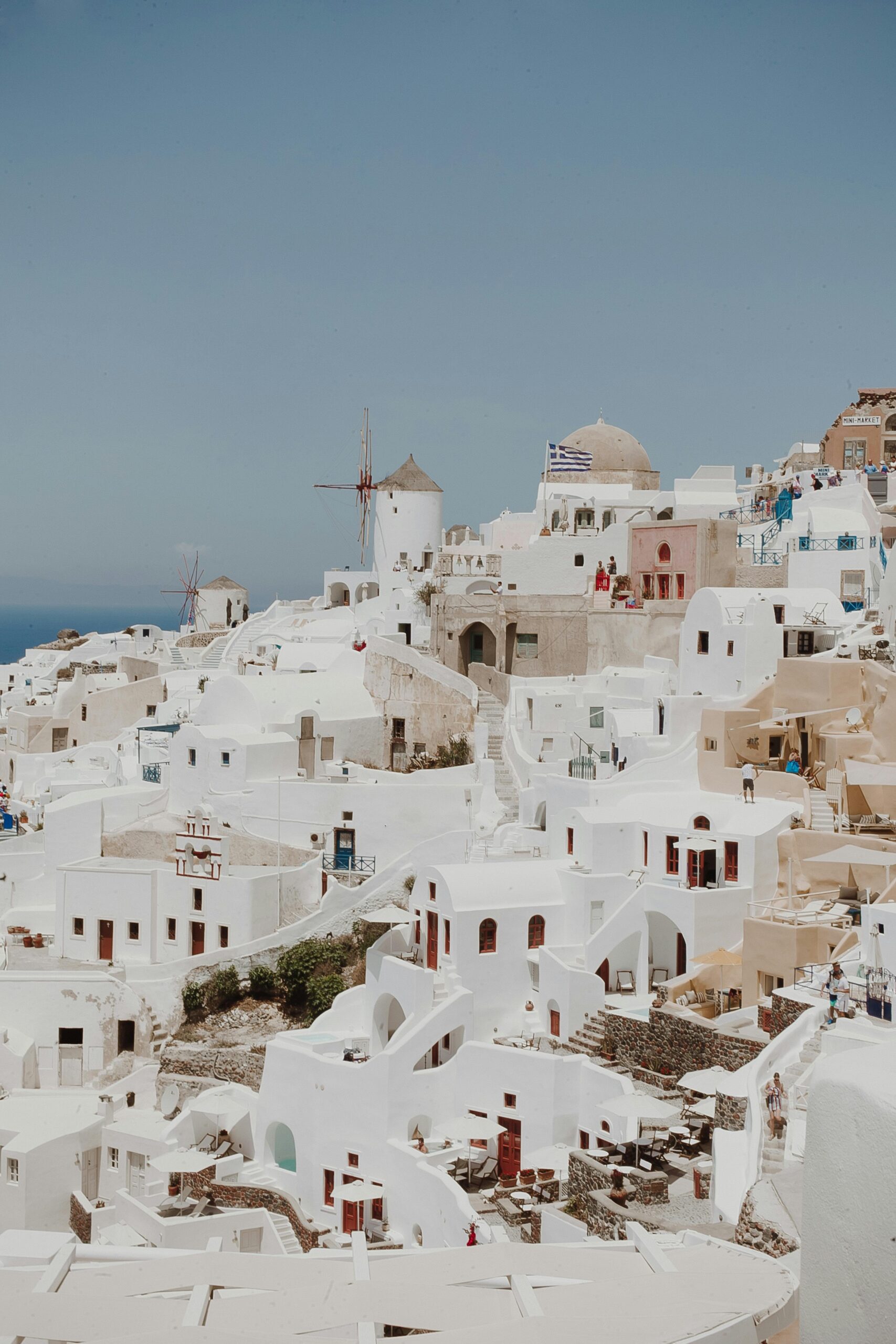
When to Visit Santorini: Crowds, Weather and Honest Trade-offs is a question that every traveler aiming to experience this Aegean island must consider carefully. This guide explores the seasonal shifts in visitor numbers, climate conditions, and cost implications to help you make an informed choice. Understanding these factors is crucial to aligning your expectations with the realities of Santorini’s tourism cycles.
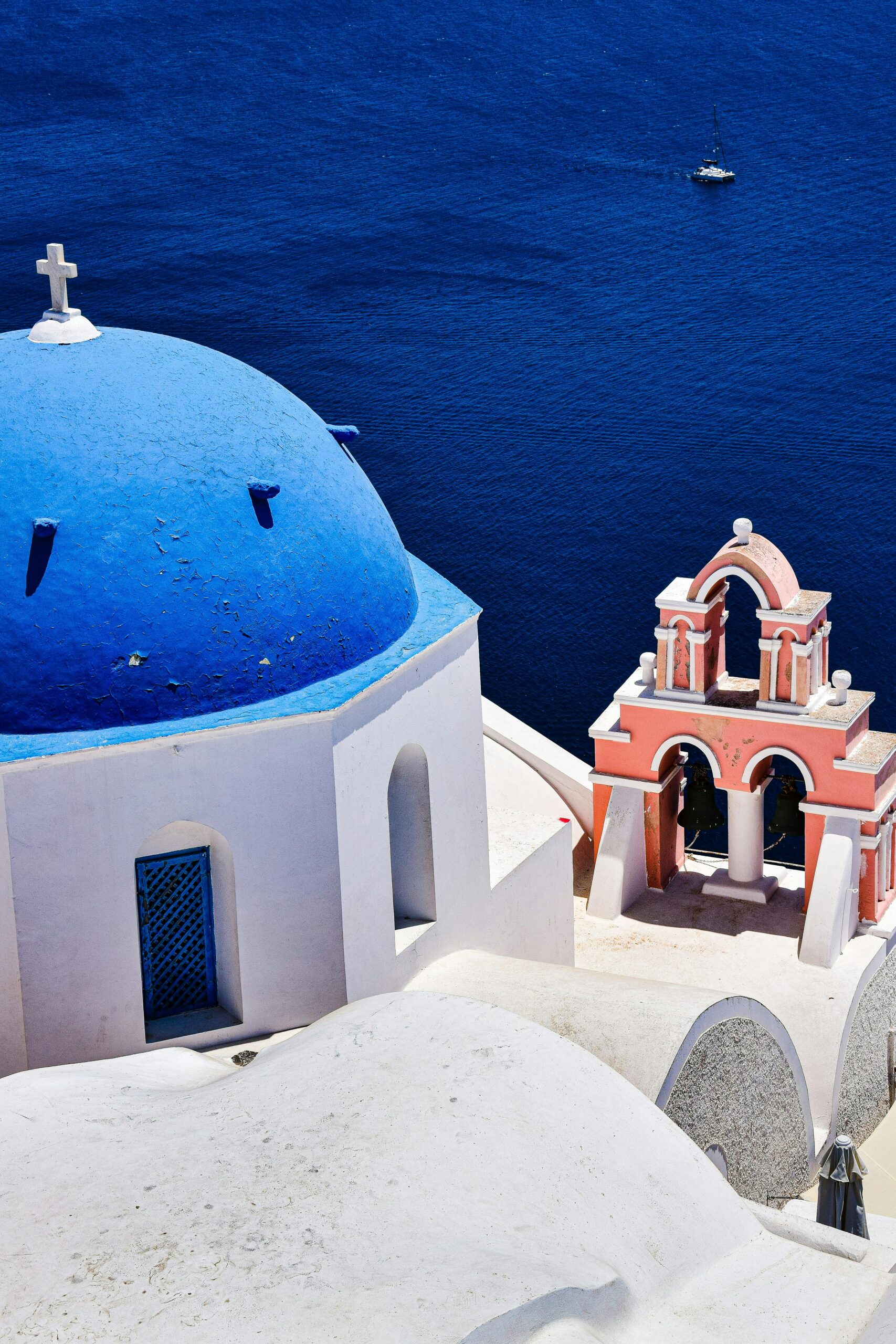
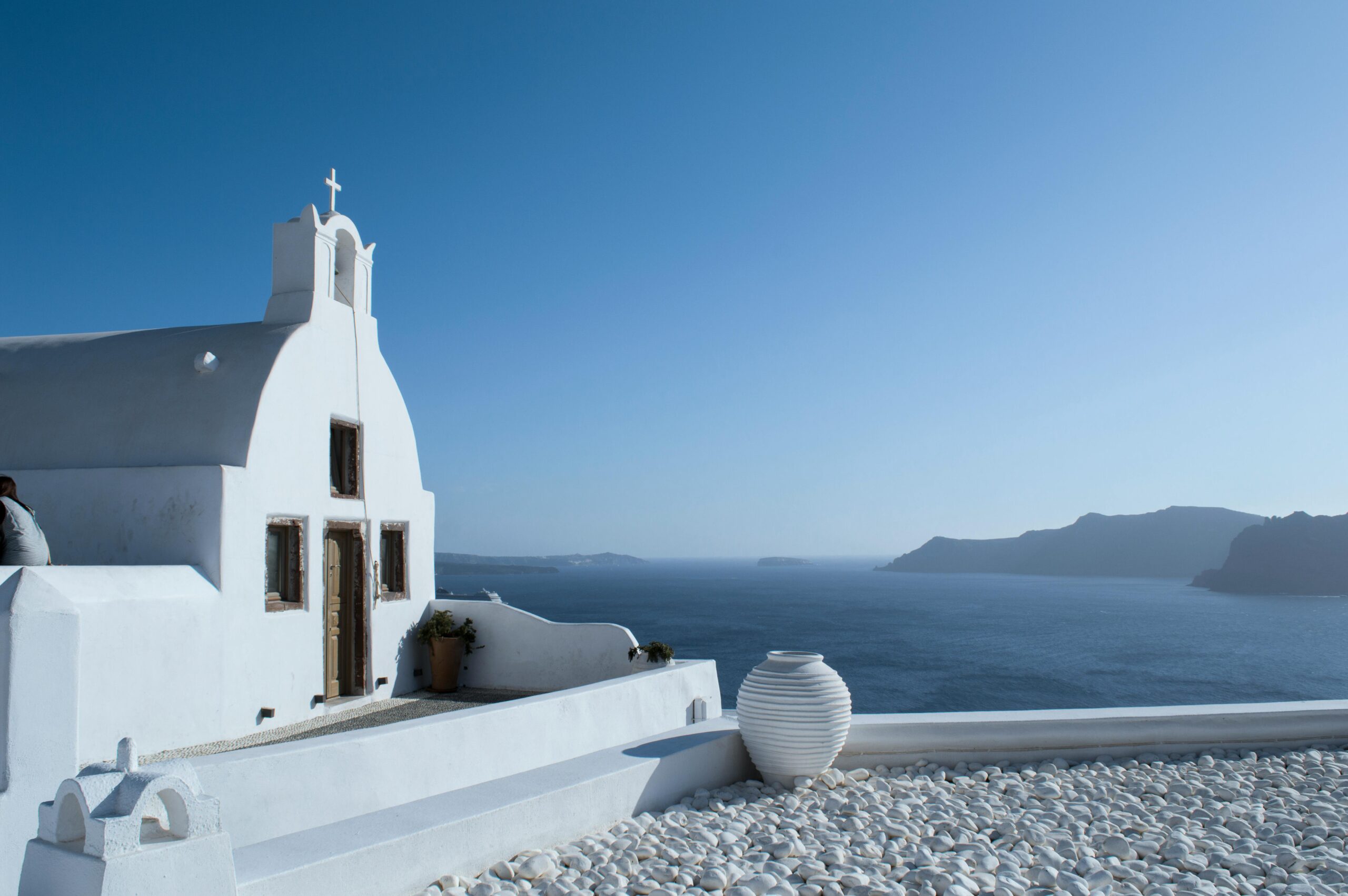
When to Visit Santorini: Crowds, Weather and Honest Trade-offs
Understanding Santorini’s Seasonal Patterns
Santorini’s peak season runs from late June through early September, coinciding with warm temperatures and long daylight hours. However, this period also brings the highest concentration of tourists, particularly in towns like Fira and Oia. Shoulder seasons—May to early June and late September to October—offer a balance of decent weather and thinner crowds. Winter months see a steep drop in visitors, with many businesses closing and cooler, wetter weather prevailing.
The island’s microclimate means temperatures can vary significantly between coastal areas such as Kamari and inland villages like Pyrgos, affecting comfort and activity choices.
Human Anchor: Hard Truth, Common Underestimate, and Directional Recommendation
A hard truth is that Santorini’s popularity results in crowded viewpoints and busy dining spots during high season, limiting the sense of tranquility some visitors expect. Many underestimate how quickly accommodation prices escalate during July and August, making early bookings essential. The clear directional recommendation is to consider the shoulder seasons for a more manageable pace and better value, especially if your priority is to avoid the dense summer crowds.
Trip Length Rule and Timing Rule for Daily Planning
Allocate at least 3 to 5 full days to explore Santorini thoroughly; less time restricts your ability to visit multiple neighborhoods and archaeological sites like Akrotiri. Arriving early in the day is advisable for popular spots like Oia’s caldera views to avoid peak crowd waves. Late afternoon offers a different atmosphere with cooler temperatures and quieter streets but can coincide with sunset crowds, particularly at designated viewpoints.
Cost Considerations: Budgeting Your Santorini Visit
Santorini’s cost tiers vary significantly: off-season ($) offers the most affordable lodging and dining options, while peak summer months escalate to ($$$) due to demand-driven pricing. What drives cost includes proximity to caldera views, timing of reservations, and type of accommodation—boutique hotels in Oia command premium prices compared to guesthouses in Perissa. Transportation costs should be factored in; buses connect main towns but taxis and car rentals offer more flexibility with costs rising in peak months.
Best for: Profiles and Neighborhoods
Couples: Oia and Imerovigli provide romantic settings with iconic sunsets and quieter ambiance during shoulder seasons.
Families: Kamari and Perissa offer easier beach access and family-friendly amenities, with less intense crowds outside peak months.
First-timers: Fira serves as a central base with connectivity to bus routes and a range of accommodations.
Beach Lovers: Red Beach near Akrotiri and Black Beach at Kamari are notable, though the busiest in summer.
Emotional Atmosphere: Pace, Rhythm, and Social Energy
Peak summer transforms Santorini into a vibrant social hub with bustling streets and active nightlife, primarily around Fira. In contrast, the shoulder seasons slow the pace, offering a more reflective experience with fewer organized tours and less commercialism. Winter months introduce a stark quietness, which may appeal to those seeking solitude but comes with the trade-off of limited services and cooler weather.
When to Visit Santorini: Crowds, Weather and Honest Trade-offs
Choosing when to visit Santorini requires balancing your tolerance for crowds against weather preferences and budget constraints. If avoiding crowds is paramount, target May, early June, or late September for agreeable weather and moderate tourism. For guaranteed beach conditions and lively nightlife, mid-July to August is appropriate but expect inflated prices and packed venues. Winter visits provide a different dimension but should be reserved for travelers comfortable with minimal amenities.
What Travelers Underestimate
- The impact of ferry and flight schedules on your itinerary flexibility; delays and cancellations are more frequent off-season.
- How quickly sunset spots fill up, requiring early arrival to secure a vantage point.
- The subtle differences in microclimates across the island that can affect your daily plans.
Making the Most of Logistics
Ferries from Athens’ port (Piraeus or Rafina) to Santorini typically range from 5 to 8 hours, depending on the vessel type. Flights from Athens take about 45 minutes and can be more reliable during low seasons. Within Santorini, traveling between key locations such as Fira to Oia takes approximately 20 minutes by car or bus, while reaching Akrotiri or Kamari requires 30 to 40 minutes. Planning your base with transport in mind reduces unnecessary transit time.
For cultural context and updated travel advisories, consulting official resources like the
Greek Ministry of Culture and Visit Greece websites can be valuable.
Decision Rules: Choosing the Right Time for Your Santorini Trip
Choose Santorini from late May to early June or late September to early October if you prioritize manageable crowds, reasonable prices, and pleasant weather. Opt for July and August only if your focus is on peak summer energy and guaranteed beach conditions, accepting the trade-offs of higher costs and congestion.
If your schedule is tight (under 3 days), concentrate on Fira and Oia to maximize the iconic Santorini experience without overextending transit logistics.
Conclusion
When to Visit Santorini: Crowds, Weather and Honest Trade-offs hinges on your priorities regarding atmosphere, budget, and activities. Understanding the island’s seasonal rhythms and logistical nuances will help you avoid common pitfalls and optimize your visit. Strategic timing, early planning, and realistic expectations regarding social energy and costs are key to a successful Santorini trip.
Frequently asked questions
What is the best month to visit Santorini to avoid crowds?
Late May to early June and late September to early October are the best periods to avoid the busiest crowds while still enjoying favorable weather.
How long does it take to get to Santorini from Athens?
By ferry, travel time ranges from 5 to 8 hours depending on the type of vessel. Flights take approximately 45 minutes.
Is Santorini suitable for families with children?
Yes, neighborhoods like Kamari and Perissa offer family-friendly beaches and amenities, especially outside peak summer months.
What drives the cost differences in Santorini accommodations?
Location, season, and type of accommodation primarily drive costs, with caldera-view hotels in Oia being among the most expensive.
Are there quieter alternatives to Oia and Fira for first-time visitors?
Imerovigli and Pyrgos provide quieter atmospheres with good access to main attractions, suitable for those seeking less congestion.
When is sunset viewing less crowded in Santorini?
Arriving early in the late afternoon is essential to secure a spot at popular sunset viewpoints before crowds arrive.
Can I visit Santorini comfortably in winter?
Winter visits are possible but come with cooler weather, fewer open services, and a much quieter atmosphere, suited to travelers prepared for limited amenities.