

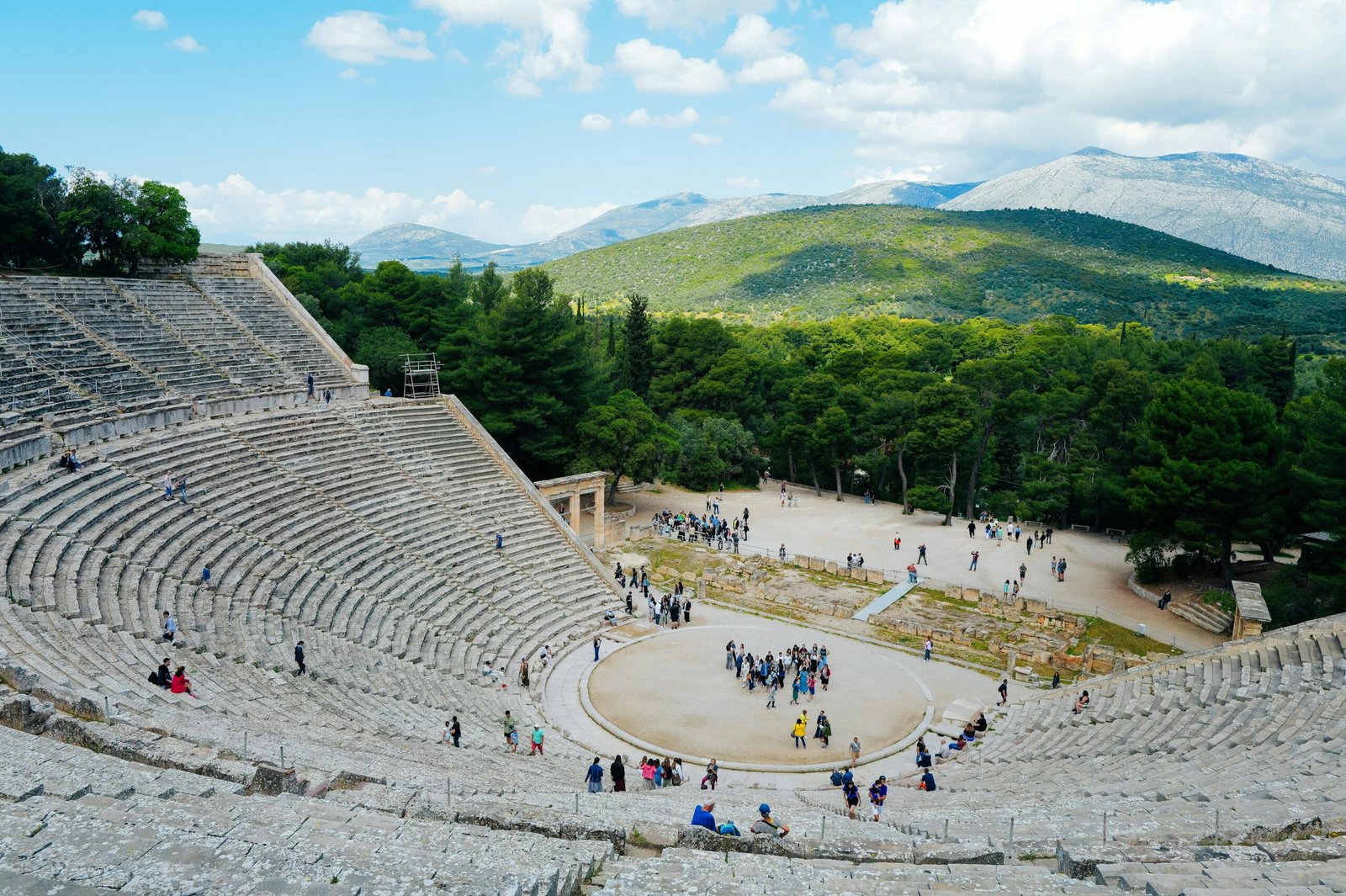
Why a Greece Trip Needs More Planning Than Most Travelers Expect is not a warning for nervous travelers; it is the basic reality of summer in Greece. Once June hits, the country stops behaving like a simple island-hopping destination and starts functioning like a place where timing, destination choice, and accommodation location all matter at once.
The travelers who struggle most are usually the ones who build a Greece trip the way they would build a city break: too many stops, too little breathing room, and no real understanding of how different islands and mainland regions actually fit together. The ones who do well usually get help early, because summer Greece punishes loose planning.
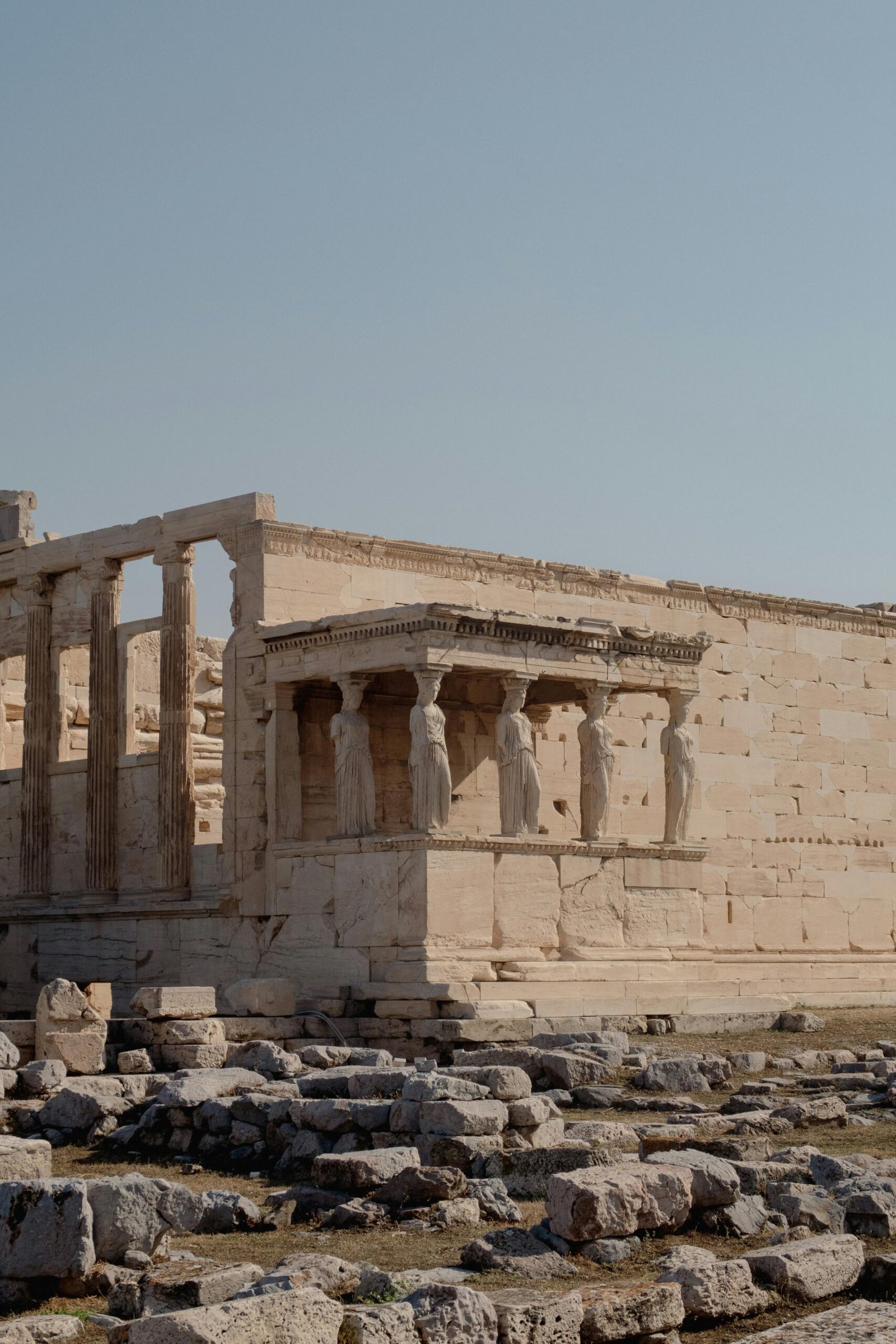
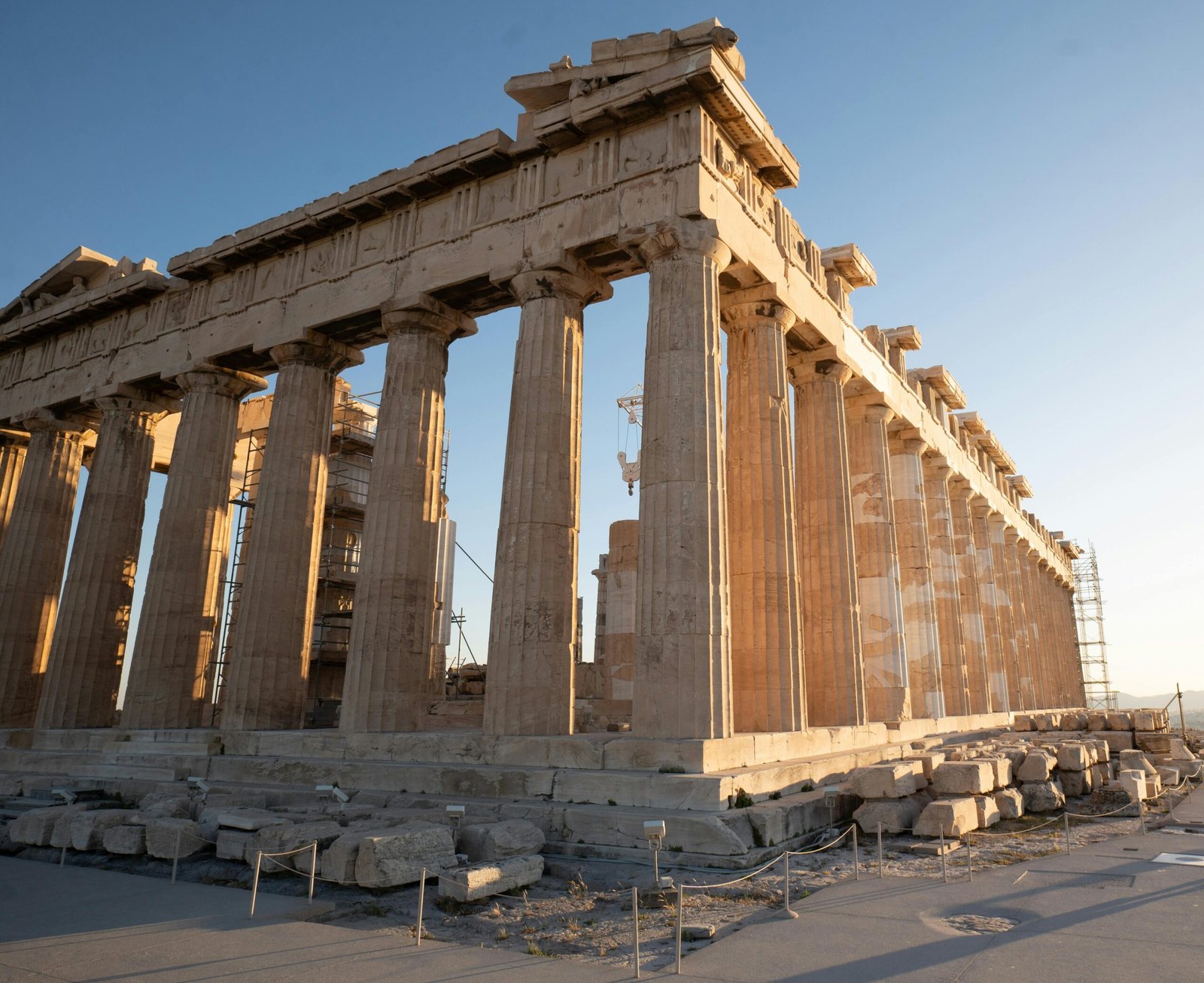
Why a Greece Trip Needs More Planning Than Most Travelers Expect
Summer in Greece is not difficult because the country is complicated in theory. It is difficult because demand compresses into a short season, and every weak decision gets exposed fast. If you want a smooth trip, you need to think like an operator, not a dreamer.
My position is simple: in Greece, summer planning is not optional if you care about quality. You can still have a good trip with a casual approach, but you will pay for that casualness in missed connections, poor hotel locations, and wasted time in places that looked easy on paper.
Why a Greece Trip Needs More Planning Than Most Travelers Expect in summer
The first thing travelers get wrong is assuming every island works the same way. Mykonos, Paros, Naxos, Santorini, Crete, and Rhodes all attract summer demand, but they serve different traveler types and have very different pacing. A trip that feels elegant in one place can feel clumsy in another because the island’s geography, dining scene, and beach access do not reward the same style of stay.
The second mistake is treating summer as a neutral season. It is not. July and August bring stronger crowds, tighter availability, higher rates, and more pressure on anything that depends on timing, including popular restaurants, museum visits, and island stays that need to line up cleanly. If you ignore that, you often end up paying more for less control.
For context, the official tourism guidance at
visitgreece.gr is useful for broad inspiration, but inspiration is not the same as a workable plan. A workable plan starts with a clear view of what kind of Greece you want: beach-focused, cultural, food-led, family-friendly, or a mix that does not force constant packing and unpacking.
The places that expose bad planning fastest
Some places are forgiving. Others expose weak planning immediately. Athens, especially areas like Plaka and Kolonaki, works best when travelers understand that location and noise matter more than a generic “central” label. On the islands, Oia, Naoussa, Chora on Mykonos, and the harbor areas of Naxos town each have a very specific rhythm, and choosing the wrong base can turn a short stay into a daily nuisance.
Crete is another place where people underestimate scale. It is not a single compact island experience, and trying to treat it like one usually leads to too much time in transit and too little time actually enjoying the coast, food, or archaeological sites. Rhodes can be easier for some travelers, but only if they understand that resort convenience and old-town exploration are not the same thing.
What matters here is not just where you go, but whether the place matches your tolerance for heat, crowds, and movement. Summer Greece is full of travelers who chose a beautiful base and then discovered it was wrong for their habits. That mistake is expensive because changing course in high season is rarely easy.
Two mistakes that create most of the stress
One common error is overbuilding the itinerary. People want Athens, two islands, a mainland stop, and a beach resort in ten days. That looks efficient on a spreadsheet, but in practice it creates friction, especially if the traveler wants relaxed meals, proper sleep, and enough time to enjoy each place instead of merely checking it off.
The other mistake is booking accommodation without understanding the neighborhood. In Greece, “close to everything” is often code for “close to noise, foot traffic, and late-night movement.” That can be fine for younger travelers who want energy, but it is a poor fit for families, couples who value quiet, or anyone who actually wants to sleep well in July.
There is a practical consequence here that people learn the hard way: once the trip starts, bad sequencing and bad location choices are hard to fix. You lose time, you lose flexibility, and you often start making compromises that affect the rest of the holiday. This is exactly why Why a Greece Trip Needs More Planning Than Most Travelers Expect is not just a slogan; it is a planning rule.
A counterintuitive truth about summer Greece
The surprising thing is that the most successful summer trips are often not the most ambitious ones. A well-designed Greece trip can feel richer with fewer stops, because the traveler has enough energy to enjoy the food, the swimming, and the atmosphere instead of constantly moving between check-ins and departures. People assume more destinations means more value. In Greece, that usually means more fatigue.
This is especially true for first-time visitors who want both islands and mainland culture in one short trip. The smarter move is often to pick one strong island base and one city or mainland stop, then leave room for the actual experience. That approach gives you better meals, better rest, and fewer points of failure.
Who this suits
This style of planning suits travelers who care about quality over quantity. Couples, families with school-age children, food-focused travelers, and people booking a special-occasion trip usually benefit the most because they want comfort, predictability, and a trip that feels coherent rather than rushed.
- Best fit: first-time visitors who want a polished, low-friction summer trip
- Best fit: families who need predictable pacing and sensible accommodation placement
- Best fit: couples who value good hotels, quieter areas, and better dining
- Poor fit: travelers who want to improvise every decision after arrival
- Poor fit: people trying to cram too many islands into one week
- Poor fit: budget travelers who are unwilling to compromise on location
It also suits travelers who are honest about what they do not want. If you dislike heat, crowds, or repeated packing, summer Greece can still work, but only if the plan reflects those limits. If you ignore them, you will feel the season working against you.
What you gain, and what you give up
The gain is obvious: better use of time, fewer mistakes, and a trip that feels deliberate instead of improvised. You also get better alignment between destination and traveler type, which matters more in Greece than many people realize. The right island, the right neighborhood, and the right pace can completely change the quality of a summer holiday.
The trade-off is equally clear. A more considered trip usually means fewer destinations and less room for last-minute fantasy choices. You may not see every famous name on your list, but you will usually enjoy the trip more, spend less time correcting errors, and avoid the common summer problems that make Greece feel harder than it should.
If you want to understand the cultural side of the trip as well, the Ministry of Culture’s official site at culture.gov.gr is a better starting point than random listicles, especially if museums and archaeological sites are part of your plan. That said, culture in Greece is not the issue; sequence is. A good cultural day can be ruined by poor timing and a bad base.
Conclusion
Why a Greece Trip Needs More Planning Than Most Travelers Expect comes down to one fact: summer Greece is high-demand, high-variation, and unforgiving of vague ideas. If you treat it like a generic Mediterranean holiday, you will likely overbook, under-prepare, and choose places that do not match how you actually travel.
Greece rewards travelers who arrive with a plan built around how they actually travel — not a generic template. The difference between a frustrating trip and a remarkable one often comes down to sequence, timing, and knowing which trade-offs matter for your situation.
Frequently asked questions
Why does Greece need more planning in summer than other Mediterranean destinations?
Because summer demand is concentrated, availability tightens fast, and the difference between a good and bad trip often comes down to destination fit, accommodation location, and how much movement you build into the schedule.
What do travelers most often get wrong about a summer Greece trip?
They usually overpack the itinerary and underestimate how much the wrong island, neighborhood, or pace can affect the whole trip. They also assume all islands work the same way, which is rarely true.
Is it a mistake to visit multiple islands in one trip?
Not automatically, but too many travelers try to do too much in too little time. The problem is usually not the idea of island-hopping itself; it is the lack of margin when summer schedules are tight.
Which places are most sensitive to bad planning?
Athens neighborhoods like Plaka and Kolonaki, and island bases such as Oia, Naoussa, Mykonos Town, and Naxos town harbor areas, all require more careful thinking because location strongly affects comfort and convenience.
Who is a summer Greece trip best suited to?
It suits travelers who want quality, comfort, and a coherent trip: couples, families, first-time visitors, and anyone who values good hotels and manageable pacing over packing in as many places as possible.
What is the biggest planning consequence if you get it wrong?
You usually lose time and flexibility. Bad sequencing or a poor accommodation choice can create a chain reaction of stress, extra cost, and reduced enjoyment for the rest of the trip.