

Why a Greece Trip Needs More Strategy Than Most Travelers Realize is not a marketing line; it is the basic truth of summer travel here. Greece in summer punishes vague planning, especially when travelers try to combine too many places, too much movement, and too little thought about pace.
The biggest mistake is assuming that a few famous names will automatically fit together cleanly. They usually do not. If you want a summer trip that feels controlled instead of chaotic, you need to think like an operator, not a dreamer.

Why a Greece Trip Needs More Strategy Than Most Travelers Realize
Summer in Greece is not difficult because the country is inaccessible. It is difficult because the most popular places all get busy at the same time, and many travelers plan as if every island and every city has the same rhythm. That is where trips start to fray.
I am clear about this: if you want a smooth summer Greece trip, you need fewer moving parts and better matching between place and pace. The travelers who do best are the ones who accept that Athens, Paros, Naxos, Mykonos, Crete, and Hydra each serve a different kind of summer, not one generic version of it.
Why a Greece Trip Needs More Strategy Than Most Travelers Realize in summer
In July and August, Greece is not just busy; it is busy in specific ways that punish bad assumptions. A traveler who books based only on reputation often ends up in the wrong neighborhood, the wrong island, or the wrong length of stay for the way they actually travel. That creates friction that no amount of enthusiasm fixes.
Two mistakes come up constantly. First, people overpack their itinerary and underestimate how draining repeated changeovers are in peak season. Second, they choose a base because it looks famous, then discover it is better for nightlife, day-trippers, or cruise traffic than for the quieter summer they wanted.
Why a Greece Trip Needs More Strategy Than Most Travelers Realize is especially true in places like Athens’ Plaka and Koukaki, where location can make the difference between a sensible city stay and a noisy, inconvenient one. In island settings, the same issue shows up in Naoussa on Paros, Chora on Mykonos, and Old Town Chania in Crete, where the wrong accommodation zone can add stress every single day.
What travelers consistently get wrong
The first error is treating summer Greece like a checklist. Athens, Paros, Naxos, and Crete are not interchangeable, and trying to cover them all in a short window usually means you experience each place at half strength. The trip feels busy, but not satisfying.
The second error is misunderstanding pace. A couple that wants long lunches, swimming, and one good dinner each night should not plan like a group that wants late nights and constant movement. That mismatch is one of the main reasons summer trips feel more tiring than they should.
The third error is underestimating how much location matters inside each destination. In Athens, staying too far from the center drains energy. In islands like Hydra or Naxos, choosing a base without thinking about the atmosphere around it can leave you with either too much noise or too little convenience. The place is not the problem; the fit is.
Places that require different planning logic
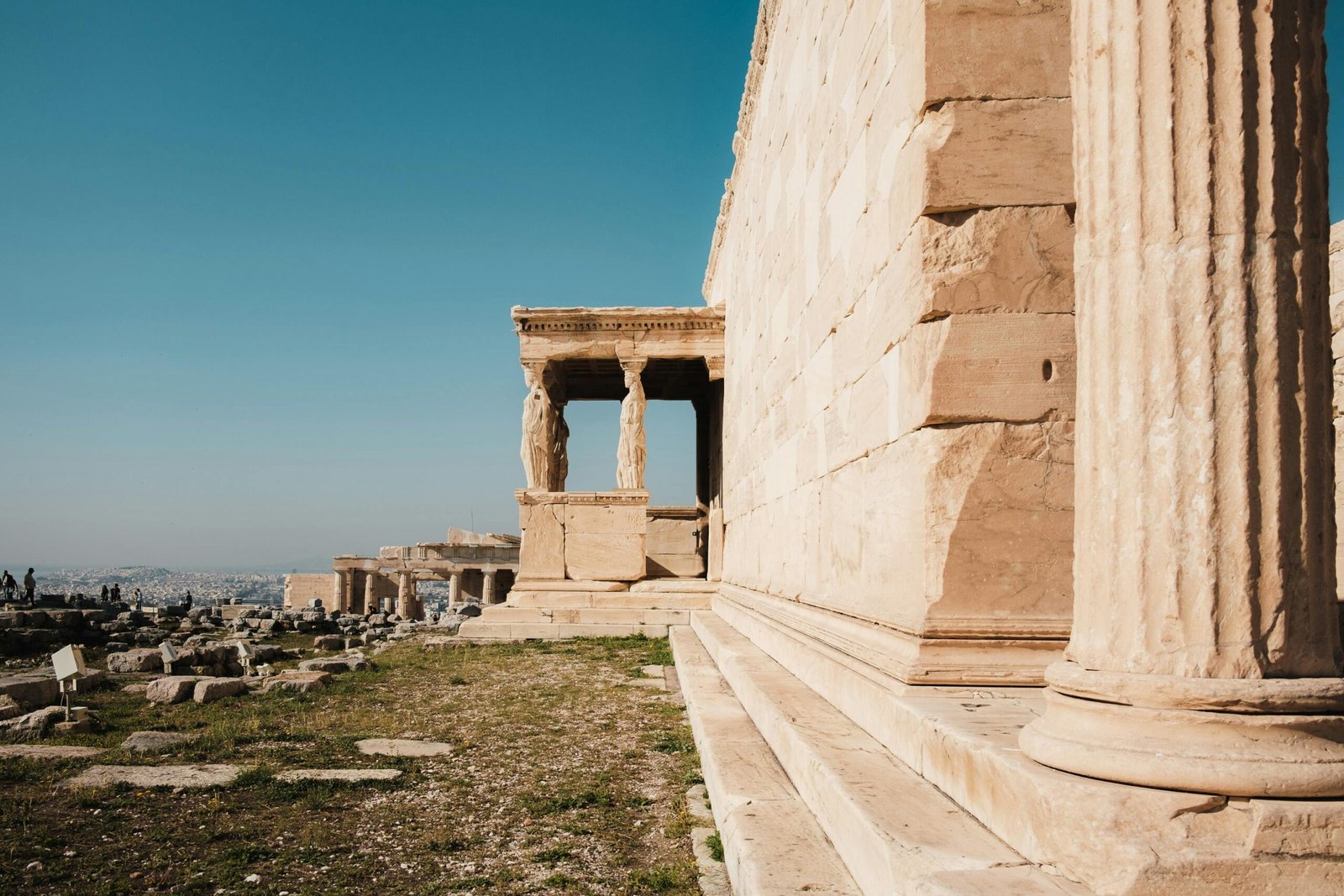
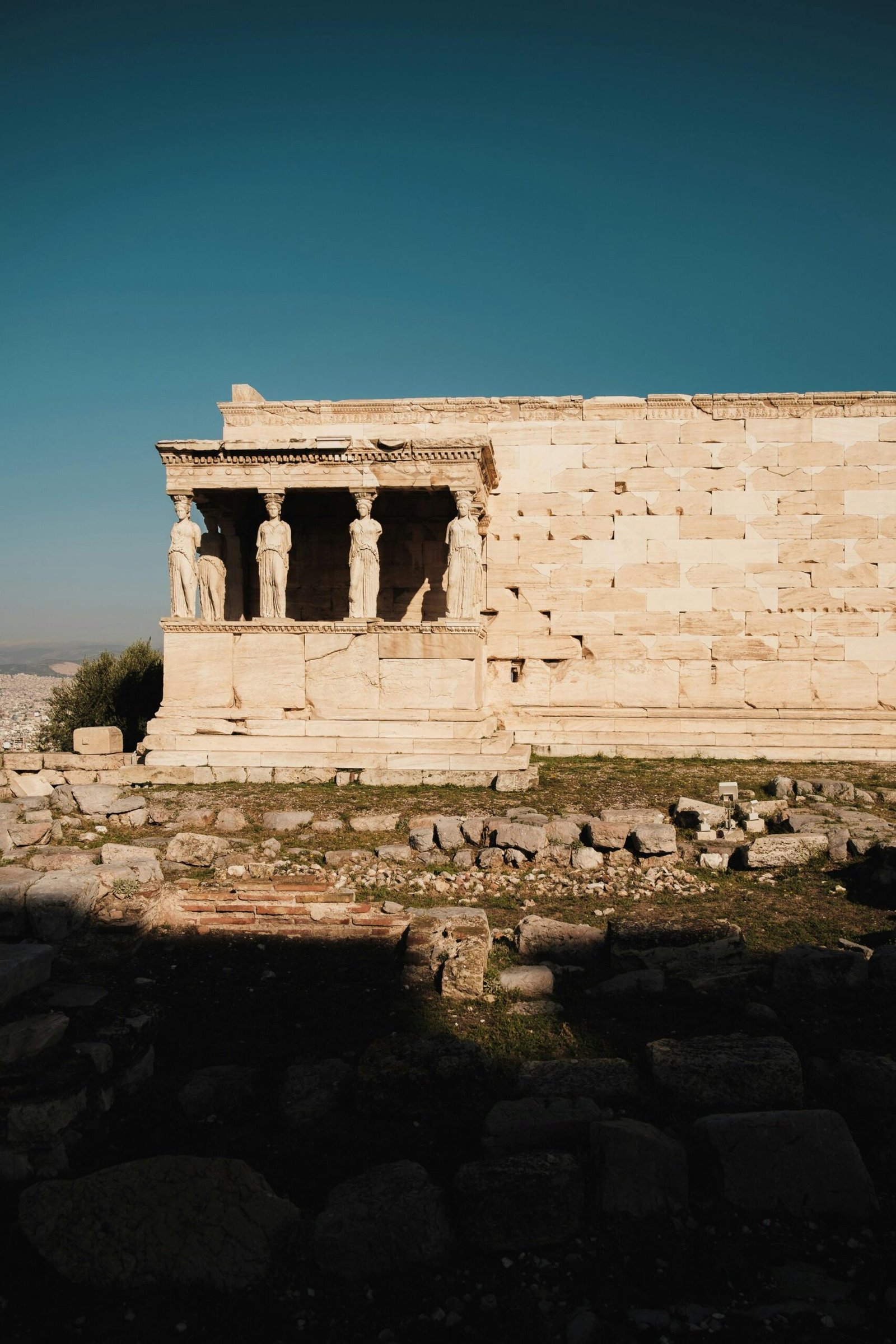
Athens should be treated as a city stay, not just a stopover. If you want culture and serious dining, areas like Koukaki, Kolonaki, and Plaka each offer a different balance of access, calm, and character. The mistake is assuming the city is only a brief administrative stop before the islands.
Paros works well for travelers who want a polished island with enough energy to feel alive but not so much that every evening becomes a scene. Naoussa is where many people want to stay, but it is not ideal for everyone. Travelers who dislike crowds or late-night noise often do better with a more measured base elsewhere on the island.
Naxos is one of the clearest examples of a place that rewards calm planning. It gives you space, beaches, and a more grounded summer pace, which is exactly why it suits families and travelers who want less performance and more ease. Mykonos, by contrast, is a deliberate choice, not a default recommendation; if you do not want energy, design, and social intensity, you will not enjoy it no matter how famous it is.
Crete deserves more respect than many summer travelers give it. Chania works for people who want a town with depth and good food, while parts of the island are better for long stays than for quick sampling. Hydra is a different case entirely: it suits travelers who value atmosphere and restraint, but not those who want maximum variety in a short time.
For travelers who want a better sense of the country’s cultural context before they go, the official source at the Hellenic Ministry of Culture is worth checking. It will not plan your trip for you, but it helps anchor the experience in something more useful than social media noise.
A counterintuitive truth about summer Greece
The most surprising thing is that the best summer trip is often the one with fewer islands. That sounds conservative until you see how many travelers lose time, energy, and patience trying to “maximize” a week or ten days. In Greece, overplanning usually reduces the quality of the trip more than it increases the quantity of experiences.
Why a Greece Trip Needs More Strategy Than Most Travelers Realize becomes obvious once you understand that the country is not difficult because it lacks options. It is difficult because the right options are highly specific. A traveler who chooses one city, one or two islands, and the right pace usually has a better summer than the person who tries to cover four famous names in the same window.
Who this suits
This kind of Greece trip suits travelers who want to feel settled, not rushed. Couples, families, and experienced travelers who care about good accommodation placement, manageable pacing, and a strong sense of place usually get the best results.
It does not suit travelers who want to improvise every day, chase nightlife across multiple islands, or treat summer as a spontaneous hop between hotspots. It also does not suit people who get frustrated when a destination requires judgment about where to stay and how long to remain there.
- Best fit: couples, families, food-focused travelers, and people who value comfort and control.
- Poor fit: last-minute planners, nightlife chasers, and travelers who want maximum movement in minimum time.
What you gain, and what you give up
When you plan Greece well in summer, you gain calm, better accommodation choices, and a trip that feels intentional instead of improvised. You also get more from each place because you are not constantly resetting your luggage, your expectations, and your energy.
What you give up is the fantasy of doing everything. That is the trade-off, and it is a healthy one. A tighter plan means fewer bragging rights, but far fewer avoidable mistakes.
There is also a practical consequence people ignore: bad sequencing can make a trip feel shorter than it is. If you place the wrong destinations together, especially in peak season, the trip becomes a series of transfers, check-ins, and recovery days. That is how a ten-day Greece vacation starts feeling like six usable days.
Why generic planning fails in Greece in summer
Generic planning assumes that all popular places can absorb the same kind of traveler in the same way. They cannot. Athens works best for people who want urban density and culture; Paros and Naxos work best for people who want balanced island life; Mykonos works best for travelers who actively want intensity; Crete works best for those who understand scale; Hydra works best for those who want a more contained experience.
That is why Why a Greece Trip Needs More Strategy Than Most Travelers Realize is not an abstract planning slogan. It is the difference between a trip that feels tailored and one that feels assembled from internet fragments. If you want the former, stop planning by popularity alone.
For a broader overview of destinations and seasonal context,
Visit Greece is a useful starting point, but it should be treated as a reference point, not a substitute for judgment. The real work is matching the place to the traveler.
Greece rewards travelers who arrive with a plan built around how they actually travel — not a generic template. The difference between a frustrating trip and a remarkable one often comes down to sequence, timing, and knowing which trade-offs matter for your situation.
Frequently asked questions
Why does a Greece trip need more strategy in summer than in other seasons?
Because summer is when demand, heat, and crowding all peak at once. The margin for error gets smaller, especially with accommodation location, pacing, and how many places you try to combine.
What is the most common mistake travelers make in Greece in summer?
They try to fit too much into too little time. That usually leads to weak sequencing, rushed stays, and a trip that feels more tiring than rewarding.
Which places in Greece need the most careful planning?
Athens, Paros, Naxos, Mykonos, Crete, and Hydra all reward different kinds of travelers. They are not interchangeable, and choosing the wrong one for your style creates avoidable friction.
Is it better to visit more islands or stay longer in fewer places?
For most summer travelers, fewer places is the better choice. You get more usable time, less disruption, and a better sense of each destination.
Who is Greece in summer best for?
It suits couples, families, food-focused travelers, and people who want a mix of culture and beach time without constant movement. It is less suitable for travelers who want to improvise everything at the last minute.
What should travelers think about before choosing where to stay?
They should think about the type of atmosphere they want, how much noise they can tolerate, and whether they want convenience or a quieter base. In Greece, location inside a destination matters more than many people expect.
What happens when travelers ignore planning strategy in Greece?
They usually end up with bad sequencing, weak accommodation choices, and unnecessary fatigue. The trip still happens, but it feels less smooth and less satisfying than it should.