


Why a Greece Trip That Includes Athens and the Peloponnese Needs Help is not a theoretical question; it is the practical reality of trying to combine a dense capital with a region that looks simple on a map and can become messy in practice. Travelers see Athens, Nafplio, Monemvasia, and Ancient Olympia and assume the trip will organize itself. It usually does not.
The problem is not distance alone. It is sequencing, base choice, and the fact that Athens and the Peloponnese work best for different kinds of travelers at different tempos. If you get the order wrong, the whole trip feels compressed, even when the total number of nights looks reasonable.
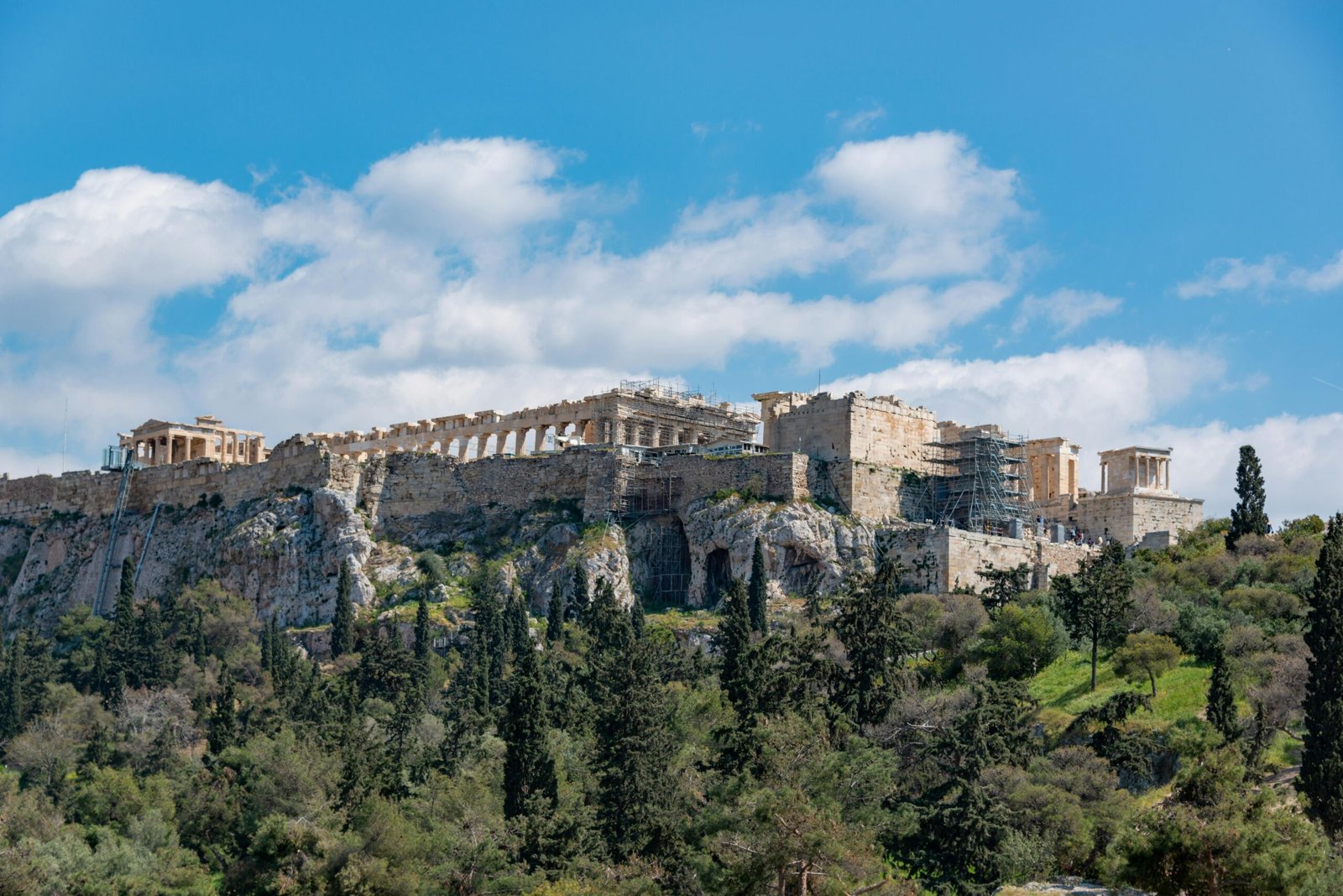

Why a Greece Trip That Includes Athens and the Peloponnese Needs Help
This combination looks straightforward until you start making real decisions. Athens is a city of neighborhoods, museum timing, and energy management; the Peloponnese is a region of strong individual bases that punish sloppy pacing. That is why Why a Greece Trip That Includes Athens and the Peloponnese Needs Help is a serious planning question, not a marketing slogan.
Most travelers underestimate how quickly Athens can eat time if they treat it as a simple stopover. They also underestimate how much the Peloponnese changes from one base to the next: Nafplio is polished and easy, Monemvasia is more atmospheric but less flexible, and Kardamyli suits a slower, more self-directed traveler. If you try to cover all of that with a one-size-fits-all approach, the trip starts to feel like a checklist.
Why a Greece Trip That Includes Athens and the Peloponnese Needs Help in the first place
My clear position: this is not a DIY-friendly combination for first-time visitors who want a trip that feels seamless. It is easy to book the pieces; it is much harder to make them work together without dead time, repeated backtracking, or a weak final impression. The issue is not complexity for its own sake. The issue is that Athens and the Peloponnese reward different planning instincts.
Athens needs a base that keeps you close to the right neighborhoods, while the Peloponnese needs a base that matches your pace and your tolerance for moving around. Put bluntly, people who treat Nafplio, Pylos, and Monemvasia as interchangeable are usually the same people who end up overpacked and under-rested. Why a Greece Trip That Includes Athens and the Peloponnese Needs Help is really about avoiding that kind of amateur sequencing.
The two mistakes travelers make most often
The first mistake is trying to do too much in Athens. Travelers often plan the Acropolis, the Acropolis Museum, Plaka, Monastiraki, and a full evening out as if the city were a compact heritage site. It is not. Athens is best when you choose a smaller set of priorities and accept that the city’s value is partly in its neighborhoods, not just its monuments. If you want context, the Acropolis Museum is not optional; it is one of the few places that makes the ancient layer of the city feel coherent.
The second mistake is picking Peloponnese bases by name recognition alone. Nafplio is the safest choice for many travelers, but some people choose it because they have heard of it, not because it suits their trip. Monemvasia looks romantic on paper but can feel restrictive if you dislike staying somewhere with limited flexibility. Kardamyli and Pylos are better for travelers who want a more measured pace and fewer crowds, but they are not the right answer for everyone.
The practical consequence is simple: when travelers ignore base logic, they lose time to unnecessary movement and end up sleeping in places that do not match the day they just had. That is when a trip starts to feel tiring instead of elegant.
What Athens actually gives you, and what it takes away
Athens gives you density, range, and a strong sense of arrival. You can stay in Kolonaki for a more polished city stay, Psyrri for a grittier food-and-nightlife base, or Koukaki if you want something practical and less chaotic near the major sites. Syntagma is efficient but rarely the most interesting choice for travelers who care about atmosphere.
What Athens takes away is calm. If you expect a relaxed resort-style start to your trip, Athens will frustrate you. It is a city that works best when you respect its pace and its friction, not when you try to make it behave like a smaller destination. Greece rewards travelers who arrive with a plan, but Athens especially punishes vague ideas about “just seeing the highlights.”
The Peloponnese is not one destination
This is where many itineraries fall apart. The Peloponnese is a large region with very different personalities, and travelers who lump it together usually make poor decisions about where to stay. Nafplio is the most forgiving base for a first visit, with enough dining, atmosphere, and convenience to keep most travelers satisfied. Monemvasia is more specialized and works better for people who value setting over convenience. Pylos fits travelers who want a quieter, more refined western Peloponnese experience, while Kardamyli suits those who want a slower Mani base with less obvious tourist traffic.
Ancient Olympia is often added as a “must,” but for many travelers it is a poor overnight base unless the rest of the trip is designed around it. It is one of those places that matters more as a cultural stop than as a place to linger. That is the kind of judgment call that separates a competent itinerary from a clumsy one.
A counterintuitive truth about this route
Here is the part most travelers miss: a shorter Peloponnese trip often feels better than a longer one. That sounds wrong, because the region is rich in history and variety, but too many nights spread across too many bases can make the whole trip feel fragmented. Two well-chosen Peloponnese bases usually produce a better experience than four loosely connected stops.
This is especially true for travelers who think they want to “see everything.” What they usually want is a trip that feels composed. Composed trips are built on restraint, not coverage. Why a Greece Trip That Includes Athens and the Peloponnese Needs Help is partly because the temptation to add one more famous site is almost always the wrong instinct.
Who this suits
This combination suits travelers who want Greece with substance: first-time visitors who care about history, couples who want a trip with urban energy and slower regional days, and repeat visitors who want to go beyond the islands without turning the trip into a road-test of endurance. It also suits travelers who appreciate a good hotel base and are willing to spend more for the right location.
- Good fit: culturally curious travelers who want museums, ruins, and strong regional food.
- Good fit: couples and mature travelers who prefer a composed pace over constant movement.
- Good fit: travelers who want Athens plus one or two strong Peloponnese bases.
- Poor fit: anyone trying to cram in too many stops in one week.
- Poor fit: travelers who dislike urban energy and expect a uniformly relaxed trip.
- Poor fit: people who want beach time to dominate the itinerary.
If you are the kind of traveler who gets bored by museums, dislikes historical context, or wants a beach-first holiday, this is probably not your best Greece combination. You may still enjoy parts of it, but you will be working against the structure of the trip.
The planning trade-offs most blogs skip
The upside of this route is obvious: you get Athens’ depth and the Peloponnese’s range without committing to the ferry-heavy island circuit. You also get more control over the feel of the trip. Done well, this is one of the most satisfying ways to experience mainland Greece.
The downside is equally real. You give up simplicity, and you give up the luxury of improvisation. If you choose the wrong base in the Peloponnese, the mistake is felt every day you are there. If you choose the wrong neighborhood in Athens, you spend the opening nights of the trip correcting a planning error instead of enjoying the city.
For travelers who want a polished result, that trade-off is worth it. For travelers who want to wing it, this combination is usually where things start to fray.
For broader destination context and planning reference, the official national tourism site at
Visit Greece is useful, but it will not make the sequencing decisions for you. That is the real issue here. Why a Greece Trip That Includes Athens and the Peloponnese Needs Help is not because the destinations are difficult individually; it is because the trip only works when the pieces are matched to the right traveler and the right pace.
Most Greece trips follow the same tired script. The ones that don’t — the ones travelers still talk about years later — were built around a real understanding of how this country works. That kind of understanding takes time, or it takes someone who already has it.
Recommended experiences
Some experiences mentioned here are curated and managed by Elite Greece Travels.
- Greece 7 Day Itinerary Athens Delphi Meteora Santorini — Itinerary (managed by Elite Greece Travels).
- Best Of Greece Athens Paros Crete 7 Day Itinerary 6 Nights — Itinerary (managed by Elite Greece Travels).
- Athens Mykonos Itinerary 5 Days Luxury Greece Tour — Itinerary (managed by Elite Greece Travels).
Frequently asked questions
Why does a trip combining Athens and the Peloponnese need more planning than it looks like?
Because the challenge is not just covering places. It is choosing the right Athens neighborhood, the right Peloponnese base, and the right order so the trip does not feel rushed or repetitive.
What do travelers most often get wrong about Athens?
They treat it like a quick monument stop and ignore how much the city depends on neighborhood choice, pacing, and time for museums and meals.
Which Peloponnese base is best for first-time visitors?
Nafplio is usually the safest first choice because it is easier to use as a base and offers a balanced mix of comfort and access.
Is Monemvasia a good base for everyone?
No. It suits travelers who value atmosphere and are comfortable with a more limited, less flexible stay. It is not ideal for people who want easy variety every day.
What is the biggest planning mistake on this route?
Trying to include too many stops. That usually creates backtracking, weak pacing, and a trip that feels more tiring than elegant.
Who should skip this combination entirely?
Travelers who want a beach-first holiday, dislike cities, or prefer a very relaxed, low-decision itinerary will usually be happier elsewhere in Greece.
Is Athens worth more than one night on this kind of trip?
Usually yes. Athens is not just a transfer point; it needs enough time to justify the effort of being there, especially if museums and neighborhoods matter to you.