

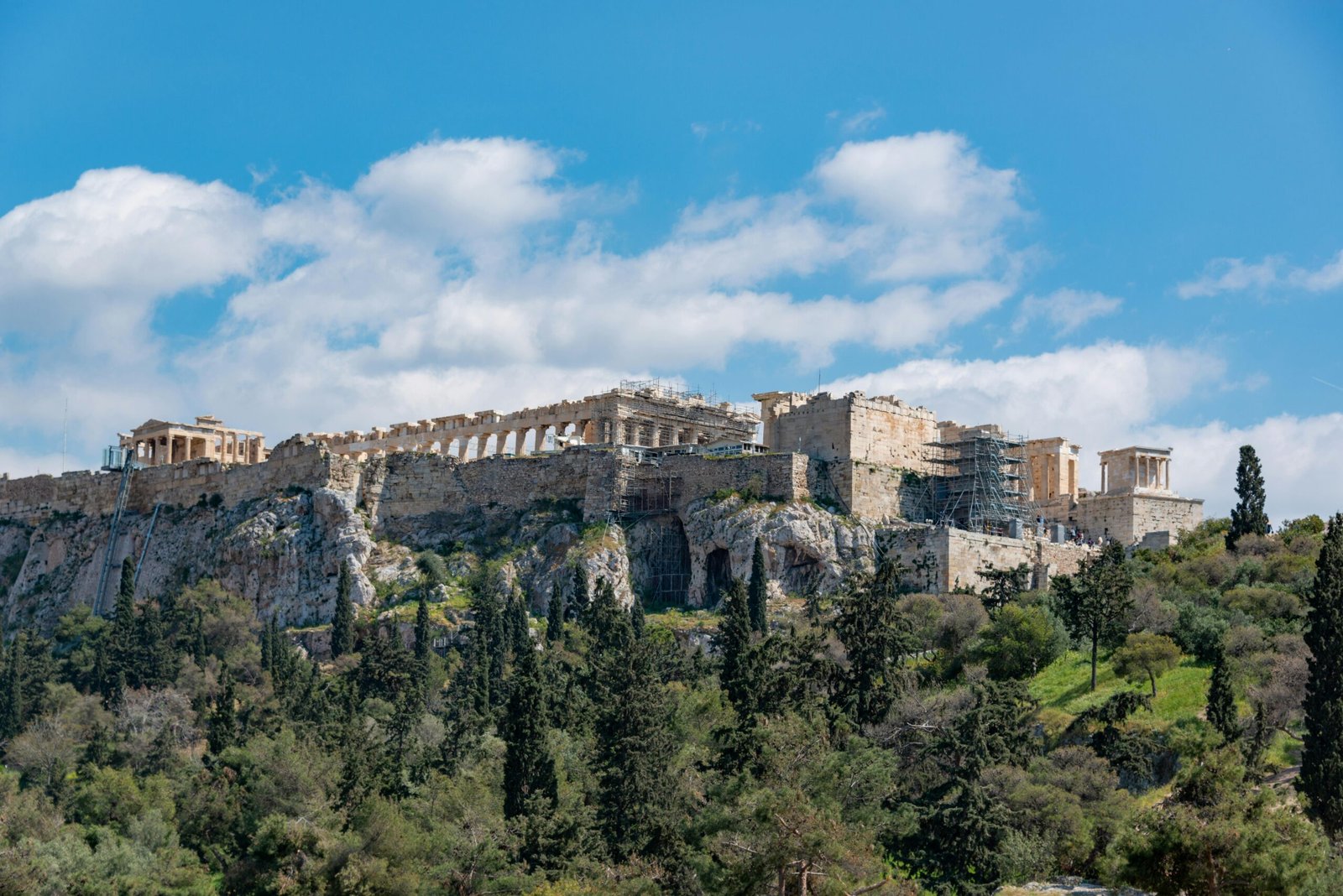
Why Athens Belongs at the Start, Not the End, of Greece is not a cute routing preference; it is the difference between a trip that settles into Greece properly and one that feels rushed at the finish. Athens is a city that resets your expectations fast: noise, scale, history, traffic, and real urban energy all hit immediately.
Put it at the end and too many travelers arrive tired, over-scheduled, and already thinking about flights home. Put it first and Athens does the work it is supposed to do: it calibrates the trip, strips away fantasy, and gives the rest of Greece the right frame.
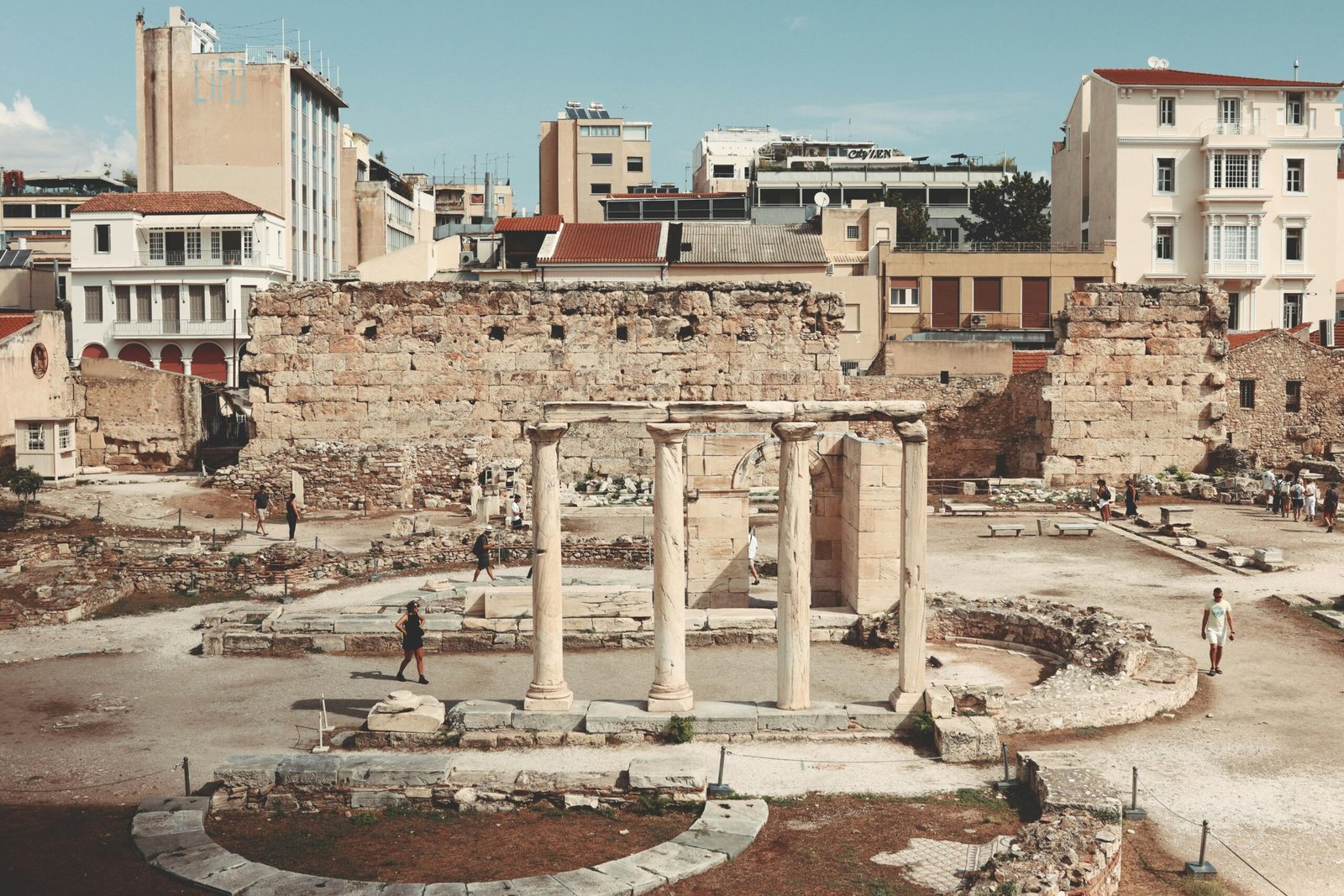

Why Athens Belongs at the Start, Not the End, of Greece
I will be blunt: Athens should almost always come first. That is the cleanest way to build a Greece trip that feels coherent instead of stitched together from wishful thinking. By the time travelers leave the capital, they understand the country’s pace, its density, and its practical realities far better than they do when they land straight on an island.
Why Athens Belongs at the Start, Not the End, of Greece is really about sequencing discipline. Athens gives you context before you spend money on slower, more expensive parts of the trip, and that context matters more than most first-timers realize.
Why Athens Belongs at the Start, Not the End, of Greece: the real reason
Athens changes the rhythm of a trip in a way no island can. It is not just a city to “do” before the beaches; it is the place that forces travelers to adjust their expectations about distance, pace, and how much can realistically be seen in a single day.
If you begin here, you stop treating Greece like one long postcard. You start seeing it as a country with layers: a working capital, island life, mainland realities, and very different levels of intensity from one place to the next. That makes every later decision better.
What travelers consistently get wrong
The first mistake is treating Athens as an add-on. People arrive planning to “just spend a night” in the city, then complain they did not connect with it. That is usually because they never gave Athens the role it actually plays: orientation, not decoration.
The second mistake is saving Athens for the end when energy is lowest. After islands, ferries, late dinners, and too many hotel changes, travelers often reach Athens with no patience left for a city that asks for attention. They see traffic, crowds, and museum fatigue instead of history and structure.
A third mistake is assuming the capital is interchangeable with the islands for a final few nights. It is not. Athens is sharper, busier, and less forgiving of sloppy planning, which is exactly why it works better when the trip still has momentum.
Neighborhoods that actually help shape the trip
Central Athens is where the city’s contradictions are most obvious. Syntagma and Plaka are the obvious names, but the better lesson is not about seeing famous sights; it is about understanding how close the old and the modern sit to each other, often uncomfortably.
Monastiraki is useful for travelers who need immediate texture, though it can feel chaotic if you are looking for elegance. Koukaki is more manageable and usually a better base for people who want to be near the major sites without being swallowed by the busiest streets.
Kolonaki shows the polished side of the city, but do not mistake polish for ease. It is a reminder that Athens is not one mood, and that matters when you are deciding whether to front-load or back-load the capital.
Psyrri and Exarchia are for travelers who want the city to feel lived-in, not staged. They are not for everyone, and that is the point: Athens works best when you see enough of its range to understand what kind of Greece you are actually in.
Why Athens belongs at the start, not the end, of Greece for planning reasons
Here is the practical consequence most travelers ignore: if Athens is left until the final nights, it becomes the trip’s pressure point. Any delay, any fatigue, any hotel mismatch, or any overpacked island schedule lands there at once, and the whole ending feels compressed.
Starting in Athens gives you a buffer. It lets you absorb jet lag, sort out your pace, and make smarter choices before you commit to more remote or more expensive parts of the itinerary. Greece rewards travelers who arrive with a plan, and Athens is where that plan should be tested.
It also changes spending behavior. Travelers who begin in the capital usually spend more deliberately afterward because they have already seen what a realistic day in Greece feels like. Travelers who save Athens for last often overspend earlier, then try to force a city stay into whatever time is left.
Who this suits
This approach suits first-time visitors, travelers combining islands with the mainland, and anyone who cares about context more than pure scenery. It also suits couples and small groups who want the trip to feel considered rather than improvised.
It does not suit travelers who want to land and immediately disappear into a resort bubble. It also does not suit people who dislike cities and expect Athens to behave like an island gateway with a few ruins attached. If that is the expectation, Athens will feel like an inconvenience.
- Best for: first-timers, culture-focused travelers, and anyone building a multi-stop Greece trip.
- Not ideal for: resort-only travelers, late-arrival jet-lagged guests, and people who want the capital as a quick afterthought.
A counterintuitive truth about Athens
The surprising thing is that Athens often feels easier at the beginning than at the end, even though most travelers assume the opposite. At the start, the city’s intensity is useful; by the end, the same intensity reads as friction.
That is why the capital should not be saved as a farewell. Athens is not the soft landing people imagine. It is a reset, and resets work best when you still have enough trip ahead of you to use the information.
What you gain, and what you give up
You gain structure, perspective, and a better read on the country before the slower parts of the journey begin. You also gain a stronger finish, because the islands or mainland stops that follow feel more intentional after Athens has set the tone.
What you give up is the fantasy of ending on a simple, easy note. Athens is not a neat goodbye. It is a city with edges, and if you place it correctly, those edges make the rest of Greece make sense.
For travelers who want to understand the country rather than merely pass through it, the capital deserves the first serious chapter. If you want the trip to feel grounded instead of improvised, start with Athens, then build outward. For a deeper planning reference, the official cultural context at the Ministry of Culture is worth checking before you lock anything in.
And if you want a better sense of how the city’s major sites fit together as part of a broader trip, the Acropolis Museum is not just a museum stop; it is a useful anchor for understanding why Athens changes the way the rest of Greece is experienced.
Most Greece trips follow the same tired script. The ones that don’t — the ones travelers still talk about years later — were built around a real understanding of how this country works. That kind of understanding takes time, or it takes someone who already has it.
Recommended experiences
Some experiences mentioned here are curated and managed by Elite Greece Travels.
- Athens Milos Itinerary — Itinerary (managed by Elite Greece Travels).
- Athens Milos Santorini Itinerary 9 Days — Itinerary (managed by Elite Greece Travels).
- Greece 7 Day Itinerary Athens Delphi Meteora Santorini — Itinerary (managed by Elite Greece Travels).
Frequently asked questions
Why does Athens work better at the start of a Greece trip?
Because it sets pace and context before you move into the slower, more expensive, or more remote parts of the country. You make better decisions afterward when Athens has already reset your expectations.
What do travelers usually get wrong about Athens?
They treat it as a quick add-on or save it for the end when they are already tired. That is when the city feels hardest to enjoy and easiest to misunderstand.
How many nights should Athens have in an itinerary?
Enough to feel the city, not just tick off one monument. Short-changing Athens is usually a planning error, not a time-saving win.
Which neighborhoods make the most sense for a first stay?
Koukaki, Syntagma, Monastiraki, Plaka, and Kolonaki each serve different traveler types. The right choice depends on whether you want convenience, atmosphere, or a more local feel.
Is Athens a good final stop before flying home?
Only for travelers who have already seen the city earlier in the trip and know exactly what they want from the final nights. For most people, it is a poor final stop because fatigue makes the city feel harsher than it is.
Who should not put Athens at the start?
Travelers who want to go straight into a resort stay and avoid city time altogether. If Athens is not part of the trip’s purpose, forcing it in just creates friction.