

Why Crete Is Harder to Plan Than People Think is simple: people treat it like one island, when in practice it behaves like several different trips stitched together. The scale is the first mistake. The second is assuming the same base works for beaches, food, culture, and relaxed pacing.
If you plan Crete like a compact island escape, you waste time and end up disappointed. If you plan it like a mainland region with distinct zones, you can make smart choices from the start.
Why Crete Is Harder to Plan Than People Think
I’ll be direct: Crete is one of the easiest places in Greece to get wrong. It looks straightforward on a map, but the island’s size, uneven development, and sharply different regions make generic planning fail fast. Why Crete Is Harder to Plan Than People Think is not a slogan; it is the reason so many first-timers come home saying they “liked it” rather than really using it well.
The biggest mistake is trying to cover too much ground while still expecting a restful holiday. Crete is not a place where you casually “see the highlights” and feel finished. You need to choose a side of the island, a style of stay, and a realistic pace, or you end up spending the trip reacting to distance instead of enjoying the place.
Why Crete Is Harder to Plan Than People Think: the scale problem
Crete is not difficult because it lacks options. It is difficult because those options are spread across a very large island with real regional character. Chania, Rethymno, Heraklion, Agios Nikolaos, Elounda, and the south coast are not interchangeable bases, and people who pretend they are usually book the wrong one.
What travelers consistently get wrong is assuming one base can serve every purpose. A family chasing easy beaches, a couple wanting good food and a walkable old town, and a traveler focused on archaeology will not all be happy in the same place. Why Crete Is Harder to Plan Than People Think becomes obvious once you realize that “Crete” is a destination label, not a single experience.
The practical consequence is simple: bad sequencing creates fatigue. You lose more than time when you keep changing priorities mid-trip; you also lose the feeling that the trip has a clear shape. That is why expert routing matters here more than on smaller islands.
The two planning errors I see most often
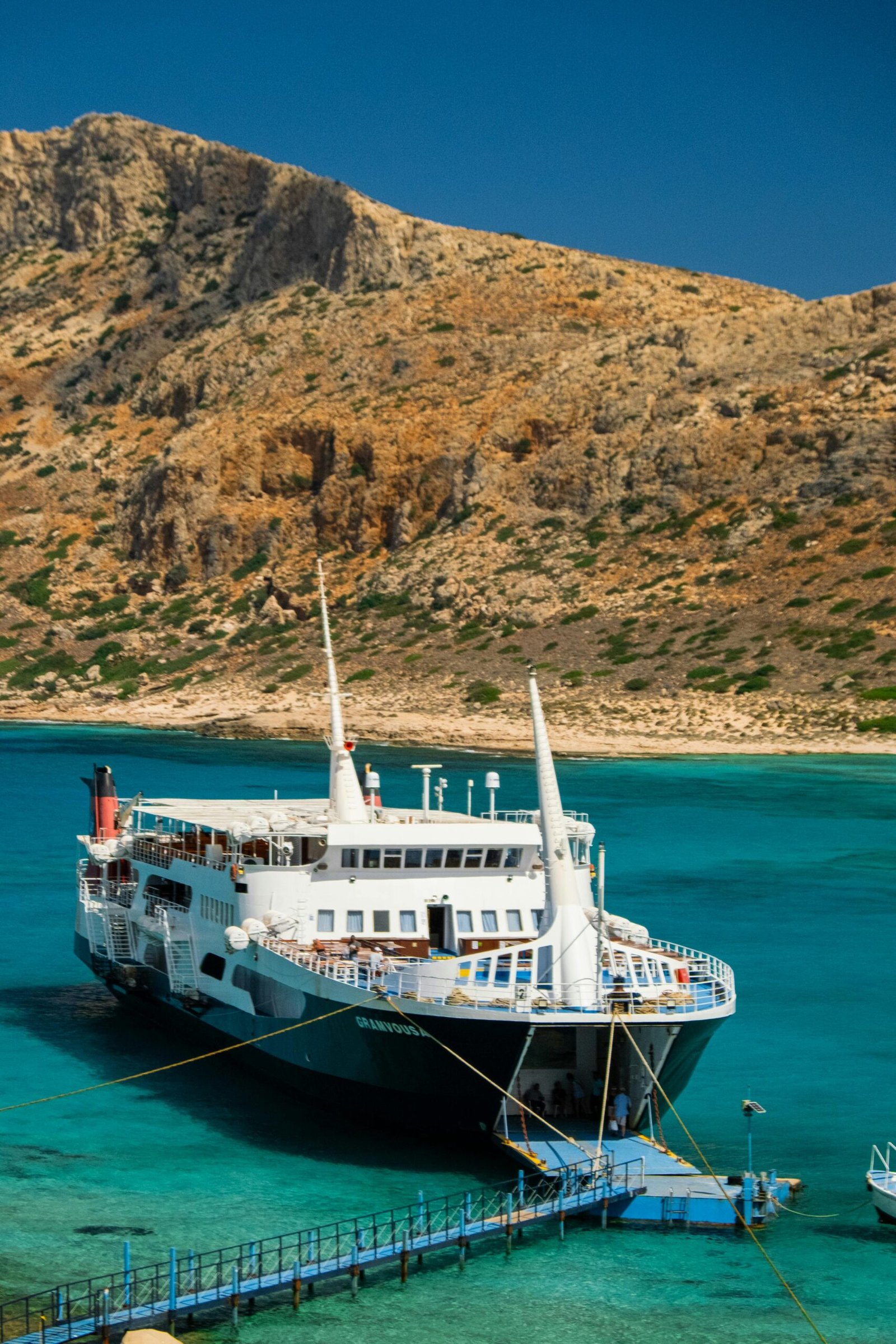
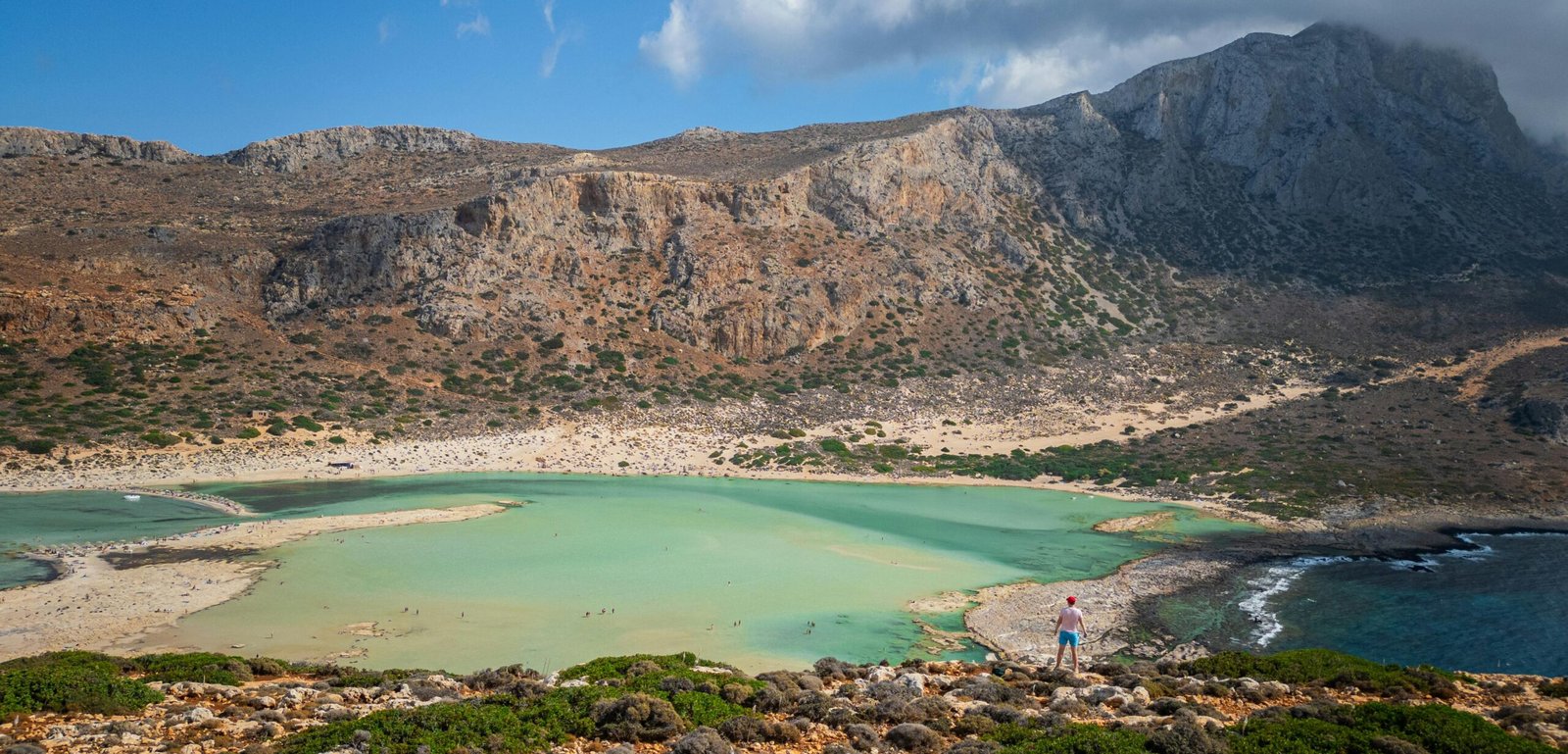
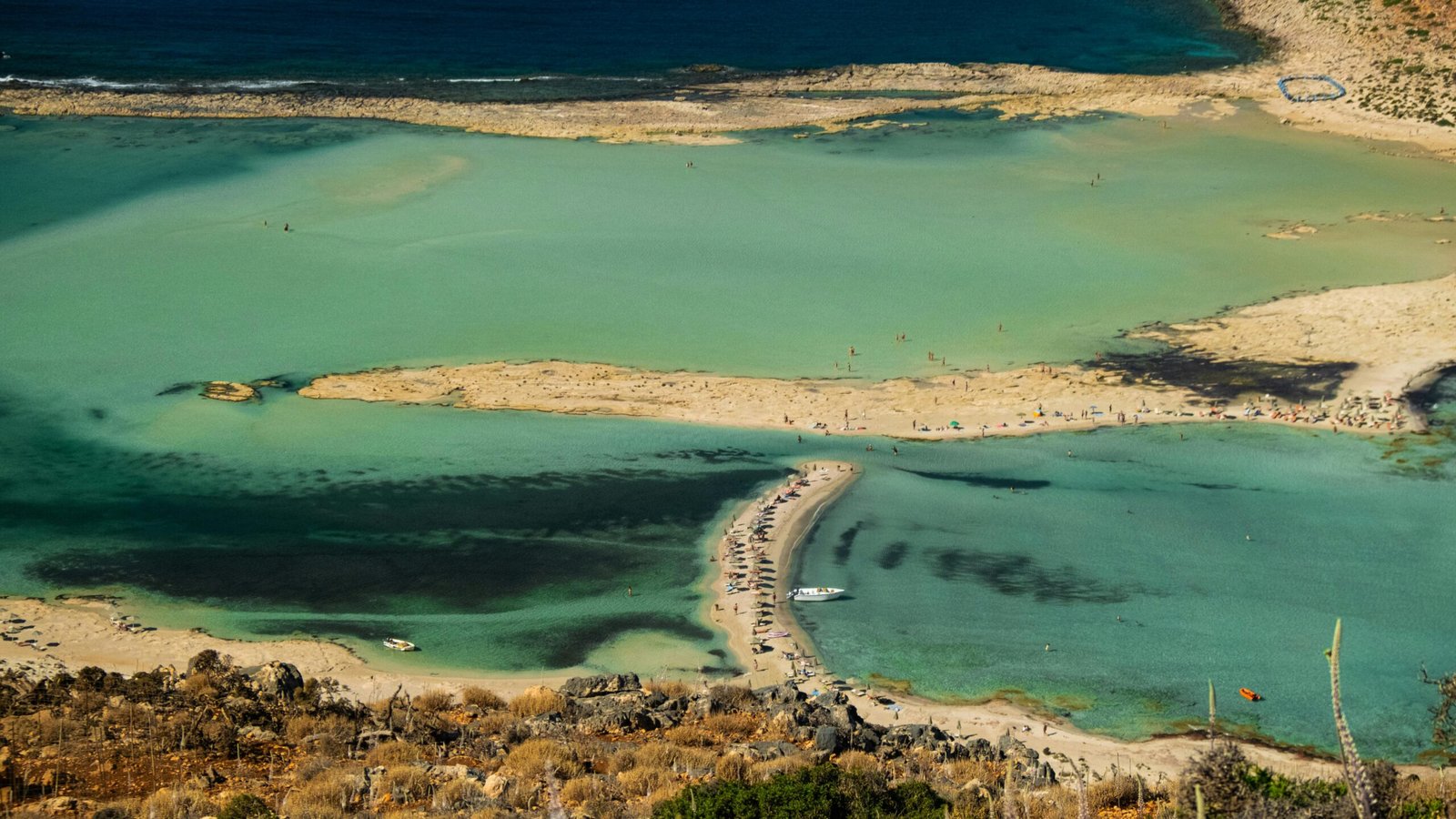
The first error is overpacking the itinerary with famous names and treating them as if they were close together. Elafonissi, Balos, the Samaria area, Knossos, and the Lassithi side all belong to very different planning conversations. People often think they are being efficient; in reality they are building a trip that spends too much energy on movement and not enough on place.
The second error is choosing accommodation by price alone and ignoring the character of the area. Staying in the wrong part of Heraklion, or picking a beach zone that looks convenient but feels dead at night, can flatten the whole experience. In Crete, location is not a minor detail. It determines whether your trip feels coherent or constantly off-balance.
For official context on sites and protected heritage, I always tell clients to cross-check with the Greek Ministry of Culture before they build the cultural side of the trip around assumptions. Crete has enough real history to justify a serious plan, but not every place that sounds important is actually practical for every traveler.
What each major area gives you, and what you give up
Chania suits travelers who want a stronger mix of old-town atmosphere, food, and access to the western side of the island. The trade-off is that people often treat it as a universal base, then complain that the east feels too far away. That complaint is usually self-inflicted.
Rethymno is a better fit for travelers who want a more balanced pace and a town that feels less compressed than Chania. You gain easier day-to-day flow and lose some of the sharper energy that draws people to the west. Heraklion works for travelers who care about museums, Knossos, and a more urban rhythm, but it is not the best choice for anyone expecting a polished resort feel.
Elounda and Agios Nikolaos suit travelers who want a more resort-oriented eastern base with a calmer tone. The trade-off is that you are buying convenience and polish, not broad variety. The south coast, including places like Paleochora and Plakias, suits travelers who want space and a slower tempo, but they should accept that this is not the most flexible part of Crete for first-time visitors.
One counterintuitive truth about Crete
The surprising thing is that the most “comfortable” Crete trip is often not the one with the most famous beaches. It is the one with fewer ambitions and a better base. Travelers who insist on checking off the big-name spots usually end up with the least satisfying version of the island because they never stay still long enough to feel its rhythm.
That is why Why Crete Is Harder to Plan Than People Think is also a warning about ego. People arrive wanting to prove they have seen the island properly. The better move is to choose a region that matches your actual travel style and accept that you will not do everything. That trade-off is what makes the trip work.
If you want a broader sense of how Crete fits into the country’s wider travel patterns,
Visit Greece is useful for orientation. The point is not to collect ideas; it is to avoid building a plan that ignores how large and varied the island really is.
Who this suits
Crete suits travelers who are comfortable making choices and living with them. It works well for couples who want food, beaches, and a strong sense of place, for families who prefer one solid base over constant moving, and for repeat Greece visitors who already know they do not need every day to look different.
It does not suit travelers who want a very compact island with easy, low-decision movement. It also frustrates people who want to “do Crete” in the same way they would do a smaller Cycladic island. If you need everything close together and highly curated, Crete will feel more demanding than relaxing.
- Best for: travelers who value regional character, food, and a slower, more deliberate pace.
- Less suitable for: first-timers who want a single compact base for every kind of experience.
- Best fit by style: couples, families with patience, repeat visitors, and travelers who dislike overprogrammed trips.
What travelers underestimate about timing
Season matters more here than most people admit. In shoulder season, Crete can be excellent for culture, food, and calmer stays, but some beach-focused expectations are misplaced. In peak summer, the island absorbs crowds better than many smaller places, yet the wrong base or the wrong ambition still creates friction.
People also underestimate how quickly a “relaxed” plan can become a logistical mess when they mix distant priorities. A trip built around west coast beaches, central cultural sites, and east coast resort stays sounds balanced on paper. In practice, it often feels fragmented and tiring. Why Crete Is Harder to Plan Than People Think is exactly why a clean regional focus usually beats a long wish list.
My position is firm: if you only have limited time, do not try to make Crete behave like a sampler platter. Pick one region and let the island’s size work for you instead of against you. That approach gives you a better trip than a rushed attempt to see everything.
Conclusion
Crete rewards travelers who understand that scale changes everything. The island is not hard because it lacks beauty, food, or culture. It is hard because those strengths are spread across different zones that do not all serve the same kind of trip. Why Crete Is Harder to Plan Than People Think is the right question to ask before you book, not after you arrive.
Most Greece trips follow the same tired script. The ones that don’t — the ones travelers still talk about years later — were built around a real understanding of how this country works. That kind of understanding takes time, or it takes someone who already has it.
Recommended experiences
Some experiences mentioned here are curated and managed by Elite Greece Travels.
- Best Of Greece Athens Paros Crete 7 Day Itinerary 6 Nights — Itinerary (managed by Elite Greece Travels).
- Athens Mykonos Santorini Crete Itinerary 9 Days — Itinerary (managed by Elite Greece Travels).
- Athens Santorini Crete Itinerary 7 Days — Itinerary (managed by Elite Greece Travels).
Frequently asked questions
Why is Crete harder to plan than other Greek islands?
Because it is large, regionally varied, and better treated like several destinations in one. A generic island plan usually ignores distance, local character, and the fact that different areas suit different travel styles.
What is the biggest mistake first-time visitors make in Crete?
They try to fit too much into one trip and choose a base without thinking through what that area actually offers. That usually leads to long days, weak pacing, and a trip that feels more tiring than it should.
Which part of Crete is best for a first visit?
For many first-timers, Chania or Rethymno is the most practical starting point because they offer a strong mix of town life, food, and access to the western side of the island. That said, the best choice depends on the kind of trip you actually want.
Is Crete better for beaches or culture?
It is strong at both, but not in the same place. The west is often better for iconic beaches and a more layered visitor experience, while Heraklion and central Crete are stronger for archaeology and museum-focused travel.
Can you do Crete well with a short trip?
Yes, but only if you narrow the scope. Short trips fail when travelers try to cover both ends of the island or mix too many competing priorities.
Who should avoid a complicated Crete plan?
Travelers who want a compact, easy island with minimal decision-making should be cautious. Crete works better for people willing to choose a region and accept that they will not see everything.