

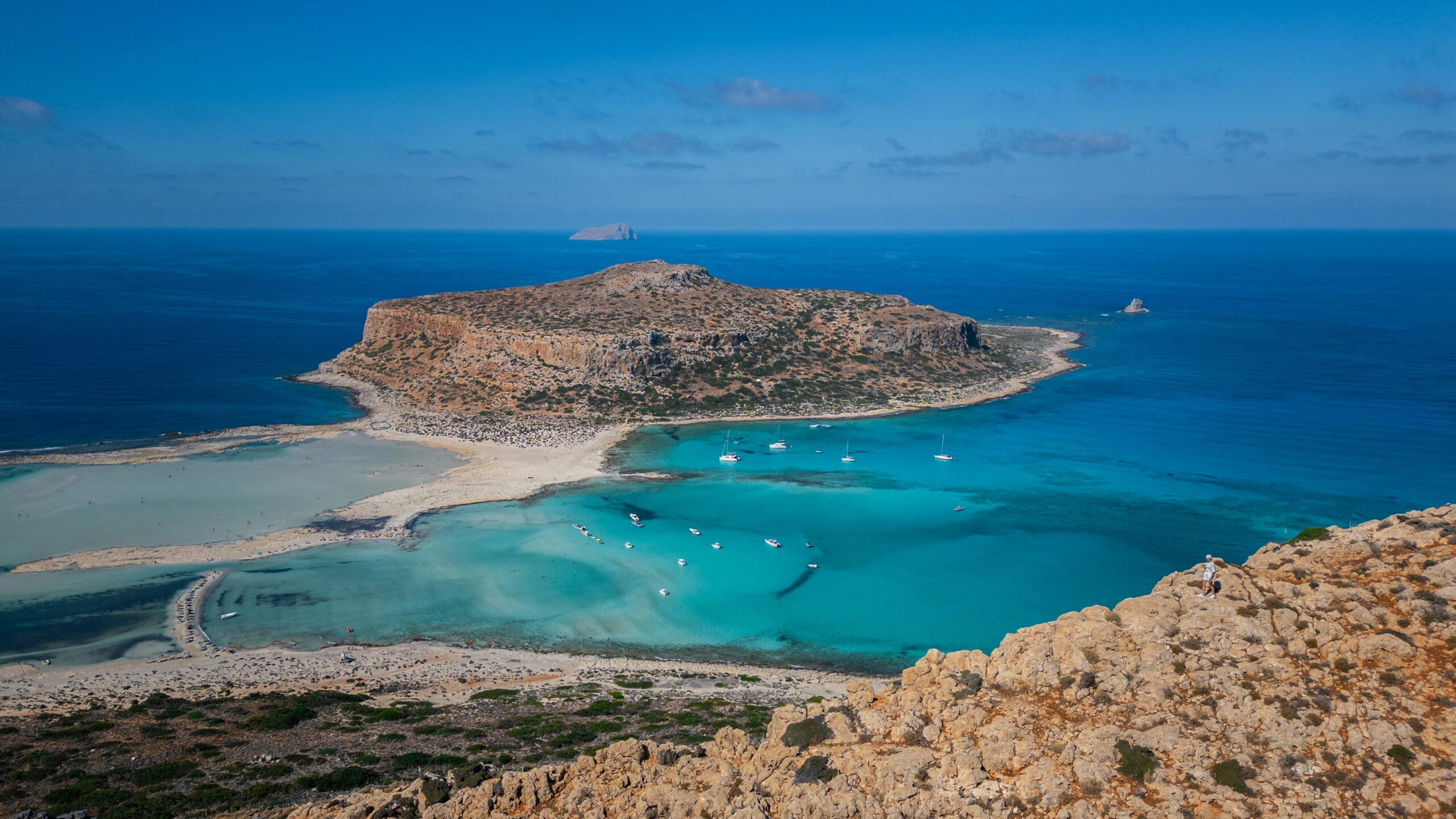
Why Crete Is the Hardest Greek Island to Plan Well because it tricks people into thinking it behaves like the smaller islands they already know. It does not. Crete is large, uneven, and divided into regions that feel like different islands if you plan badly.
The most common mistake is treating Crete as a single base-and-explore destination. The second is underestimating how much your accommodation location shapes the whole trip. If you get those two things wrong, the island feels more tiring than it should.
Why Crete Is the Hardest Greek Island to Plan Well
Crete is the island most travelers underestimate, and I mean that literally. It looks manageable on a map, then people arrive and realize they have built a trip around assumptions, not geography. Why Crete Is the Hardest Greek Island to Plan Well is not a theory; it is the most common planning failure I see.
My position is simple: Crete only works well when the trip is designed around regions, not wishful thinking. If you try to treat it like a compact island with one “best” base, you usually waste time, choose the wrong area, or both. That is the price of ignoring scale.
Why Crete Is the Hardest Greek Island to Plan Well: scale is only the beginning
Crete is not difficult because it is confusing. It is difficult because it is too easy to make a confident but wrong plan. Chania, Rethymno, Heraklion, and the far west or far south are not interchangeable, and that matters more than most travelers realize.
The island’s size creates a planning problem that smaller islands simply do not have. A traveler who wants a relaxed beach week, a food-focused trip, and a bit of culture can absolutely do that in Crete, but not by treating every area as equally convenient. That is where trips start to unravel.
People also underestimate how much time they lose by choosing the wrong area for their priorities. Stay in the wrong part of Chania for a beach-heavy trip and you spend too much energy moving around. Stay too far outside Rethymno for a culture-and-dining trip and you end up with an awkward base that feels neither scenic nor practical.
What travelers consistently get wrong
The first mistake is assuming distance on Crete works the same way it does on a smaller island. It does not. Crete has long east-west stretches, and the island’s shape creates more friction than first-time visitors expect.
The second mistake is choosing accommodation for photos instead of function. A pretty stay in the wrong part of Chania can be a poor choice if you care about easy evenings out. A resort that looks ideal near Heraklion may be a weak fit for travelers who actually want atmosphere and walkability.
The third mistake is trying to “see Crete” in one sweep and calling that efficient. It usually is not. You get more stress, less depth, and a trip that feels rushed even when the days look full on paper.
The places that matter most when planning Crete
If you are serious about planning Crete well, the names that matter are not just the famous ones. Chania works for travelers who want a stronger old-town feel and easier access to the west. Rethymno suits people who want a more balanced base, with enough dining and a less chaotic pace.
Heraklion is often judged too quickly. It is not the prettiest city on the island, and I would not choose it for a romance-first trip, but it makes sense for travelers prioritizing museums, central access, or a more practical urban base. Elounda is a different proposition altogether: polished, expensive, and better for travelers who want resort quality over local texture.
Then there is the south, including places like Paleochora and Agia Galini, which attract a very specific kind of traveler. These areas reward people who want a quieter, less packaged Crete. They punish people who want constant convenience, broad dining choice, or an easy “do everything” base.
For official context on the island’s cultural weight and visitor-facing information, the national tourism site
Visit Greece is a useful starting point, but it will not tell you where most travelers make bad assumptions. That part still requires judgment.
Who this suits
Crete suits travelers who are comfortable making trade-offs. If you like choosing a base with a clear purpose, staying put long enough to understand a region, and accepting that you will not “cover everything,” Crete can be excellent. It also suits repeat Greece visitors who already know that bigger islands need more discipline.
It does not suit travelers who want a simple, low-decision island escape with minimal planning. It is also a poor fit for people who get frustrated when a destination forces them to choose between convenience and variety. Families, food-focused travelers, and couples can all do well here, but only if the trip is built around the right part of the island.
- Best fit: travelers who value regional variety, longer stays, and a more serious planning process.
- Poor fit: first-timers expecting a small-island experience, or anyone who wants to change bases constantly without losing time.
A counterintuitive truth about Crete
The surprising thing about Crete is that the most “efficient” plan is often the least efficient in practice. Packing too much into one trip usually creates more movement, more decision fatigue, and less actual enjoyment. A slower plan with fewer objectives often gives you more of the island, not less.
This is where Why Crete Is the Hardest Greek Island to Plan Well becomes obvious. The island looks like a place where you can do everything if you are organized enough. In reality, the travelers who enjoy it most are usually the ones who accept that some parts of Crete should be left for another trip.
That is the counterintuitive part: restraint is not a compromise here. It is the only way to get a trip that feels coherent instead of fragmented.
What you gain, and what you give up
When you plan Crete well, you gain range. You can build a trip around beaches, food, history, mountain villages, or a more upscale resort stay, and the island can support all of that. Few Greek islands offer that much variety in one place.
What you give up is simplicity. Crete asks you to choose your base carefully, accept that some areas are better for certain goals than others, and stop pretending the island is one uniform experience. If you want one neat answer for the whole island, you are asking the wrong question.
For travelers who care about cultural depth, it is worth understanding that Crete’s identity is not just a beach product. The island has serious historical weight, and the institutions that preserve and present that side of Greece matter, including the resources available through the Ministry of Culture. If your trip ignores that dimension entirely, you are leaving a lot on the table.
Conclusion
Why Crete Is the Hardest Greek Island to Plan Well is really a warning about overconfidence. The island is generous, but it is not forgiving of lazy assumptions. Choose the wrong area, expect too much movement, or try to force a one-size-fits-all plan onto it, and Crete will feel harder than it should.
Most Greece trips follow the same tired script. The ones that don’t — the ones travelers still talk about years later — were built around a real understanding of how this country works. That kind of understanding takes time, or it takes someone who already has it.
Recommended experiences
Some experiences mentioned here are curated and managed by Elite Greece Travels.
- Best Of Greece Athens Paros Crete 7 Day Itinerary 6 Nights — Itinerary (managed by Elite Greece Travels).
- Athens Mykonos Santorini Crete Itinerary 9 Days — Itinerary (managed by Elite Greece Travels).
- Athens Santorini Crete Itinerary 7 Days — Itinerary (managed by Elite Greece Travels).
Frequently asked questions
Why is Crete harder to plan than other Greek islands?
Because it is large, regionally varied, and easy to misread. Travelers often assume it works like a compact island, then discover that base location and trip length matter far more than expected.
What do travelers get wrong most often about Crete?
They underestimate scale, choose accommodation for looks instead of function, and try to see too much in one trip. Those mistakes create unnecessary movement and a trip that feels rushed.
Which parts of Crete are best for first-time visitors?
Chania and Rethymno are usually the safest first choices for travelers who want a mix of atmosphere, dining, and practical access. Heraklion makes sense for a more functional base, while the south suits quieter, less polished trips.
Is Crete good for a short trip?
Yes, but only if the plan is narrow. Short trips fail when travelers try to cover the whole island instead of focusing on one region and one clear style of travel.
Who should avoid planning Crete as a one-base island?
Travelers who want to change scenery constantly, or who expect a small-island feel, usually struggle. Crete works better for people who accept regional focus and fewer moving parts.
What is the biggest practical mistake people make in Crete?
They choose the wrong accommodation area. That one decision can affect walkability, dining access, beach access, and how much time the trip wastes.