

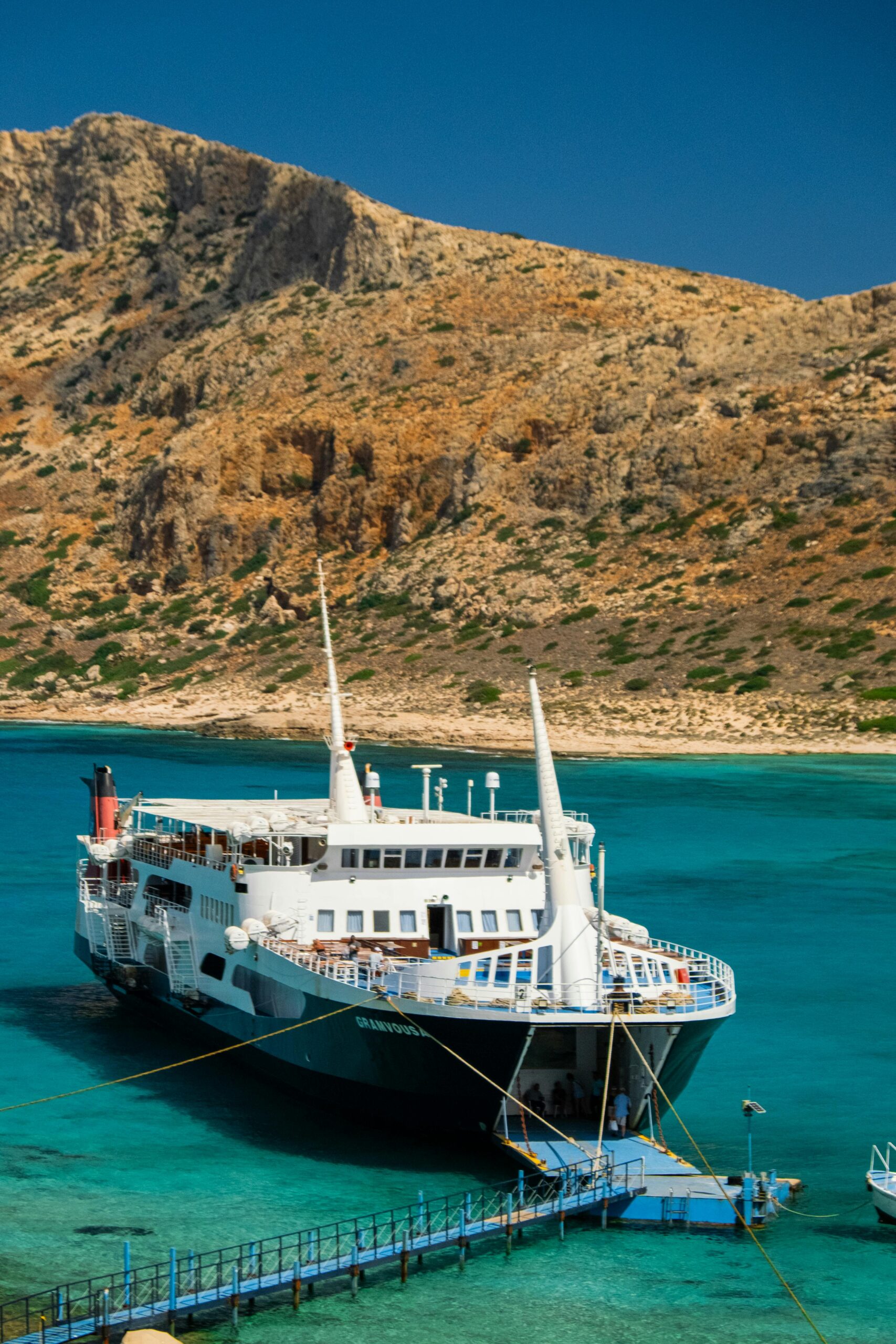
Why July and August Are the Worst Months to Experience Crete Authentically is a truth many seasoned travelers overlook. These months bring throngs of tourists and relentless heat that obscure the island’s real rhythm. For those seeking a genuine connection with Crete’s culture and landscape, the peak summer crush often delivers disappointment rather than delight.
Why July and August Are the Worst Months to Experience Crete Authentically
The Overwhelming Crowds That Eclipse Local Life
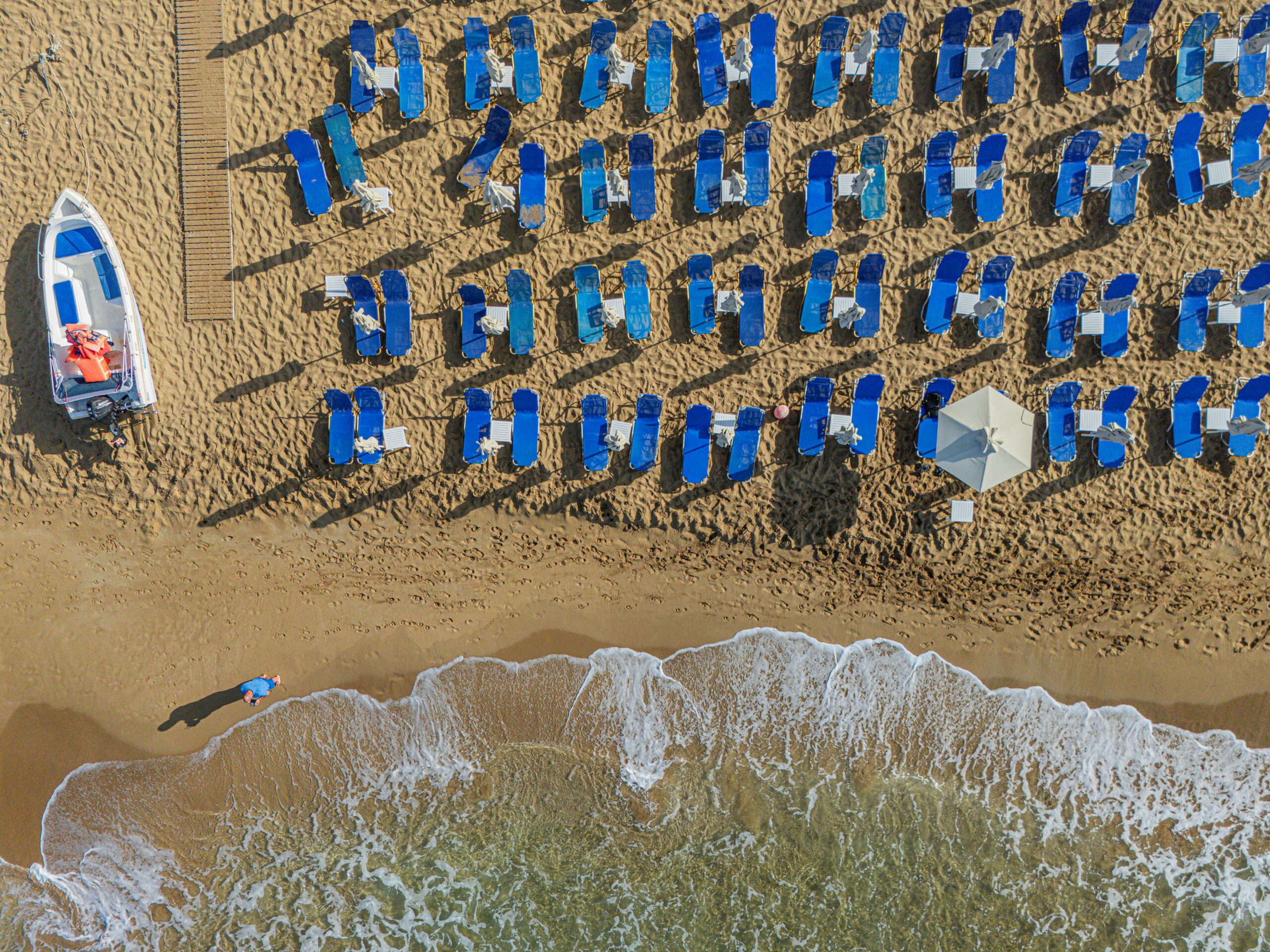
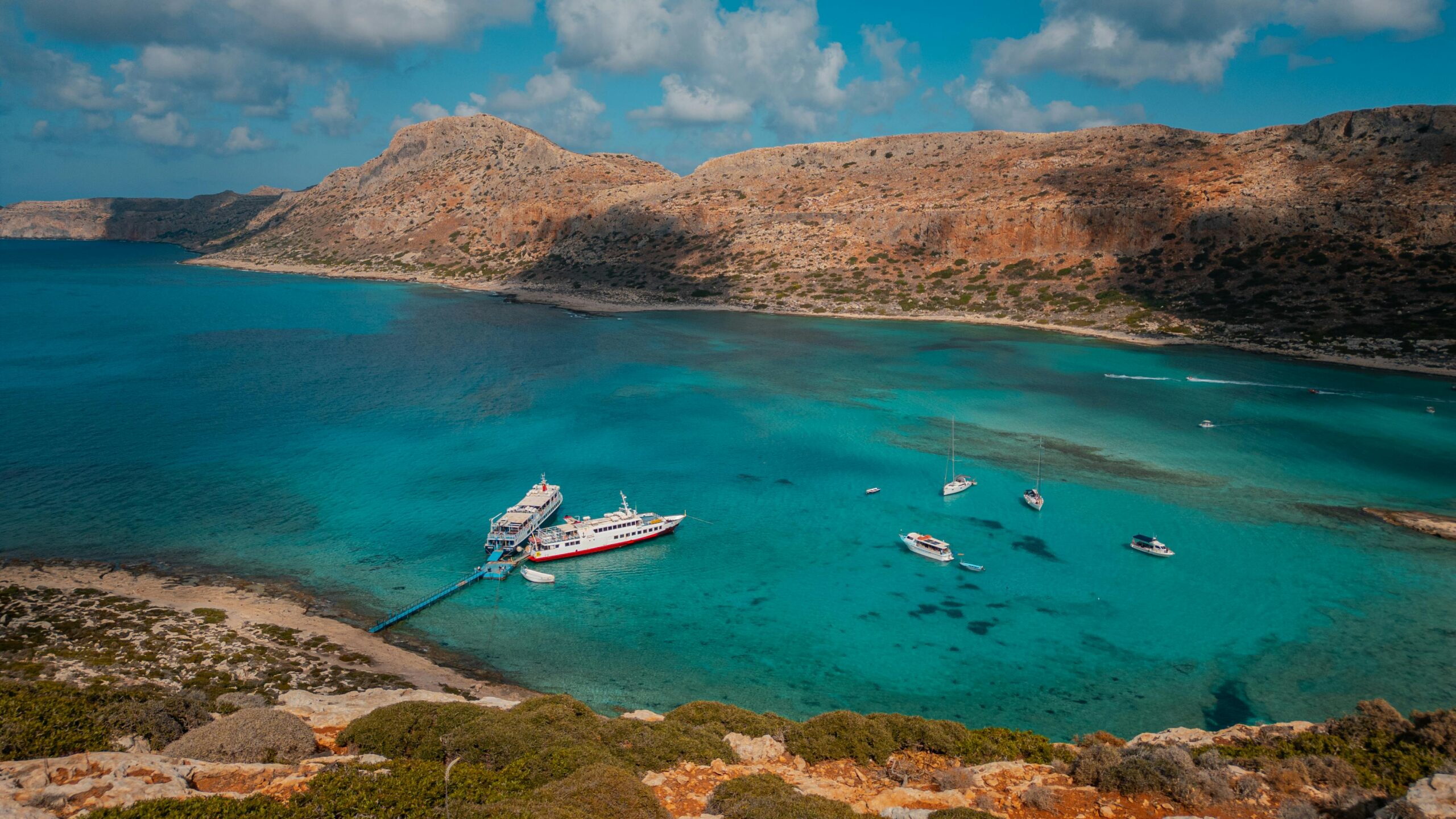
July and August turn Crete into a magnet for mass tourism, which distorts the island’s character. The influx of visitors, especially in popular spots like Elounda, Chania’s Old Town, and the beaches of Balos, often means local traditions are sidelined to accommodate tourist expectations. What many fail to realize is that authentic Cretan life doesn’t thrive amid packed tavernas and crowded beaches—it resurfaces when the crowds thin.
Scorching Heat That Drains the Experience
Mid-summer heat in Crete is intense, often exceeding 35°C (95°F). This heat doesn’t just test endurance; it forces locals to retreat indoors during the day, reducing opportunities for spontaneous cultural encounters or leisurely exploration. The emotional texture of the island in July and August is one of exhaustion and haste, quite unlike the calm mornings and cool evenings you find in shoulder seasons.
Why July and August Are the Worst Months to Experience Crete Authentically: A Closer Look at Seasonality
Understanding Crete’s seasons is crucial. Spring and late September to October reveal a different island—verdant, lively, and deeply connected to its agricultural roots. Places like the Lassithi Plateau and the village of Archanes come alive with festivals and local markets that July and August’s tourist tide often buries beneath commercial noise. The trade-off is clear: visiting in peak summer means guaranteed sunshine and social energy at the expense of genuine cultural immersion.
Common Misconceptions That Lead to Disappointment
Travelers often believe that Crete’s famed beaches and nightlife peak in July and August, yet this misconception leads to overcrowded scenes and inflated prices. Another mistake is assuming that all coastal towns offer the same authentic experience; for example, Agios Nikolaos feels very different in high season compared to the quieter, more traditional village of Kritsa, which hosts fewer tourists year-round.
The Emotional Reality: What You Actually Feel
Visiting Crete in July or August often feels like navigating a theme park rather than a living island. The genuine warmth of Cretan hospitality can be diluted when locals are overwhelmed or fatigued by the tourist influx. In contrast, visiting when the island breathes—when families gather in village squares and local artisans open their doors—imbues your trip with a sense of connection and timelessness.
Who This Suits: Matching Your Travel Style to Crete’s Rhythm
July and August suit travelers who prioritize guaranteed beach weather and don’t mind sharing their experience with large crowds. Those enamored by nightlife and festival atmospheres may find high summer appealing. Conversely, travelers seeking quiet reflection, authentic cultural exchanges, or hiking in cooler conditions will find the shoulder seasons infinitely more rewarding.
Balancing Trade-offs: What You Gain and What You Lose
Choosing July or August means basking in long days and vibrant social scenes but sacrificing intimacy and authenticity. Off-peak visits offer cooler temperatures, fewer crowds, and more meaningful interactions, yet some remote villages and seasonal businesses close during these months. For a nuanced understanding of Crete’s cultural calendar, resources like the Ministry of Culture provide valuable insights beyond the tourist brochures.
Conclusion
Crete’s essence is best savored when the island is not overwhelmed by tourists and oppressive heat. Timing your visit outside July and August reveals layers of local life and landscape that peak summer obscures. Greece rewards travelers who arrive with a plan built around how they actually travel — not a generic template. The difference between a frustrating trip and a remarkable one often comes down to sequence, timing, and knowing which trade-offs matter for your situation.
For deeper context on the island’s historical and cultural backdrop that shapes its rhythms, the Acropolis Museum offers extensive resources to enrich your journey.
Frequently asked questions
Why are July and August so crowded in Crete?
These months coincide with the European summer holidays, attracting mass tourism due to guaranteed sunshine and school vacations, which overwhelms popular destinations.
Is the weather too hot to enjoy Crete in July and August?
Yes, daytime temperatures often soar above 35°C (95°F), making outdoor activities tiring and pushing locals indoors during peak heat hours.
Can I experience authentic Cretan culture during July and August?
Authentic experiences are limited during these months because local traditions are often adapted to tourist demands and many locals retreat from public life due to heat and crowds.
What are better months to visit Crete for a genuine experience?
Late spring (May to early June) and early autumn (September to October) offer milder weather, fewer tourists, and vibrant local culture.
Are there places in Crete less affected by summer crowds?
Yes, inland villages like Archanes and Kritsa maintain more traditional lifestyles year-round and are less impacted by tourist influx.
Do businesses close outside of the peak summer months?
Some coastal tourist-oriented businesses do close or reduce hours off-season, which is part of the trade-off when visiting for authenticity.
How can I best prepare to visit Crete outside of July and August?
Research local events and seasonal openings in advance to align your visit with cultural activities and ensure access to desired services.