

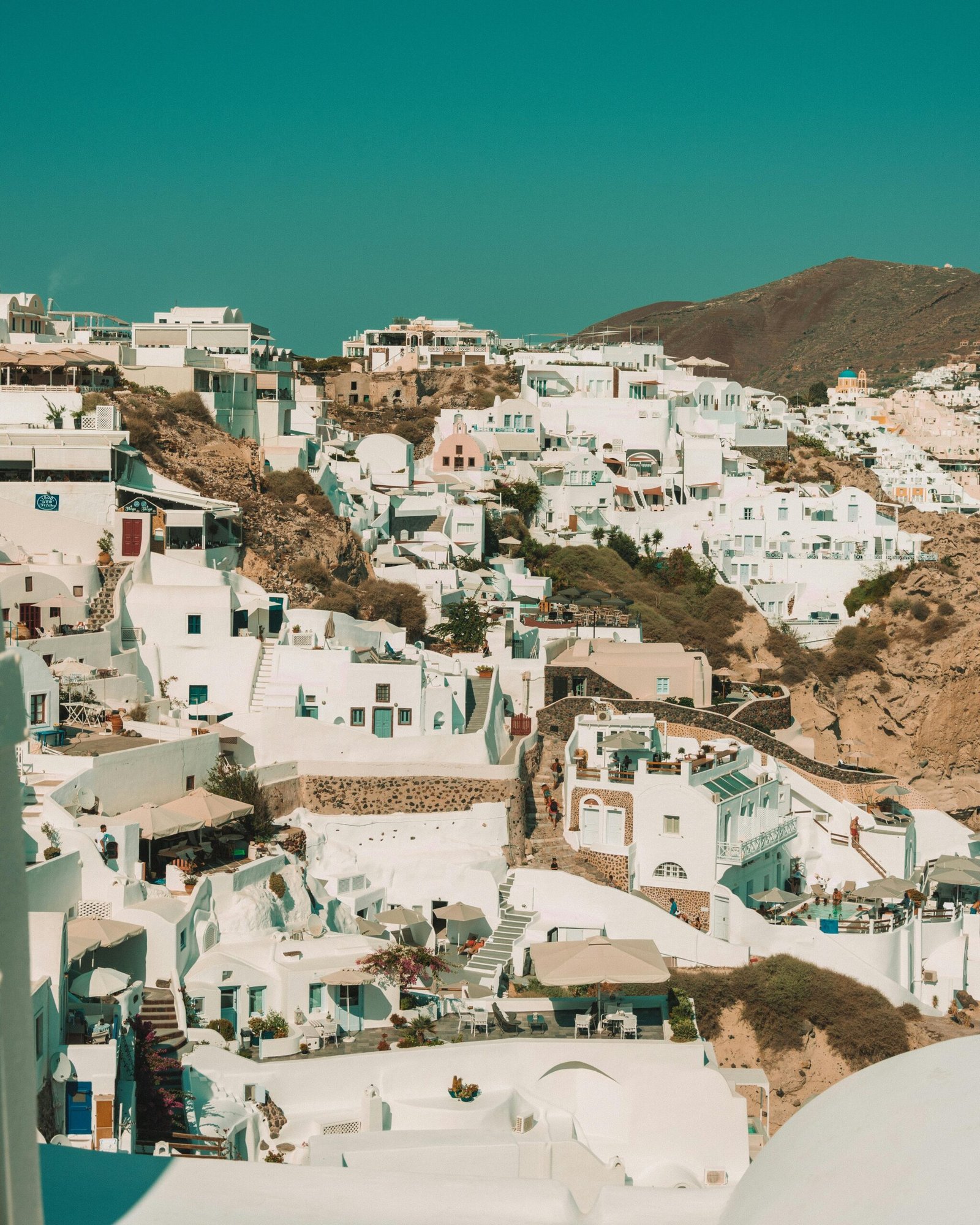
Why Most First-Timers to Santorini Leave Slightly Disappointed starts with a simple mistake: people confuse a famous image with a reliable travel experience. They arrive expecting the island to perform the same way it looks in photos, then feel let down when crowding, heat, and price shape the day more than the view does.
The disappointment is usually not dramatic. It is quieter than that — a slow realization that Santorini is not built for easy, casual visiting in peak season. The island can still be worth it, but only if you understand what kind of trip you are actually buying.
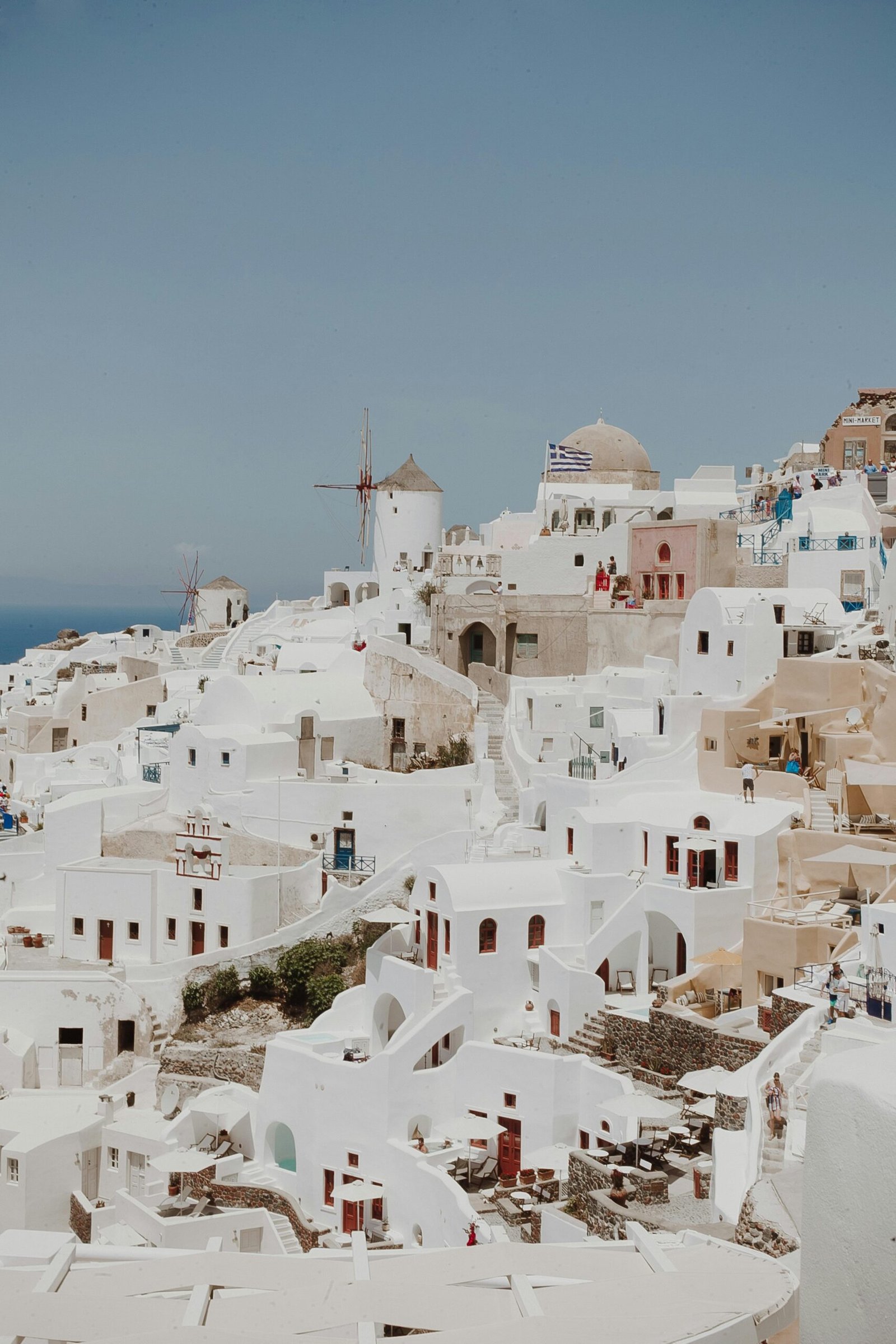
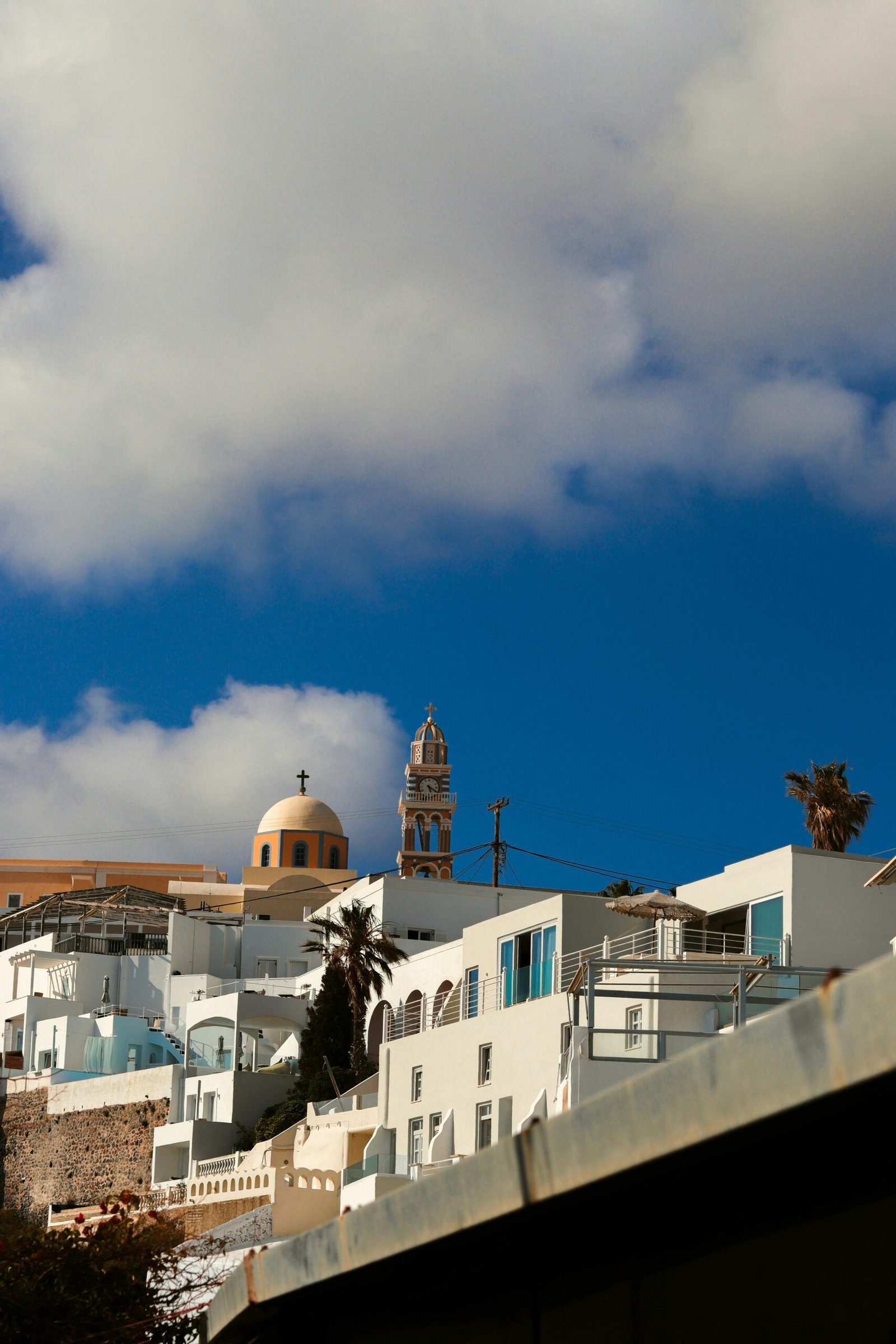
Why Most First-Timers to Santorini Leave Slightly Disappointed
First-timers usually do not choose Santorini by accident. They choose it because it feels like the safest possible Greece decision: famous, photogenic, easy to recognize, and heavily recommended by people who have never had to manage the island in July. That is the psychological trap. The destination is sold as an image, but the lived experience is shaped by timing, density, and a very specific kind of visitor pressure.
The real issue is expectation management, not quality. Santorini is not a weak destination; it is a destination that gets punished by overconfidence. Why Most First-Timers to Santorini Leave Slightly Disappointed is not a mystery of taste. It is a mismatch between what travelers think they are buying and what the island can actually deliver in peak season.
The assumption underneath Why Most First-Timers to Santorini Leave Slightly Disappointed
The core assumption is emotional, not logistical: “If a place is this famous, it must be easy to enjoy.” Travelers assume fame equals comfort, and comfort equals satisfaction. In Santorini, that logic breaks down fast.
People also assume the island will feel expansive enough to absorb the crowds. It does not. Santorini is compact, heavily concentrated, and extremely sensitive to volume. When thousands of visitors want the same sunset, the same viewpoint, and the same terrace, the island stops feeling like a destination and starts feeling like a queue with a view.
What people underestimate most is how much their mood is shaped by friction. A beautiful place that requires constant negotiation feels less beautiful by the end of the day. That is why Why Most First-Timers to Santorini Leave Slightly Disappointed is often really about the emotional cost of congestion.
Why people keep making the same Santorini choice
There is a social pressure around Santorini that is stronger than most travelers admit. It feels like a trip you are supposed to take, especially if this is your first time in Greece. People do not just want a holiday; they want a recognizable proof that they chose correctly.
That pressure creates a bad planning bias. Instead of asking what kind of Greece trip they actually want, travelers ask whether Santorini is “worth it,” which is the wrong question. The better question is whether they want a high-density, high-cost, high-expectation island experience or a more relaxed first encounter with Greece.
There is also a fear of missing out. Many first-timers worry that if they skip Santorini, they are skipping Greece itself. That is nonsense, but it is a powerful marketing effect. The island has been turned into shorthand for the country, and people make decisions based on shorthand all the time.
The emotional gap: what travelers expect versus what they actually feel
Before arrival, many travelers imagine relief. They picture a clean break from work, a place where everything lines up neatly, and a few days of effortless pleasure. What they often feel instead is hyper-awareness: of crowds, of prices, of time slipping away, and of the fact that every “special” moment is shared with a lot of other people.
That gap matters because disappointment is rarely about one bad meal or one busy street. It is about the cumulative effect of being made to work for an experience you expected to receive passively. Santorini asks for attention, patience, and tolerance for inconvenience. First-timers often arrive wanting release, not effort.
A surprising truth: many people are not disappointed because Santorini is overrated. They are disappointed because they are too exhausted by the island’s social choreography to enjoy what is actually in front of them. That is a very different problem, and it is why Why Most First-Timers to Santorini Leave Slightly Disappointed keeps repeating itself year after year.
The moment disappointment usually hits
The crack in the fantasy usually happens in a very ordinary moment, not during some grand reveal. It might be the first time a traveler realizes how crowded a famous viewpoint is, or the moment they see how much effort it takes to get a simple dinner reservation in peak season. That is when the island stops feeling intimate and starts feeling managed.
For many, the real disappointment lands at sunset. Not because the sunset is bad, but because the emotional script collapses. They expected a private, almost cinematic pause in the day. Instead, they get heat, noise, shoulder-to-shoulder viewing, and a strong sense that everyone around them is trying to capture the same moment for the same reason.
That is the exact point where Why Most First-Timers to Santorini Leave Slightly Disappointed becomes personal. The island has not changed. The traveler’s fantasy has.
Traveler types most prone to this pattern
Romance-first travelers are vulnerable because they want the island to validate the mood they brought with them. When the setting feels crowded or transactional, they take it personally. The result is not just irritation; it is a sense that the trip failed to deliver on an emotional promise.
Luxury-first travelers can also struggle. They assume higher spend will create a smoother experience, but Santorini’s premium pricing often reflects demand more than ease. Paying more does not automatically reduce crowd pressure, and that is a hard lesson for people used to solving discomfort with money.
Checklist travelers are another predictable group. They want the iconic views, the famous photo, the memorable dinner, the “Santorini experience.” They are the most likely to feel flat afterward because checking boxes is not the same as enjoying an island under stress.
- Romance-first travelers seeking validation
- Luxury-first travelers expecting friction to disappear with spend
- Checklist travelers chasing the iconic version of the island
Why peak season makes the gap worse
Peak season does not merely add people; it changes the psychology of the place. Every decision takes longer, every popular spot feels more compressed, and every premium experience becomes harder to justify. The island still looks like Santorini, but the feeling is less composed and more competitive.
This is where many first-timers make their biggest mistake: they assume the island’s fame is a sign of peak-season resilience. It is not. Fame often means the opposite. The more famous the place, the more the experience depends on your tolerance for shared space and managed access.
If you want a broader sense of how Greece presents itself versus how it functions on the ground, the national tourism frame at
Visit Greece is useful — not because it solves the problem, but because it shows how the country is marketed versus how individual destinations actually behave.
What a better approach looks like
A better approach starts with admitting that Santorini is not the default first Greece island. It is a specific choice for travelers who are comfortable with intensity, pricing, and crowd management. If that is not what you want, the mistake is not in skipping it; the mistake is in forcing it.
Greece rewards travelers who arrive with a plan, but Santorini rewards even more when that plan is built around emotional tolerance rather than wishful thinking. The right framework is not “How do I fit Santorini into my Greece trip?” It is “What kind of experience am I actually hoping to have, and is this the right island for that?”
If you want a more grounded reference point for the country’s cultural weight beyond the island fantasy, the official lens at Ministry of Culture is a useful reminder that Greece is larger than one heavily photographed destination. That matters, because first-timers often confuse the most visible place with the most representative one.
A clearer way to think about Santorini
The right way to approach Santorini is not as a guaranteed highlight, but as a high-expectation destination that needs careful framing. For some travelers, that still makes it worth the cost and the crowd pressure. For others, it is exactly the kind of place that creates regret because it asks for more patience than they were prepared to give.
That is the real lesson behind Why Most First-Timers to Santorini Leave Slightly Disappointed. The island does not fail everyone. It fails the people who arrive expecting the image to do the work for them. Once you see that clearly, the planning decision becomes much easier.
Greece doesn’t punish inexperience. It punishes unexamined assumptions. The travelers who leave disappointed rarely lacked information — they lacked a framework for using it.
Frequently asked questions
Why do first-time visitors to Santorini often feel disappointed?
Because they expect the island to feel easy, spacious, and emotionally seamless. In peak season, Santorini is crowded, expensive, and highly managed, so the experience often feels more stressful than the image suggested.
Is Santorini actually overrated for first-timers?
Not exactly. It is overchosen for what many first-timers want from Greece. The problem is not quality; it is the mismatch between the island’s reality and the assumption that fame equals comfort.
What is the biggest mistake people make when planning Santorini?
They treat Santorini as the default Greece decision instead of a specific kind of trip. That usually leads to disappointment when the island’s pace, density, and pricing do not match their expectations.
Who is most likely to be disappointed by Santorini?
Romance-first travelers, luxury-first travelers, and checklist travelers are the most vulnerable. They tend to expect the island to validate a mood, justify a budget, or deliver a polished icon experience without friction.
Does peak season make Santorini worse?
Yes, for most first-timers it does. Peak season amplifies crowding, pressure, and the sense that every memorable moment has to be shared with everyone else.
How should I think about Santorini differently?
Treat it as a high-intensity, high-expectation destination rather than a universally ideal first stop in Greece. If you want to enjoy it, plan around your tolerance for crowds, cost, and managed experiences.