

Why Most First-Timers to Santorini Leave Slightly Disappointed usually comes down to one simple psychological mistake: people arrive expecting a private emotional experience in a place that is, in peak season, heavily shared. Santorini is not disappointing because it is poor value in an absolute sense; it disappoints because many travelers build it up as a once-in-a-lifetime fantasy and then meet crowds, queues, noise, and heat instead.
The real issue is not Santorini itself. It is the gap between the image people carry in their heads and the reality of visiting a famous island at the exact time everyone else wants to be there. That gap is where the frustration starts, and it is why Why Most First-Timers to Santorini Leave Slightly Disappointed is such a consistent pattern.
Why Most First-Timers to Santorini Leave Slightly Disappointed
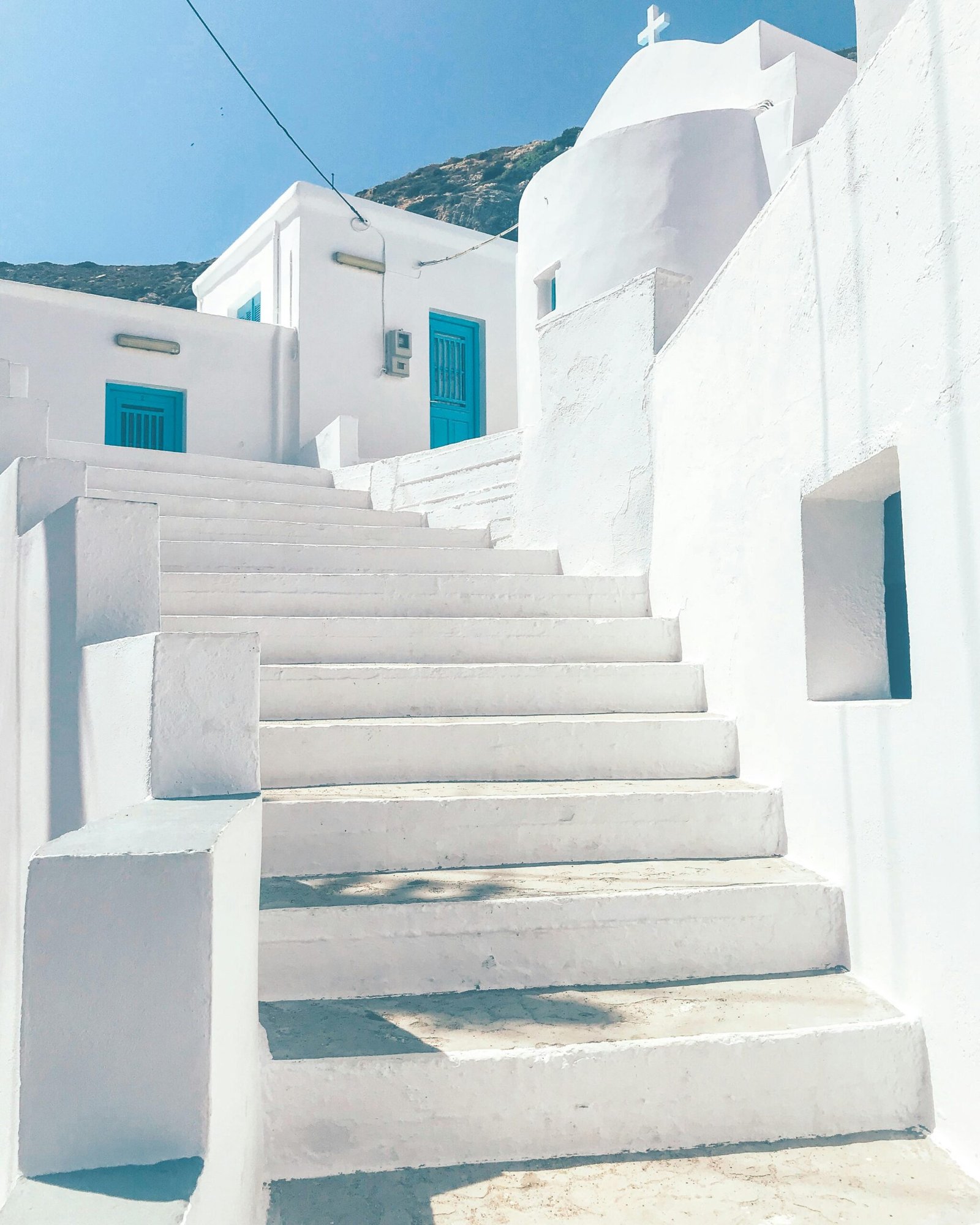
People do not choose Santorini by accident. They choose it because it has been sold to them as the Greek island experience: whitewashed views, blue domes, dinners above the caldera, and the sense that this is where a special trip should happen. That expectation is powerful, and it is usually built long before anyone checks what peak season actually feels like on the ground.
The emotional logic is easy to understand. Travelers want a trip that feels meaningful, photogenic, and easy to explain to other people, so Santorini becomes the safe prestige choice. It feels like the correct answer, which is exactly why the disappointment is so common when the lived experience is more crowded and less personal than imagined.
The image is the product, not the visit
Santorini is one of the clearest examples in Greece of a destination whose marketing has outgrown the experience of simply being there. Most first-timers are not reacting to the island itself; they are reacting to the difference between a curated image and a real place with bottlenecks, limited space, and intense demand. That is the core of Why Most First-Timers to Santorini Leave Slightly Disappointed.
The mistake is assuming the famous view will carry the entire trip. It will not. Once the novelty wears off, travelers notice the practical side of a very popular island: crowded viewpoints, booked-out restaurants, and a constant sense that they are sharing every moment with everyone else who had the same idea.
Why people still choose it anyway
There is a status element here that travelers rarely admit out loud. Santorini signals that the trip is important, expensive, and worth planning around, which makes people feel they are making a serious choice rather than a generic one. For a lot of first-timers, that matters more than they realize.
There is also a fear of choosing wrong. Many travelers would rather pick the famous island and risk crowding than pick a less familiar place and worry they missed the “real” Greece. That anxiety is understandable, but it often leads to a trip shaped more by reassurance than by fit.
For travelers who want to understand the broader context of Greek destinations before locking in assumptions, the official tourism information at
Visit Greece is useful as a baseline, but it will not tell you how a place feels in the middle of peak season pressure.
Why Most First-Timers to Santorini Leave Slightly Disappointed in peak season
Peak season changes the emotional texture of the island. What looks serene in photos can feel compressed in real life because everyone arrives wanting the same view at the same time. The problem is not only crowd volume; it is the way crowds affect patience, spontaneity, and the sense of having chosen well.
The specific moment disappointment usually hits is late afternoon. That is when people realize the famous sunset is not a private reward for making the trip; it is a shared event with a lot of standing, waiting, and jostling. For many travelers, this is the first time the island feels less like a destination and more like a performance everyone has bought a ticket to watch.
This is the point where Why Most First-Timers to Santorini Leave Slightly Disappointed stops being theoretical and becomes emotional. People do not mind popularity in theory. They mind it when it interrupts the exact feeling they came for.
The traveler types most prone to this pattern
Not every visitor is equally vulnerable to disappointment. The people most likely to feel let down are the ones who expect romance to do all the work, first-time Greece travelers who want a single iconic island to stand in for the whole country, and couples who are using Santorini as a milestone trip without much tolerance for inconvenience.
- Travelers chasing a “special occasion” feeling more than a destination fit
- First-timers who want Santorini to define Greece for them
- Visitors who dislike crowds but still choose the most famous place
- People who expect premium pricing to guarantee a premium experience
There is a second group that gets caught as well: travelers who are highly visual and emotionally attached to a specific image. They are often the most disappointed because they do not just see crowds; they see interference with the scene they came to collect.
The part people underestimate most
Here is the counterintuitive truth: Santorini is often easier to enjoy when you stop trying to make it your whole Greece trip. That sounds like a minor planning detail, but it changes the psychological burden of the visit. Once people expect one island to deliver every version of Greece they have seen online, they set themselves up for a narrow and expensive kind of frustration.
I take a clear position on this: Santorini is a strong choice for travelers who know exactly what it is and a poor choice for travelers hoping to be surprised by softness, ease, or authenticity in the casual sense. It is polished, famous, and heavily managed by demand. That is not a flaw if you understand it in advance, but it is a problem if you arrive expecting intimacy.
For travelers trying to put Santorini in a wider Greek context, the cultural framework matters too. The island is part of a country with a deep public heritage, and the national institutions around that heritage are worth understanding, including the resources at the Hellenic Ministry of Culture. That matters because Greece is not just a backdrop for views; it is a place with layered history, and the best trips acknowledge that instead of reducing everything to a photo.
What a better expectation looks like
A better approach starts with lowering the emotional job Santorini has to do. It should not be asked to represent all of Greece, solve the entire romance narrative, or deliver uninterrupted calm in peak season. Once you remove that pressure, the island becomes easier to appreciate for what it actually offers.
That means accepting that some parts of the experience are engineered, some are crowded, and some are worth the premium because they are genuinely distinctive. It also means understanding that a famous place can still be good without being personally transformative. Those are different standards, and travelers confuse them all the time.
Greece rewards travelers who arrive with a plan. More importantly, it rewards travelers who know what kind of trip they are actually trying to have, not the one they think they should want.
How to think about Santorini differently
Stop asking whether Santorini is overrated in the abstract. That question is lazy. Ask whether you are choosing it because it fits your travel temperament, your tolerance for crowds, and your willingness to pay for a famous experience that is partly about image.
If the answer is yes, you will probably be satisfied enough. If the answer is no, the disappointment is already built in. That is the real lesson behind Why Most First-Timers to Santorini Leave Slightly Disappointed: the problem is usually not the island, but the emotional contract travelers unknowingly sign before they arrive.
Recognizing the pattern is the first step. The second is building a trip around how you actually travel — not the traveler you imagine yourself to be. Most great Greece experiences start with that honesty.
Frequently asked questions
Why do so many first-time visitors feel let down by Santorini?
Because they arrive expecting a private, effortless version of the island and instead find a very popular place with crowds, pressure, and high prices. The disappointment usually comes from the gap between the image and the lived experience.
Is Santorini still worth visiting for first-timers?
Yes, if you understand what you are choosing. It is worth visiting for travelers who want a famous, highly polished island experience and are comfortable with crowds and premium pricing.
What is the biggest mistake first-timers make with Santorini?
They expect it to feel intimate in peak season. That assumption creates frustration because the island is one of the most in-demand places in Greece and rarely feels quiet when demand is highest.
Who is most likely to be disappointed by Santorini?
Travelers who dislike crowds, couples expecting romance to carry the whole trip, and first-timers who want one island to define Greece for them are most likely to feel underwhelmed.
When does disappointment usually set in?
For many travelers, it hits late afternoon or sunset time, when the famous views are shared with a lot of other people and the experience becomes more staged than personal.
How should I approach Santorini differently?
Treat it as one part of a Greece trip, not the entire emotional center of it. Go in knowing it is famous, busy, and expensive, and judge it on those terms rather than on an idealized image.