

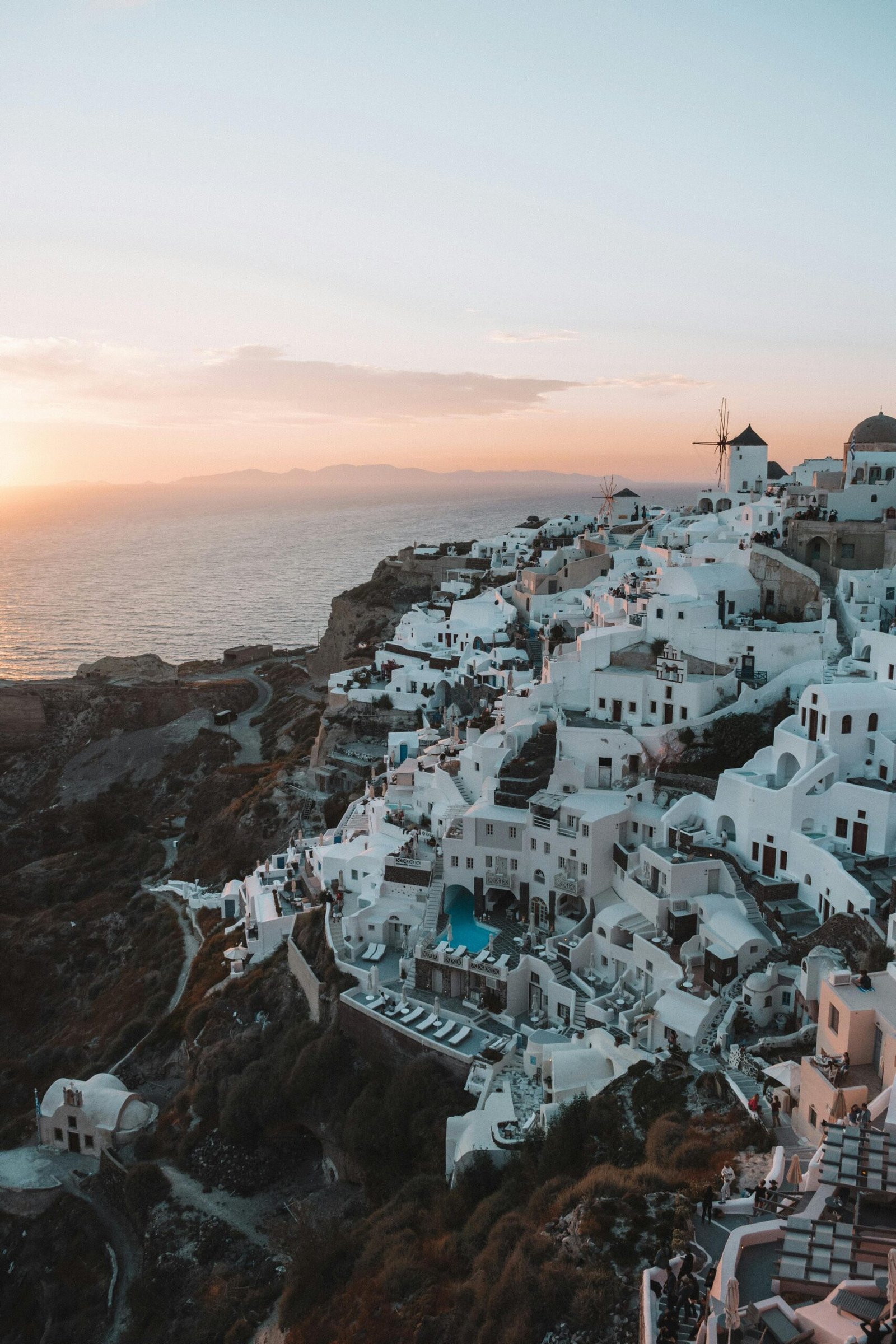
Why Most First-Timers to Santorini Leave Slightly Disappointed is usually not a problem of bad taste or poor judgment. It is a problem of expectation management: people arrive with a mental image built from photos, proposals, and short clips, then meet a real island under peak-season pressure.
The disappointment is often subtle, not dramatic. Travelers do not hate Santorini; they just realize too late that they were chasing a version of it that only exists in controlled conditions, at certain hours, and with a lot less company.
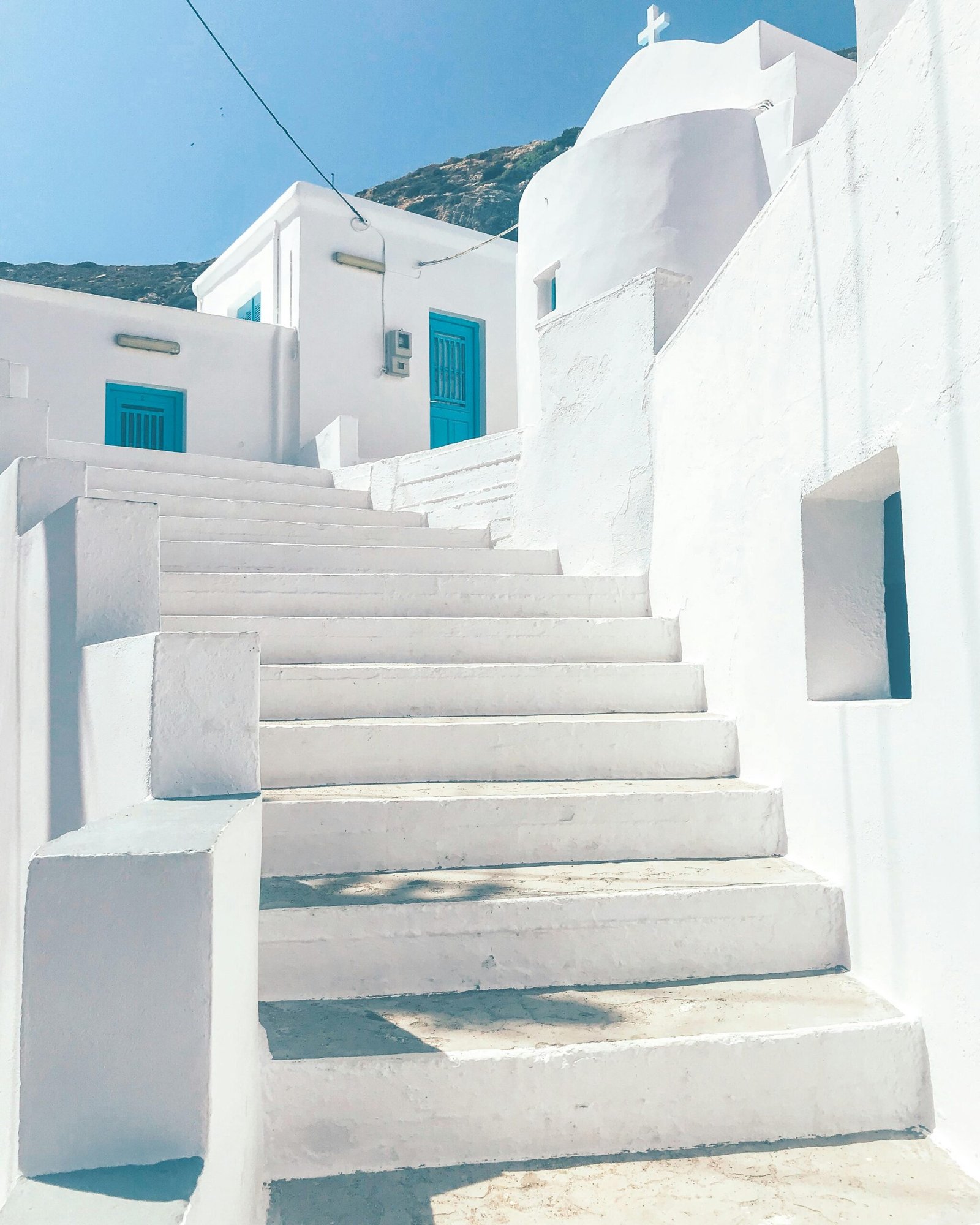
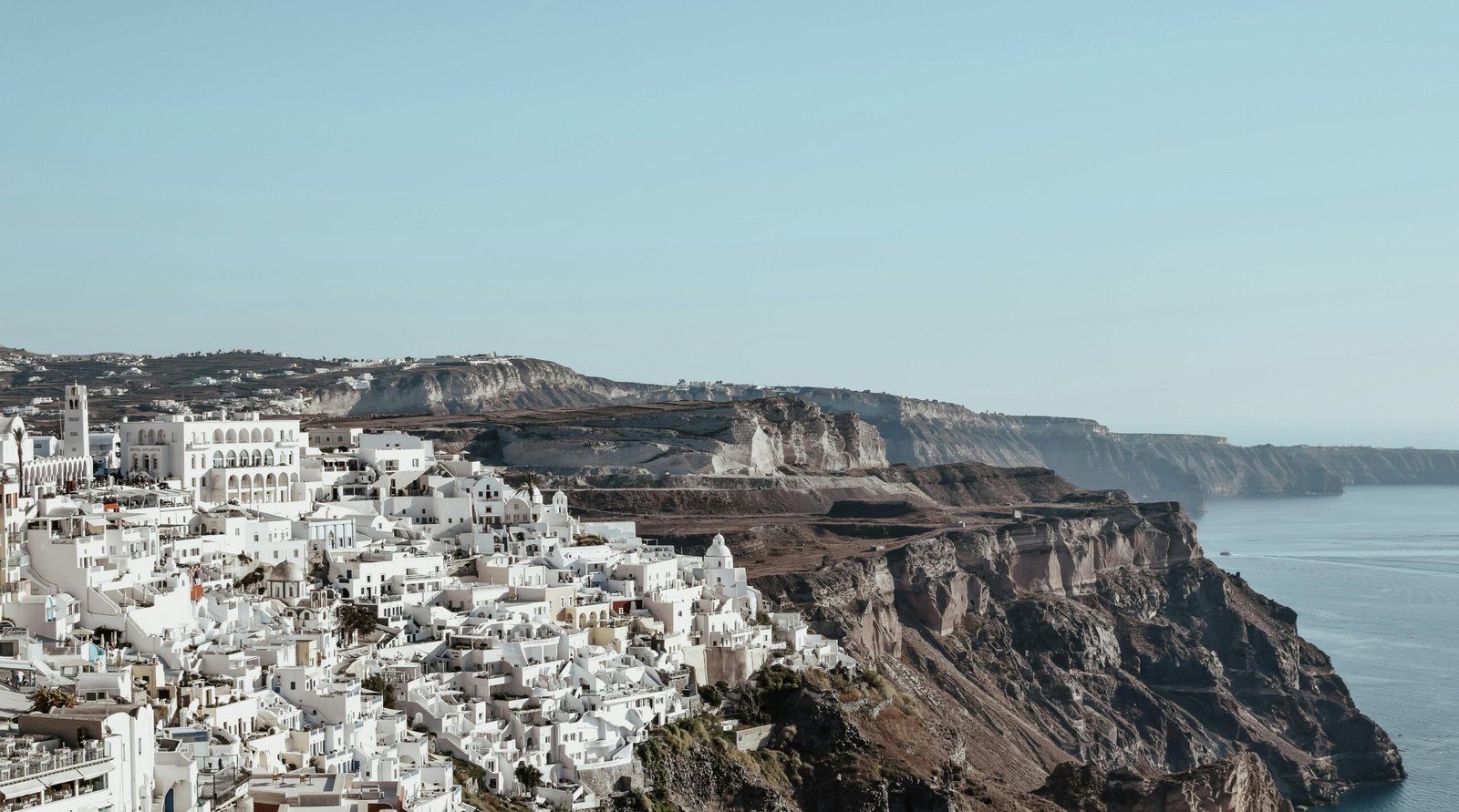
Why Most First-Timers to Santorini Leave Slightly Disappointed
There is a very specific psychological trap behind Why Most First-Timers to Santorini Leave Slightly Disappointed: people confuse a destination’s image with the experience of being there in July or August. Santorini is one of the clearest examples in Greece of a place where the marketing is not false, but incomplete.
The island is real, the views are real, and the crowds are real too. If you arrive expecting a private, effortless version of the place you saw online, the gap between expectation and reality starts working against you before you even settle in.
The image people buy is not the island they actually visit
Most first-timers are not choosing Santorini because they studied the island. They are choosing it because they already feel they know it. That is the key psychological mistake: familiarity creates confidence, and confidence creates bad assumptions.
People assume Santorini will feel intimate because the photos look quiet. In peak season, it often feels managed, crowded, and highly performative. The island still delivers the view, but not the sense of exclusivity many travelers were quietly counting on.
This is where Why Most First-Timers to Santorini Leave Slightly Disappointed becomes more than a headline. The disappointment is not that Santorini is overrated in a simple sense. It is that the emotional promise attached to it is usually bigger than what a first-time visitor can realistically access.
Why travelers make this choice in the first place
Santorini is often a symbolic purchase. For many travelers, it represents the “one Greece trip” they have been imagining for years, so the pressure is higher than it should be. They are not just booking an island; they are trying to secure a memory that feels definitive.
That pressure makes people overvalue the famous name and undervalue the conditions of the visit. They assume the destination will carry the emotional weight for them. It will not. If the timing is wrong, the crowds are heavy, or the stay is too short, the island cannot compensate for a weak setup.
Greece rewards travelers who arrive with a plan, but Santorini punishes travelers who confuse recognition with suitability. That is why Why Most First-Timers to Santorini Leave Slightly Disappointed is so common: the decision is often emotional before it is practical.
The moment the disappointment usually hits
The letdown rarely arrives in a dramatic reveal. It usually shows up in a small, ordinary moment: standing in a crowded lane, waiting for a view that is already full of other people, or realizing that the sunset everyone came for is being experienced shoulder to shoulder.
That is the moment the island stops feeling like a private reward and starts feeling like a shared event. For some travelers, that is fine. For others, it creates a sharp sense of mismatch, because they expected atmosphere and got logistics.
Another common trigger is the first morning after arrival, when the practical side of the island becomes visible. The view is still there, but so are the queues, the noise, the heat, and the sense that every good angle has already been claimed.
The emotional gap: what people expect versus what they feel
Before the trip, many first-timers expect relief. They imagine Santorini as a place where the stress of planning ends and the experience becomes effortless. In reality, peak season often adds friction: more waiting, more competition for space, and more awareness that everyone else is chasing the same image.
That gap matters because disappointment is not always about quality. It is often about emotional mismatch. Travelers expected to feel special, and instead they feel processed. They expected calm, and instead they feel managed by the crowd.
Here is the counterintuitive part: some of the most disappointed visitors are the ones who “did everything right” in the usual sense. They booked the famous place, paid for the view, and still felt underwhelmed because the experience they wanted was not available at scale in peak season.
Who is most prone to this pattern
First-timers who are highly visual are especially vulnerable. If your decision-making is driven by saved photos, social media clips, and the idea of “getting the shot,” you are more likely to feel the gap when the island is busy and the light is not cooperating.
Couples are another group that often misread Santorini. They expect privacy to come with the price tag, and they are surprised when the island’s most famous areas feel public, not intimate. Honeymooners are particularly exposed because the trip carries emotional expectations that the island cannot guarantee.
Travelers with limited Greece experience also tend to overcommit to Santorini because it is the name they know. They often skip the broader context of the Cyclades and end up comparing a very specific island experience to an abstract fantasy. That comparison is rarely fair to the island, and it is rarely kind to the traveler.
- Visual-first planners who choose from photos rather than context
- Couples expecting privacy from a globally famous destination
- First-time Greece visitors who want one iconic stop and little else
- Travelers visiting in peak season without adjusting expectations
What most people underestimate about peak season
Peak season does not just mean more people. It changes the emotional texture of the island. A place that looks serene in a still image can feel busy, expensive, and slightly transactional when every popular viewpoint is under pressure.
People also underestimate how much timing shapes perception. Santorini in a quieter month can feel very different from Santorini at full summer load. If your only reference point is peak season, you are not seeing the island at its best; you are seeing it at its most demanded.
That is why Why Most First-Timers to Santorini Leave Slightly Disappointed is not a warning against going. It is a warning against assuming that the island’s reputation automatically survives the conditions of your visit.
How to approach Santorini differently
The better approach is not to ask whether Santorini is “worth it” in some abstract sense. Ask what role you want it to play in the trip. If you want a famous view and you understand the trade-offs, the island can still deliver. If you want ease, privacy, and a relaxed pace, you are setting yourself up for friction.
Be honest about whether you are visiting for the experience or for the idea of having been there. Those are not the same thing. The first can be satisfying; the second is where disappointment usually starts.
If you want a broader sense of how Greece’s destinations differ in mood and seasonality, start with the official national context at
Visit Greece. That will not solve the emotional problem, but it will help you stop treating every famous island as if it serves the same purpose.
Conclusion: the real issue is not Santorini
Why Most First-Timers to Santorini Leave Slightly Disappointed is really a story about projection. Travelers project privacy onto a famous place, calm onto a peak-season destination, and emotional payoff onto a view that has been heavily circulated online.
The travelers who do better are not the ones with lower standards. They are the ones who understand what Santorini is for, what it is not for, and what peak season does to both. If you want to compare the island’s cultural weight with the rest of Greece’s heritage landscape, the Hellenic Ministry of Culture is a useful reference point for the broader context.
Greece doesn’t punish inexperience. It punishes unexamined assumptions. The travelers who leave disappointed rarely lacked information — they lacked a framework for using it.
Frequently asked questions
Why do first-time visitors feel underwhelmed by Santorini?
Because many arrive expecting a private, effortless version of the island they saw online. In peak season, Santorini is often crowded, expensive, and more public than people imagined.
Is Santorini actually disappointing for everyone?
No. It disappoints travelers who wanted calm, privacy, or a low-friction island experience. Visitors who understand the trade-offs are usually less surprised.
What is the biggest expectation mistake people make about Santorini?
They assume the island’s famous image is the default experience. In reality, that image is often the result of specific timing, selective angles, and a lot less crowd pressure than peak season brings.
Who is most likely to be disappointed by Santorini?
Visual-first planners, honeymooners expecting privacy, and first-time Greece visitors who choose Santorini because it is the name they know best.
Does peak season change the experience that much?
Yes. Peak season changes the pace, the crowd levels, the sense of space, and the emotional tone of the island. It is not a minor detail.
How should I think about Santorini differently before booking?
Treat it as a famous destination with real trade-offs, not as a guaranteed mood. Decide whether you want the view, the status, or the atmosphere, because you may not get all three at once.