

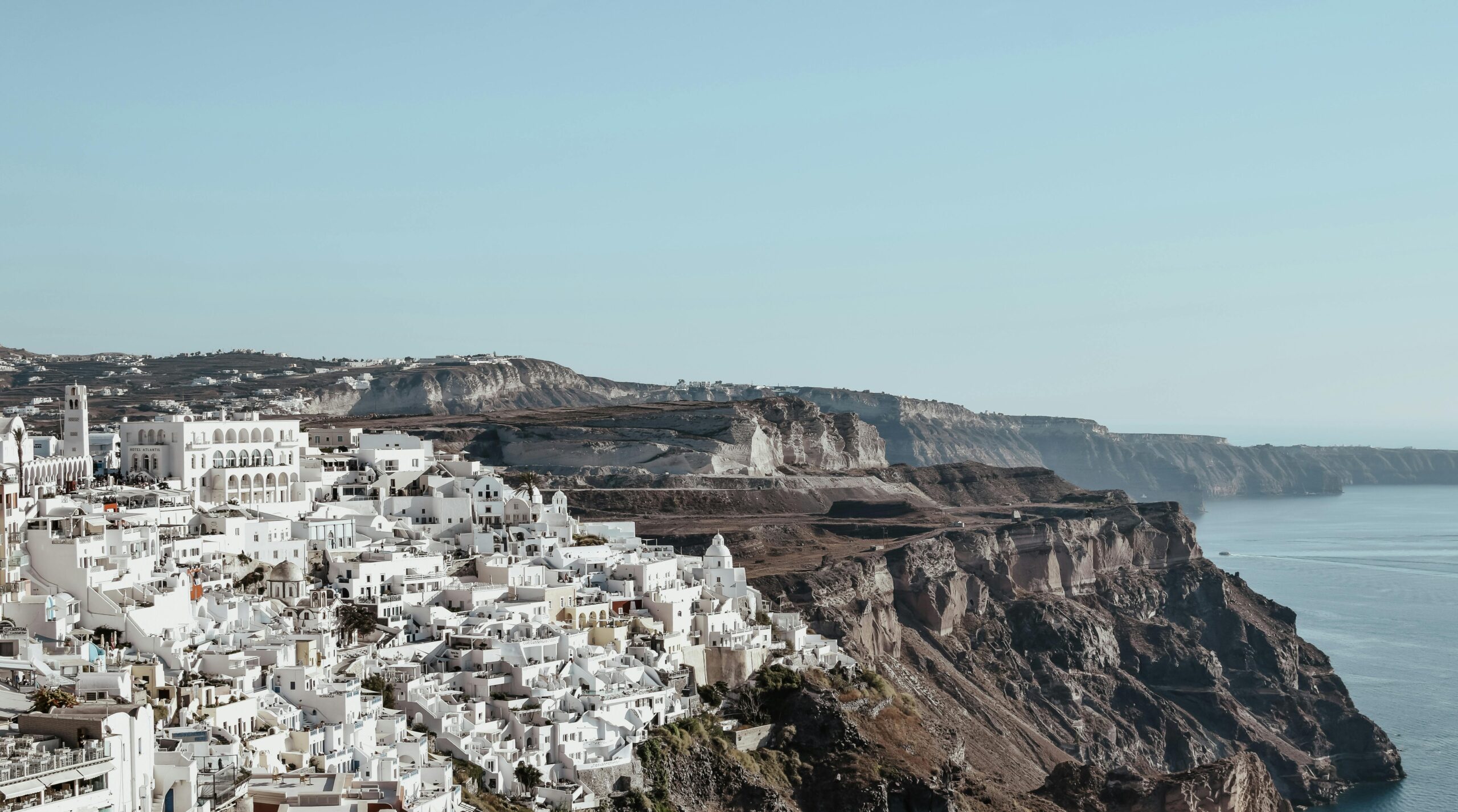
Why Most First-Timers to Santorini Leave Slightly Disappointed starts with a simple mistake: people confuse a famous image with a manageable travel experience. They arrive expecting a place that performs on demand, then run into crowds, heat, inflated prices, and a pace that feels more controlled by the island than by the visitor.
The disappointment is rarely about Santorini being bad. It is usually about travelers wanting the version they saw online, then feeling irritated when the real island asks for patience, timing, and a thicker skin than they planned for.
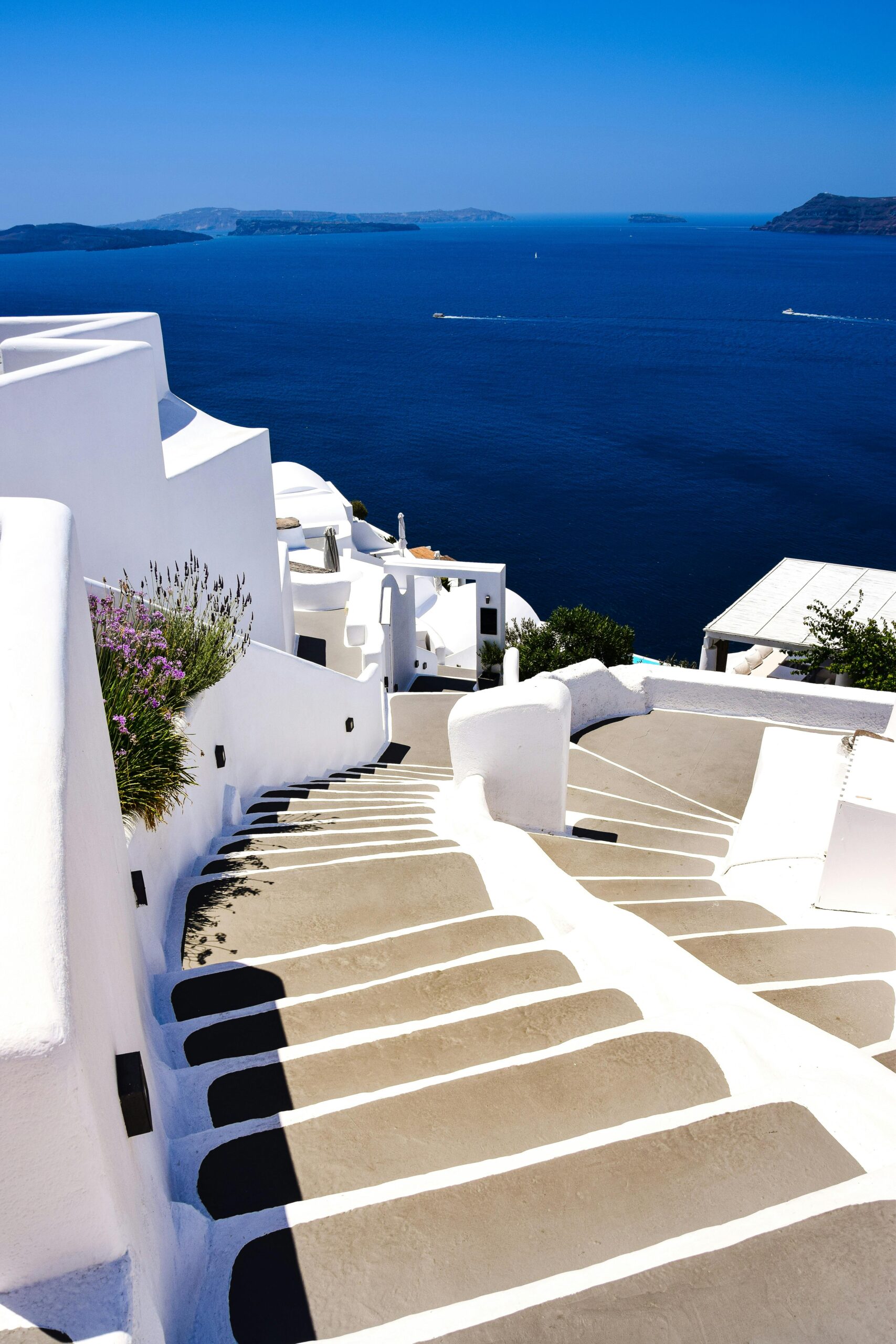
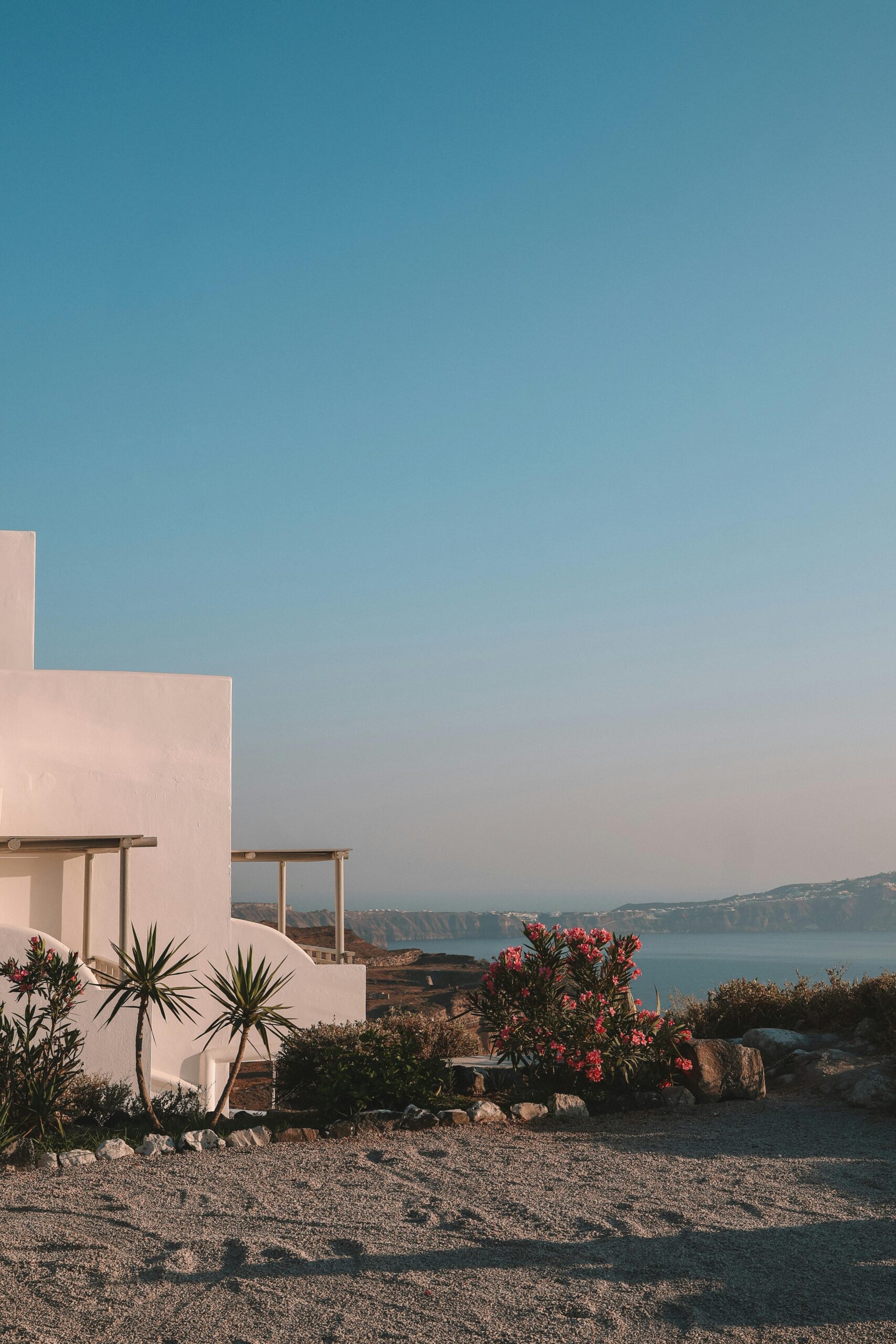
Why Most First-Timers to Santorini Leave Slightly Disappointed
The core pattern is not naivety. It is projection. First-time visitors often use Santorini as a stand-in for the Greece they have already imagined, then feel let down when the island does not behave like a private stage set built for their trip.
That is why Why Most First-Timers to Santorini Leave Slightly Disappointed is such a useful question. It exposes the gap between a destination people recognize instantly and a place they are not actually prepared to visit in peak season.
The real assumption behind Why Most First-Timers to Santorini Leave Slightly Disappointed
Most first-timers are not choosing Santorini because they have studied the island carefully. They choose it because it feels safe, legible, and socially validated. It is the Greece decision that requires the least explanation to friends, which is exactly why so many people make it without much thought.
There is also a deeper emotional pull: people want their first trip to Greece to feel definitive. Santorini looks like the cleanest way to get that feeling, so travelers load it with expectations it was never designed to carry. The result is predictable. The island becomes responsible for delivering romance, ease, and a sense of arrival all at once.
What travelers expect versus what they actually get
Expectations are usually built around visual certainty. People think they are buying sunsets, whitewashed lanes, and a polished version of island life with no friction attached. What they actually get in peak season is a place where the most famous views come with crowds, where movement slows down, and where even simple decisions can feel slightly transactional.
The emotional gap is not subtle. Travelers expect relief and end up managing logistics, queues, and constant competition for space. That is where Why Most First-Timers to Santorini Leave Slightly Disappointed becomes obvious: the island is still impressive, but the visitor is too busy negotiating the experience to fully enjoy it.
The moment the disappointment usually hits
For many people, the disappointment does not arrive on day one. It lands when the fantasy collides with the first practical inconvenience. That might be the afternoon crowd that makes a famous viewpoint feel less like a reward and more like a holding pattern, or the realization that the island’s most photographed areas are also its most crowded and least relaxed.
The surprising part is that many travelers do not mind the crowds in principle. What bothers them is the emotional mismatch. They came for a sense of escape, then discover they are sharing the same experience with a lot of other people who also came to feel special.
That is the exact moment Why Most First-Timers to Santorini Leave Slightly Disappointed stops being a theory and becomes a feeling.
Why peak season makes the problem worse
Peak season does not just add people. It changes the psychology of the island. When Santorini is busy, every expectation becomes more expensive in time, patience, and money. The island does not suddenly become less attractive; it becomes less forgiving.
People underestimate how much their mood is shaped by friction. A traveler who expected a relaxed, polished stay can become irritated fast when the day feels crowded from breakfast onward. This is not a minor inconvenience. It changes how every view, meal, and transfer feels because the traveler is already slightly tense before the day really starts.
For a broader sense of how Greece presents itself versus how it is actually experienced, it helps to look at official destination framing from
Visit Greece. The gap between marketing and lived reality is not a flaw unique to Santorini, but Santorini magnifies it because the island is so heavily photographed and so heavily visited.
The traveler types most prone to this pattern
Some travelers are more vulnerable to disappointment than others. The biggest risk group is the first-time Greece visitor who wants one trip to prove they chose correctly. They are not just visiting Santorini; they are trying to validate the whole idea of Greece in one stay.
- Couples chasing a milestone trip and expecting the island to do the emotional work for them.
- Travelers who book based on images and assume the experience will feel equally effortless in person.
- People with limited vacation days who need every day to feel “worth it” and become sensitive to any crowding or delay.
- Visitors who dislike heat, congestion, or waiting but still choose the most in-demand island in high season.
These travelers are not making a foolish choice. They are making an emotionally loaded one. Santorini is often selected to deliver certainty, and certainty is exactly what peak season strips away.
A clear position: Santorini is overchosen, not overrated
My view is direct: Santorini is overchosen by first-timers who have not asked what they actually want from Greece. That is not the same as saying the island lacks value. It means the island is often asked to solve the wrong problem.
If you want a dramatic first impression and you accept that the island will be busy, expensive, and emotionally compressed, Santorini can still make sense. If you want ease, space, and a softer introduction to Greece, this is a poor first choice in peak season. That is the part most travelers do not say out loud before they book.
There is also a cultural layer people miss. Greece is not a theme park of interchangeable views. If you want to understand the country better, not just consume its most famous image, start with context from the Ministry of Culture. The more seriously you take the place, the less likely you are to build a trip on a fantasy that cannot survive contact with reality.
What a better approach looks like
The better approach is not lower expectations in a vague, disappointing sense. It is sharper expectations. Go to Santorini because you want Santorini specifically, not because you want Greece to feel instantly smooth and cinematic.
That means accepting that the island works best for travelers who can tolerate crowds without taking it personally, who understand that famous places are famous for a reason, and who do not need every moment to feel exclusive. It also means recognizing that the wrong season can turn a good destination into a frustrating one.
Why Most First-Timers to Santorini Leave Slightly Disappointed is really about emotional framing. If you treat Santorini as one part of a larger Greece trip, not the entire proof of it, the island becomes more satisfying. If you make it the centerpiece of your expectations, it often becomes too much pressure for a place that is already carrying too many visitors.
Greece doesn’t punish inexperience. It punishes unexamined assumptions. The travelers who leave disappointed rarely lacked information — they lacked a framework for using it.
FAQ
Is Santorini actually disappointing for first-timers?
Not inherently. The disappointment usually comes from the gap between what people imagine and what peak-season Santorini actually feels like.
Why do so many people still choose Santorini first?
Because it is the most recognizable Greek island and feels like the easiest way to get a “classic” Greece experience without much research.
What is the biggest mistake first-time visitors make?
They assume the island will feel calm and effortless simply because it looks polished in photos. In peak season, it is usually neither calm nor effortless.
Who tends to enjoy Santorini most?
Travelers who want a famous, high-demand destination and are comfortable sharing it with a lot of other people tend to do better than travelers seeking privacy and ease.
Is the disappointment mostly about crowds?
Crowds are part of it, but the deeper issue is expectation management. Crowds, heat, and high prices all matter more when someone expected a seamless experience.
How should first-timers think about Santorini differently?
As a very specific destination with real trade-offs, not as a default first stop for Greece. That mental shift prevents most of the frustration.
Can Santorini still be worth it in peak season?
Yes, if you go with clear eyes. It is only disappointing when travelers expect it to deliver comfort, space, and exclusivity at the same time.