

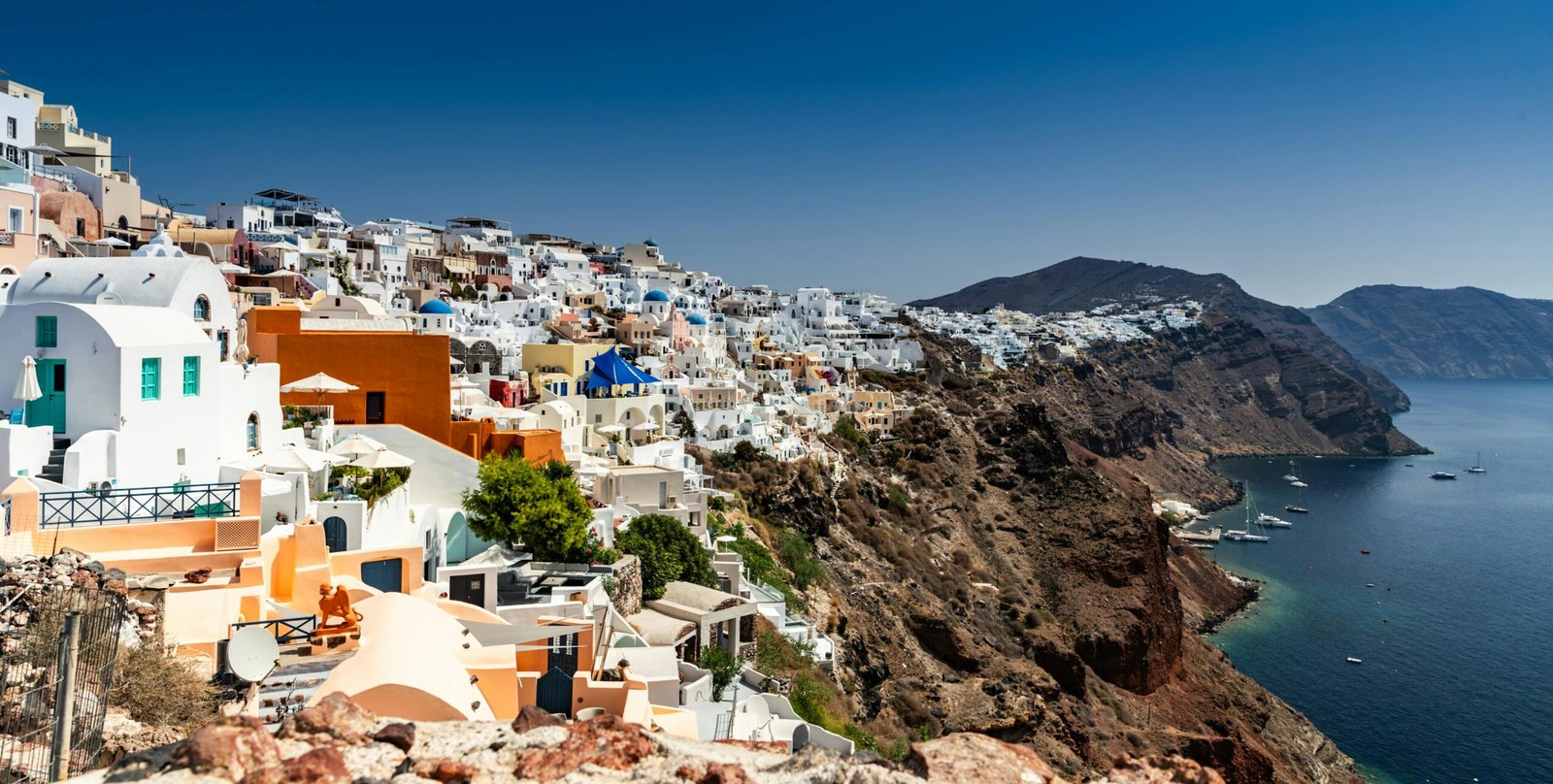
Why Most First-Timers to Santorini Leave Slightly Disappointed usually comes down to one thing: people arrive expecting an experience that matches the image they have carried for years, not the reality of a very busy, very compressed island in peak season. That gap is not a small detail. It is the whole problem.
Most travelers do not choose Santorini because they have studied the island carefully. They choose it because they want the version they have seen online, in wedding photos, and in travel ads. That is a psychological decision, not a practical one, and it is exactly why the disappointment feels so personal when it shows up.
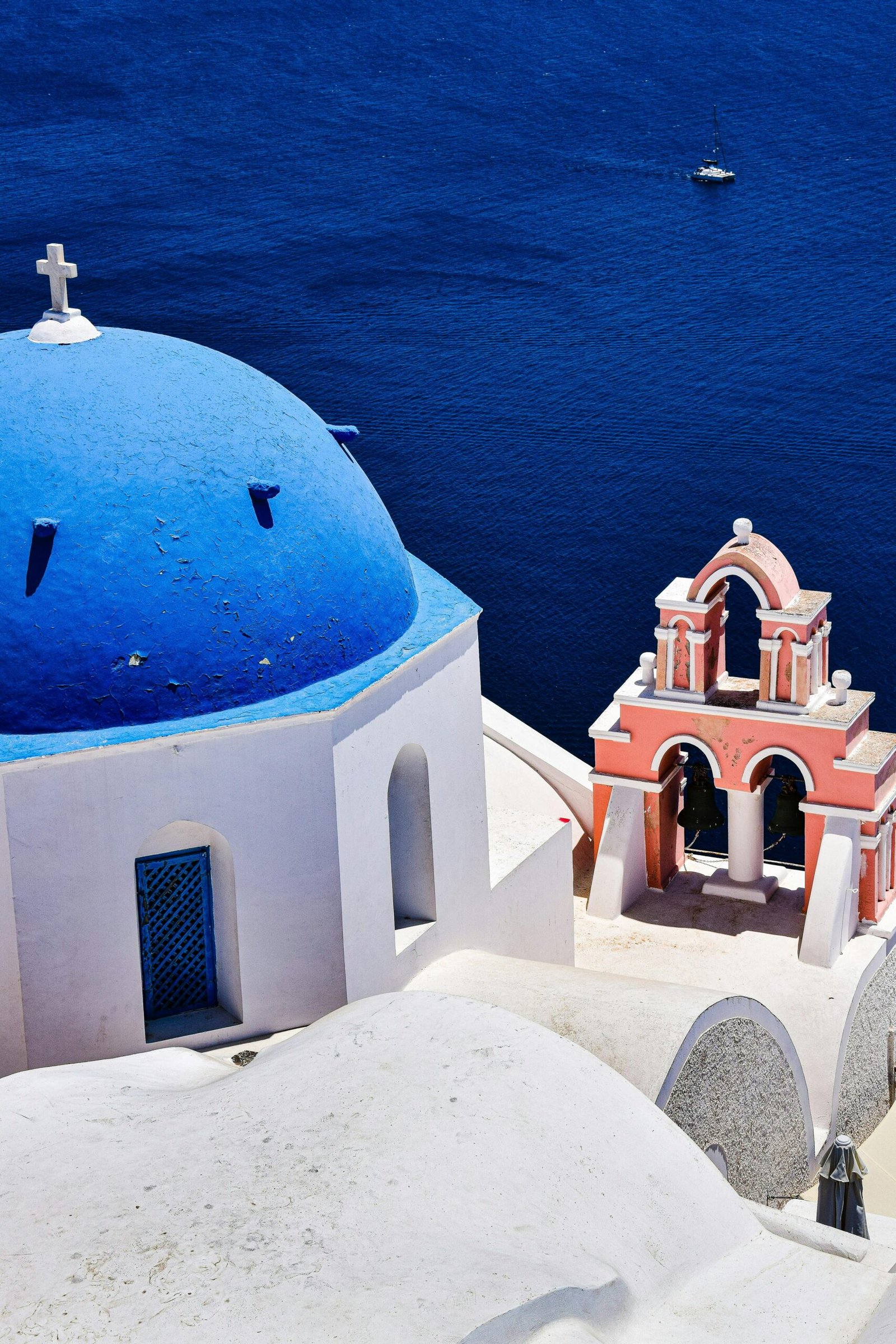
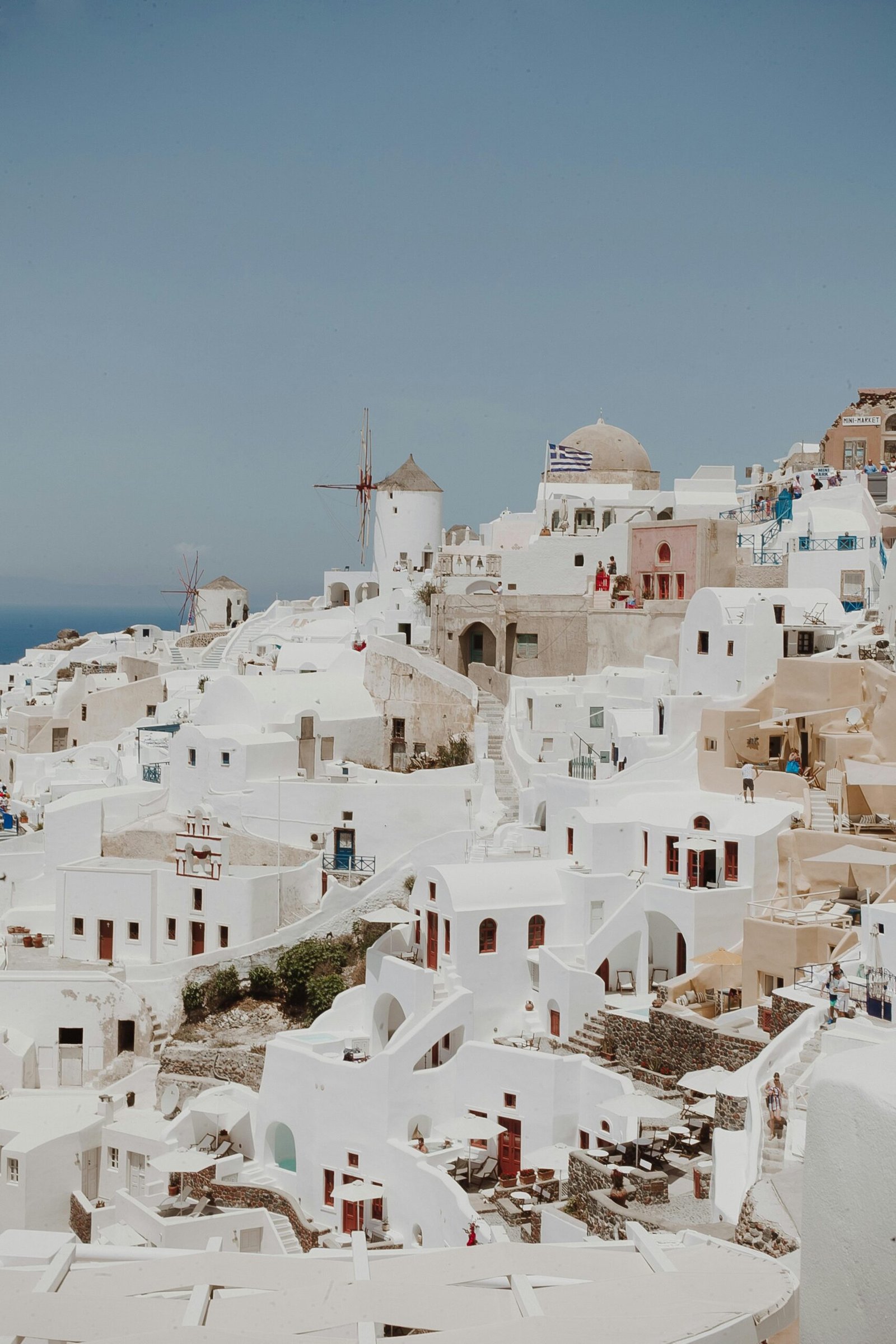
Why Most First-Timers to Santorini Leave Slightly Disappointed
The first mistake is emotional, not logistical. People go to Santorini to confirm a feeling they already have in their head: that this is the Greek island experience, full stop. When the trip is built around validation instead of reality, even a good visit can feel underwhelming.
The image is doing too much work
Santorini is one of the most heavily photographed places in Greece, so first-timers arrive with a preloaded script. They expect every view to feel private, every lane to feel calm, and every moment to look like the version they saved months ago. That is not a realistic expectation for a destination that absorbs huge demand in a short season.
Why Most First-Timers to Santorini Leave Slightly Disappointed is not because Santorini is bad. It is because the island has been sold as a visual promise, and visual promises are fragile in real life. Once you are standing in the crowd, the image stops carrying the experience for you.
Why people choose Santorini anyway
People choose Santorini because they want certainty. It feels like a safe choice for a honeymoon, a milestone trip, or a once-in-a-lifetime Greece visit because nobody gets blamed for picking the famous place. That is a very human decision: when the stakes feel high, travelers often choose the option with the strongest social proof.
There is also a status element that people rarely admit out loud. Santorini signals that the trip mattered, and for many first-timers that matters more than whether the island actually fits their travel style. The problem is that status and satisfaction are not the same thing.
The peak-season reality most people underestimate
Peak season changes the emotional texture of the island. The issue is not just crowds; it is the constant sense that you are sharing every viewpoint, every terrace, and every narrow lane with everyone else who had the same idea. That creates a low-grade frustration that builds all day.
Why Most First-Timers to Santorini Leave Slightly Disappointed becomes obvious when travelers realize they are spending energy managing access, timing, and patience instead of simply enjoying the place. Santorini in peak season is not a relaxed island. It is a high-demand destination with a beautiful backdrop.
One counterintuitive truth: the more someone has built Santorini into a fantasy, the less room they have left for the actual island. That is why the disappointment can feel disproportionate. The trip is not failing on its own terms; it is failing against a private script the traveler never said out loud.
The moment disappointment usually hits
It usually hits when the traveler realizes the island is not delivering privacy by default. That moment can happen at a viewpoint, at a restaurant, or simply while trying to enjoy a famous sunset with hundreds of other people doing the same thing. The emotional shift is sharp: from anticipation to mild irritation in a matter of minutes.
For many first-timers, the real letdown is not the crowd itself. It is the feeling that they have paid a premium for an experience that still requires effort, patience, and compromise. That is the moment the fantasy starts to crack.
Who is most prone to this pattern
Some traveler types are much more likely to leave with that slight disappointment. The first is the traveler who wants a romantic, effortless trip and has little tolerance for friction. The second is the traveler who values authenticity but still chooses the most famous, most photographed place in the country.
The third is the overplanner who believes the right reservation will solve the emotional problem. It will not. Santorini is not difficult because it lacks quality; it is difficult because the island’s popularity creates a mismatch between what people think they are buying and what they actually get.
- Travelers chasing a honeymoon mood without wanting crowds
- First-time Greece visitors who want the “best” island and equate famous with satisfying
- People who are sensitive to noise, queues, and constant movement
What a better approach looks like
A better approach starts with admitting that Santorini is not a neutral choice. It is a high-expectation destination, and that means you need to decide whether you want the image, the atmosphere, or the actual experience. Those are not the same thing.
If you still want Santorini, go with a narrower goal. Treat it as one part of a broader Greece trip, not the place that has to carry the whole emotional weight of the journey. That shift alone changes the pressure you put on the island and the pressure you put on yourself.
For travelers who want to understand the island in a broader Greek context, the official tourism site at
Visit Greece is a better starting point than social media, because it gives you a less distorted sense of what the destination actually is. Santorini is not a mistake. It is just a place that punishes lazy assumptions.
What first-timers should ask themselves before booking
The useful question is not whether Santorini is worth it in some abstract sense. The useful question is whether you are choosing it for the right reason. If your main goal is a calm, spacious, low-friction island experience, Santorini is a poor match in peak season.
If your main goal is to see the famous caldera views and you can accept the trade-offs, then the island can still work. But you need to stop expecting the famous place to behave like a private one. That is where Why Most First-Timers to Santorini Leave Slightly Disappointed becomes a planning lesson, not just a headline.
For travelers who want to place Santorini within the wider cultural and historical frame of Greece, the Ministry of Culture’s site at culture.gov.gr is useful context. It reminds you that Greece is not one island image repeated endlessly. It is a country with many different kinds of travel experiences, and Santorini is only one of them.
Recognizing the pattern is the first step. The second is building a trip around how you actually travel — not the traveler you imagine yourself to be. Most great Greece experiences start with that honesty.
Frequently asked questions
Why do first-time visitors expect so much from Santorini?
Because Santorini is one of the most heavily marketed and photographed places in Greece. People arrive with a visual fantasy already formed, so the island has to compete with an image, not just with reality.
Is Santorini actually disappointing?
Not for everyone. It is disappointing for travelers who expect privacy, calm, and an effortless atmosphere in peak season. For travelers who understand the trade-offs, it can still be worthwhile.
What is the biggest mistake first-timers make in Santorini?
They assume the famous version of the island is the whole experience. In practice, the crowds, pricing, and pressure to time everything well shape the trip as much as the views do.
Who is most likely to leave Santorini underwhelmed?
Travelers who want quiet romance, travelers who dislike crowds, and travelers who chose Santorini mainly because it felt like the obvious Greece choice are the most likely to feel let down.
Is peak season the main reason people are disappointed?
It is a major reason. Peak season amplifies the crowding, the noise, and the sense that every iconic spot is being shared by too many people at once.
How should I think about Santorini differently?
Treat it as a high-demand destination with a strong visual identity, not as a universal Greek island experience. That mindset leads to better decisions and fewer unrealistic expectations.