

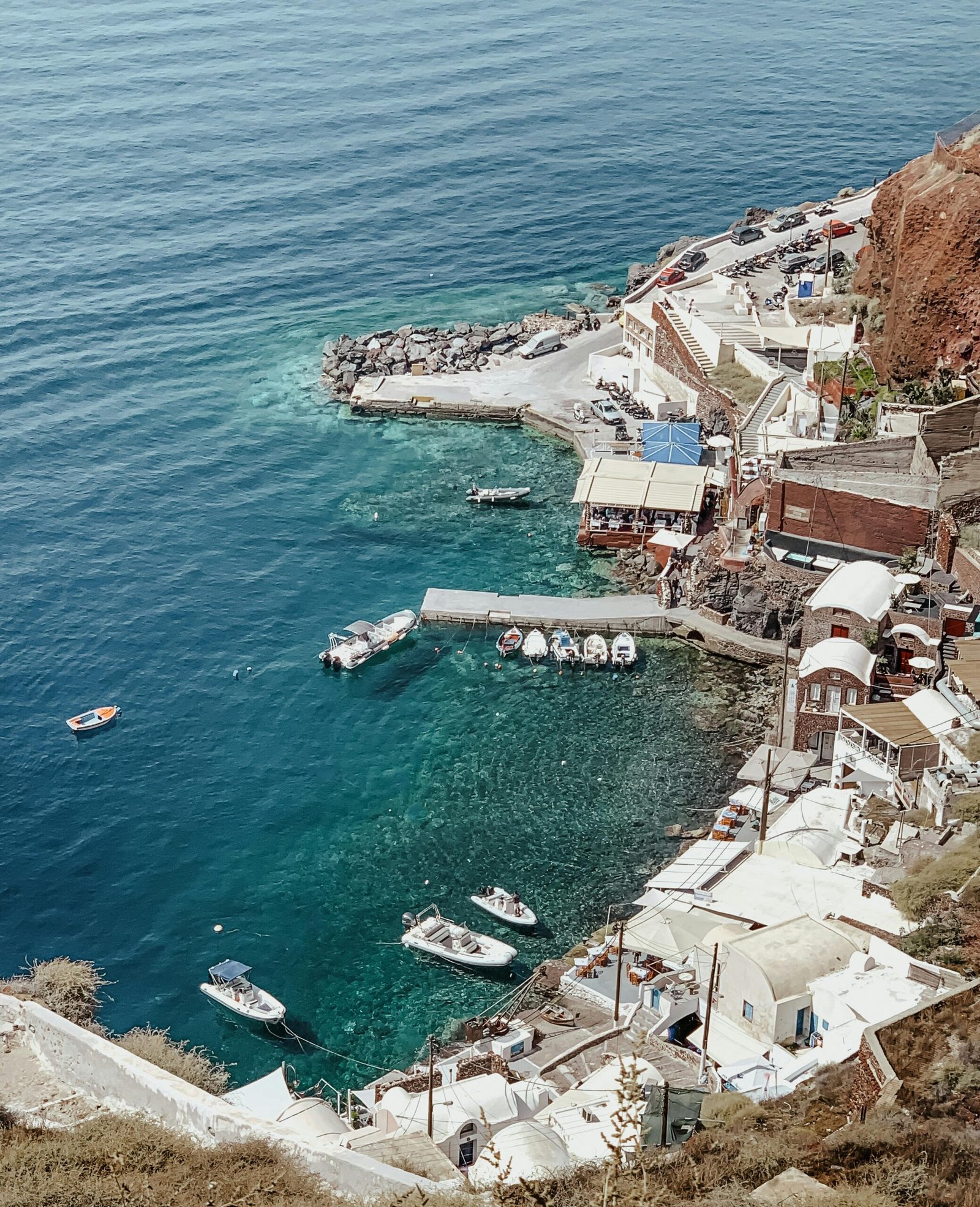
Why Most First-Timers to Santorini Leave Slightly Disappointed starts with a simple psychological mistake: people confuse recognition with satisfaction. They have seen the island so many times in photos that they arrive expecting the real place to match the version already fixed in their head.
That setup almost guarantees a letdown in peak season, when crowds, heat, and constant friction get in the way of the clean, quiet experience people imagined. The disappointment is usually not about Santorini being bad; it is about the gap between a highly edited image and a very busy island.
Why Most First-Timers to Santorini Leave Slightly Disappointed
The core issue is not taste. It is expectation management, and most first-timers are terrible at it because Santorini is one of the most heavily pre-sold places in Greece. By the time they arrive, they are not meeting an island; they are checking reality against a mental script built from wedding photos, cruise clips, and social media frames.
That is why Why Most First-Timers to Santorini Leave Slightly Disappointed is such a consistent pattern. The island is famous for a specific visual promise, but visiting it in peak season means dealing with queues, congestion, inflated prices, and a lot less breathing room than people expect.
The fantasy is built before the plane ticket is bought
People do not choose Santorini only because they want Greece. They choose it because they want a known outcome. They want a place that looks like the version they have already approved emotionally, which is a very different thing from wanting a destination that will surprise them in a good way.
That mindset makes sense. Santorini is easy to recognize, easy to explain to friends, and easy to justify as a once-in-a-lifetime trip. It feels safe because the brand is clear, and clarity is comforting when travelers are spending serious money.
The problem is that a strong brand creates a weak first-time filter. Travelers assume that if a place is famous, it must also be easy, polished, and emotionally satisfying on arrival. Santorini is famous. Easy is another matter.
What travelers expect vs what they actually meet
Most first-timers expect calm, elegance, and a sense of private access to the island’s views. What they actually meet in peak season is movement, waiting, and constant competition for space. That is the emotional gap at the center of Why Most First-Timers to Santorini Leave Slightly Disappointed.
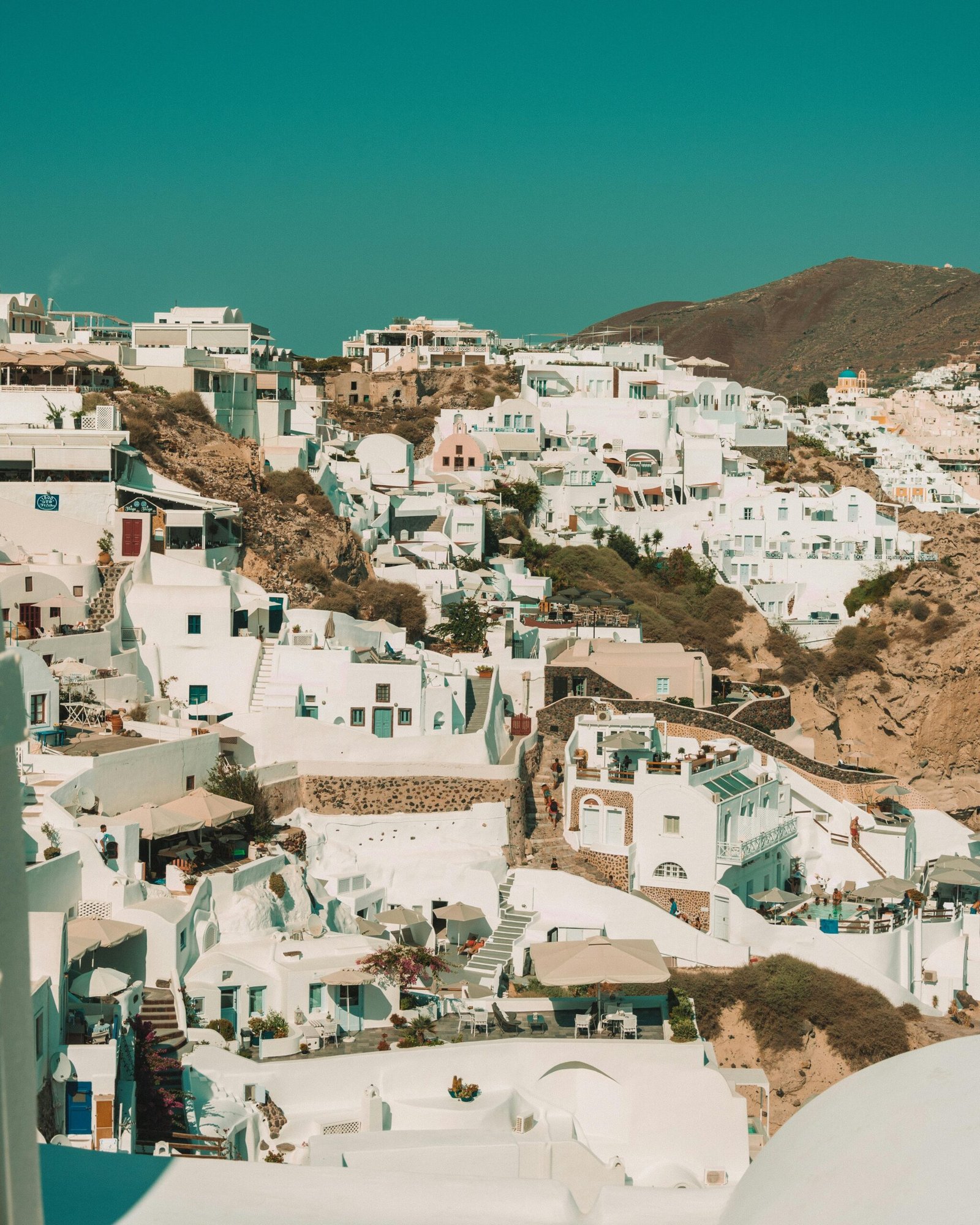
The island is not fake. That is the wrong criticism. The real issue is that the most recognizable parts of Santorini are also the most concentrated, and concentration creates pressure. The famous view points, the most photographed lanes, and the best-known sunset areas all attract the same crowd at the same time.
Here is the counterintuitive part: many travelers are not disappointed because Santorini is overrated. They are disappointed because it is exactly as famous as they thought, and fame creates friction. The more certain people are that a place will deliver a perfect emotional payoff, the more they notice every inconvenience that interrupts it.
The moment disappointment usually hits
The shift happens fast. It is rarely the arrival itself. It is the first time a traveler realizes that the experience they imagined requires patience, timing, and a tolerance for other people doing the same thing at the same time.
For many, that moment comes when the island stops feeling cinematic and starts feeling managed. A view that looked private online turns communal. A dinner reservation that seemed like a detail becomes the whole evening. The trip suddenly feels less like a reward and more like a performance with a lot of waiting around it.
That is the exact point where Why Most First-Timers to Santorini Leave Slightly Disappointed becomes personal. The island has not changed. The traveler’s fantasy has collided with the reality that peak-season Santorini is a high-demand place, not a low-effort one.
Why peak season makes the emotional gap worse
Peak season does not just add crowds. It changes the meaning of the trip. When people are shoulder to shoulder, every inconvenience feels larger, and every small compromise feels like evidence that they chose wrong.
Heat makes this worse. So does fatigue. So does the fact that Santorini attracts many travelers who are already on a tight schedule and have built the island up as the emotional center of the whole Greece trip. If Santorini is the main event, any friction feels like a threat to the entire vacation.
In Greece, timing is never just a logistics issue. It shapes mood, patience, and the amount of grace a traveler has for reality. Santorini in peak season asks for more tolerance than most first-timers are prepared to give.
Who is most prone to this pattern
Some travelers are simply more vulnerable to disappointment here. The biggest risk group is the first-time Greece visitor who wants one place to do everything: romance, iconic views, easy luxury, and a sense of having “done” Greece properly. That is a lot to ask of one island.
Another common group is the photo-led traveler. They are not necessarily shallow; they are just making decisions from images instead of from conditions. They tend to be the most surprised when the island feels busy, commercial, or repetitive after the first day.
Then there is the couple treating Santorini as a pressure-free milestone trip. They often want the trip to validate the relationship, the budget, and the idea of a special occasion all at once. That is a dangerous amount of emotional load to put on a crowded destination.
- Photo-first travelers who want the island to match saved images
- First-time Greece visitors trying to make one stop represent the whole country
- Couples expecting a flawless, low-friction romantic setting
- Travelers with short stays who need everything to feel efficient
What people misunderstand about value
Many first-timers assume that paying more will buy them a calmer experience. Sometimes it buys a better room, a better view, or better service. It does not buy back the island’s overall pressure in peak season.
This is where travelers often misread the value proposition. Santorini can absolutely deliver if you know what you are paying for. But if you think the money is purchasing ease, you will likely feel overcharged. If you think it is purchasing access to a famous landscape with all the usual crowding attached, the value equation makes more sense.
That is why experienced Greece travelers often check broader context before locking in a famous stop, using resources like
visitgreece.gr to compare the destination against the kind of trip they actually want. The mistake is not choosing Santorini. The mistake is assuming Santorini is a universal answer.
What a better approach looks like
A better approach starts with a blunt question: what are you actually trying to feel on this trip? If the answer is calm, ease, and room to breathe, Santorini in peak season is a poor fit. That is not snobbery. That is matching destination conditions to emotional goals.
If the answer is iconic scenery, a famous Greek island, and the satisfaction of seeing the place you have heard about for years, Santorini can still make sense. But then you need to accept that the island is not a private reward. It is a high-demand destination with a reputation that draws everyone at once.
Greece rewards travelers who arrive with a plan, but more importantly, it rewards travelers who know what kind of experience they are actually buying. That is the difference between a trip that feels satisfying and one that feels strangely off.
If you want the clearest version of the island’s cultural and historical context before deciding how much of it belongs in your Greece trip, start with the Greek Ministry of Culture. Context will not remove crowds, but it will stop you from mistaking a busy, famous place for a broken one.
Why Most First-Timers to Santorini Leave Slightly Disappointed is not a warning to avoid the island. It is a warning to stop asking it to be something it is not. Greece doesn’t punish inexperience. It punishes unexamined assumptions. The travelers who leave disappointed rarely lacked information — they lacked a framework for using it.
Frequently asked questions
Is Santorini worth visiting for first-time travelers to Greece?
Yes, if you want a famous Greek island experience and you understand what you are buying. It is less convincing if you want calm, privacy, or a low-friction trip in peak season.
Why do so many first-timers feel let down by Santorini?
Because they arrive with a polished image in mind and meet a crowded, high-pressure destination instead. The gap between expectation and reality is usually the problem, not the island itself.
Does Santorini only disappoint people in peak season?
Peak season makes the problem much worse because crowds and heat amplify every inconvenience. The island is easier to appreciate when the pressure is lower.
What kind of traveler is most likely to be disappointed?
Travelers who want one destination to deliver romance, luxury, and iconic scenery without friction are the most vulnerable. Photo-led travelers and short-stay visitors also struggle more.
Is Santorini overrated?
Not broadly. It is over-idealized. That is a different problem, and it is why so many people feel slightly underwhelmed even when the island delivers exactly what it is known for.
How should I think about Santorini differently?
Treat it as a high-demand, famous destination with real trade-offs, not as a guaranteed emotional payoff. If you match your expectations to the conditions, the trip makes more sense.