

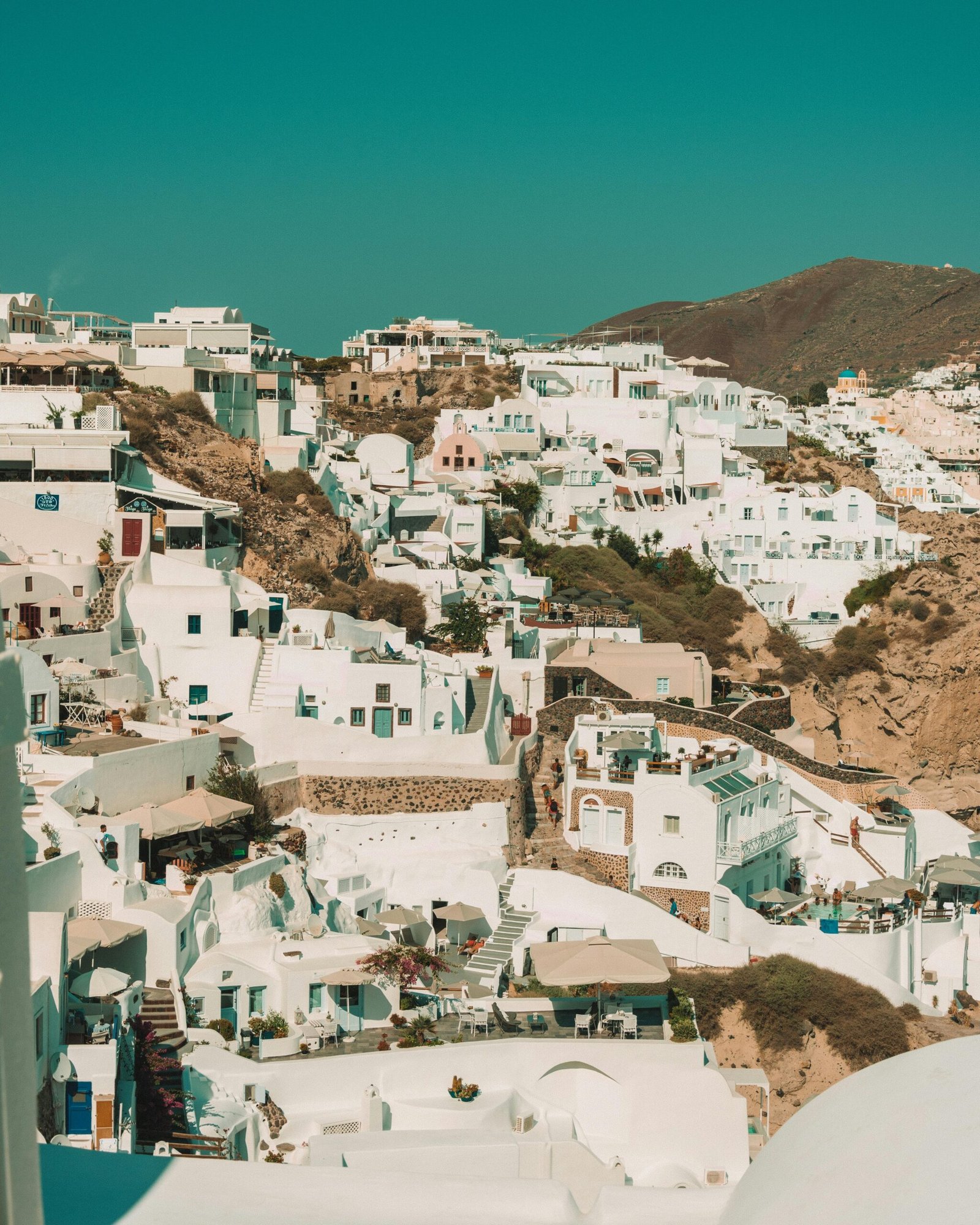
Why Most First-Timers to Santorini Leave Slightly Disappointed starts with a simple mistake: people arrive expecting the island to behave like its image. They want the famous view, the clean white-and-blue version, and a feeling that the place has been arranged for their arrival.
That expectation is understandable. It is also the reason so many first-timers feel a small but real drop in mood once they are there, especially in peak season. Santorini is not failing them; their mental picture is doing the damage.
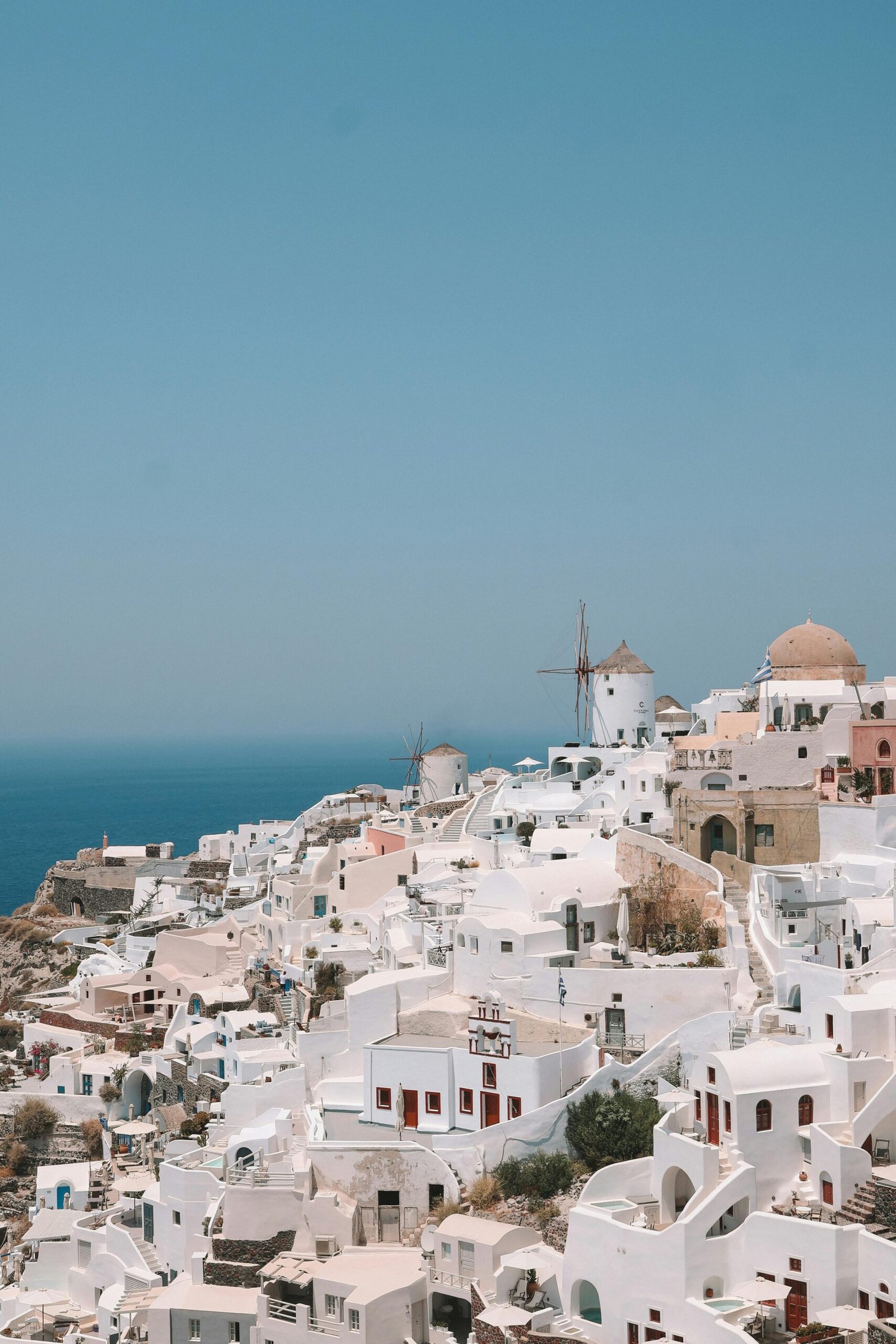
Why Most First-Timers to Santorini Leave Slightly Disappointed
The real problem is not Santorini itself. It is the gap between a highly edited mental image and a place that, in peak season, is crowded, expensive, and structured around constant demand. People do not just want a trip; they want confirmation that the version they have seen online is real.
That is why Why Most First-Timers to Santorini Leave Slightly Disappointed is such a persistent pattern. Travelers are not making a bad choice because Santorini is weak. They are making a human choice: they are chasing a destination that has already been emotionally pre-sold to them.
The assumption underneath the Santorini decision
Most first-timers are not choosing Santorini for geography. They are choosing it for a feeling: proof that they have arrived in the Greece they imagined. That is a powerful motivator, and it explains why people accept high prices, heavy crowds, and short stays without much resistance.
The emotional logic is simple. If a place is famous enough, it must justify itself. In practice, that fame makes the visit more fragile, because the traveler is measuring every moment against a polished reference point that was never a realistic standard.
Greece rewards travelers who arrive with a plan, but Santorini punishes travelers who arrive with a fantasy. That is the core of Why Most First-Timers to Santorini Leave Slightly Disappointed: the island is treated like a final answer, when in reality it is a very specific kind of destination with very specific trade-offs.
Why Most First-Timers to Santorini Leave Slightly Disappointed in peak season
Peak season changes the entire emotional texture of Santorini. The island becomes less about atmosphere and more about management: managing crowds, managing timing, managing expectations, managing costs. Many first-timers are not prepared for how much mental energy that consumes.
The surprise is not that Santorini is busy. The surprise is how quickly busy turns into emotionally draining. A place can still look good in photos and still feel tiring to be in, and that is exactly where disappointment begins.
The first real crack usually appears at the caldera edge, when the traveler realizes the view is shared with hundreds of other people all trying to get the same photograph. That is the moment the fantasy shifts. The destination is no longer a private reward; it is a performance environment.
The emotional gap: what people expect versus what they actually get
People expect romance, calm, and a sense of exclusivity. What they often get is noise, queues, inflated pricing, and the constant awareness that every good angle is already occupied. That gap is not a minor inconvenience; it changes how the whole trip feels.
There is also a psychological mismatch around size. First-timers often imagine Santorini as expansive because the image feels open and dramatic. In reality, the famous parts can feel compressed, especially when everyone is trying to be in the same place at the same time.
This is where disappointment becomes personal. Travelers do not usually say, “The island was bad.” They say, “I thought I would feel more than this.” That sentence is the real story behind Why Most First-Timers to Santorini Leave Slightly Disappointed.
The moment disappointment usually hits
It rarely happens on arrival. It happens after the first round of expectations has been tested by reality. For many people, that means the first busy sunset, the first overpriced meal that feels generic, or the first time they realize how much of the trip is spent navigating crowds rather than enjoying the setting.
The problem is not one dramatic failure. It is the accumulation of small frustrations that should have been anticipated. Once that pattern starts, the traveler begins to scan for what the island is not giving them, instead of noticing what it actually offers.
That shift matters because it changes memory. A traveler who feels slightly squeezed all day does not remember the view as generously, even if the view was objectively strong. The emotional ledger is already negative.
Traveler types most prone to this pattern
Some travelers are far more vulnerable to disappointment in Santorini than others. The people most likely to feel let down are usually the ones who want the trip to deliver a single, complete emotional payoff.
- First-time Greece visitors who are treating Santorini as the entire country in one stop.
- Couples expecting privacy, quiet, and a sense of being alone with the island.
- Travelers who overvalue social media imagery and undervalue the conditions behind it.
- People who dislike crowds but still choose the most crowd-heavy destination in peak season.
There is another group worth naming: travelers who are emotionally invested in “getting it right.” They often come in with strong expectations and a mild fear of wasting the trip. That pressure makes every compromise feel bigger than it is.
The counterintuitive truth about Santorini
The surprising part is that Santorini is often better for people who are not trying to make it their whole Greece experience. When it is treated as one part of a larger trip, its limitations become easier to absorb. When it is treated as the main event, every flaw becomes louder.
That is why Why Most First-Timers to Santorini Leave Slightly Disappointed is not really about the island failing to impress. It is about asking a highly specific destination to perform a job it was never built to do. Santorini is strong at visual impact and weak at emotional spaciousness in peak season.
If you want the island to feel like a reward, the timing and framing matter more than most travelers admit. If you want it to feel like a place you can inhabit without friction, peak season is the wrong window and the wrong mindset.
What a better approach actually looks like
The better approach is not lower standards. It is better framing. Santorini works best when you accept that the famous image is only one part of the experience, and that the real visit includes friction, cost, and shared space.
That means planning emotionally, not just practically. Ask yourself whether you want a destination that delivers a visual payoff or one that gives you room to relax. Those are not the same thing, and Santorini in peak season is firmly in the first category.
For travelers who want to understand the broader context of Greek destinations before choosing where Santorini fits,
Visit Greece is a useful starting point. It will not solve the expectation problem for you, but it can help you see Santorini as one piece of a larger country, not the whole story.
Approached this way, the island becomes less of a test and more of a case study. That is the healthiest way to read Why Most First-Timers to Santorini Leave Slightly Disappointed: not as a warning to avoid it, but as a warning not to overstate what it can realistically deliver.
Conclusion
If you are already imagining Santorini as the defining Greek experience, pause there. The travelers who leave most satisfied are usually the ones who understood the trade-offs before they arrived, not the ones who expected the island to behave like a private version of its own publicity.
For a broader sense of how Greece’s most famous places are actually framed and preserved, the Ministry of Culture gives useful context on the country’s cultural priorities. That context matters, because Santorini is not just a view; it is a heavily visited place with real limits.
Greece doesn’t punish inexperience. It punishes unexamined assumptions. The travelers who leave disappointed rarely lacked information — they lacked a framework for using it.
Frequently asked questions
Why do first-timers expect Santorini to feel more special than it does?
Because they are responding to an image they have seen repeatedly, not to the practical reality of peak-season travel. Fame creates emotional pressure before the trip even starts.
Is Santorini disappointing for everyone?
No. It is most disappointing for travelers who want privacy, quiet, and a relaxed pace in the busiest months. People who understand its trade-offs often enjoy it more.
What is the biggest mistake first-time visitors make?
Treating Santorini as if the famous view is the whole experience. In peak season, crowding, pricing, and timing shape the trip more than most first-timers expect.
When does disappointment usually start?
Usually after the first crowded sunset or after the traveler realizes how much effort it takes to enjoy the island’s most famous areas. The emotional letdown is gradual, not sudden.
Who is most likely to feel underwhelmed by Santorini?
Couples expecting solitude, travelers who dislike crowds, and first-time Greece visitors who are using Santorini as a stand-in for the whole country.
How can someone approach Santorini more realistically?
By seeing it as a high-impact, high-demand destination rather than a restful one. That shift in framing prevents the most common disappointment.