

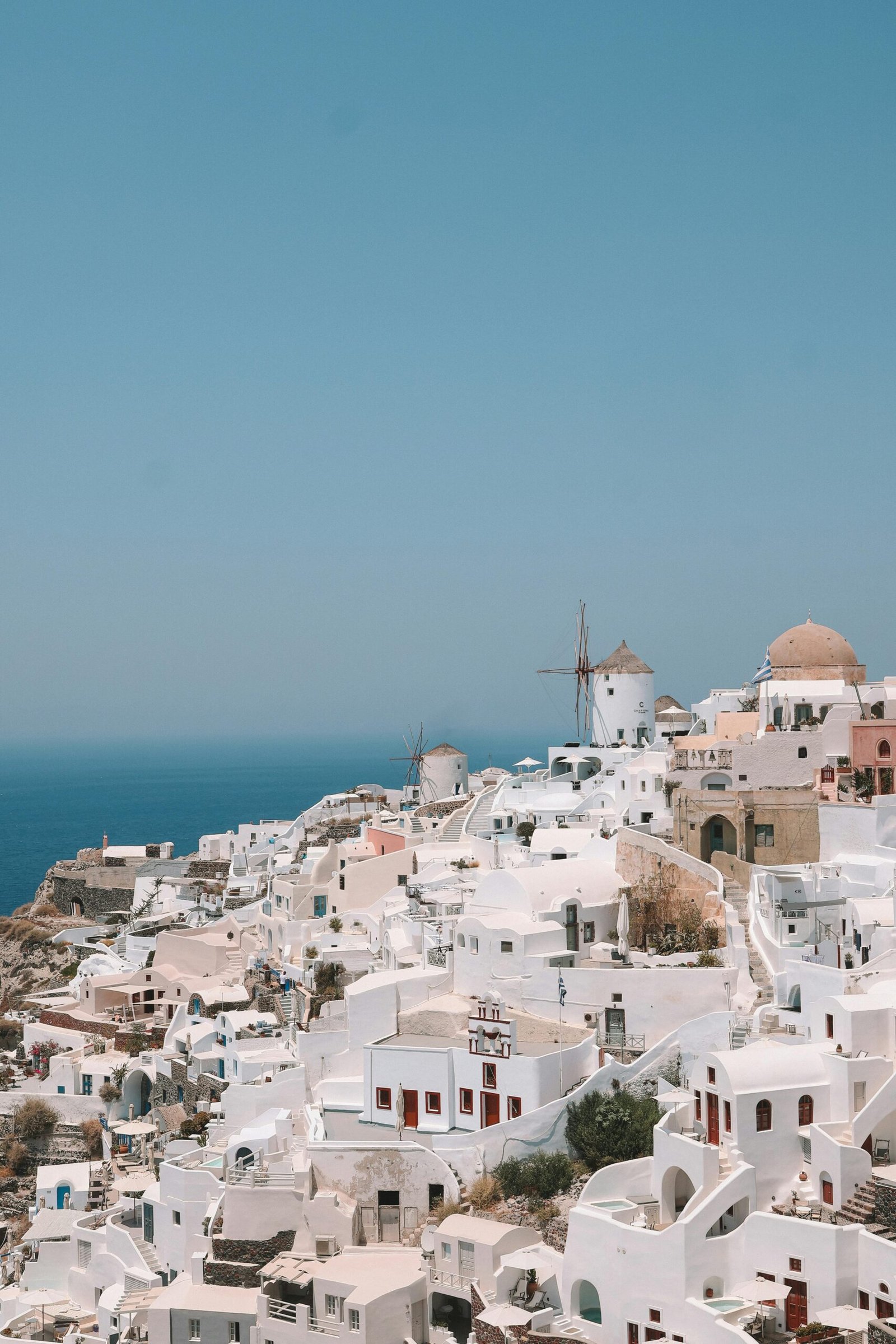
Why Most First-Timers to Santorini Leave Slightly Disappointed is usually not about the island failing to deliver; it is about travelers arriving with a very specific fantasy and then being forced to live inside the reality of peak-season Santorini. The assumption is simple: if a place looks flawless in photos, the experience should feel flawless in person.
That is where the trouble starts. Santorini is one of the most heavily pre-loaded destinations in Greece, and first-timers often confuse recognition with readiness. They know the image, but not the operational reality of visiting when everyone else has the same idea.
Why Most First-Timers to Santorini Leave Slightly Disappointed
The core pattern is not greed or naivety. It is projection. People do not book Santorini because they want a volcanic island in the Cyclades; they book it because they want to feel the way Santorini looks in other people’s photos.
That sounds harsh, but it is the truth behind Why Most First-Timers to Santorini Leave Slightly Disappointed. The disappointment usually begins when the traveler realizes they were chasing a feeling of arrival, status, and ease — and the island, especially in peak season, is busy, expensive, and more managed than imagined.
The image is not the experience
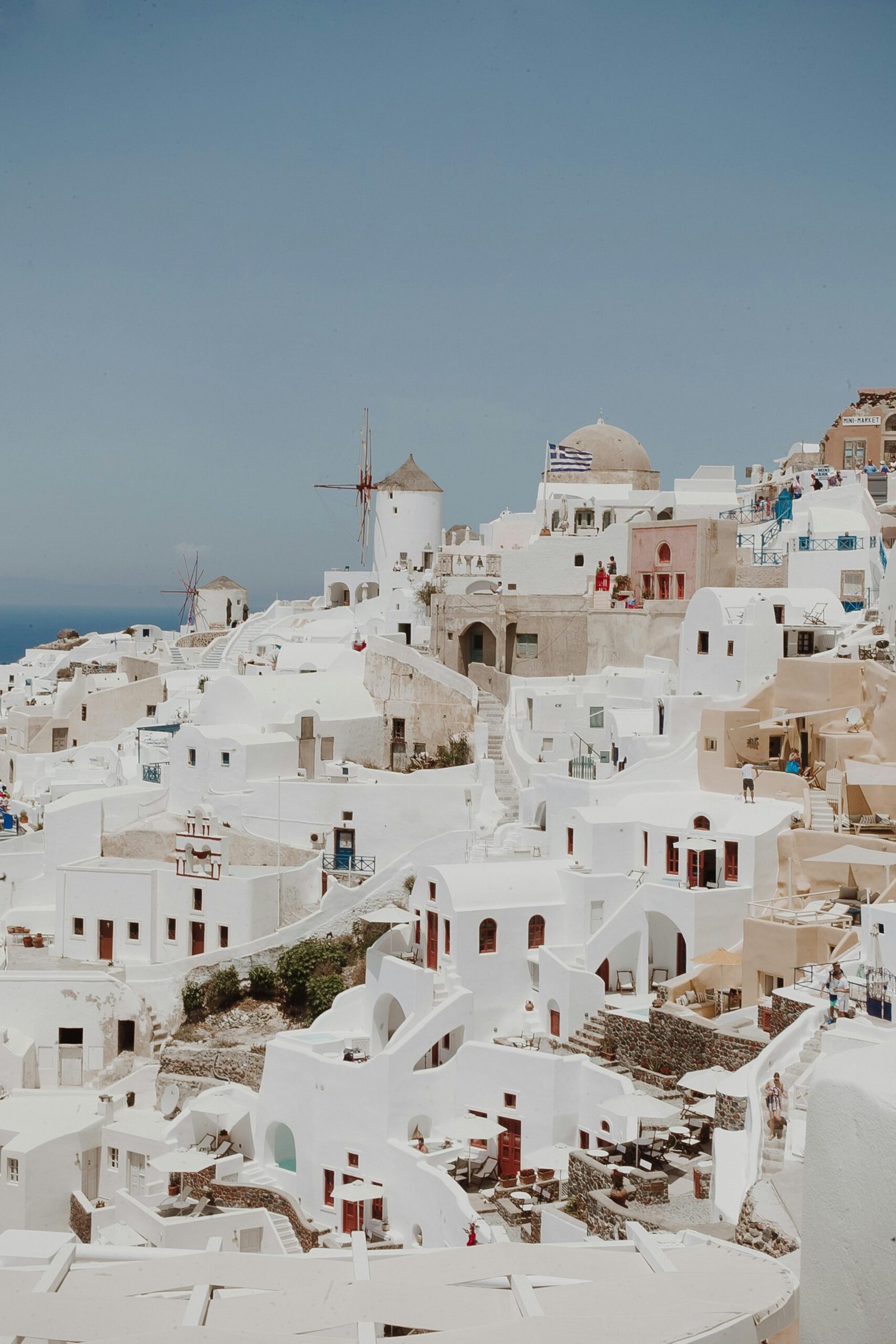
Santorini sells extremely well because it is legible at a glance. White walls, blue domes, caldera views, sunset photos: the whole place is easy to understand before you ever go. That creates a dangerous assumption that the emotional payoff will be immediate and uniform.
In reality, the island is split between two very different experiences: the one people photograph, and the one they live through. The photographed version is compact, edited, and timed. The lived version includes crowds, queues, heat, inflated prices, and the constant sense that you are sharing a stage set with thousands of other visitors.
This is where Why Most First-Timers to Santorini Leave Slightly Disappointed becomes obvious. The traveler expected immersion; what they got was participation in a very efficient tourism machine.
Why travelers choose Santorini anyway
Most people are not choosing Santorini because it is the most practical Greek island. They choose it because it feels like a safe first answer. It is famous, easy to explain to friends, and emotionally low-risk in the planning stage because no one gets criticized for picking Santorini.
There is also a social layer to this decision. For many first-timers, Santorini is not just a destination; it is a proof point. It signals that the trip is special, that the budget is serious, and that the traveler has “done Greece properly.” That pressure matters, because when a trip becomes a status marker, the traveler is less willing to admit the experience feels crowded or over-scripted.
That is why the island gets so many first visits and so many slightly flat reactions. The traveler was not really selecting a place; they were selecting a confirmation of an idea.
The emotional gap that creates the letdown
People expect Santorini to feel expansive and cinematic. What they often feel instead is compression. The lanes are narrow, the viewpoints are packed, and the most photogenic areas are also the most heavily trafficked. Even the quiet parts of the island can still feel like they are waiting for the next wave of visitors.
The emotional gap is sharpest for travelers who equate beauty with calm. Santorini is beautiful, yes, but peak-season beauty here is rarely restful. If your idea of a great trip includes breathing room, spontaneity, and a sense of discovery, this island can feel more curated than liberating.
There is a surprising truth here: some people leave disappointed not because Santorini is overhyped, but because it is exactly what they asked for in the wrong emotional state. They wanted certainty, and Santorini gives certainty in the form of crowds, high prices, and a tightly managed experience.
For travelers who want a broader sense of Greece beyond the usual postcard circuit,
Visit Greece is a useful place to recalibrate expectations before locking in the most obvious choice.
The moment disappointment usually hits
It is rarely the first view. That first arrival often works exactly as promised, which is why people stay optimistic. The disappointment usually lands later, when the traveler realizes that the best-known spots are crowded at the exact times everyone wants to be there, and the island’s rhythm is built around that pressure.
For many first-timers, the turning point is the first sunset rush. They expected a clean, private emotional payoff and instead found themselves negotiating space, timing, and noise. That is the moment the fantasy collides with the logistics.
Another common trigger is the realization that “small and walkable” does not mean easy. Santorini can be simple to understand and still be tiring to experience. Those are not the same thing, and first-timers often confuse them.
Who is most prone to this pattern
The travelers most likely to feel let down are not the ones with the smallest budgets. They are the ones with the strongest pre-visit image. Honeymooners are a classic example, because they arrive expecting emotional insulation from the crowd level and seasonal pressure.
So are first-time Greece visitors who want one island to “cover” the whole country. They often choose Santorini because it feels like the safest first impression, then discover that a famous island is not the same thing as a representative one. That mismatch creates a strange kind of regret: not that the trip was bad, but that it felt incomplete.
- Image-driven planners who choose destinations for what they signal, not how they function
- Honeymooners expecting privacy in the most photographed parts of the island
- First-time Greece visitors using Santorini as a stand-in for the whole country
- Travelers who dislike crowds but still book peak season because the dates are fixed
These travelers are not making a mistake out of ignorance. They are making a mistake out of emotional shorthand.
Peak season changes the meaning of the island
In peak season, Santorini stops feeling like a place and starts feeling like a high-demand product. That changes everything. Prices rise, patience drops, and the island’s most famous areas begin to feel like they are operating at a permanent premium.
This is where people underestimate the psychological effect of crowding. A beautiful place can still feel disappointing if every decision requires waiting, adjusting, or paying more than expected. The issue is not only inconvenience; it is that the traveler’s sense of ease gets chipped away all day long.
That is why Why Most First-Timers to Santorini Leave Slightly Disappointed is so often a timing problem disguised as a taste problem. The island is not failing. The season is simply exposing the limits of the traveler’s original assumption.
If you want a better sense of how Greek destinations are actually presented and managed at the national level, the Ministry of Culture offers a useful counterweight to the commercial image most travelers absorb first.
What a better approach looks like
A better approach starts with admitting what you are really after. If you want a polished, iconic, highly recognizable Greek experience, Santorini can still make sense. If you want room to exhale, more local texture, or a less scripted mood, it is a poor place to force that outcome.
The practical shift is not to “lower expectations” in some vague way. It is to name the actual job of the trip. Are you trying to celebrate something, to see the famous view, or to have a relaxed island stay? Those are different goals, and Santorini is strongest at only some of them.
Greece rewards travelers who arrive with a plan once, and that is especially true here. The point is not control for its own sake. It is understanding that the emotional cost of a wrong fit is paid on the ground, not in the booking stage.
Reframing Santorini without the disappointment
The cleanest way to think about Santorini is as a high-intensity destination, not a universal one. It works best when you want the famous version on purpose, with eyes open. It works poorly when you want it to surprise you with softness, solitude, or authenticity on demand.
That reframe matters because it changes the whole emotional arc of the trip. You stop expecting the island to validate the fantasy and start asking whether the fantasy itself is the right one for your travel style. That is the difference between a trip that feels thin and one that feels intentional.
Recognizing the pattern is the first step. The second is building a trip around how you actually travel — not the traveler you imagine yourself to be. Most great Greece experiences start with that honesty.
Frequently asked questions
Why do so many first-time visitors feel underwhelmed by Santorini?
Because they arrive with a photo-based expectation of calm, privacy, and effortless beauty. Peak season usually delivers crowds, higher prices, and a more managed experience than they imagined.
Is Santorini actually overrated for first-timers?
Not universally. It is overrated for travelers who want space, spontaneity, or a local-feeling island stay. It is not overrated for people who specifically want the famous caldera view and are willing to accept the trade-offs.
What is the biggest mistake first-timers make in Santorini?
They treat the island like a guarantee of a certain mood. In reality, the mood depends heavily on season, crowd level, and whether their expectations match the island’s actual function.
Who is most likely to be disappointed in Santorini?
Honeymooners, image-driven planners, and first-time Greece visitors who expect Santorini to represent the whole country. These travelers often want emotional ease more than a busy, high-demand destination can provide.
Does visiting Santorini in peak season make the disappointment worse?
Yes. Peak season amplifies every friction point: crowds, timing pressure, prices, and the sense that the island is being shared by too many people at once.
How should first-timers think about Santorini differently?
Treat it as a specific kind of destination with a clear purpose, not as a default choice. If you know exactly why you are going, the experience is usually far more satisfying.