

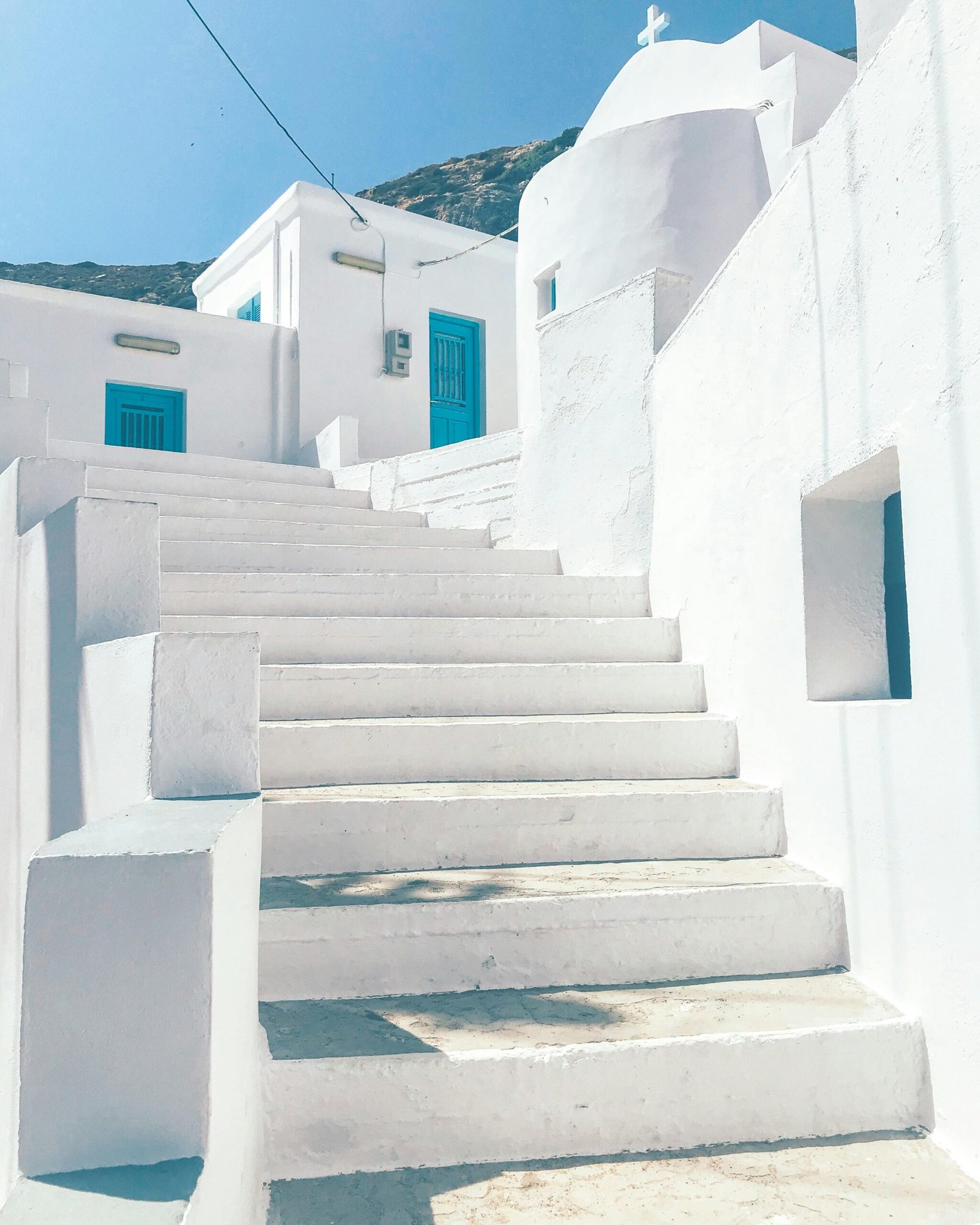
Why Most First-Timers to Santorini Leave Slightly Disappointed usually comes down to one thing: they arrive expecting the island to behave like its photos. That is not what happens in peak season, when the island is busy, hot, expensive, and far more structured around demand than first-timers want to admit.
The disappointment is rarely about Santorini being bad. It is about a mismatch between the emotional story people built before they arrived and the actual experience of moving through a very crowded, very famous place. That mismatch is predictable, which is why it repeats so often.
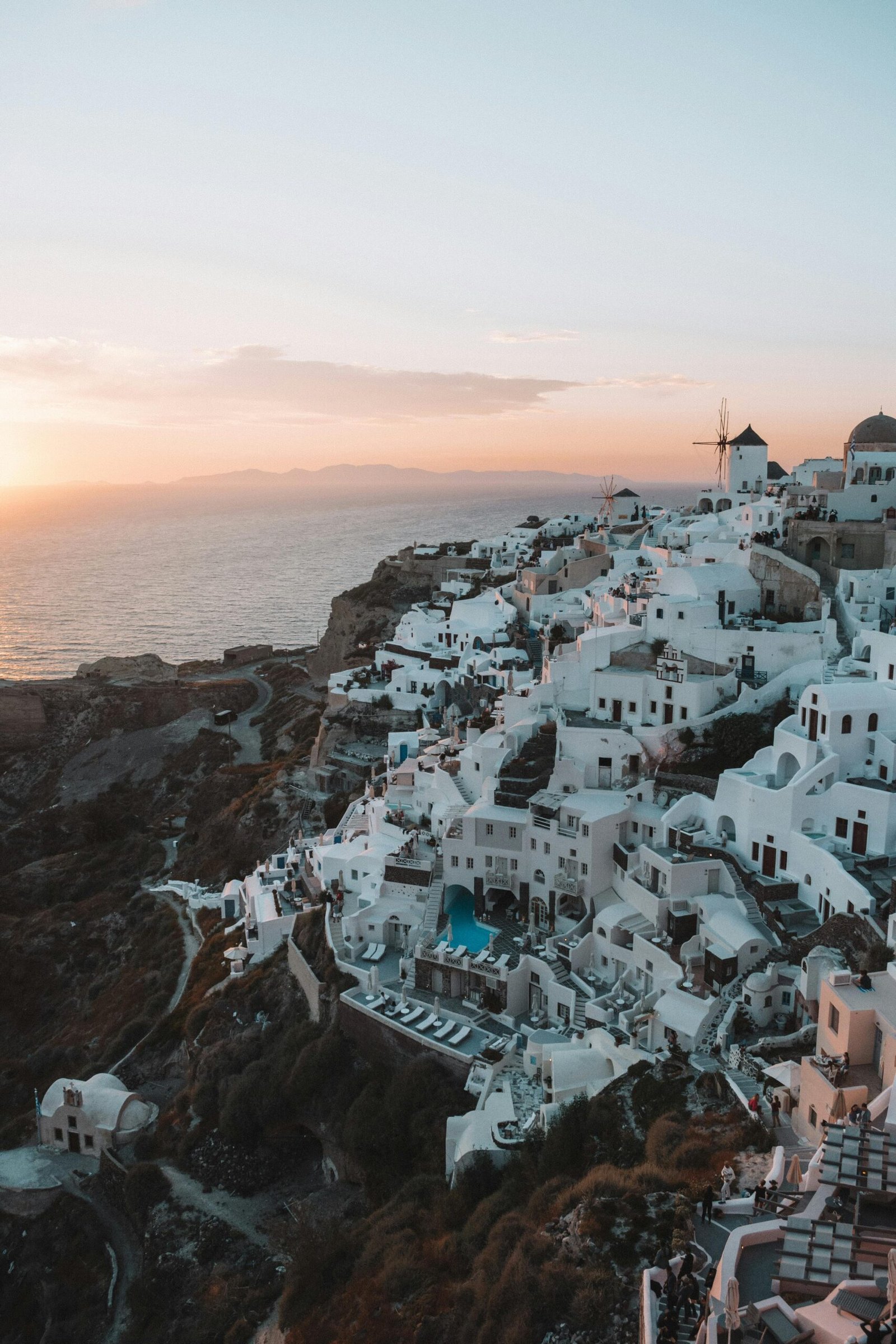
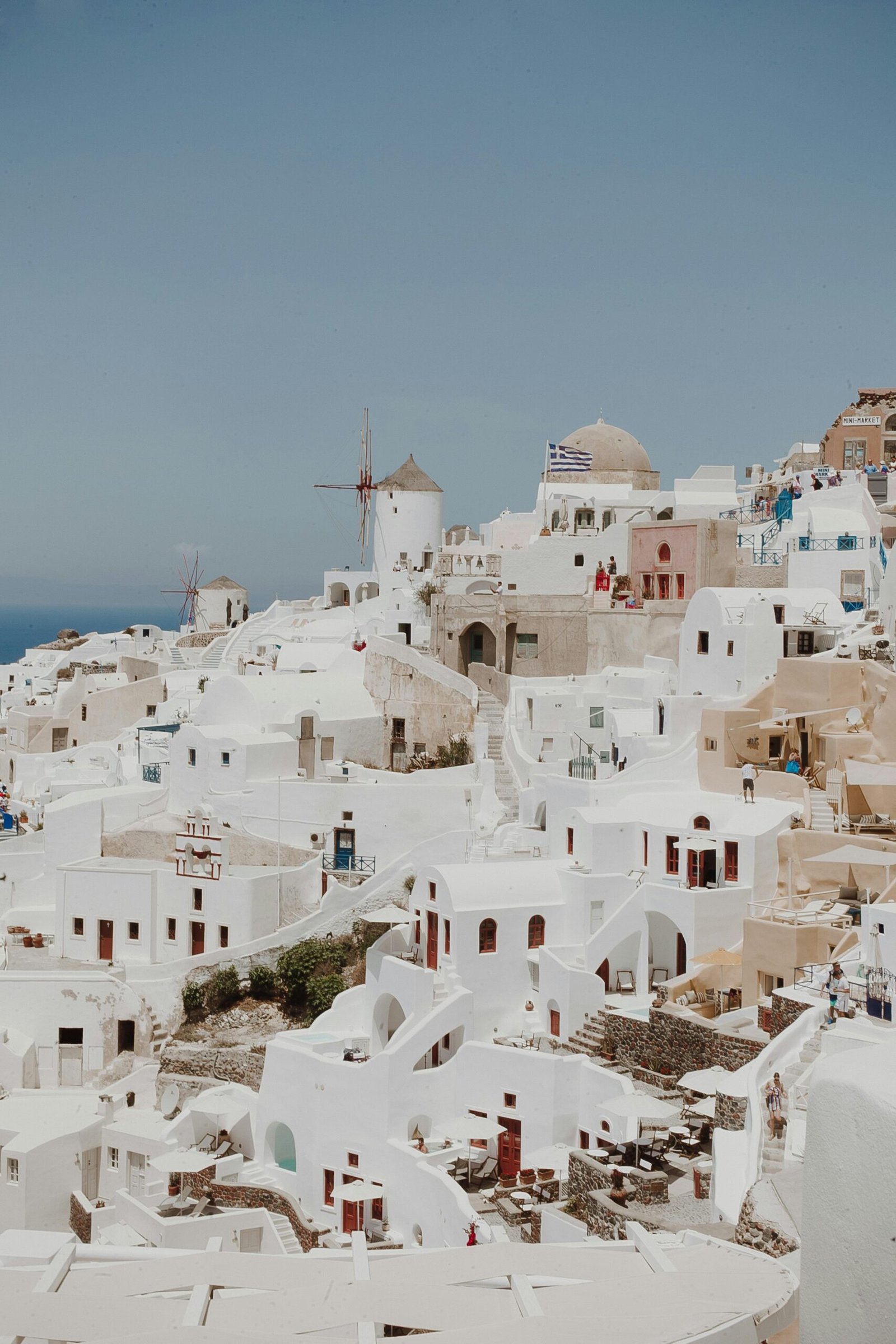
Why Most First-Timers to Santorini Leave Slightly Disappointed
Why Most First-Timers to Santorini Leave Slightly Disappointed is not a mystery to anyone who works trips here every season. The pattern is simple: people choose Santorini for the image they have absorbed, then react badly when the island behaves like a real place with pressure points, not a private backdrop.
The problem starts long before arrival. Travelers are not choosing Santorini only for the destination; they are choosing what Santorini means in their head. For many, it stands for romance, ease, and a polished version of Greece that feels safe, special, and easy to justify socially.
The image travelers buy before they book
Most first-timers are not making a practical decision. They are making an emotional one, and that matters because emotional decisions are usually built around relief. Santorini feels like a low-risk way to get the Greece trip “right” because it is instantly recognizable and easy to explain to other people.
That is why the island gets picked by couples trying to mark an occasion, by first-time visitors who want a guaranteed payoff, and by travelers who do not want to spend mental energy comparing islands. They are buying certainty. They are also buying the feeling that if they choose Santorini, they will not have made a mistake.
Why Most First-Timers to Santorini Leave Slightly Disappointed in peak season
Peak season changes the whole emotional experience. The island becomes more managed, more crowded, and more expensive than most first-timers expect, and those three things together create friction fast. People think they are signing up for a relaxed, elegant island escape; what they often get is a compressed, high-demand environment where every simple thing takes more patience than expected.
My clear view: Santorini is the wrong first island for travelers who want a calm introduction to Greece in July and August. It is not a soft landing. It is a famous destination operating at maximum load, and first-timers underestimate how much that affects mood, flexibility, and patience.
The island is still worth visiting for the right person, but the common assumption that fame equals ease is exactly what produces disappointment. Why Most First-Timers to Santorini Leave Slightly Disappointed is really shorthand for this: the destination is delivering what it is, while the traveler was expecting what it represents.
The moment the disappointment usually hits
The shift usually happens when the fantasy stops and the logistics start. It is the moment a traveler realizes the view is not the whole experience, or when a short errand becomes a test of patience, or when the day feels shaped by crowds instead of choice. That is when the mood changes.
The surprising part is that many people are not disappointed by the famous caldera view at all. They are disappointed by everything around it: the pace, the pressure, the sense that they are always slightly behind the island’s rhythm. Santorini is one of the few places where the most photographed part of the trip is not what creates the strongest memory.
That is also where Why Most First-Timers to Santorini Leave Slightly Disappointed becomes obvious in practice. The island delivers the visual payoff, then asks for more tolerance than the traveler planned to give.
The emotional gap between expectation and reality
Expectations are usually built around ease, intimacy, and a sense of exclusivity. Reality in peak season is more public than private, more scheduled than spontaneous, and more expensive than first-time visitors budget for. That gap is not small; it is the whole story.
People also underestimate how much they want the island to validate the effort they made to get there. When a place is expensive and famous, travelers expect a stronger emotional return. If the day feels crowded or the experience feels compressed, they do not just feel inconvenienced; they feel shortchanged.
This is why Santorini can be perfectly fine and still leave a slight aftertaste of disappointment. The trip “worked,” but not in the way the traveler hoped it would. That difference matters more than most people admit.
Who is most prone to this pattern
The travelers most likely to feel this are the ones who want a clean, effortless win. Couples on a milestone trip are especially vulnerable because they arrive carrying emotional expectations the island cannot control. First-time Greece visitors are another group, because they often treat Santorini as the default starting point rather than one option among many.
These travelers often share a common trait: they want their Greece trip to feel definitive. They want one place to deliver the memory, the photos, and the sense that they chose well. That pressure is exactly what makes disappointment more likely.
- Milestone travelers who want the trip to feel special every minute
- First-time visitors who assume the most famous island is the safest choice
- Travelers who dislike crowds but book peak season anyway
- People who want a “luxury” experience without planning around demand
What travelers consistently underestimate
They underestimate how much fame changes the feel of a place. Santorini is not just an island; it is a global brand, and brands create expectations that real places cannot fully satisfy. That is why people often arrive already slightly tense, trying to match what they have seen online.
They also underestimate how quickly peak-season pressure affects decision-making. When a destination is busy, small disappointments start to stack up, and once that happens, every inconvenience feels larger than it is. One crowded moment can color the whole day.
For a broader sense of how Greece handles heritage, crowds, and visitor flow across major destinations, it helps to look at official sources like
Visit Greece. The useful lesson is not that Santorini is overhyped in a simple sense. It is that fame changes the visitor psychology before the trip even starts.
How to approach Santorini differently
The better approach is not to expect less for the sake of humility. It is to stop asking Santorini to be something it is not. If you want calm, space, and an easier emotional rhythm, do not force the island to perform that role in peak season.
Approach it as a place with a strong visual identity, strong demand, and real trade-offs. That mindset changes everything. You stop measuring the trip against a fantasy and start judging it on its actual terms.
That is also where Greece travel gets better in general. Greece rewards travelers who arrive with a plan, but only when that plan matches the kind of experience they actually want. If you know you are chasing atmosphere, status, and a famous view, Santorini can make sense. If you are chasing ease, quiet, and emotional breathing room, it is usually the wrong fit.
For travelers who want a more grounded view of Greek culture and public-facing heritage, the Hellenic Ministry of Culture is a useful reminder that Greece is not a set of postcard scenes. It is a country with real places, real pressure, and real seasonal realities. Santorini is no exception.
Reframing the trip so it actually works
The right reframe is simple: do not ask whether Santorini is worth it in the abstract. Ask what emotional job you want the island to do, and whether peak season is the right setting for that job. That question is much more honest, and it leads to better decisions.
If you want the trip to feel polished and memorable, Santorini can deliver. If you want it to feel relaxed, personal, and easy, the island will likely frustrate you. That is not a failure of the destination. It is a failure of expectation management.
Once travelers see that, Why Most First-Timers to Santorini Leave Slightly Disappointed stops being a warning and starts being a useful filter. It helps them choose the right island, the right season, and the right sequence for the kind of Greece trip they actually want.
Recognizing the pattern is the first step. The second is building a trip around how you actually travel — not the traveler you imagine yourself to be. Most great Greece experiences start with that honesty.
Frequently asked questions
Is Santorini actually disappointing for first-time visitors?
Not for everyone. The disappointment usually comes from expecting a calm, effortless, romantic experience in peak season. Santorini can be rewarding, but it is rarely as easy or as private as first-timers imagine.
Why does peak season make Santorini feel different?
Because the island’s most famous areas absorb a lot of demand in a small space. Crowds, higher prices, and pressure on simple decisions change the mood of the trip fast.
Who is most likely to be disappointed in Santorini?
Travelers who want quiet, space, and flexibility are the most vulnerable. So are couples who expect a milestone trip to feel flawless every day.
What is the biggest mistake first-timers make?
They choose Santorini because it feels like the safest iconic choice, not because it matches the kind of trip they actually want. That mismatch is what creates most of the letdown.
Is Santorini better outside peak season?
Yes, for many travelers. Outside peak season, the island is less pressured and easier to experience on its own terms. The emotional gap is smaller when the crowds are smaller.
Should Santorini be the first island on a Greece trip?
Not always. It works for travelers who want a famous, high-impact stop. It is a poor first choice for people who want a softer, more relaxed introduction to Greece.