

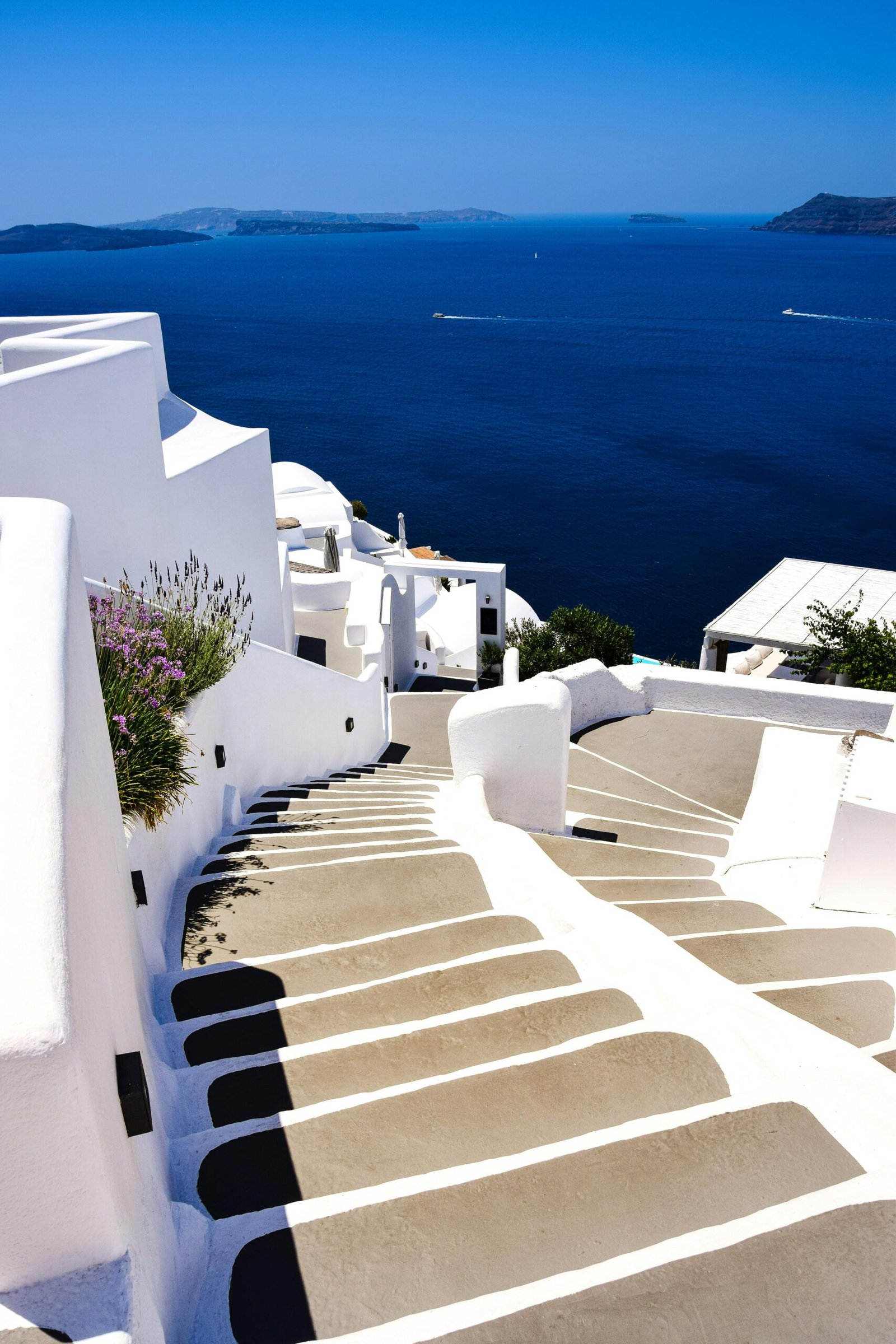
Why Most First-Timers to Santorini Leave Slightly Disappointed usually starts with a very specific assumption: that the island will match the version of it they have already seen online. People do not arrive expecting a place; they arrive expecting a feeling they have already rehearsed in their head. That is where the trouble starts.
Santorini is not disappointing because it is overrated in some simple sense. It disappoints when travelers confuse a high-profile destination with a personal guarantee of ease, intimacy, and constant visual payoff. In peak season, that assumption gets tested fast.
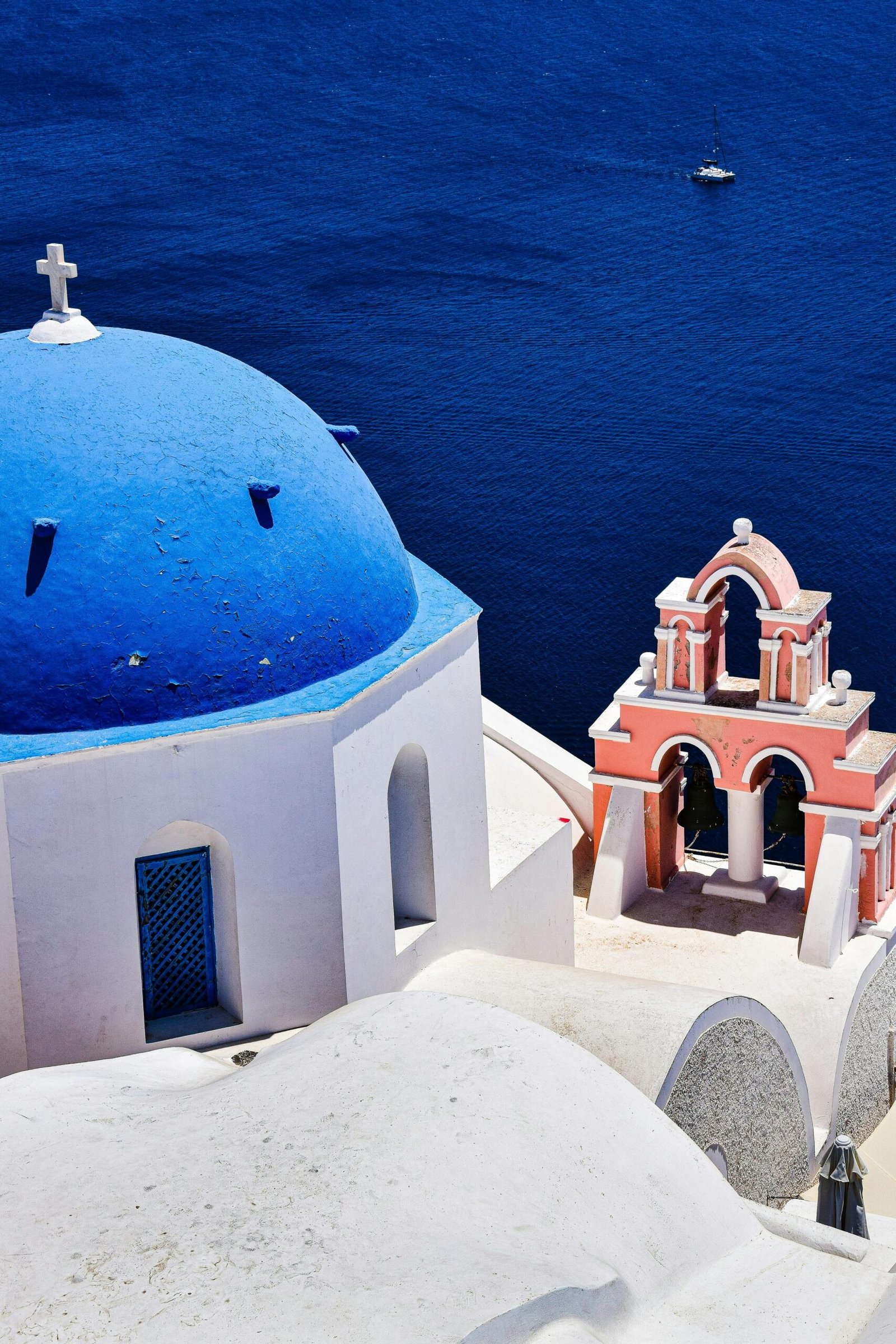
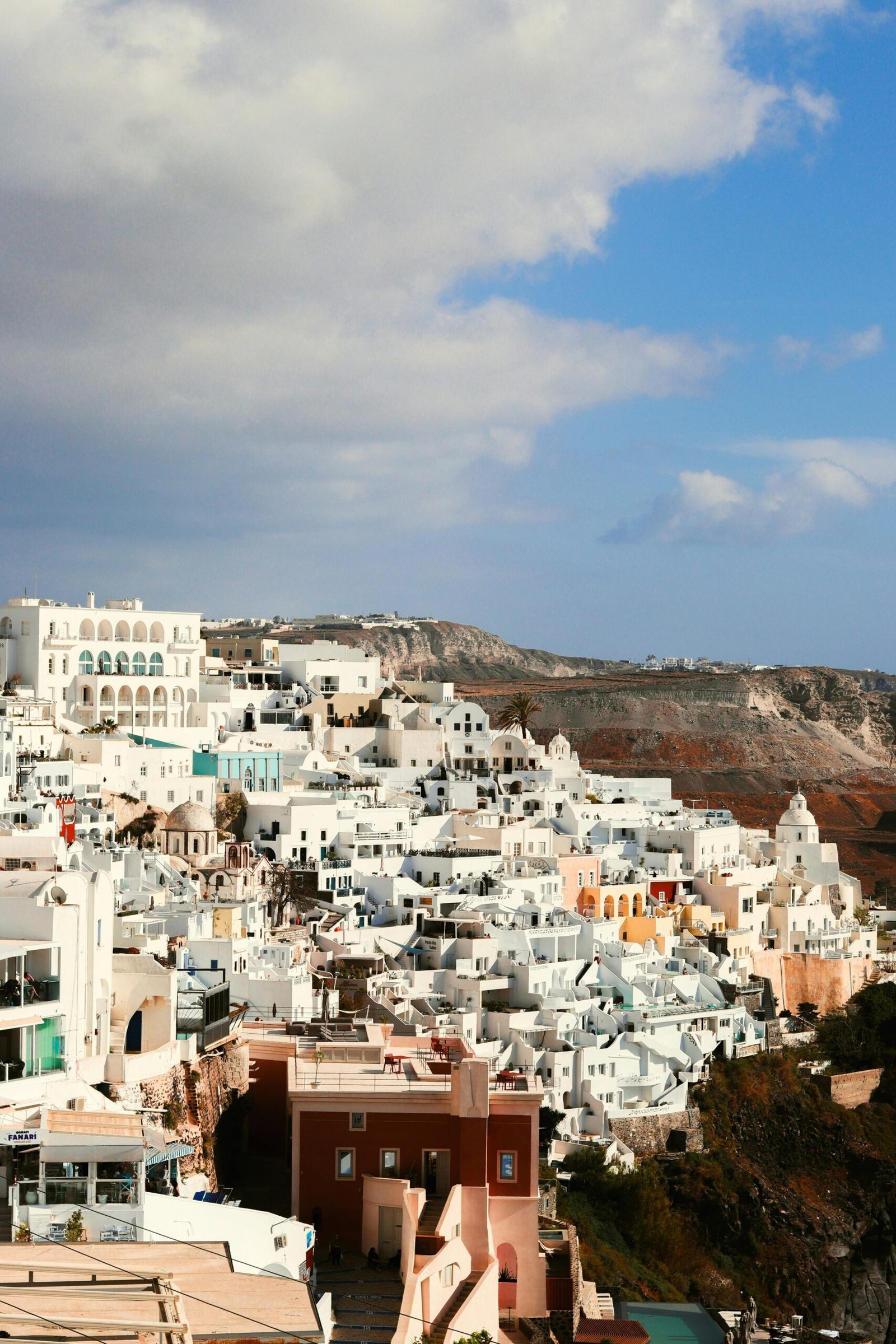
Why Most First-Timers to Santorini Leave Slightly Disappointed
The psychology behind Why Most First-Timers to Santorini Leave Slightly Disappointed
The core mistake is not ignorance. It is projection. Travelers see Santorini as a compressed version of their ideal Greece trip: easy romance, dramatic views, polished meals, and enough downtime to feel like they have “done” the island properly.
That expectation is emotionally understandable. Santorini is one of the most photographed places in Greece, so first-timers arrive already carrying a script. They are not just buying a trip; they are trying to confirm an image they have already paid attention to for years.
Why Most First-Timers to Santorini Leave Slightly Disappointed is really a story about control. People want the island to deliver a clean, repeatable experience, and peak season is not built for that. Crowds, heat, queues, and constant movement make the place feel less like a private escape and more like a very expensive shared stage.
What travelers expect versus what they actually get
Most first-timers expect calm, space, and a sense of being above the noise. What they usually get is a destination that is physically small, heavily visited, and emotionally demanding in the middle of summer. The island still looks like Santorini, but the experience is often more compressed, more scheduled, and more public than people imagined.
The biggest gap is not visual. It is emotional. Travelers expect to feel relaxed the moment they arrive, but peak-season Santorini often asks for patience, flexibility, and a tolerance for friction that many people did not budget for.
This is where Why Most First-Timers to Santorini Leave Slightly Disappointed becomes obvious in real time. The disappointment is not “this place is bad.” It is “this place is not letting me feel the way I thought I would feel here.” That is a very different problem, and it is a common one.
The moment disappointment usually hits
The letdown usually arrives when the island stops being a backdrop and starts behaving like a busy destination. For many travelers, that moment is the first sunset experience when the crowd, the pace, and the pressure to enjoy it all at once make the scene feel managed rather than effortless.
Another common trigger is the first full day when the practical side of Santorini becomes impossible to ignore. Distances are short, but the island can still feel tiring. People discover that a place can be beautiful and still require more mental energy than they expected.
The surprise is that the disappointment often shows up after a good meal or a beautiful view, not before it. Travelers think they are underwhelmed by the destination, when in fact they are reacting to the mismatch between a highly curated image and the ordinary friction of peak-season travel.
Why peak season makes the mismatch worse
Peak season magnifies everything travelers already bring with them. If someone arrives wanting serenity, the crowds sharpen the contrast. If they arrive wanting romance, the logistics and noise can make the trip feel more transactional than intimate.
My clear position: if your main goal is a calm first encounter with Santorini, peak summer is the wrong time to visit. That is not a soft opinion. It is a practical one. The island’s reputation is built partly on what it looks like in ideal conditions, not on what it feels like when it is busiest.
People often think they are choosing the “best” time because everyone else is going. In reality, they are choosing the most socially validated time, which is not the same thing as the best emotional fit. That is exactly why Why Most First-Timers to Santorini Leave Slightly Disappointed keeps repeating itself.
Who is most prone to this pattern
These travelers are usually not naive. They are often the opposite: high-expectation, time-limited, and trying to make one Greece trip count. They want the safest famous choice because they do not want to “miss” Santorini and later regret it.
They also tend to be travelers who value visual payoff over process. That includes honeymooners, first-time Greece visitors, and people planning a milestone trip who want the destination to feel special without needing much adaptation from them. Santorini can serve that brief, but only if the traveler understands what kind of place it is.
- First-time Greece visitors who assume the most famous island is automatically the best match
- Honeymooners who want privacy but do not account for peak-season density
- Travelers with limited time who expect one island to deliver every version of Greece
- People who choose destinations mainly from photos and social media memory
The assumption that creates the real problem
The bad assumption is not “Santorini is beautiful.” It is “Santorini will feel the way it looks in photos.” That is the mistake that causes the most frustration, because photos strip out crowding, heat, waiting, and the constant negotiation that comes with a famous place in high season.
This matters because the wrong expectation changes the whole emotional tone of the trip. Once travelers feel they are chasing the island instead of experiencing it, every small inconvenience feels bigger. A late lunch, a crowded viewpoint, or a rushed check-in suddenly becomes evidence that the trip is failing.
That is why a lot of first-timers leave with mixed feelings even when nothing actually went wrong. The problem is not the island’s quality. The problem is the gap between fantasy and conditions.
What a better approach looks like
A better approach starts with admitting that Santorini is a high-demand destination, not a blank canvas for your idealized Greece mood. If you want the island to feel generous, you need to stop asking it to perform on command. That means choosing expectations that match its actual rhythm instead of the version sold by repetition.
It also means treating Santorini as one part of a broader Greece trip, not the whole emotional center of it. Travelers who build around that idea usually have a better experience because they stop expecting one place to do all the work. Greece rewards travelers who arrive with a plan, but only when that plan is based on reality rather than image.
For broader context on how Greece presents itself beyond the postcard version, it is worth looking at
official Greece travel information and separating national marketing from your own trip goals. That distinction is useful, because Santorini is often sold as a universal answer when it is really a very specific kind of destination.
Why Most First-Timers to Santorini Leave Slightly Disappointed is not a warning to avoid the island. It is a warning to stop expecting it to behave like a private fantasy in the middle of peak season.
How to reframe Santorini before you book
Reframe Santorini as a place with a strong visual identity and a real seasonal cost. That sounds less romantic, but it is more useful. Travelers who understand the trade-off are far less likely to feel tricked by the experience.
If your emotional goal is ease, space, and a slower first impression of Greece, then Santorini may need to be handled carefully or paired with a different kind of island experience. If your goal is to see the famous version and accept the crowding that comes with it, you are much less likely to feel let down.
For travelers who want to understand the cultural context behind Greece’s most famous places, the Greek Ministry of Culture is a useful reference point. It will not solve the crowd problem, but it does remind you that these places are real destinations with real pressures, not just backdrops for a trip.
Recognizing the pattern is the first step. The second is building a trip around how you actually travel — not the traveler you imagine yourself to be. Most great Greece experiences start with that honesty.
Frequently asked questions
Why do first-time visitors feel let down by Santorini?
Because they arrive expecting the island to match the image they already have in their head. In peak season, the crowds, pace, and pressure make that expectation hard to sustain.
Is Santorini actually disappointing?
Not inherently. It disappoints when travelers expect it to feel private, calm, and effortless during the busiest months of the year.
What is the biggest mistake first-timers make in Santorini?
They assume the most famous version of the island is the same as the best version for their trip. Fame and fit are not the same thing.
Who is most likely to be disappointed in Santorini?
Travelers who want a quiet, romantic, low-friction experience but choose peak season anyway. Also people with very photo-driven expectations.
Does Santorini work better at another time of year?
Yes. Outside peak season, the island feels less compressed and less performative. That usually improves the experience for first-timers.
Should Santorini be the first island in a Greece trip?
Not always. For some travelers, starting there creates a distorted benchmark for the rest of the trip because it is so heavily visited and visually loaded.
How should I think about Santorini before booking?
Treat it as a famous, high-demand destination with real seasonal trade-offs. If you accept that upfront, you are less likely to feel disappointed later.