

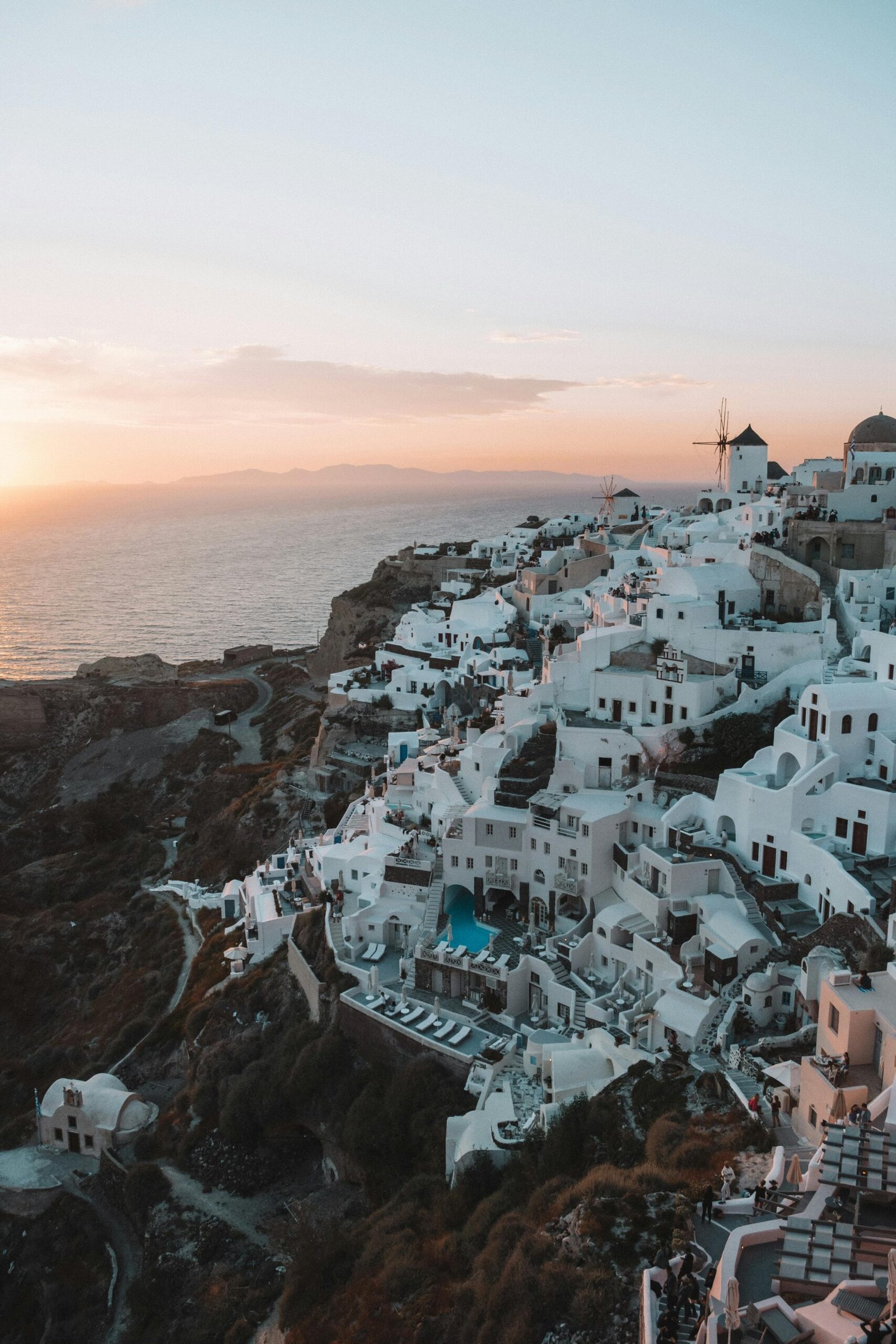
Why Most First-Timers to Santorini Leave Slightly Disappointed starts with a simple psychological mistake: people arrive expecting a private version of the island they have seen online, then discover they are sharing it with everyone else who had the same idea. That gap is not a failure of Santorini. It is a failure of expectation management.
Most first-time visitors are not choosing Santorini because they know the island well. They are choosing it because it represents a very specific fantasy: dramatic views, easy romance, and a sense that the island will do the work for them. In peak season, that fantasy runs straight into crowds, heat, queues, and prices that make even confident travelers feel slightly cornered.
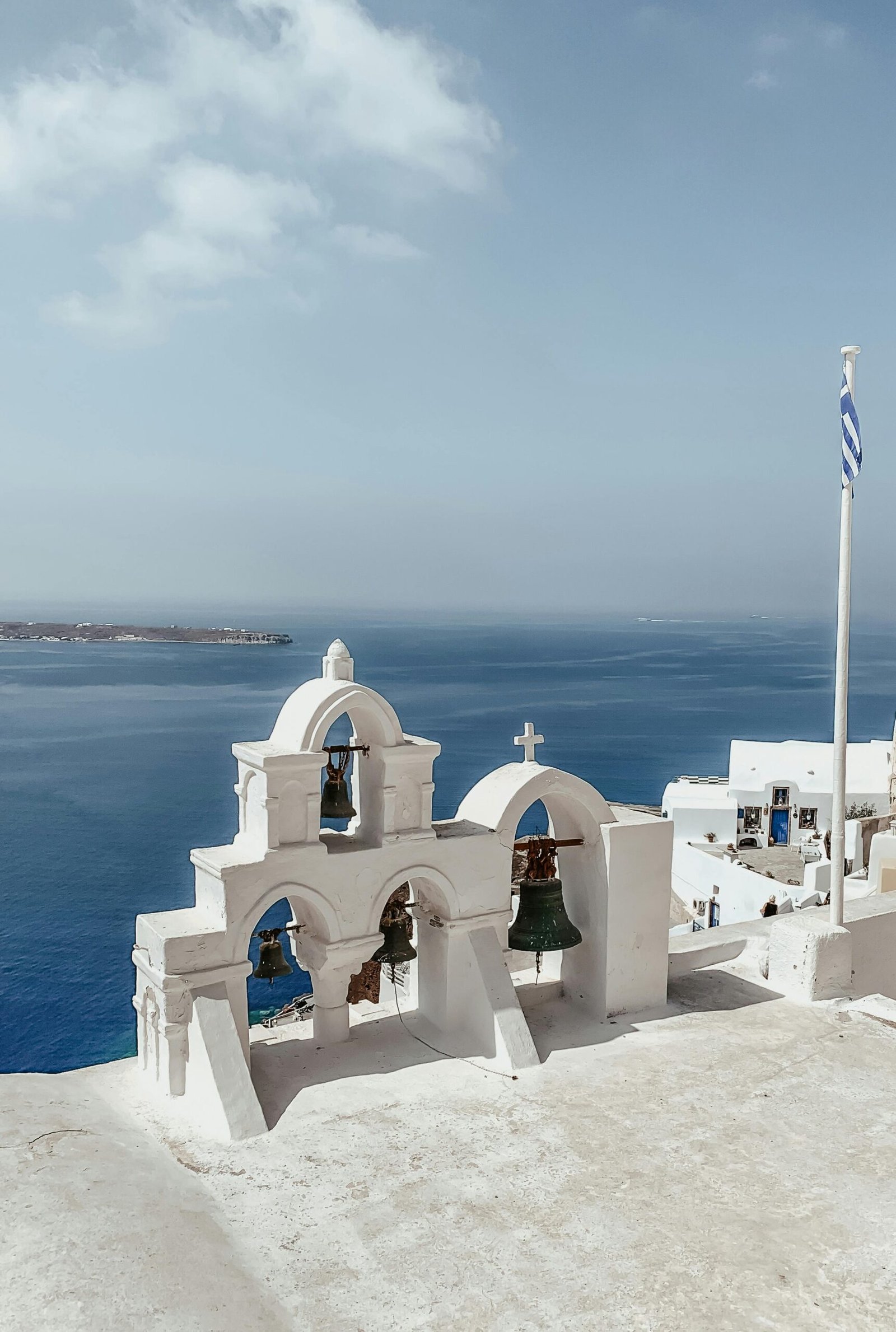
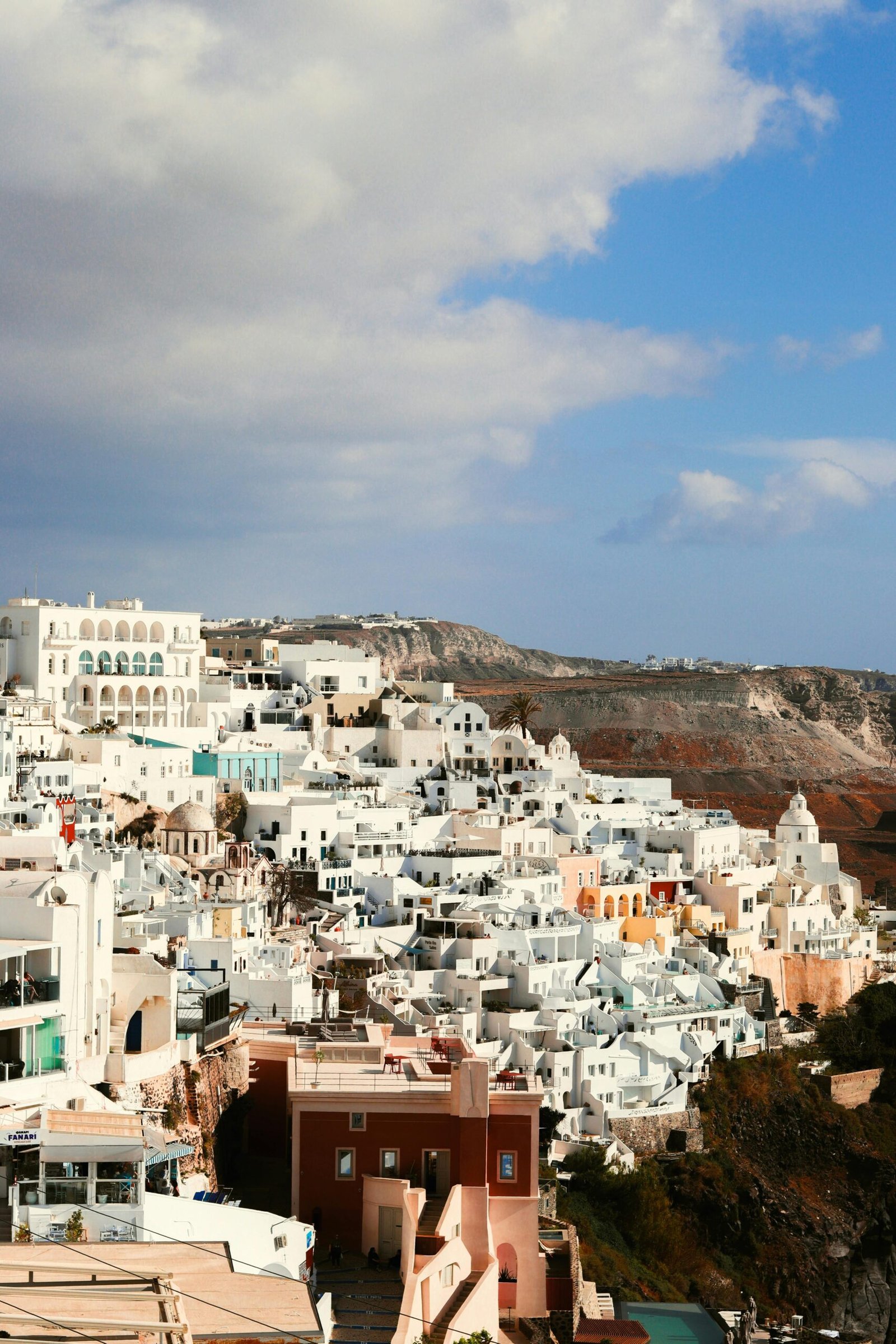
Why Most First-Timers to Santorini Leave Slightly Disappointed
The core mistake is emotional, not logistical. People do not book Santorini because they want an island; they book it because they want a feeling: validation, beauty, and the sense that they picked the “right” Greece. That is exactly why Why Most First-Timers to Santorini Leave Slightly Disappointed keeps showing up as a pattern, not an accident.
Santorini is also a status destination, which matters more than most travelers admit. For many first-timers, the trip is partly about saying they did it, saw it, and stayed there. Once a destination becomes a social proof purchase, disappointment becomes more likely because the traveler is judging the place against an internal script, not against what the island actually is.
The image people buy is cleaner than the island can be in peak season
The Santorini most travelers picture is narrow, polished, and almost empty. The Santorini they meet in peak season is busy, expensive, and often physically tiring to navigate. That mismatch is where Why Most First-Timers to Santorini Leave Slightly Disappointed becomes obvious: the island is still attractive, but the experience feels less exclusive than expected.
What people underestimate is how much crowd density changes mood. A place that looks serene in photos can feel compressed in real life when every viewpoint, terrace, and popular lane is full of people trying to capture the same angle. The island does not get worse; the emotional tone does.
Why Most First-Timers to Santorini Leave Slightly Disappointed
There is a very specific moment when the disappointment usually lands. It is not on arrival, and it is not at sunset. It is the moment travelers realize that the island’s most famous experience is also its most shared experience, and that their own sense of arrival is being competed with by hundreds of other people doing the same thing at the same time.
That moment matters because it changes the entire tone of the trip. Once a traveler feels they are waiting for Santorini to “become” the version they imagined, every small inconvenience gets amplified. The line feels longer. The prices feel sharper. The island starts to feel performative instead of personal.
Greece rewards travelers who arrive with a plan, but Santorini especially punishes people who confuse a famous view with a complete trip. A view is not a rhythm. A photo is not an experience. First-timers who do not make that distinction are the ones most likely to leave saying the island was beautiful, but not as satisfying as they expected.
The emotional trap: wanting romance without friction
Many travelers come to Santorini wanting a low-friction romantic experience. They want the island to remove effort, to smooth out decisions, and to make everything feel easy. That desire is understandable, but it is also where disappointment begins, because Santorini is not easy in peak season.
The surprise for many couples is that an island marketed as effortless can feel oddly transactional. You pay more, wait more, and spend more time managing the experience than sinking into it. When that happens, the trip can feel less intimate than a quieter Greek island that never made the same promises.
This is one reason Why Most First-Timers to Santorini Leave Slightly Disappointed is such a persistent pattern. Travelers are not just buying scenery; they are buying emotional convenience. Santorini delivers drama, but it does not reliably deliver ease.
Who is most prone to this pattern
Certain traveler types are especially vulnerable to this disappointment. They are usually not bad travelers; they are just carrying the wrong emotional expectation into the trip.
- First-time Greece visitors who want their one island to feel definitive
- Couples expecting privacy, quiet, and a built-in romantic atmosphere
- Travelers influenced by social media who are chasing a specific visual outcome
- People who dislike crowds but book the island because it is the most famous name
- Travelers who want luxury but have not thought through the cost-to-satisfaction ratio
The common thread is not taste; it is projection. These travelers are not choosing Santorini for what it is. They are choosing it for what they hope it will confirm about their trip, their relationship, or their ability to travel well.
The counterintuitive truth: the more famous the island, the more fragile the experience
This is the part many people do not want to hear: fame makes Santorini less forgiving. A lesser-known island can absorb a bad mood, a crowded day, or a flawed plan. Santorini cannot, because every expectation is already inflated before the traveler lands.
That is why peak season is such a problem. The island is not just busy; it is under pressure from constant comparison. Travelers compare it to photos, to friends’ trips, to a honeymoon fantasy, and to the idea that if they spent the money, the feeling should be guaranteed. That is a bad setup.
If you want a more honest read on the island and the country around it,
Visit Greece is a useful starting point, but even official material cannot fix a traveler’s emotional overreach. The real issue is not information. It is the assumption that the most famous choice must also be the most satisfying one.
What travelers get wrong about peak-season Santorini
People think peak season only changes availability. In practice, it changes mood, patience, and the amount of mental energy the island demands. That is the real cost, and it is why Why Most First-Timers to Santorini Leave Slightly Disappointed keeps repeating itself year after year.
Peak season also strips away the sense of discovery. Instead of feeling like they found a place, travelers feel like they joined a queue for an experience they already half-know from screens. When a destination is that overfamiliar before arrival, it has very little room left to surprise anyone in a good way.
For travelers who care about context, the Greek Ministry of Culture is a better reminder that Santorini is one part of a much larger cultural landscape, not the whole story. That matters because many first-timers overinvest in a single island and underinvest in the wider shape of a Greece trip.
What a better approach looks like
The better approach is not lower standards. It is better emotional framing. Santorini works best when you treat it as one strong part of a trip, not the entire reason for the trip. Once travelers stop asking it to carry all their expectations, the island usually feels more coherent and less disappointing.
That means being honest about what you actually want. If you want quiet, privacy, and space to think, Santorini in peak season is a blunt tool. If you want iconic views, a polished setting, and you can tolerate crowd pressure, it can still be worth it. The mistake is pretending those are the same thing.
Approach the island as a place with trade-offs, not as a promise. That single shift changes the whole trip. It also explains why Why Most First-Timers to Santorini Leave Slightly Disappointed is not really about Santorini at all; it is about the gap between fantasy and the reality of shared, high-demand travel.
Recognizing the pattern is the first step. The second is building a trip around how you actually travel — not the traveler you imagine yourself to be. Most great Greece experiences start with that honesty.
Frequently asked questions
Why do first-time visitors expect Santorini to feel better than it does in peak season?
Because Santorini is marketed and remembered as a visual icon, not as a crowded high-demand destination. First-timers often arrive expecting the image to reproduce itself in real life, and that is where the disappointment starts.
Is Santorini actually disappointing, or are expectations just too high?
For many first-timers, expectations are too high. Santorini can still be excellent, but only if you understand that fame, crowds, and cost are part of the experience, not side issues.
What is the biggest emotional mistake people make with Santorini?
They treat it like a guaranteed romantic outcome instead of a destination with real friction. When a trip is built around a feeling rather than a place, disappointment is easy to trigger.
Who is most likely to feel let down by Santorini?
Travelers who want privacy, quiet, or a once-in-a-lifetime sense of exclusivity are the most vulnerable. Social-media-driven visitors also tend to feel the gap most sharply.
Why does peak season make Santorini feel worse?
Peak season increases crowding, noise, pressure, and the amount of time spent managing the experience. That changes the mood of the island even if the scenery itself is unchanged.
How should a first-timer think about Santorini differently?
Treat it as a high-demand destination with trade-offs, not as the defining measure of a Greece trip. That mindset leads to a more realistic and usually more satisfying visit.