

Why Most First-Timers to Santorini Leave Slightly Disappointed is usually not a problem with Santorini itself. It is a problem with the story people bring with them: they expect a place to behave like its photos, and peak season makes that mistake expensive.
The disappointment is rarely dramatic. It shows up as a quiet mismatch between what travelers thought they were buying and what they actually got: crowds, heat, queues, inflated prices, and a lot less privacy than they imagined.
Why Most First-Timers to Santorini Leave Slightly Disappointed
There is a very specific psychological trap behind Why Most First-Timers to Santorini Leave Slightly Disappointed: people do not choose Santorini as a destination so much as they choose an image of Santorini. They are buying a version of the island that has been filtered through social media, wedding photography, and years of repetition in travel marketing.
That matters because the island is not disappointing in the same way a bad hotel is disappointing. It is disappointing in the way a fantasy becomes awkward when you try to live inside it. The problem is expectation management, not geography.
The image people buy is cleaner than the island they arrive in
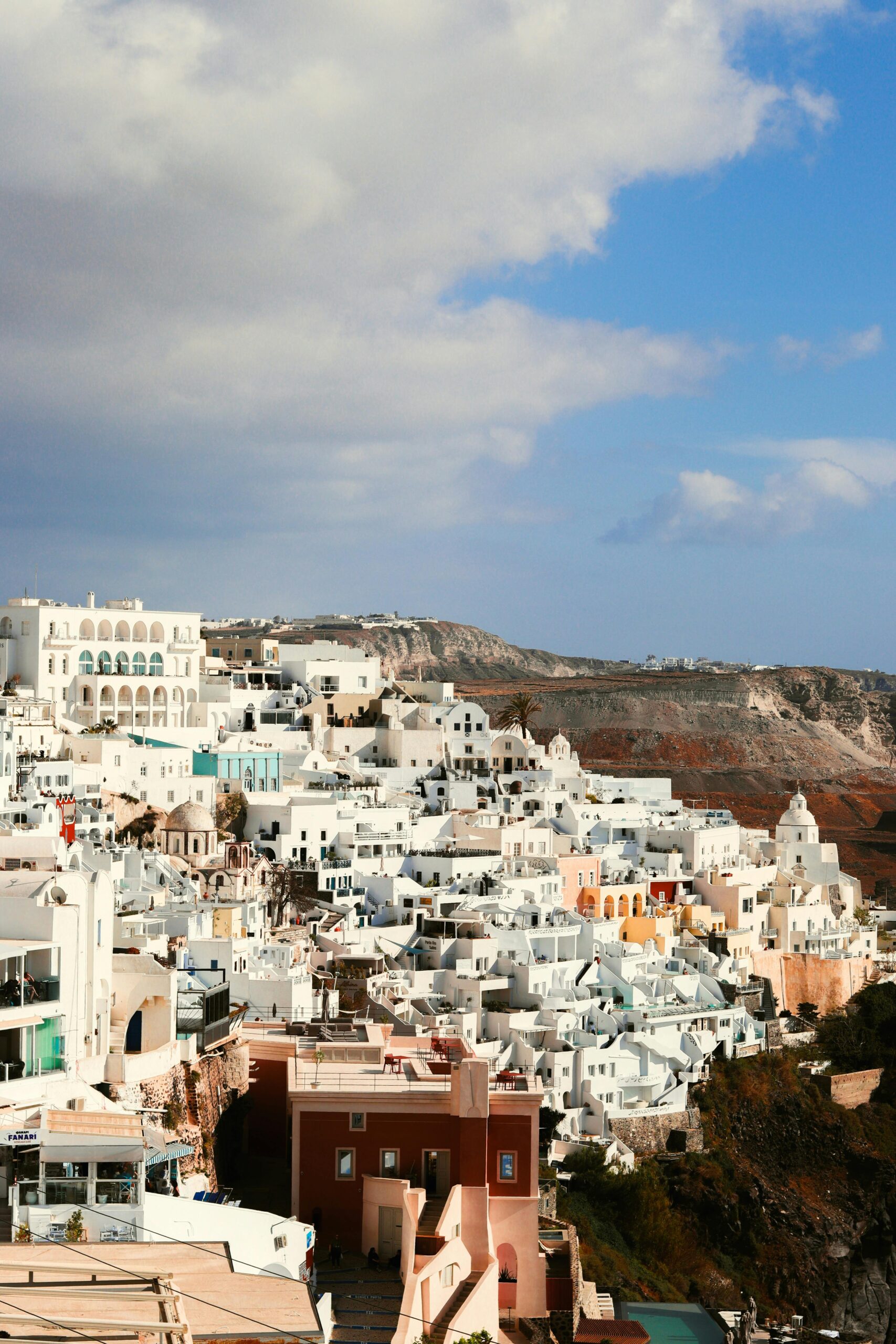
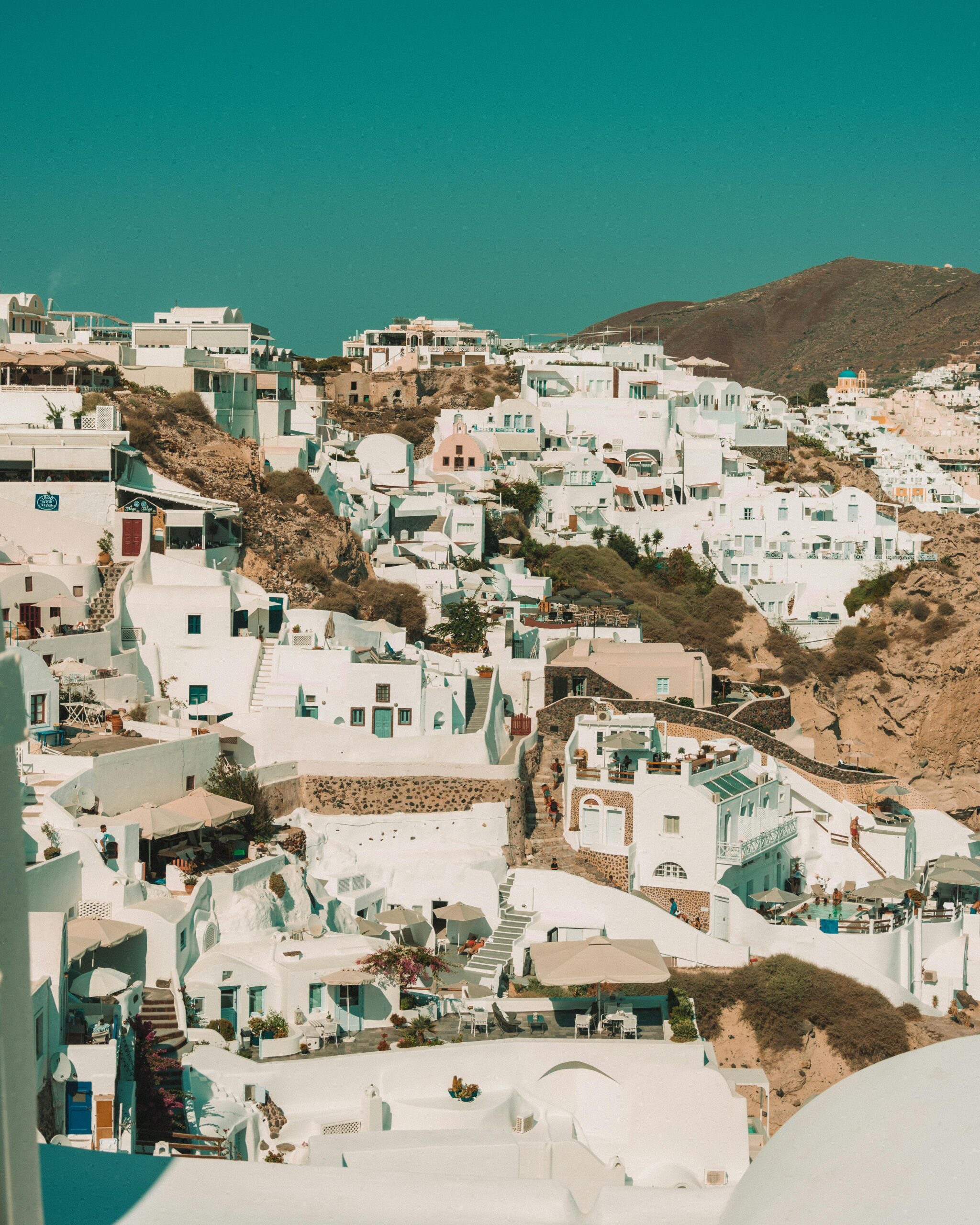
Santorini is one of the most heavily pre-framed destinations in Greece. By the time first-timers arrive, they have already seen the white walls, blue domes, caldera views, and sunset terraces so many times that they assume the island will deliver that exact feeling on demand. It will not.
The real island is busier, more commercial, and more uneven than the postcard version. In peak season, the experience is shaped less by romance and more by friction: waiting, sharing space, and constantly adjusting your expectations to the crowd in front of you.
That is why Why Most First-Timers to Santorini Leave Slightly Disappointed is such a useful phrase. It points to a very common mistake: travelers confuse visual familiarity with actual readiness for the place.
Why Most First-Timers to Santorini Leave Slightly Disappointed in peak season
Peak season changes the emotional texture of Santorini. The island becomes less about atmosphere and more about throughput. Restaurants are fuller, viewpoints are crowded, and the simple act of moving through the most photographed areas can feel like being processed through a queue.
The surprising part is that many travelers do not mind crowds in cities, but they resent them on islands. They arrive expecting Santorini to feel private and restorative, then discover that everyone else had the same idea at the same time. That mismatch creates a sharper disappointment than a straightforwardly busy destination would.
My clear position: if your main goal is a calm Greek island experience, Santorini in peak season is the wrong choice. Not a slightly imperfect choice. The wrong one. You can still enjoy it, but only if you stop expecting it to behave like a quiet retreat.
The emotional gap: what travelers expect versus what they actually feel
What people expect is ease. They expect to arrive and immediately feel that they have made a smart, elevated decision. They expect the island to validate the cost, the planning, and the anticipation.
What they often feel instead is pressure. Pressure to get the right photo, the right dinner, the right sunset, the right room, the right view. That pressure is exhausting, and it is why even a beautiful place can leave people oddly flat.
This is where Why Most First-Timers to Santorini Leave Slightly Disappointed becomes more than a search phrase. It describes a very human letdown: the gap between wanting a destination to confirm your taste and discovering that it requires patience, flexibility, and a tolerance for inconvenience.
The moment disappointment usually hits
For many first-timers, the disappointment does not arrive on day one. It arrives at the first high-expectation moment that feels crowded, rushed, or transactional. That is often the sunset window, when the island’s most famous experience becomes the least private one.
People expect a shared sense of awe. What they get is a dense crowd, people standing in the wrong place, and a constant awareness that everyone is trying to capture the same scene. Once that happens, the fantasy collapses a little.
Another common trigger is the first meal with a view. Travelers assume the view will compensate for everything else. In reality, once the service is slow, the table is cramped, and the bill is high, the view starts to feel like a surcharge rather than a reward.
Who is most prone to this pattern
Some traveler types are more vulnerable to this disappointment than others. The first is the image-led traveler, the person who chooses destinations based on what they will look like in memory and on camera. Santorini is especially risky for them because the island has been overexposed to the point that reality can only underperform.
The second is the milestone traveler: honeymooners, anniversary travelers, and people celebrating something important. They are not wrong to want a special place. They are just more likely to interpret ordinary friction as a failure of the destination rather than a normal feature of peak-season Greece.
- Image-led travelers who want the place to match the photos exactly
- Milestone travelers who expect the island to carry the emotional weight for them
- First-time Greece visitors who assume the most famous island is automatically the best first island
- Travelers who dislike crowds but still book the most crowded version of the experience
The third group is the over-optimizers. These are travelers who spend a lot of time researching but still make decisions based on prestige. They know the island is busy, but they assume they will be the exception. That assumption is usually where the trouble starts.
The real planning consequence: wrong island, wrong season, wrong sequence
Disappointment in Santorini often comes from sequence, not just choice. Travelers put it at the center of a Greece trip because they think the most famous island should come first or last, as if fame equals emotional payoff. That logic is weak.
If Santorini is your first Greek stop, it can set an unrealistic standard for everything that follows. If it is your last stop, it can feel like the trip is ending with a performance rather than a place. Either way, the island can distort the rest of the journey if you have not thought through what role it should actually play.
For official context on Greece’s broader tourism landscape and seasonal patterns,
Visit Greece is a useful starting point. The point is not to avoid Santorini. The point is to understand that the island works best when it is treated as one part of a larger trip, not as the entire emotional payoff.
What a better mindset looks like
A better approach starts with a blunt question: are you going to Santorini for the island, or for the idea of having been there? Those are not the same thing. If you are honest about that difference, your choices get better immediately.
Approach the island as a place with a strong visual identity, high demand, and real seasonal strain. That means accepting that some of the experience will be shared, some of it will feel commercial, and some of it will be less graceful than the photos suggest. Once you accept that, the island becomes easier to enjoy.
Why Most First-Timers to Santorini Leave Slightly Disappointed is not a warning to avoid the island. It is a warning to stop asking it to be something it is not. Greece does not reward travelers who arrive with a plan. It rewards travelers who understand what kind of place they are actually entering.
For travelers who want to understand the cultural context behind Greece’s most visited places, the Hellenic Ministry of Culture offers a useful reference point. The real reframe is simple: Santorini is not a mistake, but it is a poor place to be sentimental about assumptions.
Greece doesn’t punish inexperience. It punishes unexamined assumptions. The travelers who leave disappointed rarely lacked information — they lacked a framework for using it.
Frequently asked questions
Why do so many first-time visitors feel let down by Santorini?
Because they arrive with a polished image of the island and then meet peak-season reality: crowds, heat, high prices, and less privacy than expected. The gap between expectation and experience is what creates the letdown.
Is Santorini actually overrated?
Not exactly. It is over-idealized. Santorini can be excellent if you understand what it is: a high-demand, highly photographed island with real seasonal pressure. It disappoints most when people expect it to feel intimate and effortless.
What is the biggest mistake first-timers make in Santorini?
They treat the island like a guaranteed emotional payoff. That assumption leads to disappointment when the most famous moments are crowded, commercial, or harder to enjoy than expected.
Who is most likely to be disappointed by Santorini?
Travelers who are strongly image-driven, honeymooners expecting the island to carry the romance for them, and people who dislike crowds but still choose peak season are the most vulnerable.
Does Santorini work better outside peak season?
Yes. The island is easier to appreciate when the pressure drops. The same views and architecture feel very different when you are not competing with peak-season crowds for space and attention.
Should Santorini be the first stop on a Greece trip?
Usually no, if your goal is to set a relaxed tone. Santorini can distort expectations because it is so famous and visually dominant. It works better when you understand its role in the trip rather than making it the whole trip.