

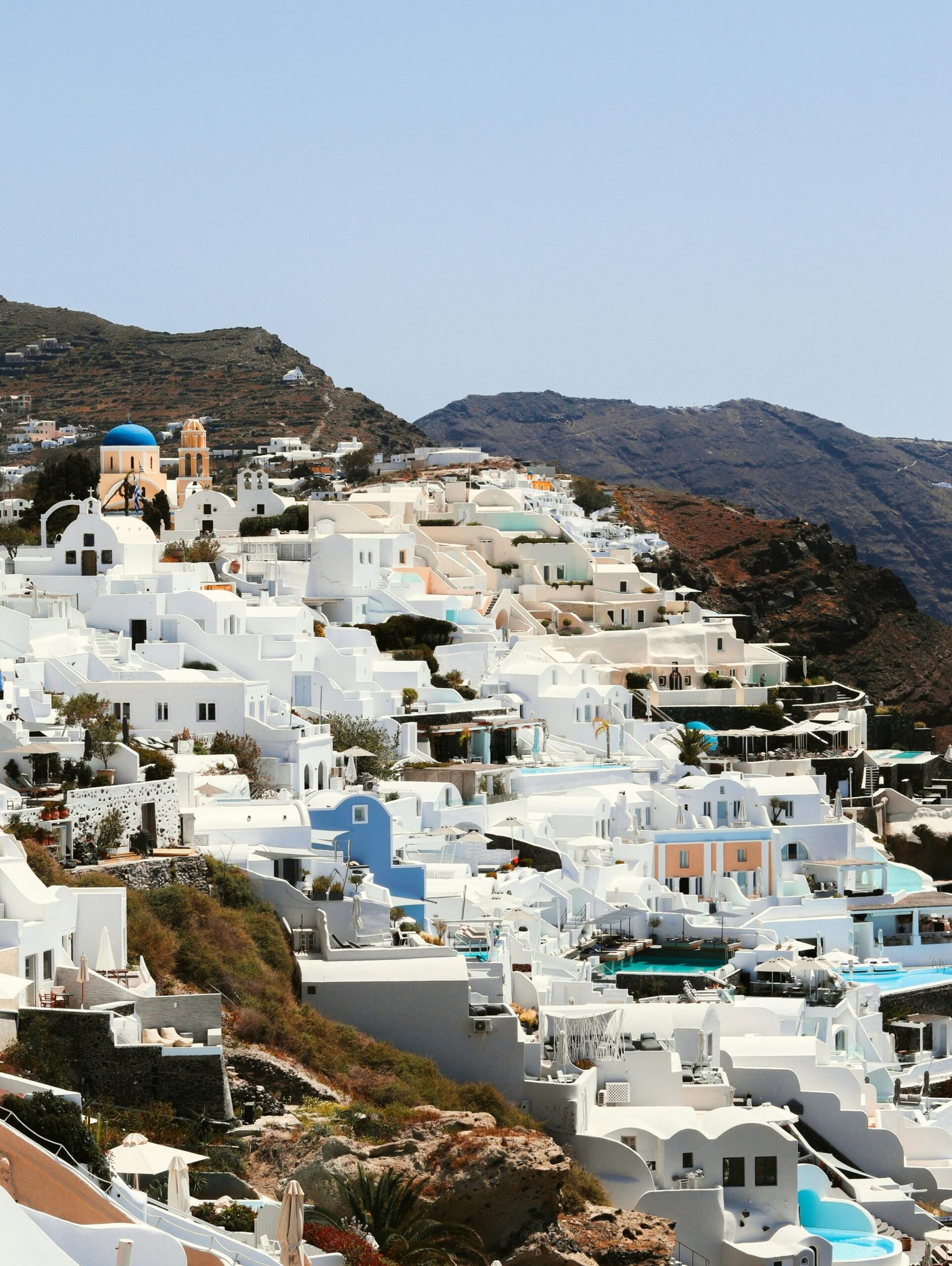
Why Most First-Timers to Santorini Leave Slightly Disappointed usually starts with one simple assumption: that a famous place will feel the way it looks in photos. That assumption is understandable, but in Santorini it creates a very specific kind of letdown, especially in peak season when the island is doing more work than most visitors realize.
People do not choose Santorini by accident. They choose it because they want a clean, recognizable version of Greece, one that feels easy to justify, easy to share, and hard to regret. The problem is that Santorini is not built to satisfy fantasy at scale, and the gap between image and lived experience is where the disappointment begins.
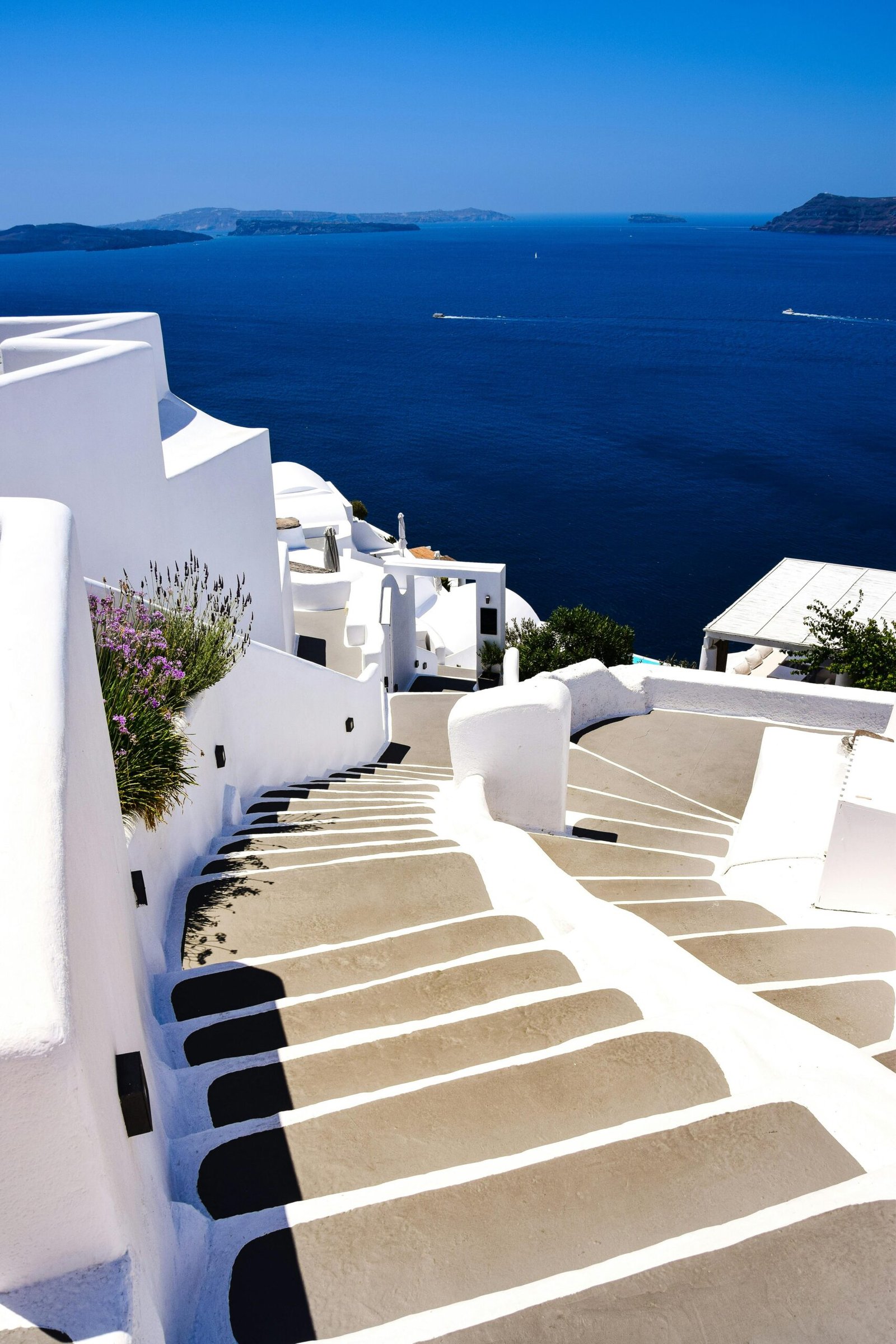
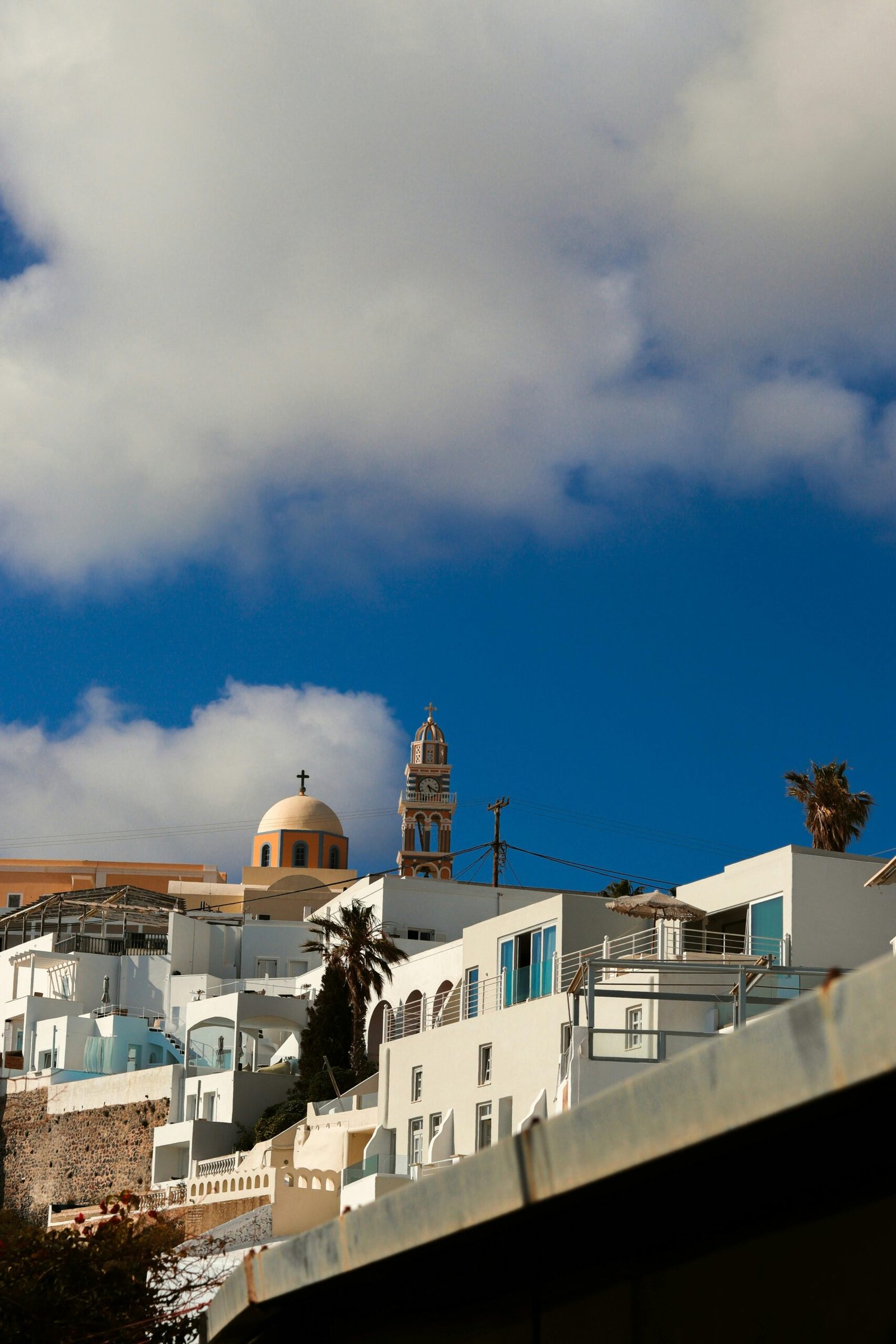
Why Most First-Timers to Santorini Leave Slightly Disappointed
The first mistake is not choosing Santorini. The first mistake is expecting the island to behave like a private luxury experience when millions of other people are making the same decision at the same time. Why Most First-Timers to Santorini Leave Slightly Disappointed is really a story about projection: people arrive with a mental image, then judge the real place against it.
That is why the disappointment is often mild, not dramatic. Santorini usually does not fail in one obvious way. It fails in small, cumulative ways: the crowding, the price, the noise, the feeling that every corner has already been photographed from the same angle. By the time travelers notice that, they have already spent money and emotional energy on the fantasy.
The image is doing the heavy lifting before the trip even starts
Santorini is one of the most overexposed destinations in Europe, and that matters. People do not just see it as an island; they see it as a shorthand for success, romance, and a certain version of Mediterranean taste. That is a powerful emotional hook, and it overrides practical thinking.
Travelers often want the feeling of being in Greece without the uncertainty that comes with choosing a less familiar island. Santorini looks like the safest premium choice, which is exactly why so many first-timers default to it. The irony is that the more familiar the image, the less prepared people are for the actual conditions on the ground.
This is where Why Most First-Timers to Santorini Leave Slightly Disappointed becomes predictable. The visitor is not just buying a destination; they are buying reassurance. When the island cannot fully deliver that reassurance in peak season, the emotional reaction is stronger than the practical problem.
The peak-season reality is the part most people mentally edit out
Peak season changes Santorini from a place into a performance. You are not just sharing views with other travelers; you are sharing restaurants, pathways, viewpoints, and the basic sense of space. That creates a low-grade pressure that many first-timers do not anticipate until they are already there.
The surprising part is that many visitors are not upset because the island is crowded. They are upset because the crowding makes them feel they have failed to access the version they came for. That is a psychological problem, not a scenic one.
In practical terms, this is the moment disappointment usually lands: the first time someone realizes the island is not giving them exclusivity, even if they paid for a premium stay. At that point, the issue is no longer the destination itself. It is the mismatch between what they thought they were purchasing and what Santorini actually sells.
Why Most First-Timers to Santorini Leave Slightly Disappointed is often about control
People choose Santorini because it feels controllable. It has a clear brand, a clear visual identity, and a reputation that has already been validated by everyone else. For travelers who are anxious about making the wrong choice, that kind of certainty is appealing.
But certainty is not the same as satisfaction. Travelers who need a destination to feel smooth, intuitive, and effortless are the ones most likely to struggle here, because Santorini can feel managed, expensive, and crowded at the same time. That combination creates a strange emotional tension: the island looks polished, yet the experience can feel oddly transactional.
There is also a status element. For some first-timers, Santorini is less about the island and more about not missing out on the obvious Greece trip. That is a fragile reason to visit any place, because once the social proof is satisfied, the actual experience has to do all the remaining work.
The traveler types most prone to this pattern
Some travelers are simply more vulnerable to disappointment here. They are not naive; they are just carrying a stronger set of expectations into a place that amplifies them.
- First-time Greece visitors who want one destination to represent the whole country.
- Couples looking for a romantic setting that feels private and effortless.
- Travelers who plan around photos more than atmosphere.
- People who dislike friction but choose peak season anyway.
- Visitors who want luxury but are not prepared for premium prices attached to limited space.
These travelers often have one thing in common: they want Santorini to resolve uncertainty. Instead, the island exposes it. That is why Why Most First-Timers to Santorini Leave Slightly Disappointed is less about taste and more about expectation management.
The specific moment the disappointment usually hits
It usually does not happen at arrival. It happens later, after the first rush of recognition wears off. The moment is often very ordinary: a long wait, a crowded viewpoint, a dinner that feels overpriced for the experience, or the realization that the day is being shaped by everyone else’s schedule.
That is when the emotional math changes. The traveler stops asking, “Is this beautiful?” and starts asking, “Is this worth what I paid, and is this what I came for?” Once that shift happens, Santorini can feel less like a reward and more like a test of patience.
This is also why some visitors defend the island so strongly afterward. Admitting disappointment feels like admitting they made a basic mistake. So they call it overrated, or they overcorrect and insist it was perfect. Most people are somewhere in the middle, which is exactly where Why Most First-Timers to Santorini Leave Slightly Disappointed lands.
What a better approach looks like
The right way to approach Santorini is not to lower your standards. It is to stop asking the island to be a universal answer. Santorini is strong when you want a highly recognizable, visually organized, high-demand Greek destination and you understand that those things come with trade-offs.
Greece rewards travelers who arrive with a plan, but the plan has to match the place, not the brochure. If you want calm, space, and a less managed experience, Santorini is a poor emotional fit in peak season. If you want to understand the island on its own terms, you need to accept that its fame is part of the experience, not a side effect.
For travelers who want broader context on Greece as a whole, the official tourism site at
Visit Greece is a better starting point than social media. It will not solve the expectation problem for you, but it will at least remind you that Santorini is one part of a much larger country, not the country itself.
Conclusion
Why Most First-Timers to Santorini Leave Slightly Disappointed is not a warning against going. It is a warning against arriving with a fantasy that the island was never designed to support in peak season. The people who enjoy Santorini most are usually the ones who understand that fame changes the experience before they ever set foot there.
If you want the island to feel worthwhile, stop treating it like a test of whether Greece is as beautiful as the photos. Treat it like a high-demand destination with real constraints and a very specific emotional payoff. That shift alone prevents most of the disappointment.
For travelers who want to understand the cultural context behind Greece’s most visited places, the Hellenic Ministry of Culture is a useful reference point. It is a reminder that the country is not a single postcard, and Santorini is not the whole story.
Greece doesn’t punish inexperience. It punishes unexamined assumptions. The travelers who leave disappointed rarely lacked information — they lacked a framework for using it.
Frequently asked questions
Why do first-timers often feel let down by Santorini?
Because they arrive expecting the island to match its image perfectly. In peak season, Santorini is crowded, expensive, and heavily shared, so the lived experience often feels less exclusive than the fantasy.
Is Santorini still worth visiting for a first trip to Greece?
Yes, if you understand what you are choosing. Santorini is a strong choice for travelers who want a famous, visually defined destination and are comfortable with crowds and premium pricing.
What is the main psychological mistake travelers make with Santorini?
They confuse recognition with satisfaction. A place can be instantly familiar from photos and still not deliver the emotional experience they were hoping for.
When does disappointment usually set in?
Usually after the initial excitement fades and the practical realities become obvious: crowding, cost, and the feeling that the island is being experienced at scale rather than in private.
Who is most likely to be disappointed by Santorini?
Travelers who want privacy, ease, and a sense of escape are most at risk, especially if they visit in peak season and expect the island to feel calm or personal.
How should I think about Santorini differently?
Think of it as a high-demand destination with a very specific job, not as the standard for all Greek island travel. That mindset makes the experience more honest and usually more satisfying.