

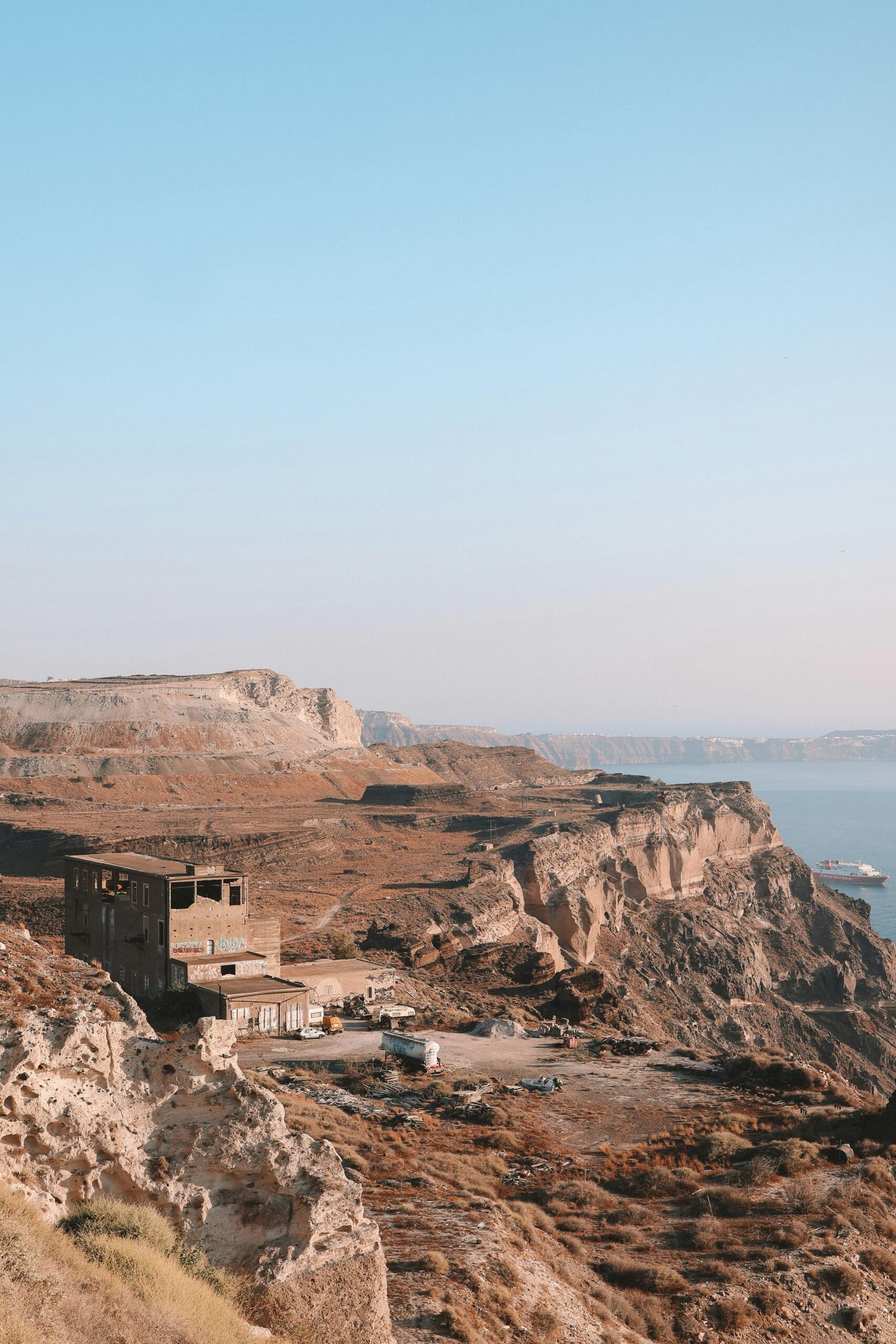
Why Most First-Timers to Santorini Leave Slightly Disappointed usually starts with one simple assumption: that the island will feel the same in real life as it does in photos. People do not choose Santorini by accident; they choose it because they have already decided what it should feel like. That is where the trouble begins.
The disappointment is rarely dramatic. It is usually a slow recognition that the island is more crowded, more expensive, and more managed than they expected. If you understand the psychology behind that gap, the whole experience becomes easier to read before you arrive.
Why Most First-Timers to Santorini Leave Slightly Disappointed
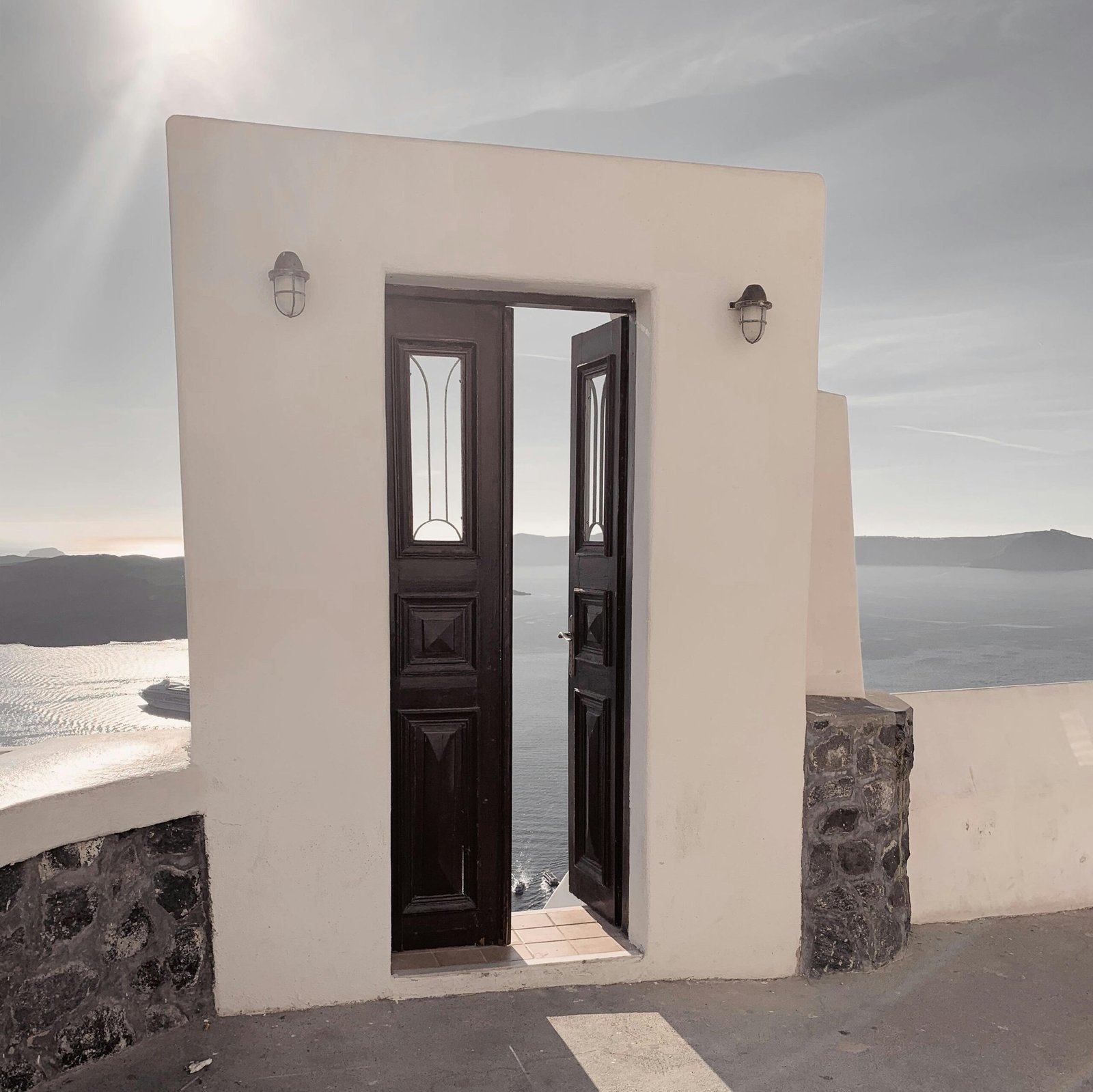
The core mistake is not ignorance. It is projection. First-timers arrive carrying a mental image built from wedding photos, social media, and a few polished hotel shots, then expect the island to deliver that image on demand. Santorini is a real place with real constraints, and peak season exposes them fast.
People also confuse familiarity with simplicity. Because Santorini is so widely known, travelers assume it is easy to “do well” without much thought. In reality, the island punishes vague expectations more than almost anywhere in Greece.
The image people buy is not the experience they get
Santorini sells an idea of exclusivity, calm, and effortless beauty. First-timers often imagine long, quiet evenings, elegant service, and a sense that the island is reserved for people who know how to travel properly. That is not what peak season feels like in the most visited parts of the island.
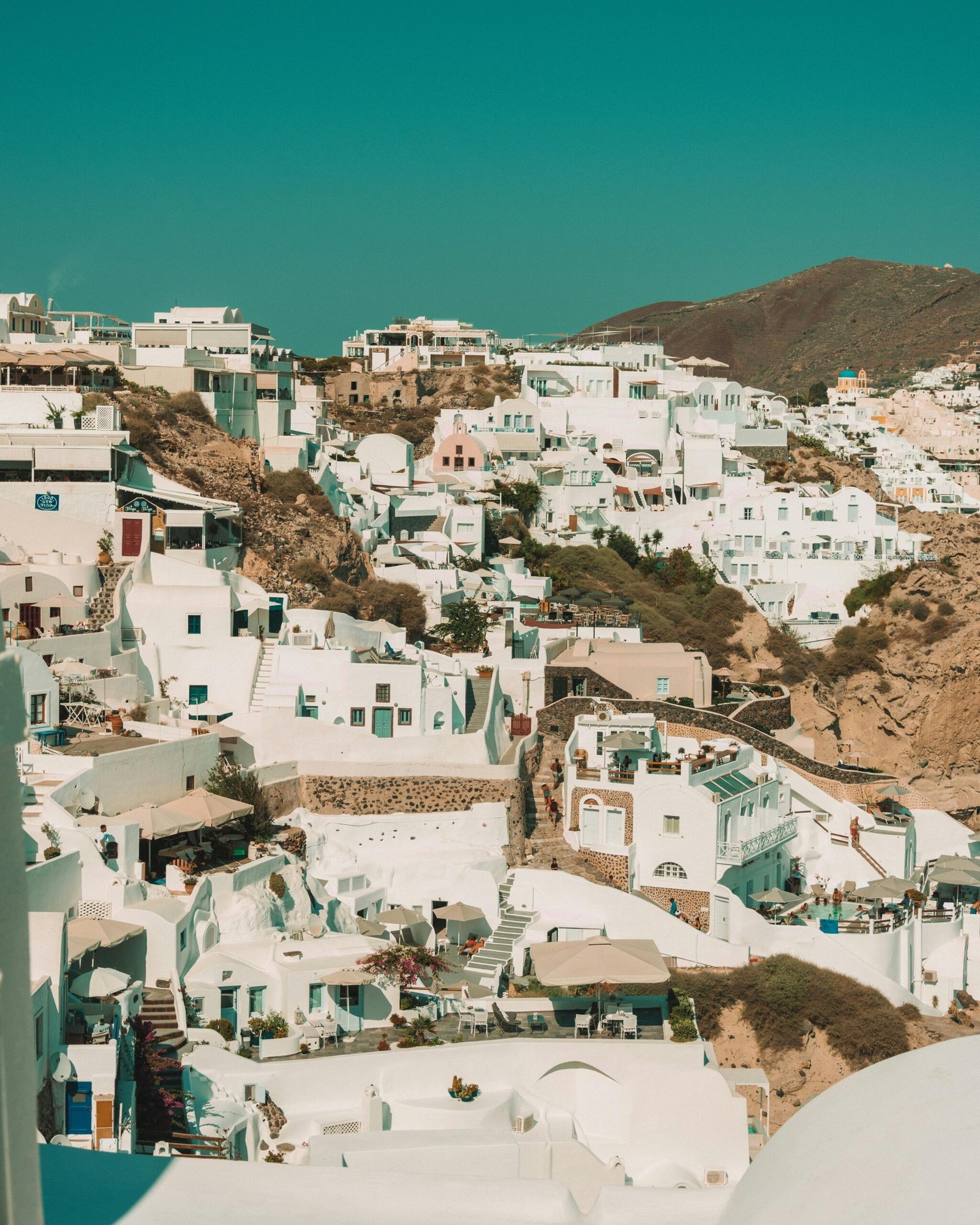
What they meet instead is crowd pressure, inflated pricing, and constant competition for the same views, tables, and photo spots. The emotional letdown comes from the mismatch between “special occasion” expectations and the reality of sharing the island with thousands of other people who had the same idea.
Why Most First-Timers to Santorini Leave Slightly Disappointed: the psychology behind the choice
People choose Santorini because it feels like a safe luxury decision. It is famous, recognizable, and easy to justify to a partner, friends, or family. No one gets questioned for picking Santorini. That social approval matters more than most travelers admit.
There is also a control fantasy in the choice. Travelers think a well-known destination will reduce uncertainty, because the internet has already “explained” it to them. That is a false sense of control. Santorini is predictable in broad strokes, but the details that shape your trip — season, location, pace, and tolerance for crowds — matter far more than first-timers expect.
Why Most First-Timers to Santorini Leave Slightly Disappointed is often less about the island itself and more about the emotional contract they created before booking. They were not just buying a trip. They were buying a version of themselves in a better setting.
The moment disappointment usually hits
The turning point is rarely the arrival itself. It usually comes later, when the traveler realizes the island is not delivering the private, effortless atmosphere they imagined. That can happen at a crowded sunset viewpoint, in a restaurant where the bill feels out of proportion to the experience, or during the first attempt to move through the busiest parts of the island at the wrong time of day.
That is the moment the fantasy cracks. The traveler stops seeing Santorini as a backdrop and starts seeing it as a managed, high-demand destination with friction built into it. Once that happens, every small inconvenience feels bigger because it threatens the original story they came to confirm.
The travelers most prone to this pattern
Not everyone is equally vulnerable to disappointment. The travelers who struggle most are the ones who want romance without logistics, luxury without friction, and iconic status without crowds. They usually know what they want emotionally, but not what that desire costs in a place like Santorini.
- First-time Greece visitors who want one “big” island and expect it to do everything.
- Couples planning a milestone trip who are more focused on the symbolism than the practical shape of the stay.
- Travelers used to boutique-city luxury who assume island luxury works the same way.
- People who book late in peak season and still expect quiet, space, and flexibility.
The common thread is not inexperience alone. It is emotional overcommitment to a single destination. When the trip is carrying too much meaning, every inconvenience feels like a failure.
Peak season changes the emotional temperature of the island
Peak season does not just increase crowds. It changes behavior. Service becomes more transactional, patience shortens, and the island starts to feel less like a destination and more like a system managing volume. That shift matters because most first-timers are not prepared for how quickly a romantic mood can be interrupted by practical reality.
This is the part people underestimate: the island can still be beautiful and still disappoint you. Those are not contradictions. A place can be visually impressive and emotionally underdeliver if the pace, density, and pricing do not match the experience you were seeking.
That is why Why Most First-Timers to Santorini Leave Slightly Disappointed is such a useful question. It forces travelers to separate visual appeal from actual trip quality.
A clear position: Santorini is not the best first Greece trip for everyone
My view is straightforward: if a traveler wants their first Greece experience to feel relaxed, varied, and forgiving, Santorini is often the wrong first choice. It is too loaded with expectation and too sensitive to timing for people who do not already know how to read a Greek island trip. That does not make it a bad destination. It makes it a demanding one.
Greece rewards travelers who arrive with a plan, but Santorini punishes travelers who think the island will organize itself around their mood. That is especially true in the busiest months, when the margin for error is thin and the cost of a poor assumption becomes visible immediately.
What a better approach looks like
The better way to approach Santorini is to stop asking whether it will match the image and start asking what kind of trip it can realistically support. If the goal is atmosphere, timing and location matter more than the island’s headline reputation. If the goal is comfort, the right expectations are more useful than the right photo angle.
Travelers who leave more satisfied usually do one thing differently: they treat Santorini as one part of a larger Greece experience, not the entire emotional center of the trip. They understand that the island is strongest when it is not expected to do everything at once. For broader context on Greece travel expectations, the official tourism information at
visitgreece.gr is a better starting point than social media.
That shift in mindset changes the outcome. Instead of chasing the version of Santorini they already imagined, they evaluate the island for what it actually offers under real conditions. That is the difference between a trip that feels thin and one that feels intentional.
What first-timers should remember before they book
The biggest mistake is treating Santorini as a guarantee of delight. It is not. It is a high-expectation destination that can be excellent for the right traveler and frustrating for the wrong one. The island is not failing when it feels crowded or expensive; it is behaving exactly as a globally famous, peak-season destination behaves.
If you want a more grounded Greece trip, start by asking what emotional need is actually driving the Santorini choice. Romance, status, reassurance, convenience, and spectacle are not the same thing. Once you separate them, the planning gets clearer and the disappointment risk drops.
For travelers who want a deeper cultural frame before deciding how Santorini fits into a Greece trip, the Greek Ministry of Culture offers useful context at culture.gov.gr/en/. That is not a luxury travel shortcut, but it is a better way to think about the country than booking by image alone.
Why Most First-Timers to Santorini Leave Slightly Disappointed is not a warning to avoid the island. It is a warning to stop expecting a famous place to solve an emotional problem. If you reframe Santorini as a destination with trade-offs, not a promise, you are far more likely to enjoy it for what it is.
Greece doesn’t punish inexperience. It punishes unexamined assumptions. The travelers who leave disappointed rarely lacked information — they lacked a framework for using it.
Frequently asked questions
Why do first-timers often feel underwhelmed by Santorini?
Because they arrive expecting the island to match its image exactly. In peak season, the crowding, pricing, and pace make that impossible in the places most people want to see first.
Is Santorini still worth visiting for a first trip to Greece?
Yes, for the right traveler. It is worth visiting if you accept that it is a high-demand, high-expectation destination, not a relaxed introduction to Greece.
What is the biggest mistake people make when planning Santorini?
They assume the island will feel private and effortless simply because it is famous. That assumption creates disappointment the moment they encounter crowds or inflated costs.
Who is most likely to be disappointed by Santorini?
Travelers who want quiet romance, easy luxury, and low friction without adjusting for peak-season reality are the most likely to feel let down.
Does peak season make Santorini worse?
It makes the island more intense and less forgiving. The visual appeal remains, but the emotional experience changes because crowds and pressure shape almost everything.
How should I think about Santorini differently?
Treat it as a destination with clear trade-offs, not a guaranteed fantasy. Decide whether you want the atmosphere enough to accept the crowds, pricing, and pace that come with it.