

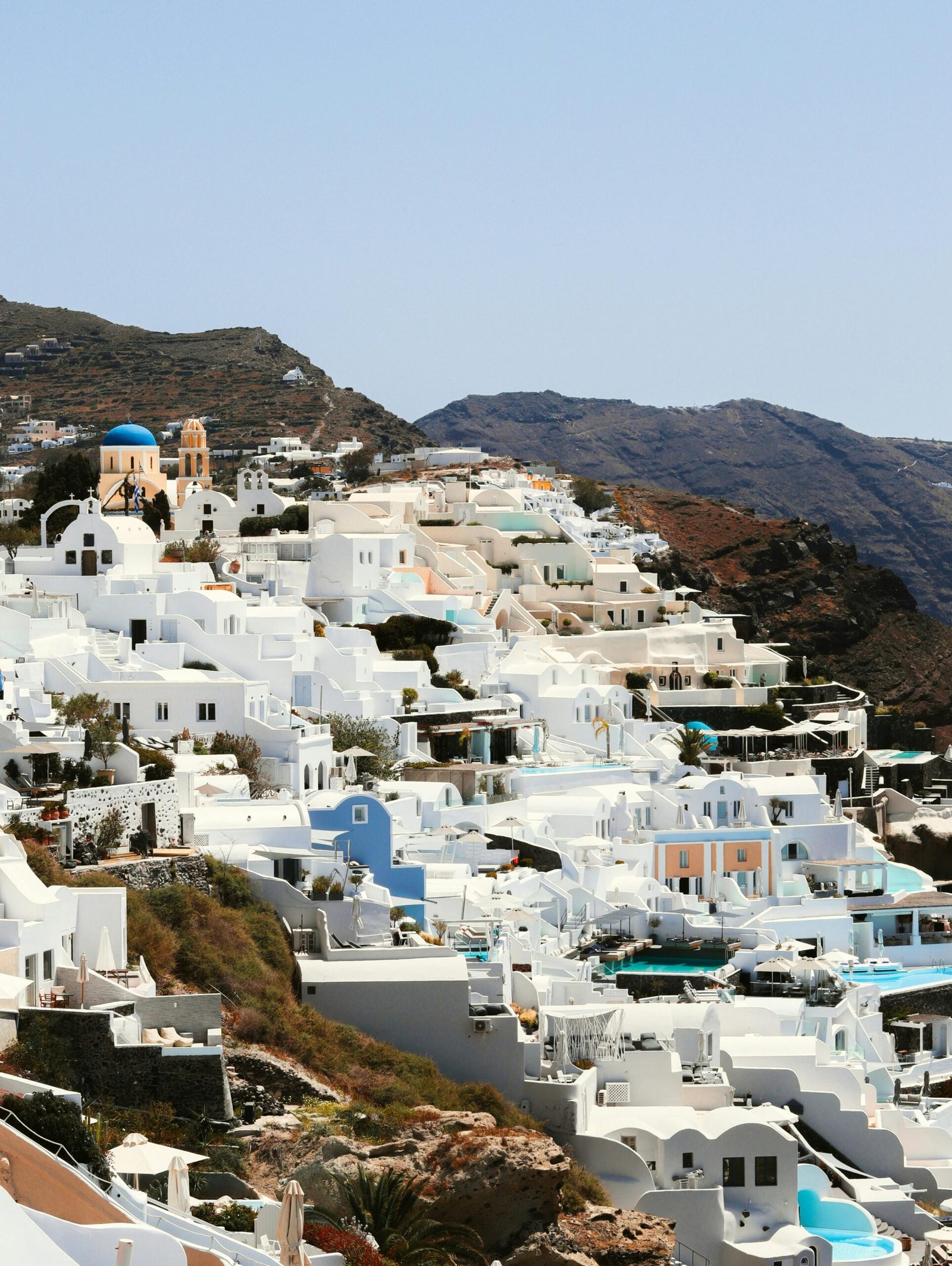
Why Most First-Timers to Santorini Leave Slightly Disappointed usually comes down to one thing: people arrive expecting a private version of the island they saw online, then meet the real Santorini in peak season. They are not wrong to want beauty; they are wrong about how much of that beauty is shared, scheduled, and sold to everyone else at the same time.
This is not a failure of the island so much as a mismatch between fantasy and conditions. Santorini is one of the easiest places in Greece to overestimate before you go and one of the easiest places to feel slightly underwhelmed by once you are standing in the middle of the crowd.
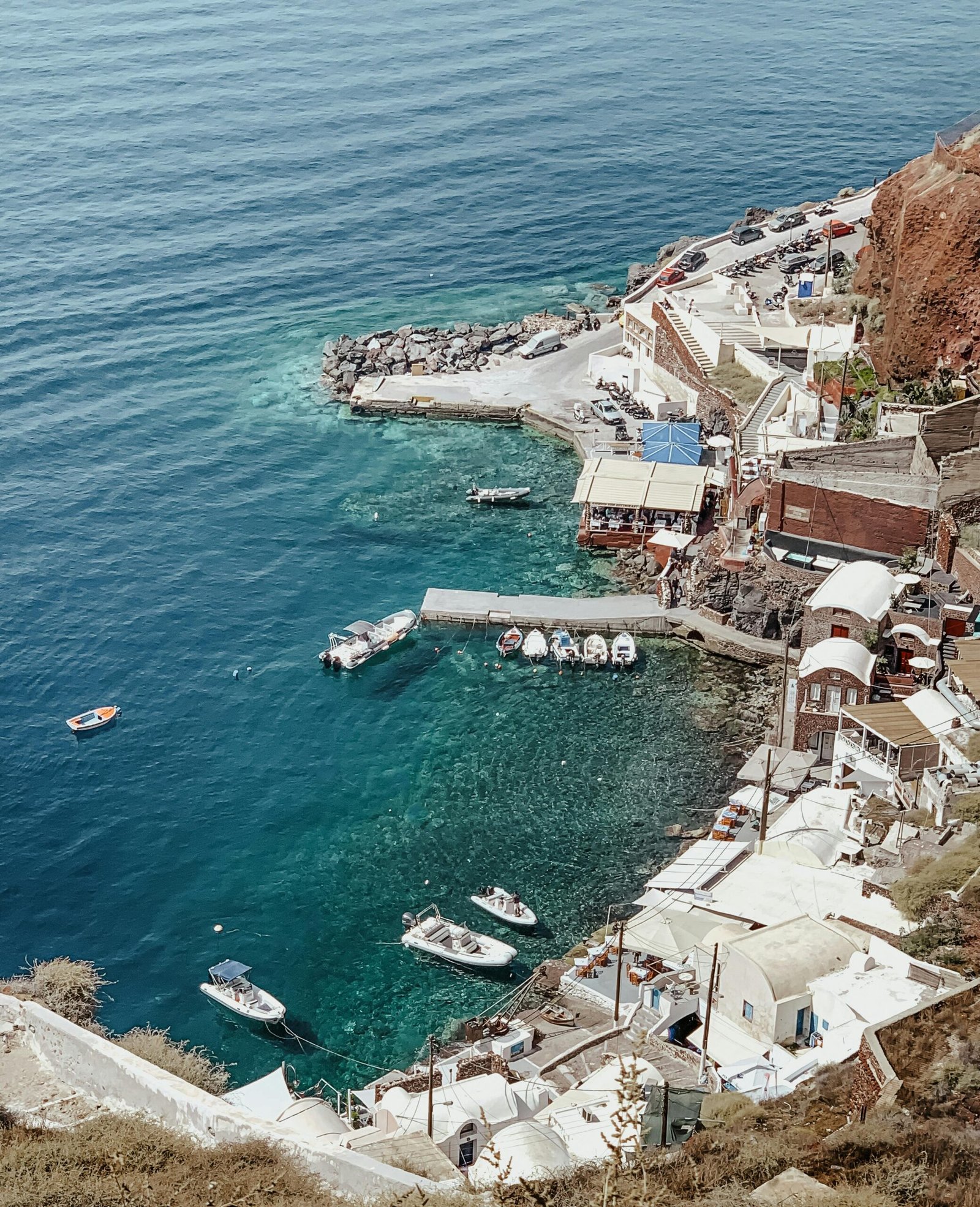
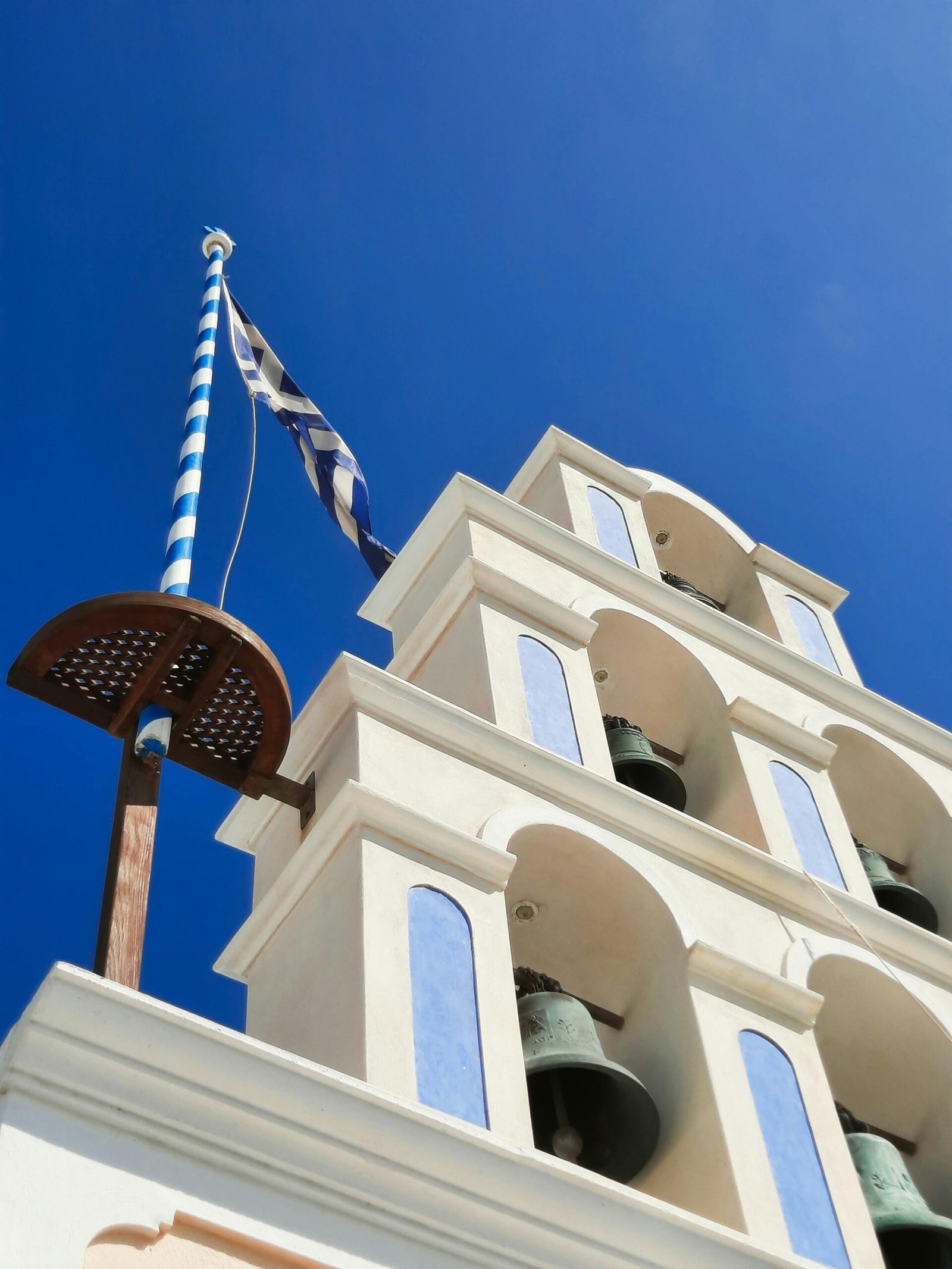
Why Most First-Timers to Santorini Leave Slightly Disappointed
The pattern starts before the booking is even made. People choose Santorini because they want certainty: the iconic view, the famous sunset, the clean visual proof that they picked the right place. That is an emotional decision, not a practical one, and it is why Why Most First-Timers to Santorini Leave Slightly Disappointed is such a common outcome.
What travelers are really buying is reassurance. They want the trip to look like the version they already imagined, because that removes the anxiety of choosing wrong. Santorini is excellent at feeding that impulse, and peak season is where the gap between image and reality becomes most obvious.
The real reason Why Most First-Timers to Santorini Leave Slightly Disappointed
The problem is not that Santorini is overrated in a simple sense. The problem is that many first-timers confuse a strong visual identity with a complete travel experience. The island delivers the image almost too well, then leaves people to discover that image is not the same thing as ease, intimacy, or depth.
In peak season, the island can feel managed around spectacle. That works for a certain kind of visitor, but it disappoints travelers who expected a relaxed island rhythm and instead find themselves navigating crowds, queues, inflated prices, and a constant sense that the best parts are being consumed at the same time by everyone else.
There is also a psychological trap here: the more famous the place, the less room people allow it to be ordinary. Ordinary is where disappointment begins. When a traveler expects every moment to feel special, the normal friction of a busy Greek island feels like a personal letdown rather than a normal part of travel.
What travelers expect versus what they actually feel
Before they arrive, many people picture Santorini as a place where the view solves everything. They expect romance to appear automatically, stress to disappear, and every meal to feel worth the price because the setting is famous. That is a lot to ask from any destination.
What they usually feel is more complicated. The island is still impressive, but the experience can become fragmented: one excellent view, one crowded path, one expensive meal, one long wait, one moment of genuine pleasure, then another reminder that the island is working hard to hold the volume of visitors it receives. That emotional inconsistency is what unsettles people.
The surprising part is that many first-timers are not disappointed by the scenery at all. They are disappointed by the lack of privacy in a place they assumed would feel intimate. Santorini is visually dramatic, but in peak season it can feel socially crowded in a way that makes people retreat from the very places they came to enjoy.
The moment the disappointment usually hits
For most visitors, the shift happens at the first major “must-do” moment. They have built up a scene in their head, then they arrive and find themselves sharing it with a line of strangers, a camera cluster, and a level of noise they did not factor in. That is when the trip stops being an image and starts being a real place with pressure on it.
The disappointment is rarely dramatic. It is usually quiet. A traveler notices that the famous viewpoint feels less like a reward and more like a checkpoint, and once that thought appears, it is hard to unsee it for the rest of the stay.
This is where the wrong assumption creates a real problem: if the whole trip was organized around one fantasy, then the first crack in that fantasy affects everything else. People start judging the island against a standard it was never going to meet, and even good moments get filtered through that initial letdown.
Who is most prone to this pattern
First-time visitors who are most vulnerable to disappointment usually share one trait: they are image-led planners. They are not careless, and they are often very thoughtful in other parts of life. They simply trust the visual promise of a place more than the practical reality of visiting it in high season.
Couples are especially prone to this, because Santorini is marketed so aggressively as a romantic destination that people start expecting the island to do emotional work for them. It cannot. If the trip depends on perfect mood, perfect timing, and perfect solitude, the island is set up to fail that expectation.
Social-media-driven travelers also struggle here, but for a specific reason. They are not just chasing beauty; they are chasing proof that they made a tasteful choice. That creates a strange pressure to enjoy the place in the “right” way, which makes normal inconveniences feel more irritating than they should.
- Travelers looking for quiet, unstructured island time
- Couples expecting privacy to be the default
- First-timers who choose destinations mainly from photos
- Visitors who dislike crowds but still book peak season
The emotional gap nobody talks about
Santorini is one of those places where the emotional gap matters more than the practical one. People do not just expect a pretty island; they expect validation. They want the trip to confirm that they chose well, spent well, and timed it well. When that validation is delayed or diluted, disappointment can feel larger than the actual inconvenience.
That is why some visitors leave saying the island was “nice” but not enough. They are not describing the place accurately so much as describing the gap between anticipation and lived experience. In travel psychology, that gap is often the real story.
If you want a broader sense of how Greece is framed versus how it actually works on the ground, the official tourism site at
Visit Greece is useful as a starting point, but it will not tell you where expectations tend to get inflated. That part comes from experience.
A clear position: Santorini is a poor choice for fantasy-first travelers in peak season
Here is the blunt truth: if your main goal is to feel like you stepped into a private, effortless, endlessly romantic version of Greece, peak-season Santorini is a poor choice. It can still be memorable, but it is too busy, too exposed, and too heavily curated for travelers who want the island to disappear around them.
That does not make it a bad destination. It makes it a destination with a very specific use case. People who want atmosphere, views, and a famous name will get what they came for. People who want calm, space, and the feeling of discovering something for themselves often leave with a quieter kind of regret.
For travelers who care about the wider Greek context, it is worth remembering that the country is not just one famous postcard. Cultural depth matters too, and if you are the kind of traveler who wants more than scenery, look at the institutions and history behind the country as well, including resources from the Acropolis Museum. That is usually a better clue to your travel style than any sunset photo.
How to approach Santorini differently
The better question is not whether Santorini is worth it. The better question is what role you want it to play in the trip. If you treat it as one part of a broader Greece itinerary rather than the whole emotional centerpiece, the island tends to feel more satisfying and less loaded with expectation.
That shift changes everything. You stop asking the island to deliver a perfect mood and start judging it by a more realistic standard: strong views, a distinctive landscape, and a highly managed visitor experience that is best appreciated when you know what you are walking into.
Greece rewards travelers who arrive with a plan. In Santorini, that means planning around your own tolerance for crowds, noise, and price pressure, not around the fantasy version of yourself who never gets tired, never gets irritated, and always enjoys the famous thing exactly as advertised.
What a more honest Santorini trip looks like
A more honest approach starts with accepting that peak season changes the emotional texture of the island. You are not visiting a secret. You are visiting a globally desired place at the busiest possible moment, and that changes the experience in predictable ways.
When travelers accept that upfront, they stop mistaking normal friction for failure. They also become more selective about what they actually want from the island: a few strong moments, not constant perfection. That is a much healthier expectation, and it is usually the difference between a trip that feels slightly disappointing and one that feels appropriately judged.
Recognizing the pattern is the first step. The second is building a trip around how you actually travel — not the traveler you imagine yourself to be. Most great Greece experiences start with that honesty.
Frequently asked questions
Why do first-time visitors often feel disappointed in Santorini?
Because they expect a private, effortless version of the island and then meet peak-season crowds, higher prices, and a much more managed visitor experience. The island delivers the image well, but not always the emotional experience people projected onto it.
Is Santorini actually overrated?
Not exactly. It is better described as over-idealized. Travelers often mistake a famous visual identity for a complete destination experience, which creates disappointment when the practical reality feels busy and commercial.
What kind of traveler is most likely to be disappointed?
Image-led planners, couples expecting built-in romance, and first-timers who dislike crowds but still visit in peak season. These travelers are most likely to feel the gap between the fantasy and the actual conditions.
When does the disappointment usually start?
Usually at the first major must-see moment, when the famous view or sunset is shared with far more people than expected. That is the point where the island stops feeling like a personal experience and starts feeling like a public one.
Is Santorini better in another season?
Yes, for many travelers it is easier to appreciate outside the busiest months. The island still draws visitors, but the emotional pressure drops when the crowds and pace are less intense.
How should I think about Santorini if I still want to go?
Treat it as one part of a larger Greece trip, not the entire point of the journey. That lowers the pressure on the island to deliver constant perfection and makes the experience more realistic.