

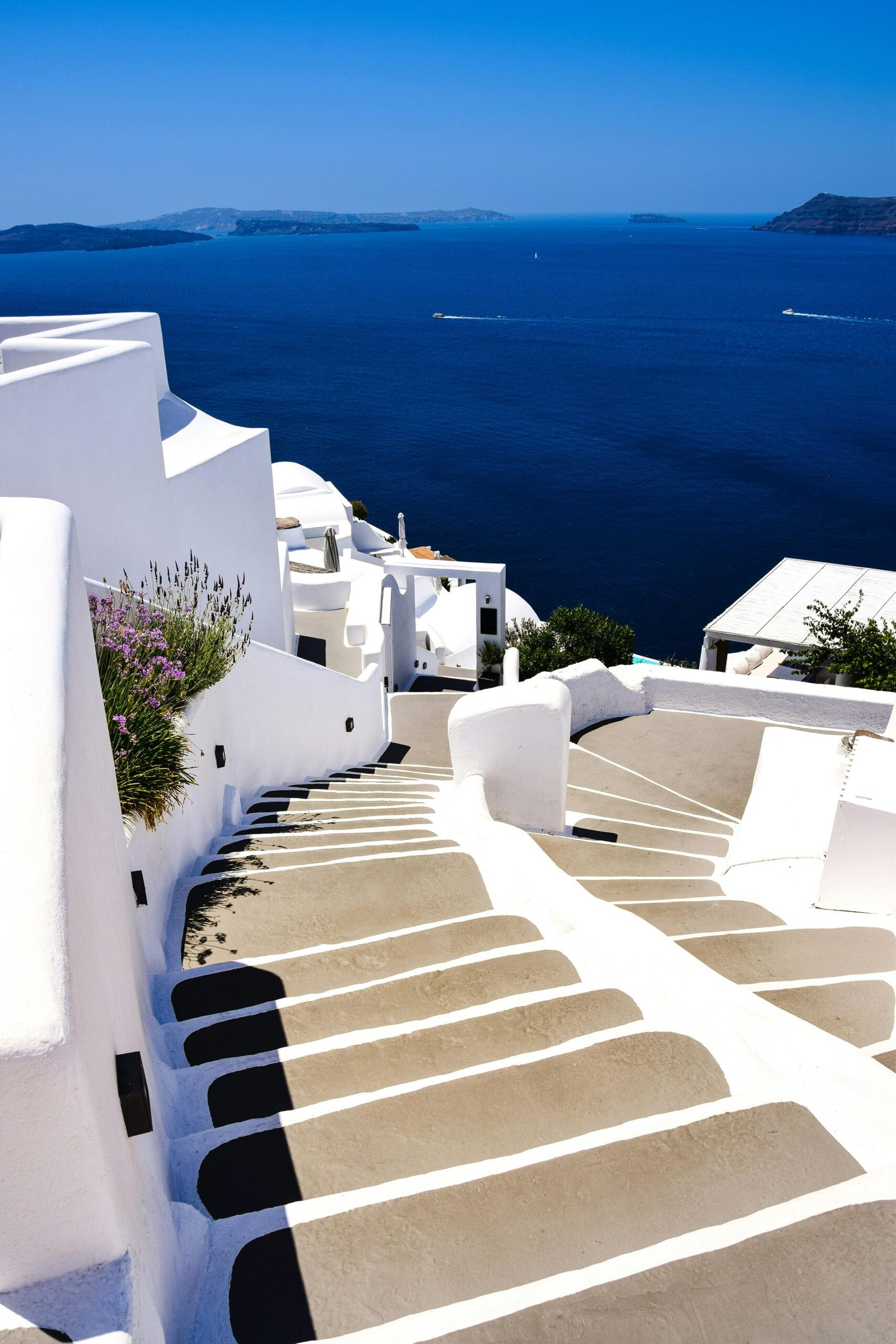
Why Most First-Timers to Santorini Leave Slightly Disappointed usually comes down to one thing: people arrive chasing an image, then react badly when the island behaves like a real place. Santorini is not disappointing because it is overrated in a simple sense; it is disappointing because too many visitors confuse a highly edited mental picture with the actual experience of being there in peak season.
The mistake is emotional before it is practical. Travelers want certainty, romance, and a clean payoff for the money and effort they spent, and Santorini is one of the few places where that expectation gets exposed almost immediately.
Why Most First-Timers to Santorini Leave Slightly Disappointed
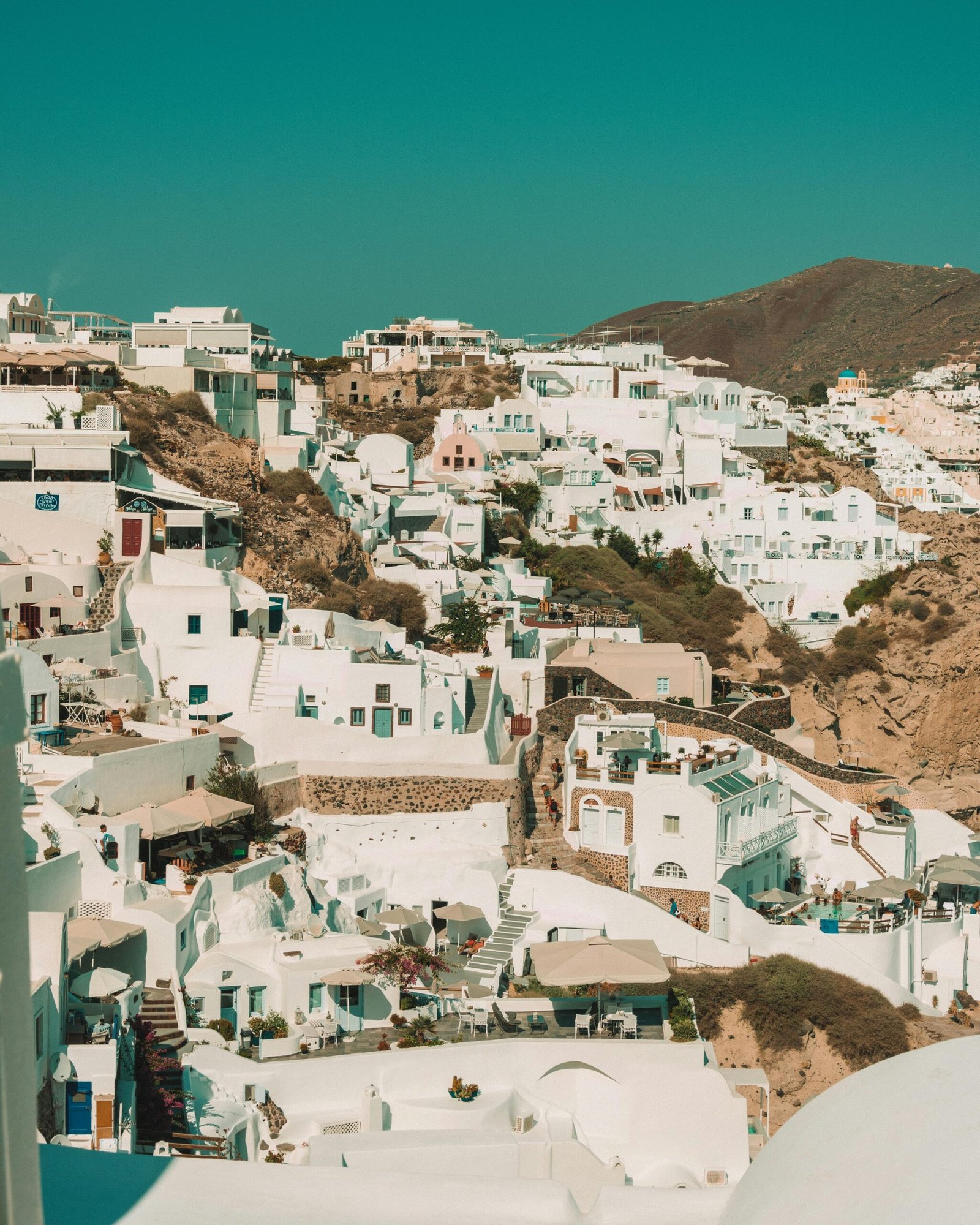
Why Most First-Timers to Santorini Leave Slightly Disappointed is not a mystery to anyone who has watched the island absorb peak-season pressure year after year. The disappointment usually starts before arrival, when people build Santorini into a single perfect object: caldera views, whitewashed edges, a sunset that justifies the trip, and a feeling of being rewarded for choosing correctly. That is not how the island works in high season.
The real issue is that first-timers often use Santorini as proof that they made a smart luxury choice. They want the place to confirm their taste, their budget, and their timing. When the island feels crowded, expensive, and more managed than intimate, the emotional letdown is sharper than it would be in a destination they expected less from.
The image is the product, and that is exactly the problem
Santorini has been sold for years as a clean visual promise. People do not just book a destination; they book an outcome: the right view, the right dinner, the right photograph, the right feeling of arrival. That creates a fragile expectation, because the island has to perform on command for the traveler to feel satisfied.
The surprising part is that many disappointed visitors are not bothered by the crowds alone. They are bothered by the loss of control. Once the island feels busy, noisy, and commercially tight, the fantasy of effortless exclusivity collapses, and that collapse is what they remember most.
Why travelers choose Santorini anyway
People choose Santorini because it is the safest prestige choice in Greece. It is the island they have already seen, the one their friends recognize, the one that signals they picked the classic option instead of gambling on something obscure. That social reassurance matters more than most travelers admit.
There is also a deeper psychological pull: Santorini promises emotional simplicity. First-timers often want one place that can stand in for the whole trip, so they compress all their expectations into a single island. That is a bad habit, because no destination can carry that much weight without cracking under it.
Greece rewards travelers who arrive with a plan, but Santorini punishes the specific kind of planning that assumes the island will supply the mood for you. The minute you expect the destination to do all the work, every small friction feels bigger than it is.
Where the disappointment usually hits
The letdown usually arrives in one of three moments. For some people, it is the first time they move through the crowded core and realize the island is not privately theirs for the taking. For others, it happens when they see how much of the experience is organized around consumption: dining, viewing, spending, repeating.
For many, the real hit comes at sunset. They have assigned that moment too much emotional value, so when it becomes crowded, managed, and shared with everyone else who had the same idea, the spell breaks. That is often when the internal conversation starts: this is it?
This is why Why Most First-Timers to Santorini Leave Slightly Disappointed is such a useful question. The answer is rarely that Santorini has nothing to offer. The answer is that the island’s most famous moments are overburdened by expectation, and expectation is a terrible way to travel.
Who is most prone to this pattern
Some traveler types are much more vulnerable to disappointment here than others.
- Luxury-first travelers who equate higher spending with a guaranteed emotional return.
- Romance travelers who want the island to feel private, quiet, and personally curated.
- First-time Greece visitors who want one place to represent the entire country.
- Social-media-led planners who have seen Santorini mostly as a visual reference, not a lived environment.
These travelers are not wrong to want beauty or comfort. The problem is that they often want Santorini to behave like a controlled setting, and peak season makes that impossible. If you are already impatient with crowds, queues, or visible tourism infrastructure, Santorini will test you fast.
The emotional gap between expectation and reality
What people expect is a calm, elevated version of Greece with a dramatic view attached. What they often get is a high-demand destination where the most famous areas feel compressed, expensive, and heavily used. That gap is not a small disappointment; it changes the emotional tone of the whole stay.
There is also a status element people rarely say out loud. A lot of first-timers want Santorini to validate the decision to choose it over other Greek islands. When the island feels crowded or transactional, they do not just feel underwhelmed — they feel slightly foolish for having believed the hype so completely.
If you want a better framework, start by separating visual value from lived value. Santorini has enormous visual value. Its lived value is narrower, more seasonal, and more sensitive to crowding than most first-timers expect.
What a more honest approach looks like
The smarter way to approach Santorini is to stop asking it to deliver a full emotional narrative. Treat it as a place with a specific role, not a destination that must satisfy every travel need. That shift alone removes a lot of pressure from the trip.
It also means accepting that peak season changes the island’s personality. The same setting that feels polished and seductive in a quiet month can feel overworked when demand is at its highest. That is not a flaw in your taste; it is a mismatch between image and timing.
Why Most First-Timers to Santorini Leave Slightly Disappointed is, at root, a story about projection. The travelers who do better here are the ones who arrive expecting a famous island with real trade-offs, not a flawless experience waiting to be uncovered.
Visit Greece is useful for broad destination context, but the more important work is internal: decide what you actually want Santorini to do for you. If the answer is “prove I chose correctly,” you are setting yourself up for a thin, expensive kind of satisfaction. If the answer is more grounded, the island has a better chance of meeting you where you are.
For travelers who care about the cultural context of Greece beyond the postcard version, it also helps to understand how heavily visited places are shaped by national preservation and tourism policy. A broader view of the country’s cultural priorities is available through the Hellenic Ministry of Culture, and that context matters more than most first-timers realize.
Conclusion
If you are planning Santorini for the first time, stop asking whether the island is worth it in the abstract. Ask whether your expectations are built around a real destination or a polished idea of one. That question will save you more disappointment than any list of “must-sees.”
Greece doesn’t punish inexperience. It punishes unexamined assumptions. The travelers who leave disappointed rarely lacked information — they lacked a framework for using it.
Frequently asked questions
Why do first-time visitors to Santorini often feel underwhelmed?
Because they arrive expecting a perfectly curated emotional experience, then find a crowded, high-demand island with real trade-offs. The gap between image and reality is usually the problem, not the island itself.
Is Santorini only disappointing in peak season?
Peak season makes the mismatch more obvious, because crowds, pricing, and pressure are highest. In quieter periods, the island still has strong visual appeal, but the experience feels less compressed.
What is the biggest mistake first-timers make in Santorini?
They ask the island to validate their decision. That creates pressure for every moment to feel exceptional, and ordinary friction starts to feel like failure.
Which travelers are most likely to leave disappointed?
Luxury-first travelers, romance-focused couples, and social-media-led planners are especially vulnerable. They often expect privacy, ease, and emotional payoff on demand.
How should I think about Santorini differently?
Treat it as a famous island with specific strengths, not a destination that must satisfy every expectation. That usually leads to a more grounded and less fragile experience.
Does Santorini still make sense for a first trip to Greece?
Yes, if you understand what it is and what it is not. It works best for travelers who value the visual experience and can tolerate the intensity that comes with its popularity.