

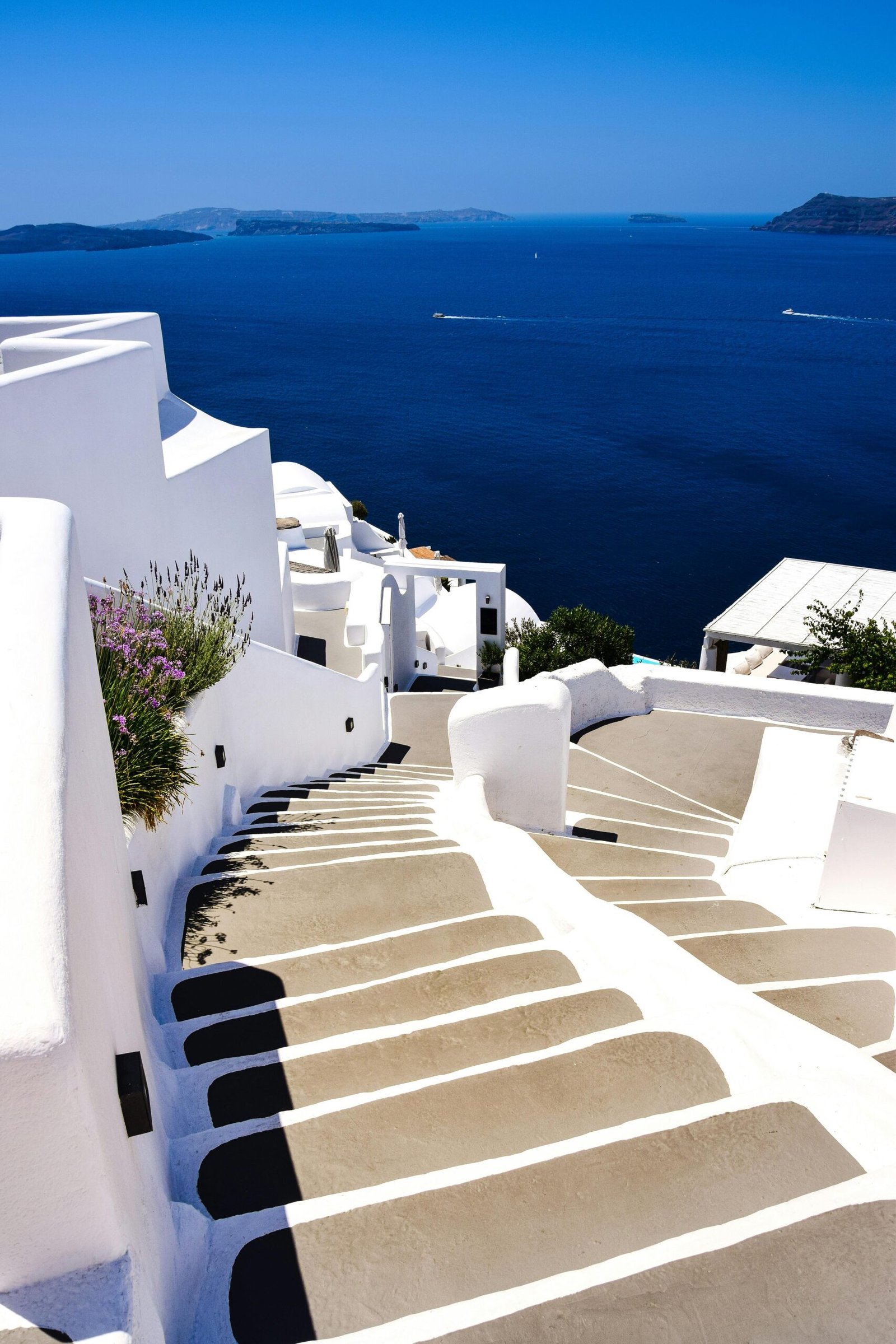
Why Most First-Timers to Santorini Leave Slightly Disappointed usually comes down to one thing: people arrive expecting a polished version of the island they have already seen online, then meet the real Santorini in peak season. The problem is not that Santorini is overrated; it is that many visitors are chasing a fantasy built from the same narrow images.
I have seen this pattern for years. People are not making a bad choice because they are foolish; they are making a very human one, based on scarcity, status, and the fear of missing the “iconic” Greece trip everyone talks about.
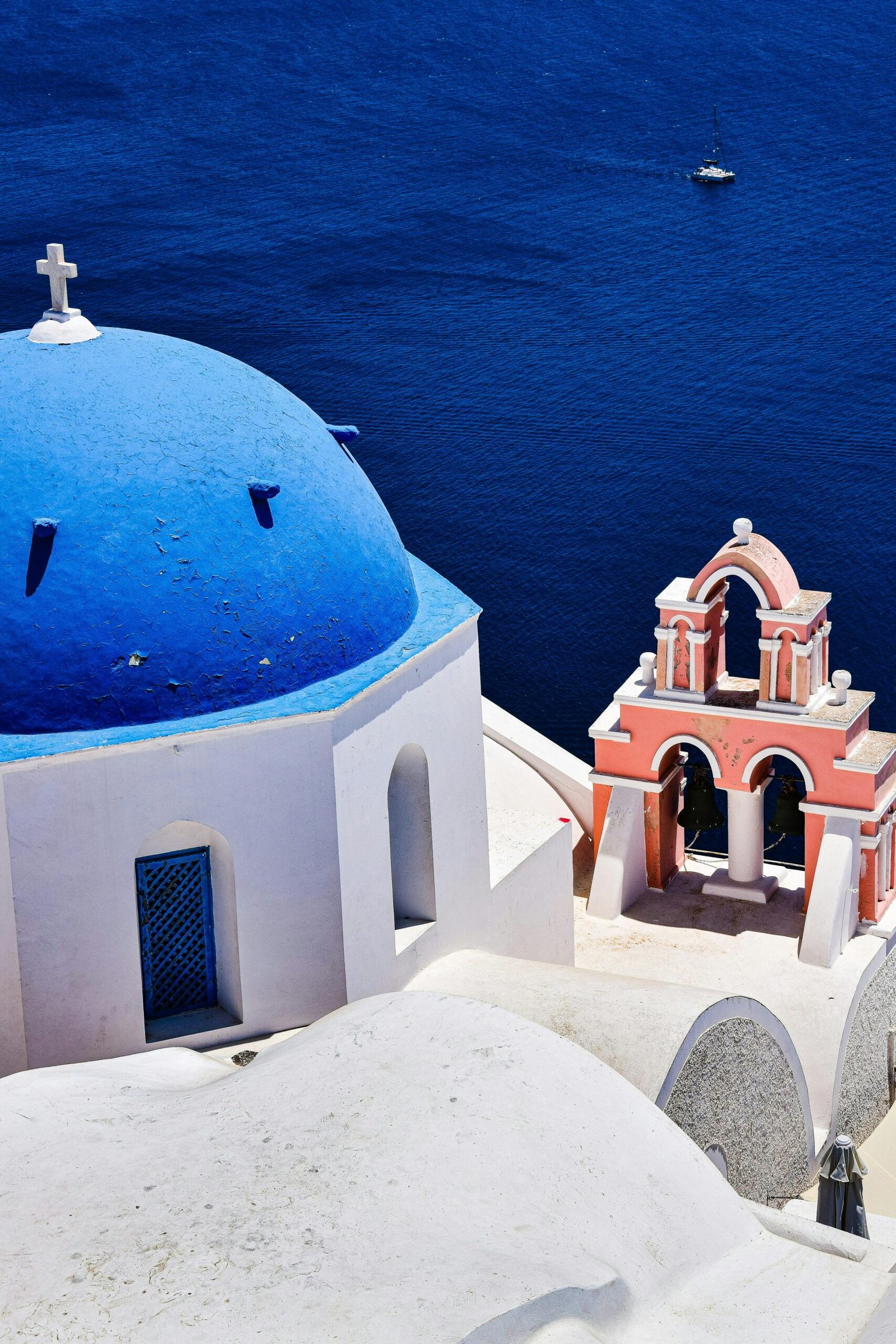
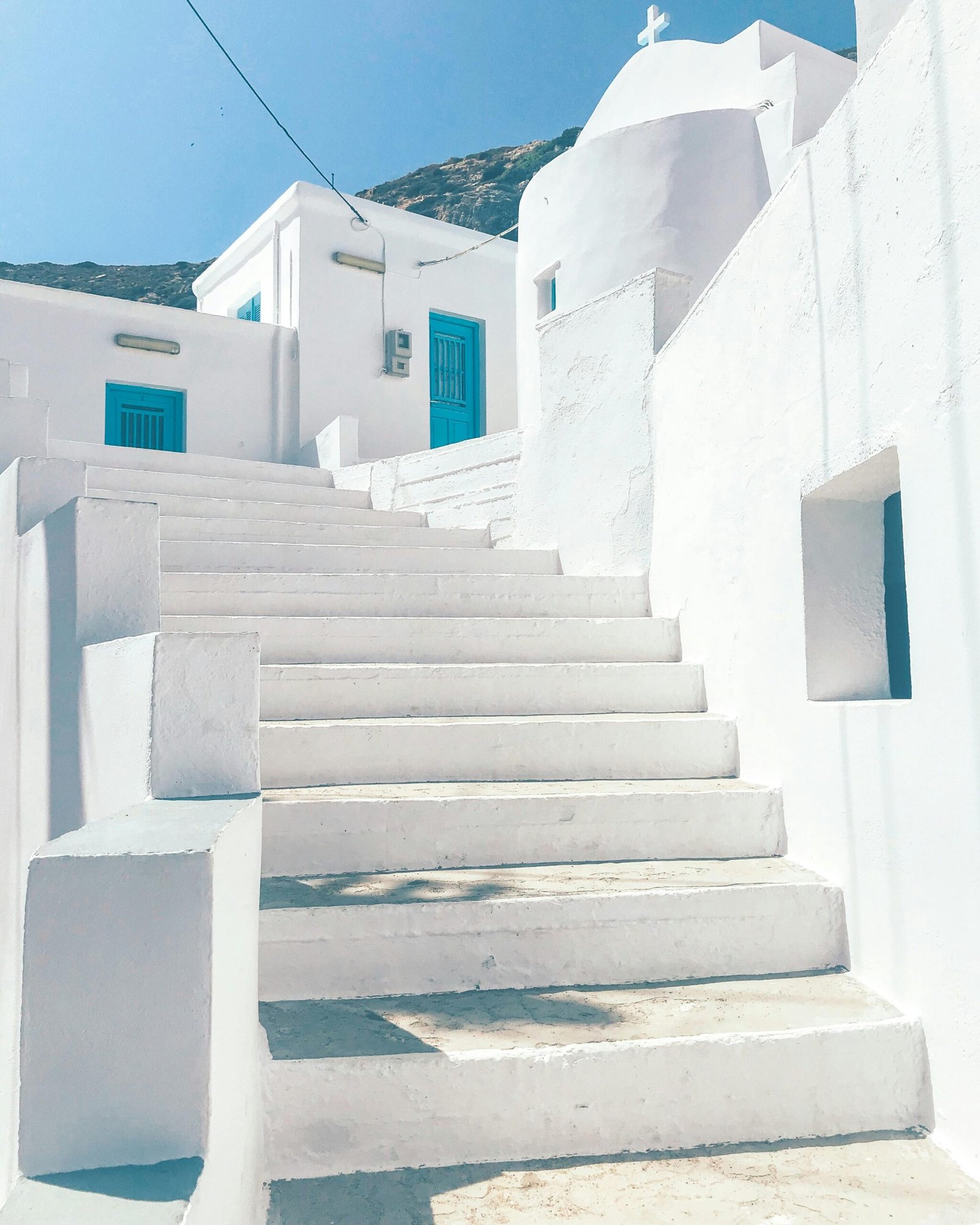
Why Most First-Timers to Santorini Leave Slightly Disappointed
The disappointment usually starts before the trip, not during it. People picture Santorini as a clean, effortless luxury experience where every view feels private and every moment feels curated. In reality, peak season turns the island into a place where the famous image is still there, but your access to it is crowded, expensive, and often less relaxed than you expected.
The assumption behind Why Most First-Timers to Santorini Leave Slightly Disappointed
The core assumption is simple: if a place is this famous, it must deliver a uniformly high-end experience. That is not how Santorini works. The island is visually strong, but visual strength is not the same thing as comfort, ease, or emotional satisfaction.
People also assume that a famous destination will validate the effort they made to get there. That is a powerful psychological trap. Once someone has spent serious money and time on a trip, they are already primed to see the island as exceptional, which makes any friction feel like a personal failure in judgment.
Why Most First-Timers to Santorini Leave Slightly Disappointed is not really about Santorini being “less beautiful” than expected. It is about the gap between an image-based decision and an experience-based reality. The image is controlled; the reality is seasonal, crowded, and shaped by everyone else making the same choice at the same time.
Why people keep choosing Santorini anyway
There is a status component people rarely admit out loud. Santorini signals that you have “done Greece properly,” especially for honeymooners, milestone travelers, and first-time visitors who want their trip to feel important. That pressure matters, because it pushes travelers toward the most recognizable option rather than the best fit.
There is also a fear of regret. Many first-timers worry that if they skip Santorini, they will miss the one place everyone will ask about later. That fear is understandable, but it leads to overvaluing the destination’s reputation and undervaluing the actual style of trip they want.
For travelers trying to understand the broader Greece context,
Visit Greece gives a useful sense of how heavily the country’s image leans on a few headline destinations. The issue is not the branding itself. The issue is when travelers let the branding make the decision for them.
What people expect versus what they actually feel
Expectation: calm, elegant, and romantic. Reality in peak season: movement, queues, noise, and constant awareness of other people trying to get the same photo, table, or sunset spot. That mismatch is where the emotional drop happens.
People also expect Santorini to feel expansive in a psychological sense, like a place that gives them room to exhale. Instead, many first-timers feel managed by the island. They are always adjusting to timing, crowds, heat, or prices, and that creates a low-grade tension that is hard to name at first.
The surprising part is that many visitors are not disappointed by the famous caldera views at all. They are disappointed by how hard they have to work around them. That is a very different problem, and it is why the letdown often sounds vague: “It was beautiful, but…”
The exact moment the disappointment usually hits
The disappointment usually lands when the visitor realizes the island is not giving them a private version of the experience. That moment often comes at a viewpoint, a terrace, or a sunset setting where they expected intimacy and instead find density. The view is still there, but the feeling they attached to it is gone.
For some travelers, the break happens at check-in when the price-to-space ratio becomes obvious. For others, it is the first time they try to enjoy a famous sunset and discover they are sharing the same moment with a crowd that has been waiting for hours. That is when the trip stops feeling exclusive and starts feeling performative.
This is why Why Most First-Timers to Santorini Leave Slightly Disappointed is really a lesson in emotional sequencing. If the island is the centerpiece of a trip and it arrives already burdened with expectation, the smallest inconvenience lands harder than it should.
Who is most prone to this pattern
First-time Greece visitors are the most vulnerable, especially if Santorini is their only island stop. They often want one place to do everything: romance, beauty, relaxation, and a sense of achievement. That is too much to ask of any single destination, and Santorini is especially bad at carrying that emotional load in peak season.
Honeymooners are another high-risk group. They tend to arrive with a very specific emotional script, and Santorini is famous enough to feel like the obvious choice. When the trip feels less private and less effortless than expected, the contrast is sharper because the trip is supposed to mean something.
Travelers who consume a lot of social media content are also prone to disappointment. They are not seeing the island; they are seeing a narrow set of frames that remove waiting, heat, crowds, and cost. Once you strip those away, the real place is still impressive, but it is not the same product.
- Travelers who want one destination to “do it all”
- Honeymooners chasing a symbolic trip rather than a practical one
- First-time visitors who have only seen Santorini through social media
- Luxury travelers who equate price with privacy
The peak-season problem nobody wants to say plainly
Peak season changes the emotional character of Santorini. It is not just busier; it becomes more transactional. Restaurants, viewpoints, hotels, and even simple moments of movement feel more compressed, and that compression eats away at the sense of ease people thought they were buying.
My clear position: if your main goal is to feel relaxed, Santorini in peak season is a poor emotional fit for many first-timers. That does not mean it is a bad destination. It means the common way people choose it is mismatched to the common way they want to feel there.
Travelers often tell themselves that a famous place will justify the crowding. Sometimes it does. But if your trip is built around calm, spaciousness, or a sense of discovery, Santorini can make you feel like you paid a premium to stand in line for a view everyone else is also trying to capture.
How to approach Santorini differently
The better way to approach Santorini is to stop treating it as the whole Greece experience. It works best when it is one part of a trip, not the entire emotional center of it. That reduces the pressure and makes the island easier to enjoy for what it actually is.
It also helps to be honest about what you are buying. If you want iconic views and a famous name on your itinerary, Santorini can still make sense. If you want privacy, ease, and a sense of local texture, you are setting yourself up for friction.
Greece rewards travelers who arrive with a plan, but more importantly, it rewards travelers who know what they are trying to feel. If you want a quieter version of the island experience, or a trip that is less dependent on peak-season spectacle, make that the starting point instead of the destination name.
Culture Ministry of Greece is a useful reminder that Greece is much larger than the handful of places that dominate the internet. The strongest trips are usually the ones built from that wider view, not the most obvious headline choice.
Recognizing the pattern is the first step. The second is building a trip around how you actually travel — not the traveler you imagine yourself to be. Most great Greece experiences start with that honesty.
Frequently asked questions
Why do so many first-time visitors feel let down by Santorini?
Because they arrive expecting a private, effortless luxury experience and meet a famous island in peak season instead. The view is real, but the ease people imagine is usually not.
Is Santorini actually disappointing?
Not universally. It disappoints travelers who want calm, space, and authenticity-first travel more than it disappoints people who want a famous, visually dramatic destination.
What is the biggest mistake first-timers make with Santorini?
Making it the emotional centerpiece of the entire trip. That creates too much pressure and makes normal seasonal friction feel like a major failure.
When does the disappointment usually start?
Usually when travelers realize the island experience is shared, managed, and crowded rather than private and effortless. That moment often comes at a viewpoint, sunset spot, or hotel terrace.
Who is Santorini best for?
Travelers who are comfortable paying a premium for a famous setting and who do not need the trip to feel quiet or low-friction. It suits symbolic trips better than relaxed ones.
How can I avoid leaving Santorini underwhelmed?
Go in with narrower expectations. Treat it as one part of a larger Greece trip, and choose it for the specific experience it can actually deliver rather than the fantasy attached to it.