

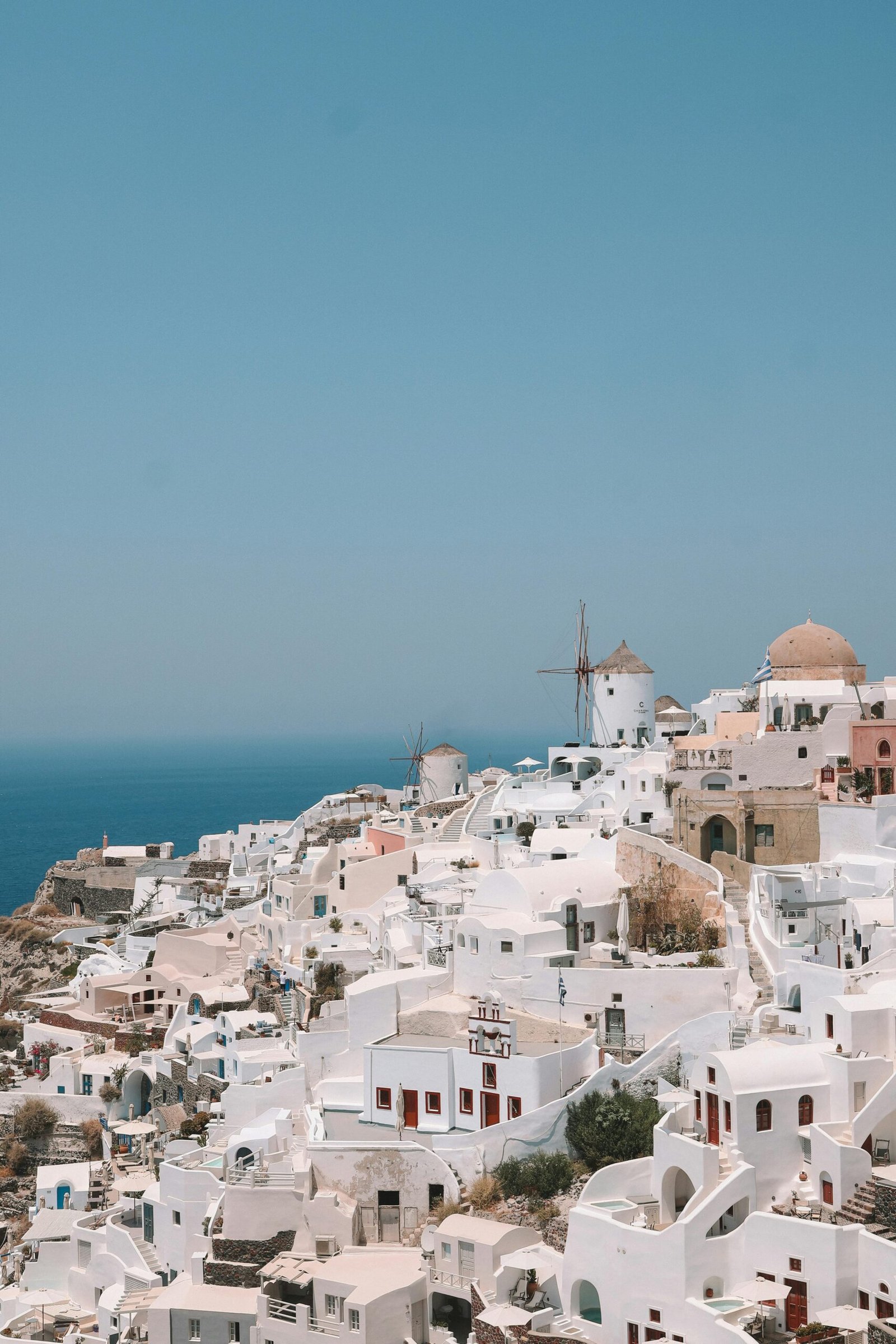
Why Most First-Timers to Santorini Leave Slightly Disappointed usually starts with a simple mistake: people arrive chasing the version of the island they have seen online, not the one they will actually live through in peak season. That gap between image and reality is where the frustration begins.
Santorini is not a bad destination. It is a destination that punishes vague expectations, expensive assumptions, and people who think a famous place will somehow feel private, easy, and emotionally generous just because they paid for it.
Why Most First-Timers to Santorini Leave Slightly Disappointed
The core psychological pattern is projection. Travelers do not just want Santorini; they want Santorini to validate a fantasy they have already built about how the trip should feel. That fantasy usually includes calm, space, romance, and the sense that they have chosen well. Peak season strips most of that away.
People choose Santorini because they want certainty. It is one of the few Greek islands that feels universally recognizable, which makes it feel safe to book. For first-timers, that familiarity matters more than they admit, especially when they are spending serious money and do not want to risk choosing the “wrong” island.
There is also status in the decision. Santorini signals that the trip is established, special, and worth the cost. That is why so many travelers ignore the obvious warning signs about crowds and pricing: they are not just buying a place, they are buying the version of themselves that can afford it.
Why Most First-Timers to Santorini Leave Slightly Disappointed: the image is too clean
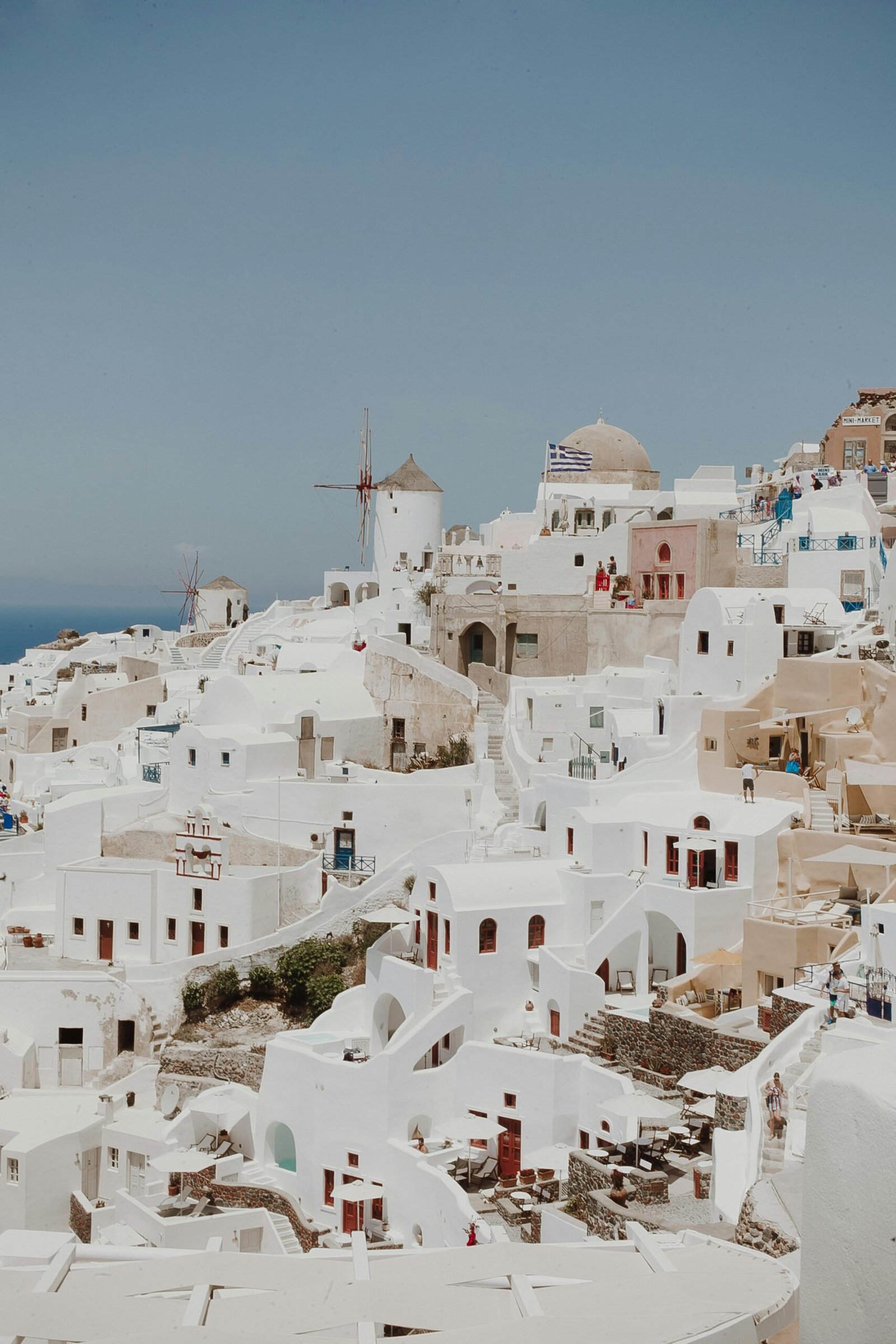
The expectation is usually cinematic: whitewashed terraces, long dinners, open views, and a feeling of exclusivity. The reality in peak season is more compressed. You are sharing the same viewpoints, the same lanes, and often the same emotional bandwidth as hundreds of other people trying to have the exact same experience.
That is why the disappointment often feels irrational to the traveler. Nothing is objectively wrong. The island is still impressive, the views are still real, and the service can still be excellent. But the internal script has already been written, and reality is not matching it closely enough.
This is where Why Most First-Timers to Santorini Leave Slightly Disappointed becomes less about the island and more about expectation management. People are not reacting to a bad trip; they are reacting to a trip that feels smaller, busier, and less private than the one they paid for in their head.
The moment the disappointment usually hits
It usually hits at the first high-friction moment. Not when they arrive, and not when they first see the caldera. It hits when they realize that the island they imagined as effortless requires patience, timing, and tolerance for crowds at almost every turn.
The emotional drop is sharp because it happens after a large investment. Once someone has committed to Santorini, they are often already tired, already over-budget, and already attached to the idea that this should feel worth it. When the island feels busy instead of indulgent, the mind starts doing the math in a very unforgiving way.
That is the real problem behind Why Most First-Timers to Santorini Leave Slightly Disappointed: the trip becomes a referendum on whether the traveler made the right choice. Once that question appears, even a good experience can start to feel compromised.
The traveler types most prone to this pattern
Some travelers are more vulnerable than others because of what they are actually seeking. The most prone are first-time Greece visitors, honeymooners, and people who have only seen Santorini through social media or luxury travel marketing. They arrive expecting a polished emotional payoff, not a busy island with very visible supply-and-demand pressure.
- Honeymooners who want privacy but book the most recognizable place in Greece.
- First-time visitors who assume the famous island is automatically the best island.
- Luxury travelers who equate high prices with calm, space, and control.
- Social-media-led planners who confuse visual familiarity with lived comfort.
There is a second group that struggles for a different reason: travelers who are highly sensitive to crowds but still want the prestige of saying they went. They are often the most disappointed because they know, almost immediately, that they are not enjoying the conditions they thought they could tolerate.
This is one reason Why Most First-Timers to Santorini Leave Slightly Disappointed is such a reliable pattern. The island attracts people who are already primed to expect a clean emotional payoff, and Santorini is not built to deliver that cleanly in peak season.
What travelers consistently underestimate
The biggest mistake is assuming the island experience is mostly visual. It is not. Santorini is an exercise in managing density: density of people, density of pricing, density of expectations, and density of pressure to make every moment feel meaningful.
Another underestimation is how quickly novelty turns into friction. A place that looks perfect in photos can still feel tiring after a few hours if every movement requires negotiation with crowds or inflated costs. That is not a moral failure on the traveler’s part; it is a mismatch between fantasy and operating reality.
For travelers who care about context, the island makes more sense when it is treated as part of a broader Greece trip rather than the entire emotional center of it. If you want a better frame for the country as a whole, start with
Visit Greece and stop pretending one island can carry every expectation you have for the country.
The counterintuitive truth is that Santorini is often better when you stop trying to make it the highlight of your entire trip. That sounds like lowering your standards. In practice, it is the only way many travelers actually enjoy it.
The wrong assumption about season is where the trouble starts
Peak season changes the island’s emotional character. The same place that feels elegant in a quiet shoulder month can feel transactional and crowded in high summer. Travelers rarely plan for that shift because they are booking the image, not the atmosphere.
This is where the wrong assumption becomes expensive. People book peak-season Santorini, assume the famous experience will still feel intimate, and then discover that the island’s popularity is not a background detail. It is the main fact of the trip.
If your trip is built around culture as well as scenery, you also need to be honest about where Santorini sits in the larger Greek context. For travelers who want more than one-dimensional views, official cultural context matters, and the Hellenic Ministry of Culture is a better reference point than glossy travel content.
What a better approach looks like
The better approach is not to “lower your expectations” in some vague way. It is to define what you actually want from Santorini before you book it. If you want visual drama, fine. If you want ease, privacy, and a slow emotional pace, Santorini in peak season is a poor match.
Greece rewards travelers who arrive with a plan, but more importantly, it rewards travelers who understand their own habits. If you are the kind of person who gets irritated by crowds, resents paying premium prices, or needs a trip to feel effortless to feel worthwhile, say that out loud before choosing Santorini.
That reframe changes the decision. Santorini stops being a test of whether you chose correctly and becomes one component of a trip built around your actual tolerance for pace, noise, and exposure. That is a much more useful way to travel, and it is why Why Most First-Timers to Santorini Leave Slightly Disappointed should be read as a warning about psychology, not a verdict on the island.
Recognizing the pattern is the first step. The second is building a trip around how you actually travel — not the traveler you imagine yourself to be. Most great Greece experiences start with that honesty.
Why Most First-Timers to Santorini Leave Slightly Disappointed is not because the island fails everyone. It is because too many first-timers arrive wanting a feeling that the island, in peak season, is not designed to deliver consistently.
Frequently asked questions
Is Santorini actually disappointing for first-time visitors?
Not universally. The disappointment usually comes from the gap between the fantasy people bring and the conditions they find in peak season. If you want a high-visibility, high-demand destination and you understand that trade-off, the island can still work well.
Why do so many people choose Santorini anyway?
Because it feels safe, familiar, and socially validated. First-timers often want to avoid making the “wrong” Greece choice, and Santorini is the name they already know. That familiarity is comforting, even when it creates unrealistic expectations.
What is the biggest mistake first-time visitors make?
They assume the famous image is the real experience. In peak season, Santorini is crowded, expensive, and more demanding than many travelers expect. The mistake is booking the image without accepting the operating reality.
Who is most likely to leave disappointed?
Honeymooners, luxury travelers expecting privacy, and first-time Greece visitors who have only seen Santorini through social media. These groups are most likely to expect a polished emotional payoff that the island cannot consistently deliver in high season.
Does Santorini work better outside peak season?
Yes, for many travelers it does. The island’s atmosphere changes when the crowds thin out, and the experience becomes less compressed. The same views feel different when you are not competing with peak-season pressure.
How should I think about Santorini before booking?
Treat it as a highly recognizable, high-demand island with real trade-offs. Decide whether you want visual drama badly enough to accept crowds, costs, and a less private experience. That clarity prevents most of the disappointment.