

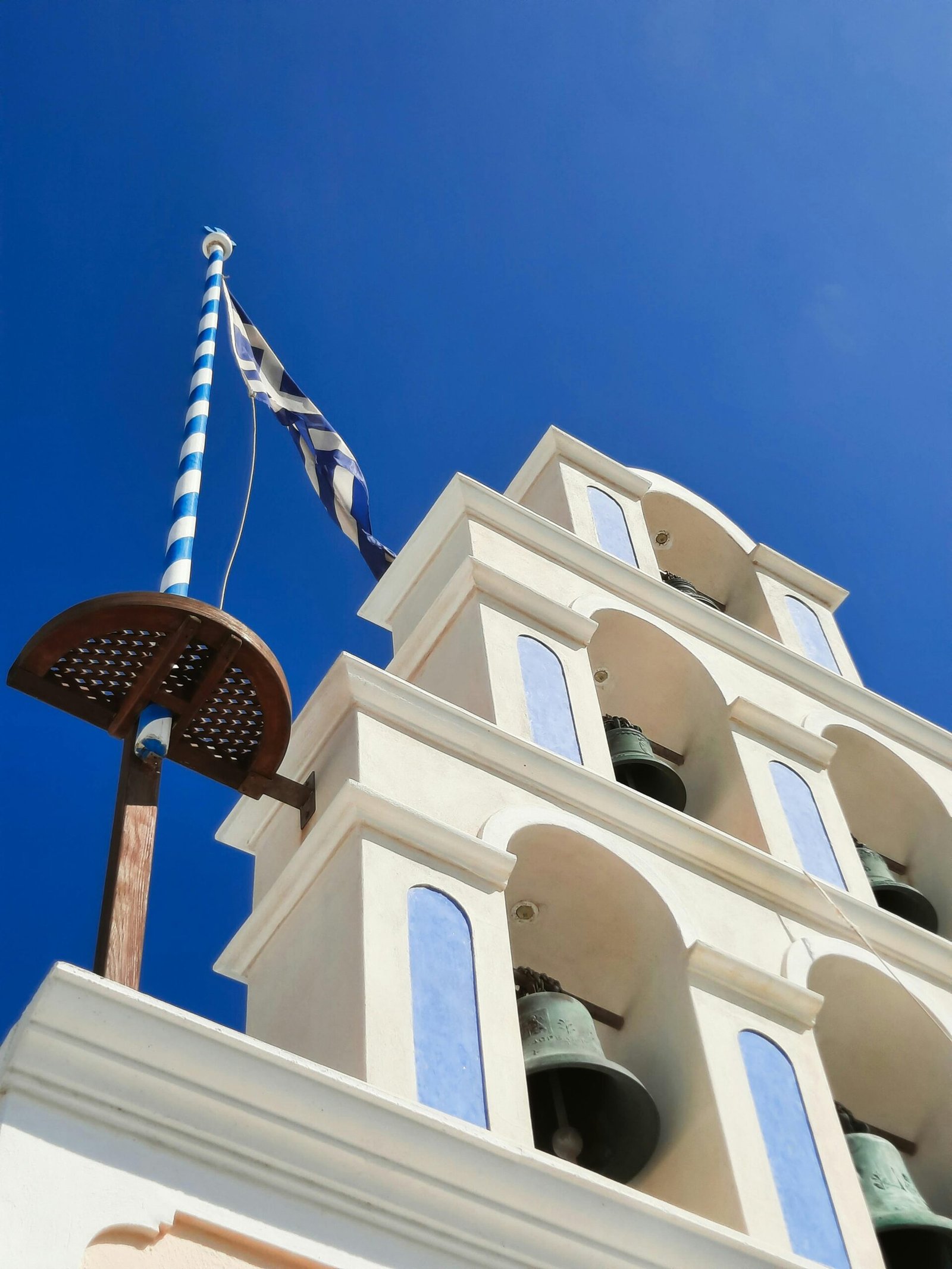
Why Most First-Timers to Santorini Leave Slightly Disappointed usually starts with a simple mistake: people book the island they have seen, not the island they will actually experience in peak season. They are not wrong to want the famous caldera views, but they are often unprepared for how much of Santorini is shaped by crowd pressure, timing, and the emotional weight of expectation.
The disappointment is rarely about one bad meal or one crowded viewpoint. It is the cumulative effect of expecting a relaxed, romantic island and finding a place that can feel managed, expensive, and oddly performative when the season is at full tilt.
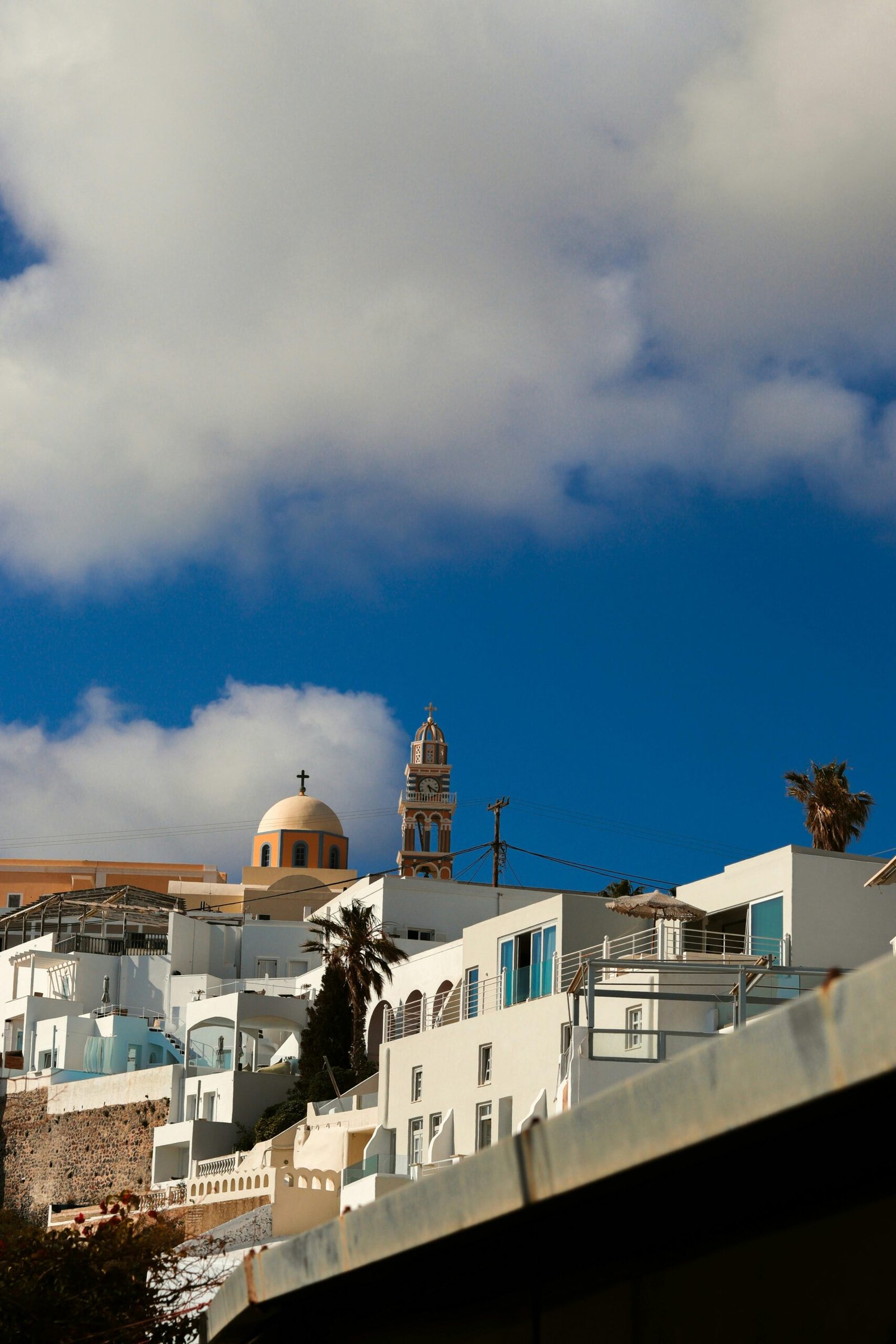
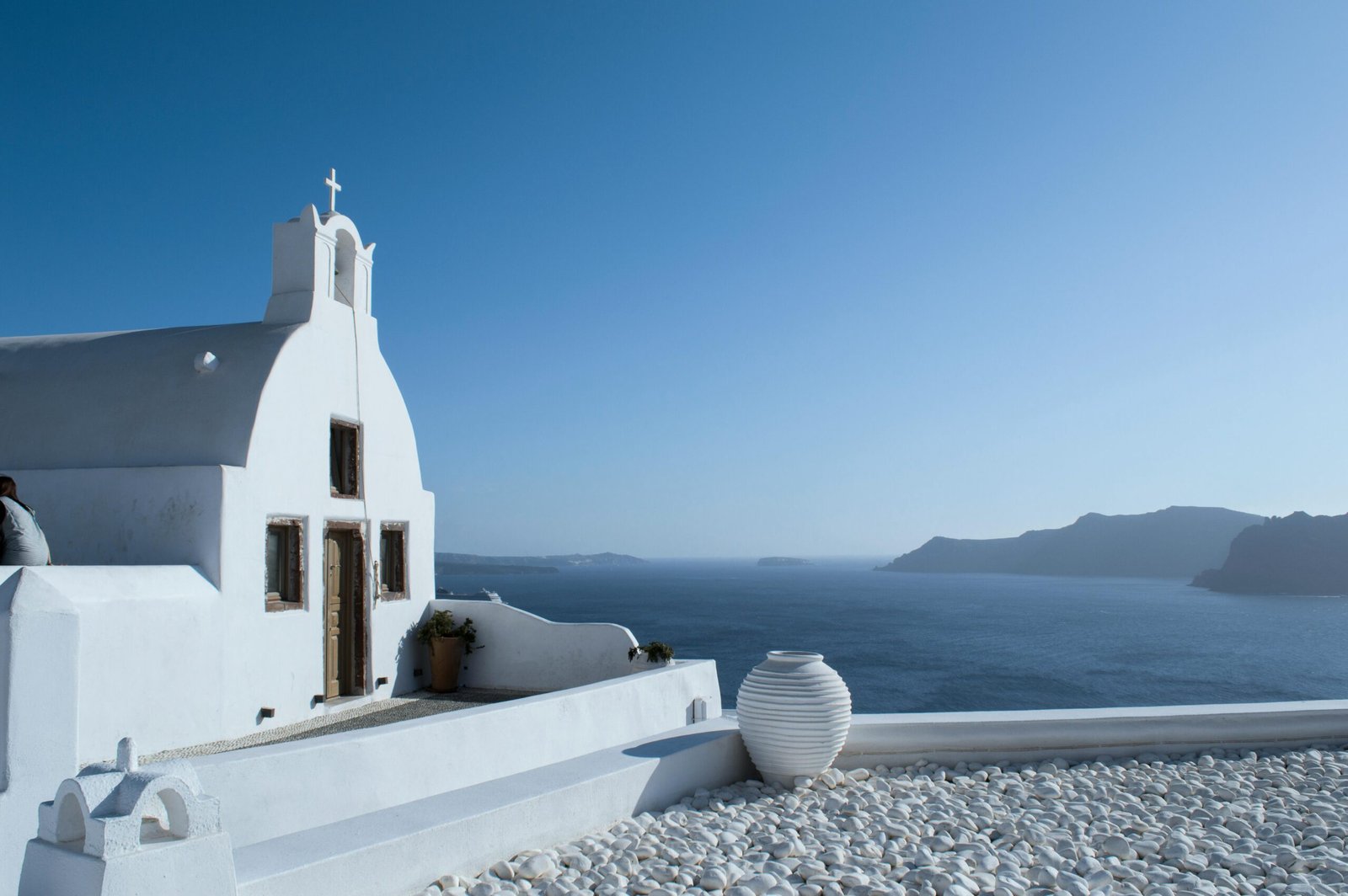
Why Most First-Timers to Santorini Leave Slightly Disappointed
The core pattern is projection. Travelers do not just choose Santorini for its scenery; they choose it because it already means something to them before they arrive. In their head, the island is a reward, a milestone, or proof that the trip has been done properly.
That is exactly why Why Most First-Timers to Santorini Leave Slightly Disappointed is such a persistent pattern. The expectation is emotional, not practical, so the reality has very little room to be ordinary, crowded, or inconvenient.
The real reason people choose Santorini first
Most first-timers are not choosing Santorini because it is the best island for their travel style. They are choosing it because it is the most legible Greek island online. They already know what it is supposed to look like, which creates confidence, and confidence feels safer than uncertainty.
That is a psychological shortcut, and it is expensive. When travelers feel they have “already seen” a place through photos, they stop asking the questions that matter: how intense is the peak-season crowding, how much do you mind paying for location, and do you actually want an island that performs well for a few hours a day rather than all day?
Why Most First-Timers to Santorini Leave Slightly Disappointed in peak season
Peak season turns Santorini from a fantasy object into a high-pressure destination. The island is still beautiful, but beauty is no longer the main experience. The main experience becomes friction: queues, noise, heat, overbooked tables, and the sense that you are sharing every viewpoint with people who are all trying to have the same moment at the same time.
The surprising part is that many travelers are not disappointed by the crowds themselves. They are disappointed by how normal the crowds feel. Santorini is marketed as exceptional, so when the reality is simply busy, expensive, and tightly managed, the emotional drop is sharper than people expect.
There is a second layer to this, and it is the one most blogs skip: the island can feel smaller than expected once you remove the postcard. That is not a criticism of Santorini. It is a clear-eyed description of what happens when a place becomes iconic enough that the image starts doing more work than the destination itself.
The moment the disappointment usually hits
For many first-timers, the shift happens at the first sunset crowd. They arrive expecting a private emotional payoff and instead find a highly organized public event. At that point, the island stops feeling like a romantic escape and starts feeling like a shared performance.
That is often the exact moment Why Most First-Timers to Santorini Leave Slightly Disappointed becomes obvious to them, even if they cannot name it yet. They realize they were not reacting to the island itself so much as to the gap between the version they bought and the version they are standing in.
This is also when logistics begin to matter emotionally. A place that looked effortless in photos can suddenly feel demanding when simple decisions carry more weight than expected. If the setting is crowded, expensive, and time-sensitive, even a pleasant day can feel like work.
Who is most prone to this pattern
Some travelers are far more likely to feel let down, and it has less to do with budget than with mindset. The people most prone to this disappointment are usually the ones who want Santorini to validate a dream rather than serve a trip.
- Couples booking their first Greece trip and treating Santorini as the default romantic choice.
- Travelers who have seen the island in photos for years and assume that familiarity equals fit.
- Visitors who dislike crowds but still choose the most famous destination in the country.
- People who want a calm, unstructured island experience and do not realize how managed Santorini can feel in high season.
These travelers are not making a foolish choice. They are making an emotionally understandable one. The problem is that Santorini is often selected for what it symbolizes, not for what it practically delivers under pressure.
The expectation gap: postcard island versus lived island
The postcard version promises ease, intimacy, and a sense of arrival. The lived version in peak season often delivers congestion, premium pricing, and a constant awareness that you are in one of the most visited places in Greece. Those are not small differences. They change the entire emotional tone of the trip.
Why Most First-Timers to Santorini Leave Slightly Disappointed is really a story about mismatch. Travelers expect the island to feel spacious in an emotional sense, but peak season compresses everything: time, energy, patience, and budget.
That compression matters because it changes how people interpret the trip. A beautiful dinner can feel overmanaged. A famous viewpoint can feel transactional. Even a well-run hotel can feel less satisfying when the surrounding environment keeps reminding you that you are sharing the experience with thousands of others.
What a better approach looks like
The better approach is not to lower your standards. It is to stop asking Santorini to be something it is not. If you want the island, choose it for the specific reasons it actually serves well: dramatic views, a distinctive setting, and a concentrated, high-impact stay.
If what you want is space, ease, and a more relaxed Greek island rhythm, Santorini should not be your default first choice. That is a clear position, and it is worth stating plainly. Greece rewards travelers who arrive with a plan, but only if the plan is based on reality rather than image.
A more useful framework is simple: choose Santorini when you are prepared for intensity, not when you are trying to avoid it. Learn the seasonality, accept the crowd profile, and decide whether the island is the right tool for the kind of trip you actually want. For broader context on Greece’s destinations and seasonal patterns, the official tourism resource at
visitgreece.gr is a better starting point than social media.
That shift in thinking changes everything. Once you stop treating Santorini as a guaranteed emotional outcome, you can judge it more fairly and choose it more intelligently.
For travelers still comparing Greece’s major destinations, it is also worth remembering that cultural context matters. The most satisfying trips usually come from understanding what a place is for, not just what it looks like. If you want a broader sense of Greece’s historical depth beyond the islands, the Acropolis Museum is a useful reminder of how much of the country’s appeal sits outside the postcard frame.
Conclusion
Why Most First-Timers to Santorini Leave Slightly Disappointed is not a warning against visiting. It is a warning against confusing a famous image with a personally suitable trip. Santorini can be worth it, but only when you understand that its appeal is concentrated, seasonal, and highly sensitive to expectations.
Greece doesn’t punish inexperience. It punishes unexamined assumptions. The travelers who leave disappointed rarely lacked information — they lacked a framework for using it.
Frequently asked questions
Why do first-time visitors expect Santorini to feel more romantic than it does?
Because the island is marketed through a narrow visual language: sunsets, whitewashed architecture, and caldera views. That image is powerful, but it leaves out crowds, premium pricing, and the fact that peak season can make the atmosphere feel more public than private.
Is Santorini actually disappointing, or are expectations just too high?
Usually the expectations are too high and too one-dimensional. Santorini is a strong destination for the right traveler, but it disappoints people who expect it to deliver a relaxed island mood in the middle of its busiest months.
What is the most common mistake first-timers make with Santorini?
They choose it because it is the most famous Greek island, not because it fits their travel style. Fame creates confidence, and that confidence often replaces practical thinking about crowd tolerance, budget, and season.
Which travelers are most likely to feel let down by Santorini?
Couples chasing a symbolic romantic trip, travelers who dislike crowds, and people who want a slow, low-friction island experience are most vulnerable to disappointment. They are often expecting emotional ease from a place that can feel highly managed in peak season.
What should I ask myself before booking Santorini?
Ask whether you want dramatic scenery under pressure or a calmer Greek island experience. If you are mainly trying to avoid crowds, high prices, and structure, Santorini is probably the wrong first choice.
Can Santorini still be worth visiting for a first trip to Greece?
Yes, if you understand what you are choosing. It works best for travelers who accept that its appeal is concentrated and seasonal, and who are not expecting it to behave like a quiet, low-key island.