

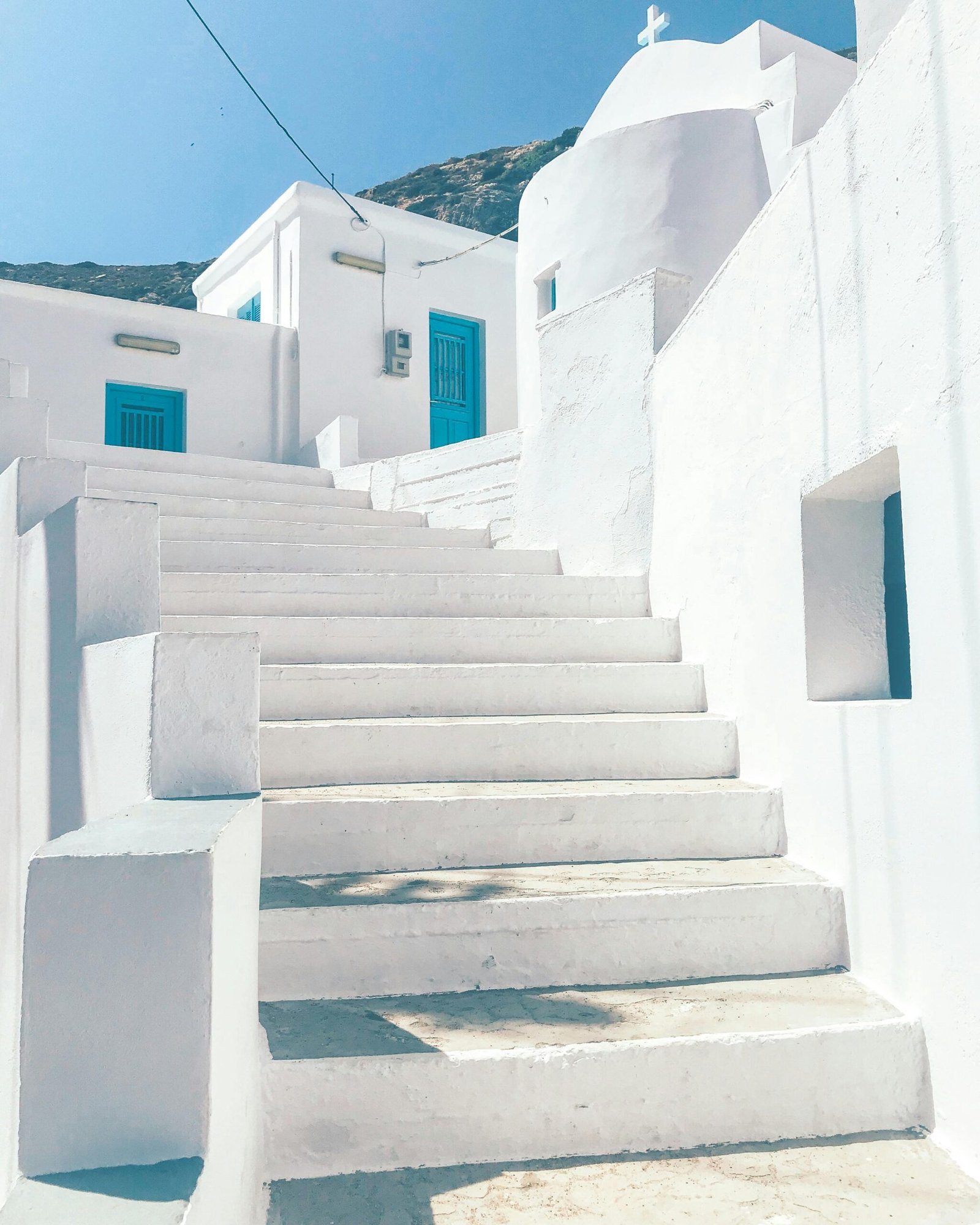
Why Most First-Timers to Santorini Leave Slightly Disappointed starts with a simple mistake: people confuse a highly photographed place with a low-friction holiday. They arrive expecting the island to deliver the same feeling they saw online, then feel thrown off when the reality is busier, more expensive, and less private than they imagined.
This is not a Santorini problem alone. It is a planning problem, and it shows up most clearly in peak season, when the island’s most famous views are shared with everyone else who had the same idea.
Why Most First-Timers to Santorini Leave Slightly Disappointed
The main psychological trap is projection. Travelers do not just want a trip to Santorini; they want Santorini to confirm a story they already built in their head. That story usually includes quiet terraces, effortless romance, and the sense that the island will somehow feel exclusive even when everyone else is there for the same reason.
Why Most First-Timers to Santorini Leave Slightly Disappointed is not because the island is overrated in a simple sense. It is because the image people buy before they arrive is cleaner, calmer, and more private than the actual experience in peak season. The gap between those two versions is where frustration starts.
The fantasy is not about the island — it is about the feeling people want to have
Most first-timers are not choosing Santorini for geography. They are choosing it for a mood: arrival, romance, status, and the sense that this trip should feel like a milestone. That is a heavy emotional load to put on one destination, especially one that is already under pressure from demand.
People also choose Santorini because it feels like a safe decision. It is famous, easy to justify, and socially validated, which matters more than travelers admit. When a destination has been reinforced by years of social media and word-of-mouth, many people stop asking whether it suits the way they actually like to travel.
Why Most First-Timers to Santorini Leave Slightly Disappointed in peak season
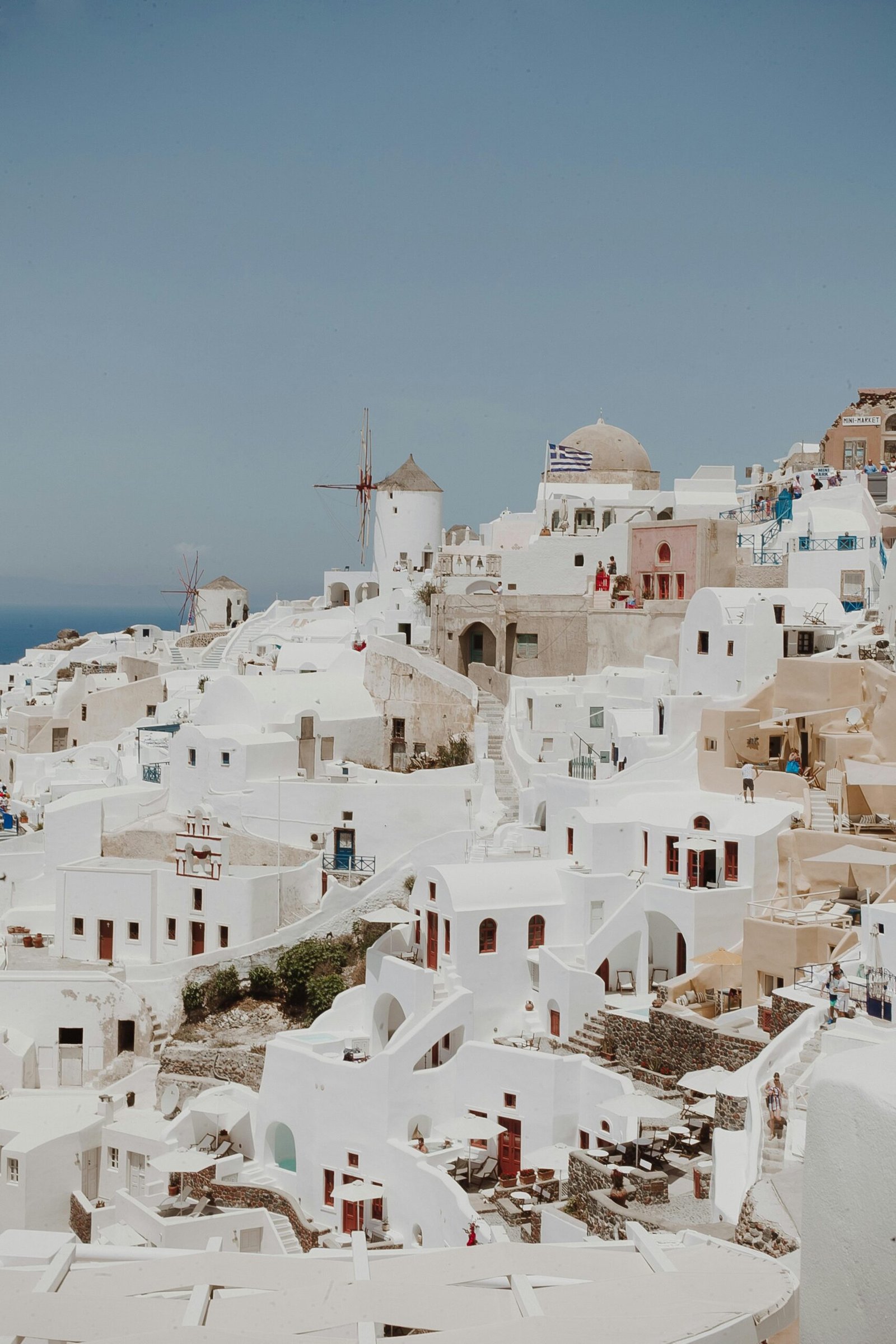
Peak season changes the island’s emotional texture. The same caldera view that looks serene in a photo can feel crowded, commercial, and oddly performative when you are sharing it with hundreds of other people trying to get the same shot. That is the moment many visitors realize they were not chasing a place so much as a visual promise.
The disappointment usually hits when the logistics of being there interrupt the fantasy. A dinner reservation becomes a negotiation. A sunset becomes a crowd-management exercise. Even the most expensive room does not protect you from the fact that Santorini is small, in demand, and not designed to make every visitor feel special at the same time.
My position is blunt: if you want Santorini to feel intimate, peak season is the wrong time to test that theory. The island can still be worth visiting, but not if your expectation is privacy, ease, and a sense of discovery. That combination is exactly what the island struggles to deliver when it is full.
For travelers who want a broader sense of how Greece is presented versus how it actually works on the ground, the official tourism material at
Visit Greece is useful as a baseline, but it will not tell you where the emotional mismatch starts. That part comes from understanding the island’s scale, demand, and seasonal pressure.
The specific moment when disappointment usually hits
It is rarely the first view. The first view usually still works, because expectation is doing a lot of the emotional labor. The disappointment tends to arrive later, when the traveler realizes that the island’s famous beauty is not the same thing as a relaxing stay.
The most common breaking point is the first evening, when the crowds, pricing, and pace become impossible to ignore. People notice that they are spending energy managing the experience instead of sinking into it. That is when the trip shifts from fantasy to assessment, and the mood changes fast.
Another common trigger is the realization that Santorini is not a place where you can improvise easily in high season. The island is compact, popular, and heavily booked, which means the margin for casual decision-making is thin. Travelers who expected spontaneity often feel boxed in by their own assumptions.
Who is most likely to feel this way
First-time visitors who are chasing a “once-in-a-lifetime” feeling are the most vulnerable. They tend to arrive with a lot of emotional expectation and very little tolerance for friction. When the island behaves like a busy destination instead of a private stage set, they take it personally.
Couples are especially prone to disappointment when they have built the trip around romance alone. Santorini can support a romantic trip, but it does not automatically create one. If the couple already struggles with crowds, planning pressure, or high expectations, the island tends to amplify those tensions rather than smooth them out.
Social-media-led travelers are another predictable group. They often know the visual script but not the practical reality, so they are surprised when the island feels more managed than magical. They are not wrong to want beauty; they are wrong to assume beauty will arrive without trade-offs.
- Travelers who need quiet to enjoy a place
- Couples expecting privacy by default
- First-timers who only know Santorini from photos
- Visitors who dislike crowds, queues, and premium pricing
The emotional gap: what people expect versus what they actually get
Expectation says: effortless romance, clean views, and a sense of being somewhere rare. Reality says: a famous island with limited space, intense demand, and a lot of people trying to extract the same emotional payoff from the same view. That mismatch is why the island can feel both beautiful and slightly exhausting at the same time.
What many travelers do not admit is that they are not disappointed by Santorini itself. They are disappointed by the fact that the trip did not make them feel the way they hoped it would. That is a harder truth, because it means the problem is partly internal, not just external.
This is where Greece rewards travelers who arrive with a plan, but only if that plan is honest about the kind of experience they actually want. If you want calm, space, and fewer people, Santorini in peak season is a poor match. If you want a famous island and can accept the trade-offs, the trip makes more sense.
For travelers who want to understand the broader cultural context of Greece rather than just the postcard version, the Ministry of Culture’s site at culture.gov.gr is a better reminder that Greece is not one aesthetic. It is a country with layered places, different rhythms, and very different visitor experiences.
What a better approach looks like
The better approach is not to lower your standards. It is to stop asking Santorini to be something it is not. If you want the island, choose it for what it actually offers: a famous landscape, strong visual identity, and a high-intensity visitor experience that can still be memorable if you understand the trade-offs.
That means being honest about your travel personality before you book. If crowds drain you, if you hate feeling scheduled, or if you want a destination that feels under your control, Santorini may not be the right first choice in peak season. That is not snobbery; it is self-knowledge.
The travelers who leave happiest are usually the ones who stop treating Santorini as a test of whether the internet was right. They treat it as one part of a larger Greece trip, not the whole emotional center of it. That shift alone changes the experience.
Why Most First-Timers to Santorini Leave Slightly Disappointed is ultimately a lesson in expectation management. The island is not failing to be beautiful; it is failing to match a fantasy built for a quieter, less crowded version of itself. Once you see that clearly, you can decide whether Santorini is still the right fit for the trip you actually want.
Recognizing the pattern is the first step. The second is building a trip around how you actually travel — not the traveler you imagine yourself to be. Most great Greece experiences start with that honesty.
Frequently asked questions
Why do first-time visitors to Santorini often feel let down?
Because they arrive with a polished image of the island and then meet the reality of peak-season crowds, high prices, and limited privacy. The gap between expectation and experience is usually the real problem.
Is Santorini still worth visiting for a first trip to Greece?
Yes, if you understand what you are choosing. It is a high-demand, high-visibility destination, not a quiet escape, and it works best for travelers who accept that trade-off.
What is the biggest mistake people make when planning Santorini?
They assume the island will feel intimate by default. In peak season, that assumption creates disappointment because the island is busy, compact, and heavily booked.
Who is most likely to be disappointed by Santorini?
Travelers who want privacy, spontaneity, and a low-friction holiday are the most likely to feel underwhelmed. Couples chasing romance through expectation alone are also vulnerable to disappointment.
Does Santorini feel different outside peak season?
Yes. The emotional experience changes a lot when the island is less crowded. The same views can feel more relaxed and less performative when demand is lower.
How should I think about Santorini if I do not want to be disappointed?
Treat it as a famous, high-traffic destination with real trade-offs. If you want calm and space, choose a different island or a different season rather than forcing Santorini to fit the wrong brief.