


Why Most First-Timers to Santorini Leave Slightly Disappointed usually starts with one assumption: that the island will feel as polished and effortless as the photos suggest. People are not being foolish; they are responding to a very strong image of Santorini as the definitive Greek island experience, and that image is hard to resist.
The problem is that the image is built around a narrow version of the island, usually seen in ideal light, from ideal angles, with the hard parts edited out. In peak season, the gap between expectation and reality becomes obvious fast, and that is where the disappointment begins.

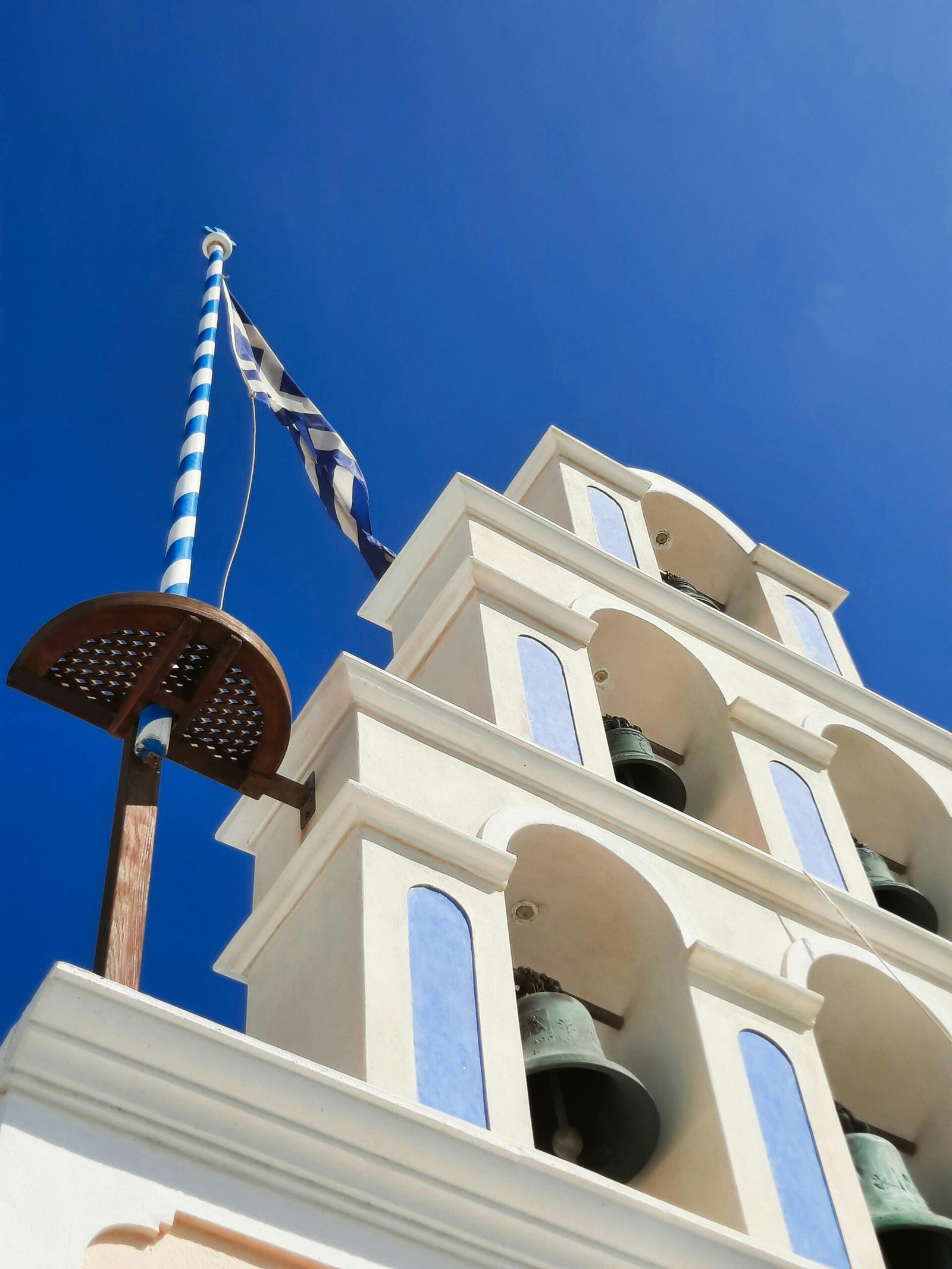
Why Most First-Timers to Santorini Leave Slightly Disappointed
The core mistake is not choosing Santorini. The mistake is treating it like a universal benchmark for Greece, then feeling let down when it behaves like a heavily visited, high-demand island with real limits. Why Most First-Timers to Santorini Leave Slightly Disappointed is really a story about projection: people arrive looking for a perfect version of the island they already built in their heads.
That projection is powerful because Santorini is one of the most photographed places in Greece, and people confuse familiarity with understanding. They think they know the island before they arrive, which makes the first friction feel more personal than it is. In reality, the island is doing what popular places do in peak season: it gets crowded, expensive, and less forgiving.
The psychological trap behind Why Most First-Timers to Santorini Leave Slightly Disappointed
Most first-timers are not chasing a destination; they are chasing a feeling of arrival. Santorini has been sold as a place where the trip will feel significant the moment you land, so travelers expect emotional payoff before they have even adjusted to the pace, the crowds, or the cost.
That is why disappointment often feels disproportionate. The island is not failing to be beautiful; it is failing to match the emotional script people brought with them. Why Most First-Timers to Santorini Leave Slightly Disappointed is often less about the island itself and more about the gap between fantasy and the practical reality of being there in high season.
What travelers expect versus what they actually get
People expect a clean, cinematic experience: easy movement, quiet viewpoints, relaxed meals, and a sense that everything is arranged for their enjoyment. What they actually get in peak season is congestion, queues, premium pricing, and a constant awareness that many other people had the same idea at the same time.
The emotional shift is subtle at first. You notice it when a place that looked intimate online feels crowded in person, or when a simple dinner becomes a negotiation with timing, noise, and cost. That is the moment the island stops feeling like a dream and starts feeling like a very popular destination with a strong brand.
There is also a less obvious disappointment: Santorini can feel surprisingly transactional. Many first-timers expect warmth to come automatically with the setting, but in peak season service is often stretched, and the island’s premium reputation can make every interaction feel priced in advance. For a broader sense of how Greece presents itself versus how it actually works on the ground,
Visit Greece is useful as a starting point, but it will not tell you where expectation management matters most.
The specific moment the disappointment usually hits
The disappointment usually hits when the traveler realizes the island is not going to deliver solitude on demand. It might be at a viewpoint that is more crowded than expected, at a meal that feels rushed, or during a sunset moment that is shared with far too many other people to feel personal.
That is the emotional break point. Until then, the traveler can still believe the island will “settle down” or reveal a quieter side on cue. Once that does not happen, the mood changes quickly, because the trip was built around the promise of effortless beauty and the island is asking for patience instead.
Here is the counterintuitive part: many people who leave slightly disappointed were not actually looking for the best of Santorini. They were looking for the most convenient version of it. Those are not the same thing, and peak season exposes the difference immediately.
Why peak season makes the gap worse
Peak season does not just add more people. It changes the emotional texture of the island. The same place that feels composed in a quieter month can feel compressed, expensive, and oddly performative when every visitor is trying to get the same photos, the same table, and the same sunset.
This is where first-timers misread the situation. They assume the island’s reputation guarantees a premium experience, when in fact the reputation is exactly what creates the pressure. Santorini is one of the clearest examples of a place where demand distorts the visit, and the distortion is most visible when travelers arrive expecting ease.
If you want a more grounded view of how Greece’s cultural and visitor infrastructure works beyond the postcard version, the Ministry of Culture is a better reference point than social media. It will not solve the crowd problem, but it does remind you that Greece is a real place with real systems, not a stage set.
Traveler types most prone to this pattern
First, there are the milestone travelers. Honeymooners, anniversary couples, and people celebrating something important often arrive with a strong need for the trip to feel exceptional. That pressure makes them more vulnerable to disappointment, because any friction feels like a threat to the meaning of the trip.
Second, there are the image-led planners. These travelers have seen the island in photos for years and have built the trip around a visual outcome. They are usually the most surprised when the real experience feels busy, expensive, and less private than expected.
Third, there are the “we only have one shot at Greece” travelers. They often choose Santorini because it feels like the safest answer, the one destination nobody will question. That logic is understandable, but it is also exactly why Why Most First-Timers to Santorini Leave Slightly Disappointed keeps repeating itself.
- Milestone travelers who need the trip to feel emotionally perfect
- Photo-driven travelers who expect the island to match the feed
- First-time Greece visitors who choose Santorini as the default answer
What a better approach looks like
The better approach is not to lower your standards. It is to stop asking Santorini to be all things at once. If you want the island to work for you, you need to decide what role it plays in the trip: visual drama, a special occasion base, or one part of a broader Greece experience.
That shift matters because it changes the emotional contract. You stop expecting the island to deliver constant ease and start reading it as a place with a strong identity, real constraints, and a very specific peak-season personality. Greece rewards travelers who arrive with a plan, but more importantly, it rewards travelers who know what they are actually asking a place to do.
Why Most First-Timers to Santorini Leave Slightly Disappointed is not a warning to avoid the island. It is a warning to stop confusing a famous image with a complete travel experience. If you approach Santorini as a high-demand destination with a narrow emotional payoff, you are much less likely to feel cheated by it.
Greece doesn’t punish inexperience. It punishes unexamined assumptions. The travelers who leave disappointed rarely lacked information — they lacked a framework for using it.
Frequently asked questions
Why do so many first-time visitors feel let down by Santorini?
Because they arrive expecting a seamless, romantic version of the island and meet the reality of peak-season crowds, high prices, and limited privacy instead.
Is Santorini overrated for first-time visitors?
Not overrated, but often overimagined. It is a strong destination with a very specific appeal, and that appeal gets distorted when people expect it to represent all of Greece.
What is the biggest mistake first-timers make in Santorini?
They treat the island like a guaranteed emotional payoff. That assumption creates disappointment when the experience feels busy, expensive, or less intimate than expected.
Why does peak season change Santorini so much?
Because the island’s popularity compresses the experience. The same places that feel elegant in quieter periods can feel crowded and transactional when demand is at its highest.
Who is most likely to be disappointed in Santorini?
Milestone travelers, photo-driven travelers, and first-time Greece visitors who choose Santorini as the default answer are the most vulnerable to disappointment.
How should I think about Santorini differently?
Treat it as a high-demand island with a strong visual identity, not as a universal model for Greece. That mindset leads to better decisions and fewer emotional surprises.