

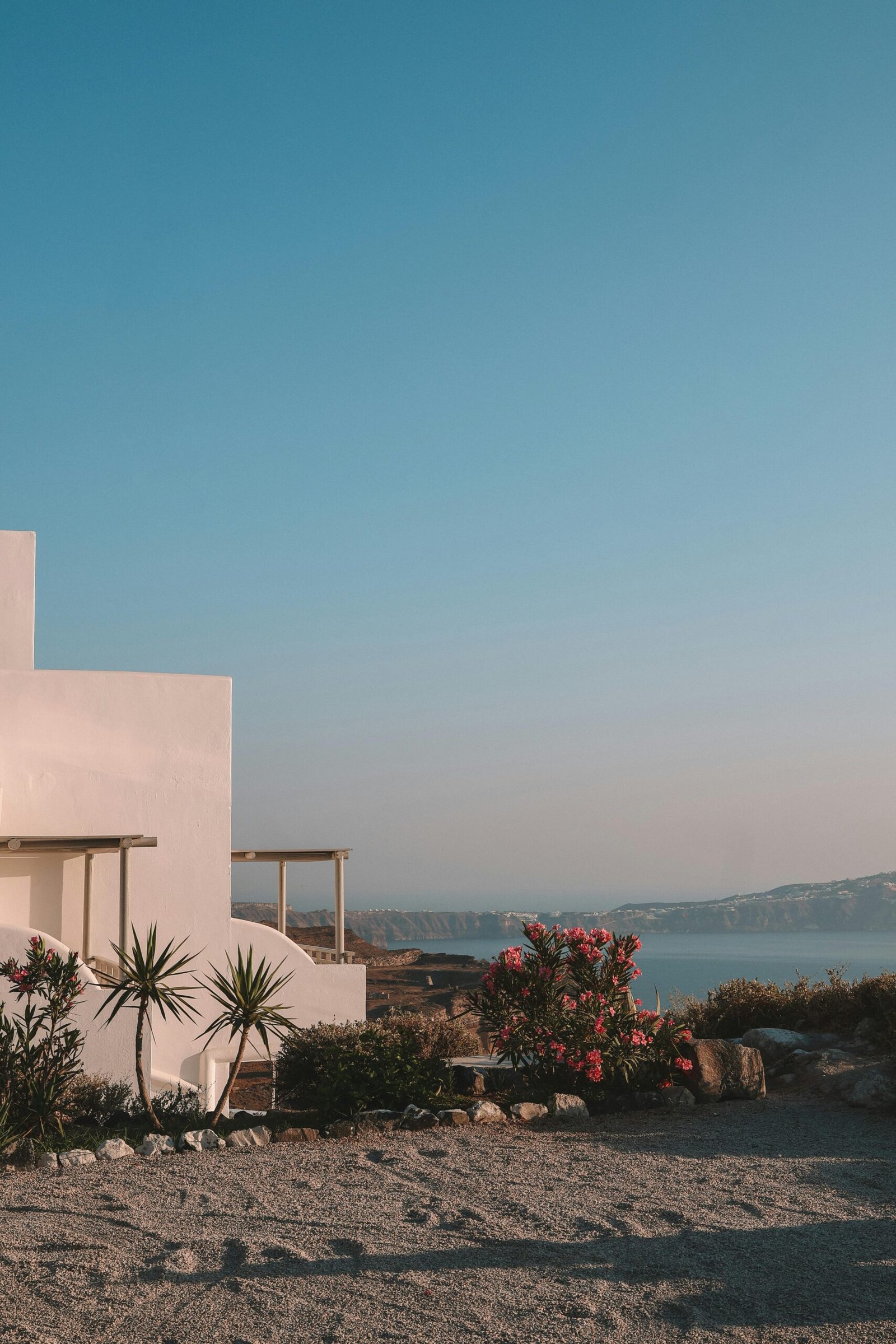
Why Most First-Timers to Santorini Leave Slightly Disappointed starts with a simple psychological trap: people do not book Santorini as a destination, they book it as proof that the image in their head is real. They arrive expecting a clean match between what they have seen online and what the island will feel like in person. That is not how Santorini works, especially in peak season.
The disappointment is usually not about the island being bad. It is about the gap between fantasy and conditions: crowds, heat, inflated pricing, and a landscape that is far more exposed and functional than the glossy version suggests. If you understand that gap early, you stop making the same expensive mistake twice.
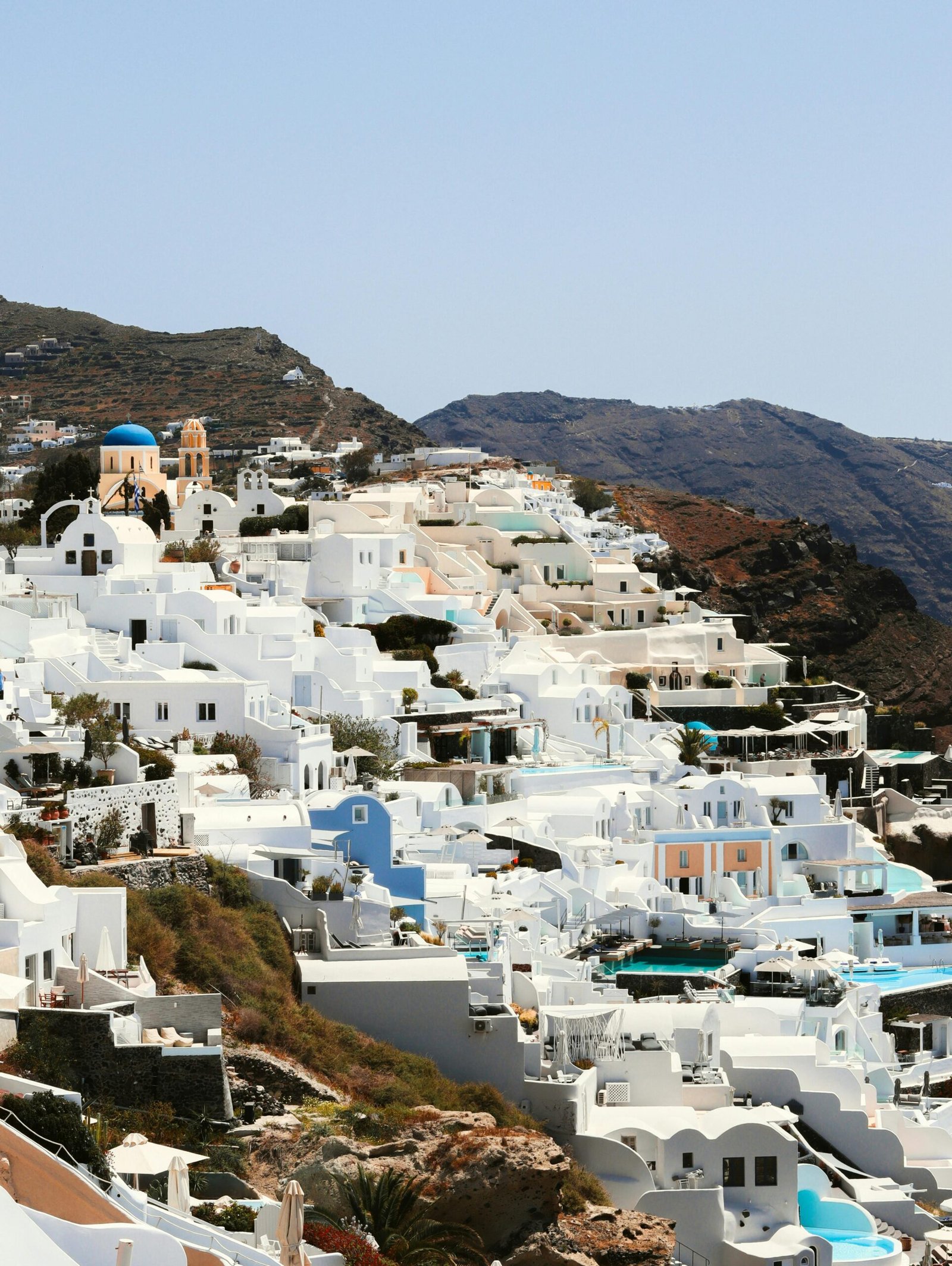
Why Most First-Timers to Santorini Leave Slightly Disappointed
Why Most First-Timers to Santorini Leave Slightly Disappointed is not a mystery to operators. It is the predictable result of travelers arriving with a visual fantasy and a very thin tolerance for friction. Santorini is one of the easiest places in Greece to overestimate and one of the hardest places to correct once you are already there.
The real reason people choose Santorini first
Most first-timers choose Santorini because it feels like the safest Greece decision. It is familiar, easy to recognize, and already loaded with meaning before they even book it. That is the point: they are not choosing an island so much as choosing a low-risk version of a dream.
This is why Why Most First-Timers to Santorini Leave Slightly Disappointed keeps repeating itself. The traveler is seeking reassurance, not discovery. Santorini promises instant visual payoff, and that promise is emotionally powerful when someone feels pressure to “get Greece right” on the first try.
There is also a status layer people rarely admit. Santorini signals that the trip is important, expensive, and worth talking about later. That social pressure makes travelers less willing to ask the practical questions that would save them from disappointment.
Why Most First-Timers to Santorini Leave Slightly Disappointed in peak season
Peak season changes the whole emotional tone of the island. People expect romance and space, then find themselves negotiating crowds, noise, and constant movement. The island still looks like the photos, but the experience becomes more transactional and less personal.
The moment disappointment usually hits is not dramatic. It is the first time someone tries to enjoy a famous view and realizes they are sharing it with a line of strangers, all trying to take the same photo from the same angle. That is the point where the fantasy stops feeling exclusive and starts feeling managed.
Here is the counterintuitive truth: many travelers do not leave Santorini disappointed because it is overcrowded. They leave disappointed because they expected crowding to be a small inconvenience, when in reality it changes the entire emotional experience. In peak season, the island asks for patience, money, and flexibility; people who came for effortless beauty feel that cost immediately.
The emotional gap: what travelers expect versus what they actually get
Before the trip, Santorini often represents a reward. It is the place people imagine after a hard year, a wedding, a milestone, or a long-planned vacation. That emotional charge is part of the problem, because no destination can carry that much projection without disappointing someone.
What travelers expect is a polished, intimate experience that feels personal from the first hour. What they actually get is a popular island with real constraints, strong demand, and plenty of people trying to optimize the same visit at the same time. The island is not failing; the expectation is too clean.
Greece rewards travelers who arrive with a plan, but Santorini punishes the wrong kind of planning: the kind built on fantasy rather than conditions. If you want a better match, start by reading the island as it is, not as it is marketed. For broader context on how Greece presents itself to visitors, the official
Visit Greece site is useful, but it will not tell you where your own expectations are unrealistic.
Who is most likely to feel let down
Some traveler types are far more vulnerable to this pattern than others. The common thread is not taste; it is expectation management. People who want a quiet, effortless, deeply romantic first impression are the ones most likely to feel the gap.
- First-time Greece visitors who want one island to define the entire country
- Couples treating the trip like a milestone they need to “nail” perfectly
- Travelers who make decisions mainly from social media imagery
- People who dislike crowds but still book the most famous place in peak season
- Anyone who expects luxury to automatically mean calm and privacy
These travelers are not naive. They are usually trying to maximize emotional return on a limited trip. The problem is that Santorini is often chosen as a symbol, not as a fit, and symbols are expensive places to be wrong.
The mistake behind the wrong island choice
The deeper issue is that many travelers treat Santorini as the default first island, when it is actually a very specific experience. It is dramatic, busy, and heavily consumed. That works for some people, but not for travelers who want a softer introduction to Greece.
This is where Why Most First-Timers to Santorini Leave Slightly Disappointed becomes a planning problem rather than a mood problem. If you build the trip around the island’s image, you may end up with too much pressure on one stop and too little room for the rest of the journey to feel balanced. That is how people end up saying, “It was nice, but…”
If your main goal is to feel relaxed, unhurried, and locally grounded, Santorini is often the wrong opening move. That is not an opinion meant to be provocative; it is just the reality of how the island functions under heavy demand.
What travelers consistently underestimate
Most first-timers underestimate how much their own mood will be shaped by logistics, timing, and crowds. They think they are booking scenery. In practice, they are booking a public-facing experience with a lot of shared pressure points.
They also underestimate how quickly novelty wears off when every good view feels crowded and every popular spot feels pre-sold by Instagram. The island still delivers strong visual impact, but visual impact is not the same thing as emotional ease. Those are different products.
Another common blind spot is fatigue. Santorini can feel intense even when nothing is technically wrong, because the island keeps asking you to adapt to the same high-demand environment all day. That wears on people who expected a restorative break.
A better way to think about Santorini
The right reframe is not to avoid Santorini entirely. It is to stop asking it to do a job it was never built to do. Santorini works best when travelers understand it as a high-demand, high-recognition island with very specific strengths and obvious trade-offs.
If you approach it that way, the island stops being a test of whether your dream was accurate. It becomes one part of a larger Greece trip, with a clear role and a realistic emotional cost. That is usually when people enjoy it more, because they are no longer fighting the place for not being something else.
The simplest shift is this: choose Santorini for what it is, not for what it represents. That one change removes a lot of the pressure that creates disappointment in the first place.
For travelers who want a broader sense of how Greece’s cultural identity shapes the way destinations are experienced, the Hellenic Ministry of Culture offers a more grounded view of the country beyond the postcard version.
Recognizing the pattern is the first step. The second is building a trip around how you actually travel — not the traveler you imagine yourself to be. Most great Greece experiences start with that honesty.
Frequently asked questions
Why do so many first-time visitors feel underwhelmed by Santorini?
Because they arrive expecting a seamless version of the island’s image, then run into crowds, heat, and a very managed visitor environment. The gap between fantasy and conditions is usually the real issue.
Is Santorini still worth visiting for first-timers?
Yes, if you understand what kind of place it is. It is worth visiting for its visual impact and energy, not for quiet, easygoing island life.
What is the biggest mistake people make when planning Santorini?
Treating it as the default first island in Greece. That choice often comes from familiarity and social pressure, not from a good fit with the traveler’s actual style.
Why does peak season make Santorini feel more disappointing?
Because peak season amplifies every pressure point: crowds, noise, pricing, and the sense that the island is being consumed rather than experienced. The island’s strengths are still there, but they are harder to feel.
Who is most likely to be disappointed by Santorini?
Travelers who want privacy, calm, and a soft introduction to Greece are the most vulnerable to disappointment. So are people who book it mainly because they have seen it everywhere online.
How should first-timers think about Santorini differently?
As one specific part of a Greece trip, not the whole emotional center of it. That mindset reduces pressure and makes the experience more realistic.
Can Santorini still be enjoyable in high season?
Yes, but only if you accept that it will feel busy and high-demand. Travelers who want a calmer experience should not expect the island to behave differently in peak months.