

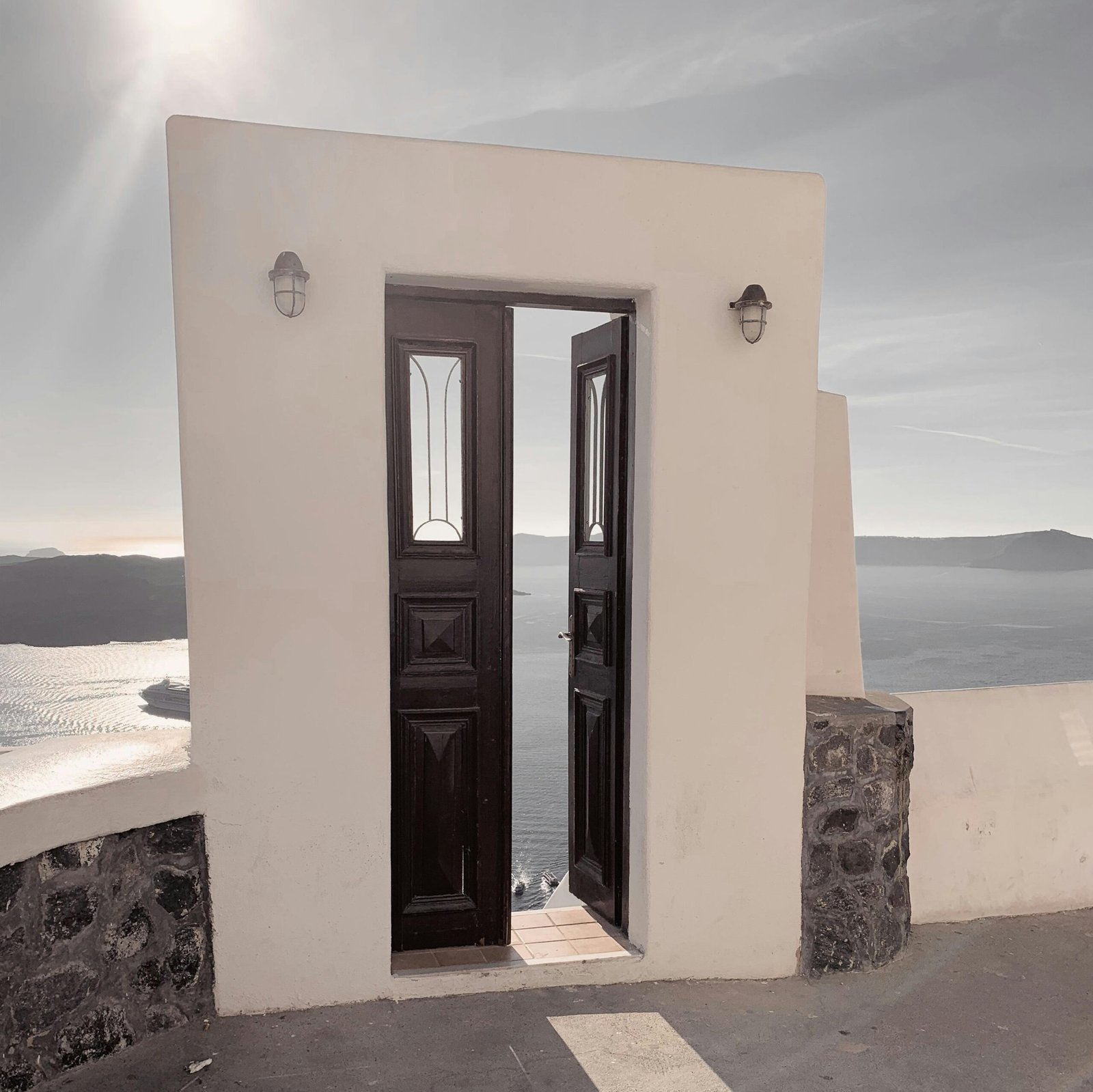
Why Most First-Timers to Santorini Leave Slightly Disappointed starts with a simple mistake: people arrive expecting the island to behave like its photos. The real issue is psychological, not geographic. Travelers want Santorini to confirm a fantasy they already bought into, and peak season makes that fantasy harder to sustain.
The disappointment is usually mild, not dramatic. That is exactly why it catches people off guard: nothing is “wrong,” but the island feels narrower, busier, and more managed than they expected.
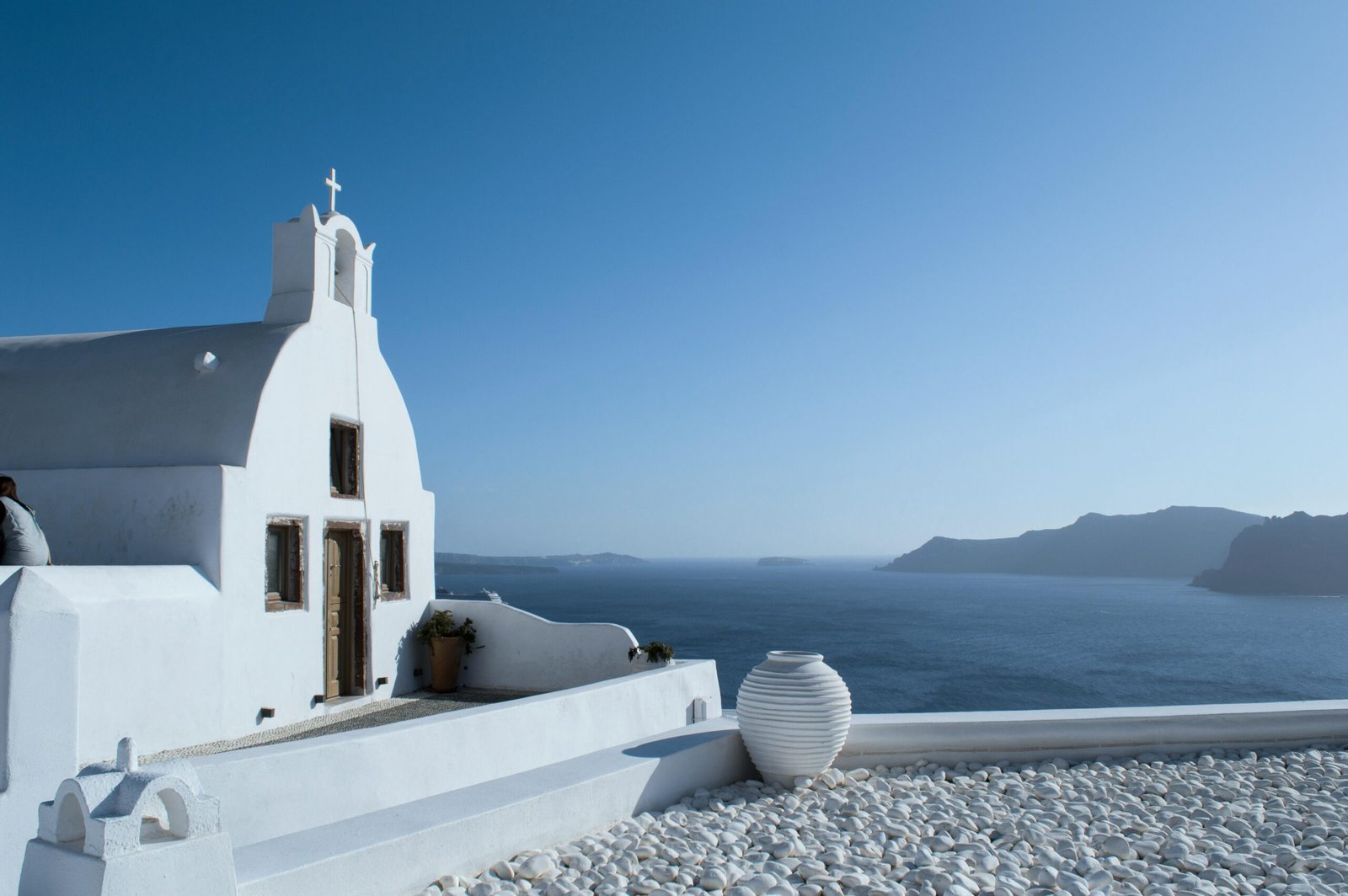
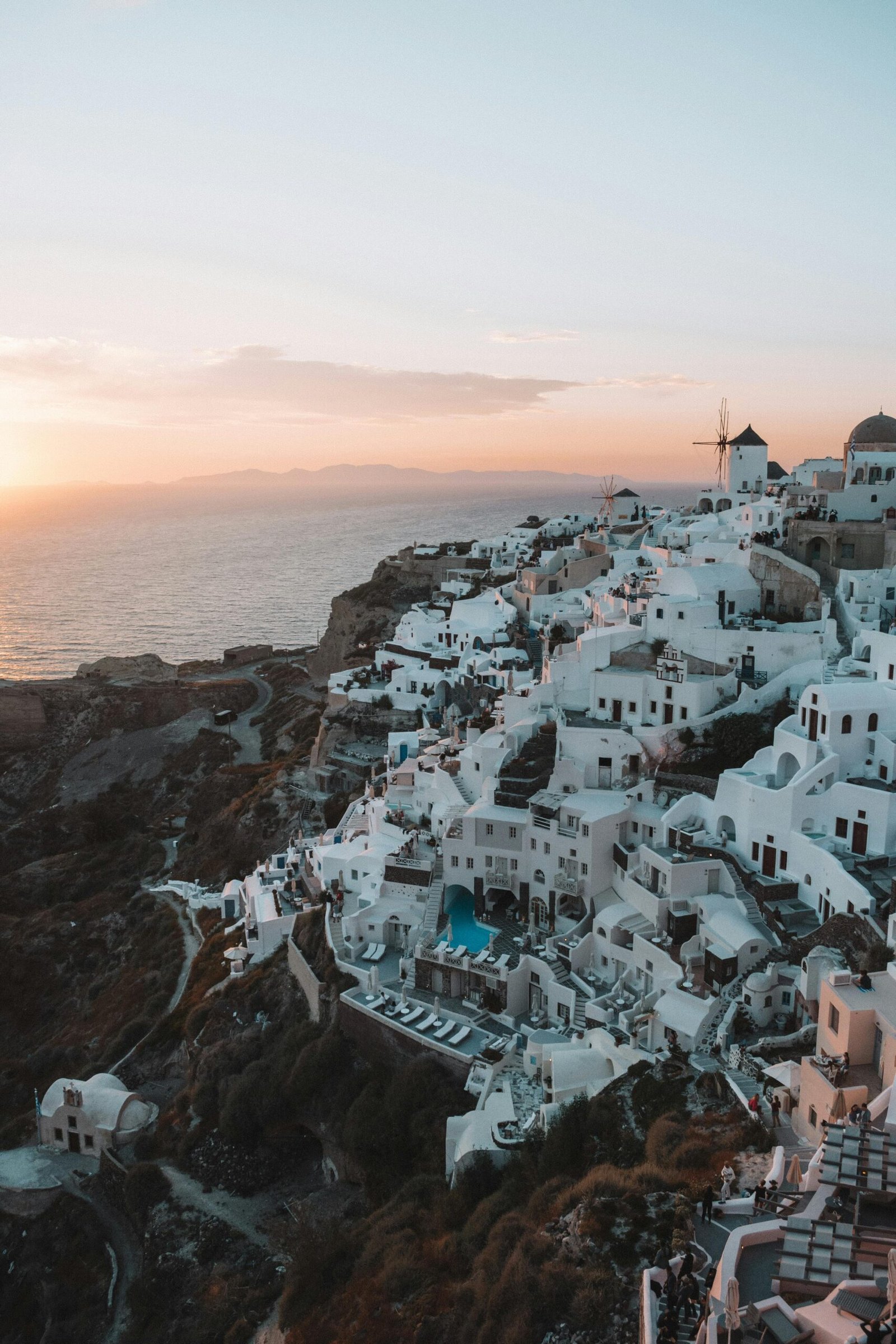
Why Most First-Timers to Santorini Leave Slightly Disappointed
Most first-timers do not choose Santorini because they studied the island carefully. They choose it because Santorini has become shorthand for a certain kind of Greek trip: romance, views, whitewashed lanes, and a sense that everything will feel easy and elevated. That is a powerful sales pitch, and it works because it flatters the traveler’s self-image.
The problem is that the image is so dominant it crowds out reality. By the time people arrive, they are not evaluating Santorini as a place; they are checking whether the place matches the version they’ve been carrying around in their head. That is the setup for Why Most First-Timers to Santorini Leave Slightly Disappointed.
The assumption behind the booking is emotional, not practical
People do not usually book Santorini because they want the most efficient island experience. They book it because they want to feel they made the “right” Greece choice the first time. Santorini carries social proof, which matters more than most travelers admit: it feels safe to choose what everyone else already recognizes.
That is why the island attracts so many first-timers who are nervous about getting Greece wrong. They are not only buying a destination; they are buying reassurance. The trouble is that reassurance is fragile in peak season, when the island is crowded enough to expose the gap between expectation and daily reality.
Why Most First-Timers to Santorini Leave Slightly Disappointed in peak season
Peak season changes the emotional tone of the island. The famous caldera views are still there, but they are now shared with a dense flow of other people trying to have the same moment at the same time. That creates a strange emotional contradiction: the place looks exactly like the photos, yet the experience feels less private, less relaxed, and less personal than expected.
Here is the counterintuitive part: many travelers are not disappointed because Santorini is overrated in an absolute sense. They are disappointed because it is too recognizable. Once a place becomes a global visual reference point, the mind stops receiving it as a real destination and starts treating it like a set piece. The moment you feel that shift, the spell breaks a little.
If you want a broader sense of how Greece presents itself versus how it actually works on the ground, the official tourism material at
Visit Greece is useful as a baseline. It will not tell you what peak season feels like at street level, which is exactly the part many first-timers underestimate.
The emotional gap: what travelers expect versus what they actually experience
Expectations are usually built around two feelings: ease and exclusivity. Travelers imagine they will move through Santorini with a sense of spaciousness, taking in views without friction. They also expect a level of calm that makes every meal, sunset, and photo feel deliberate.
What they often get instead is compression. Narrow streets feel crowded, familiar viewpoints feel overused, and the day can start to feel organized around managing access rather than enjoying place. This is where Why Most First-Timers to Santorini Leave Slightly Disappointed becomes less about the island and more about the traveler’s own emotional script.
The real letdown is usually not one big bad experience. It is the accumulation of small frictions: waiting longer than expected, sharing more than expected, and realizing the atmosphere is more commercial than the fantasy suggested. Those are not failures of the island; they are consequences of arriving with a luxury-image mindset in a high-pressure season.
The specific moment when disappointment usually hits
It usually happens at sunset, and not because the sunset is bad. It happens when the traveler realizes they are not having a private emotional moment; they are participating in a crowd event. The view may still be excellent, but the feeling they came for is diluted by noise, bodies, and the constant awareness that everyone around them is also trying to capture the same scene.
That is the moment where the internal story collapses. The traveler thinks, “This is supposed to feel special,” and the answer from the environment is, “Special to whom?” Once that question lands, the rest of the trip can feel oddly flat unless expectations are adjusted quickly.
Who is most prone to this pattern
First-time honeymooners are the most vulnerable because they are often arriving with one big emotional requirement: the trip has to feel memorable in a very specific way. If the experience feels crowded, transactional, or too staged, they take it personally. They assume they chose wrong, when often they just chose a place whose fame has outgrown its intimacy.
Design-conscious travelers are another group that struggles. They care deeply about atmosphere, but they often confuse visual coherence with emotional ease. Santorini is highly photogenic, yet photogenic does not mean restful, and it definitely does not mean low-friction in peak season.
Then there are the “once in a lifetime” travelers, who are usually the hardest on the destination. They arrive with a high-stakes mindset, which makes every inconvenience feel meaningful. That pressure is a bad fit for a place that works best when you accept some messiness and stop asking it to perform perfection.
- Honeymooners seeking privacy and romance as a default condition
- Travelers chasing a luxury image more than a lived experience
- First-timers who only know Santorini from social media
- People treating one Greece trip as their only chance to “get it right”
The mistake is not loving Santorini; it is asking it to be something else
This is the part most travel advice gets wrong. Santorini is not disappointing because it lacks value. It is disappointing when people ask it to deliver a mood it was never designed to sustain at scale. A place that has become a global symbol will always carry some friction, especially when everyone arrives at the same time.
I take a clear position here: if you want your first Greece trip to feel relaxed, Santorini is a risky first choice in peak season. That is not snobbery; it is practical reality. The island can still be worthwhile, but only if you stop expecting it to be effortless.
For travelers who want a more grounded sense of Greece beyond the island image, the Ministry of Culture’s site at Hellenic Ministry of Culture is a useful reminder that Greece is broader than its most famous postcard. Santorini is one chapter, not the whole book.
What a better frame looks like
The better approach is not to lower your standards. It is to change the standard you are using. Instead of asking whether Santorini matches the fantasy, ask what kind of experience the island is actually built to deliver under pressure: strong views, obvious romance, high recognition, and a fair amount of crowd management.
That shift matters because it changes the emotional outcome. If you arrive expecting a polished, busy, highly visible destination, you can still enjoy it. If you arrive expecting private magic on demand, you are setting yourself up for the exact kind of quiet disappointment that first-time visitors rarely admit out loud.
Greece doesn’t punish inexperience. It punishes unexamined assumptions. The travelers who leave disappointed rarely lacked information — they lacked a framework for using it.
Frequently asked questions
Why do so many first-timers feel underwhelmed by Santorini?
Because they arrive expecting the island to feel private, calm, and effortless. In peak season, Santorini is often crowded and highly managed, so the emotional experience does not match the image they brought with them.
Is Santorini actually disappointing?
Not inherently. It disappoints travelers who expect it to behave like a quiet, exclusive retreat at the height of the season. For travelers who understand the trade-off, it can still be a worthwhile stop.
What is the biggest mistake first-time visitors make?
They confuse recognition with suitability. Santorini is famous, so it feels like the safe choice, but fame does not guarantee the right fit for the mood or pace a traveler wants.
When does the disappointment usually hit?
Most often at sunset, when the traveler realizes the experience is shared with a crowd rather than felt in private. That is when the gap between expectation and reality becomes hard to ignore.
Which travelers are most likely to leave disappointed?
Honeymooners, social-media-driven travelers, and people treating the trip as a once-in-a-lifetime event. Those groups tend to put too much emotional weight on the island delivering a very specific feeling.
How should first-timers think about Santorini differently?
Treat it as a famous, high-demand destination with clear strengths, not as a guaranteed romantic fantasy. That frame produces a more accurate expectation and a better experience.