

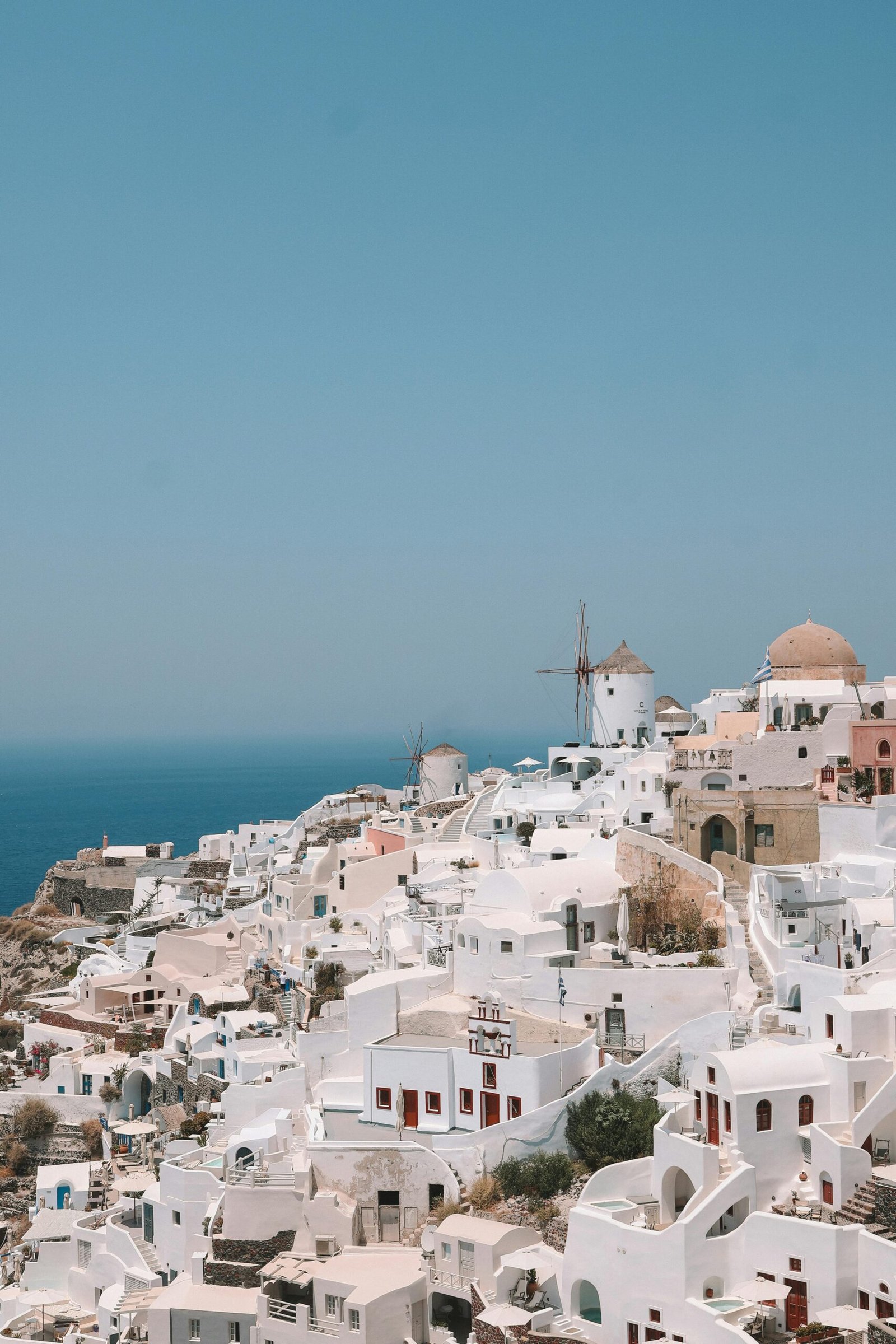
Why Most First-Timers to Santorini Leave Slightly Disappointed usually starts with one simple assumption: that the island will feel the way it looks in photos. That assumption is understandable, and it is also the main reason people arrive primed for a letdown.
Santorini is not a bad destination. It is a destination that gets misread. First-timers often want a clean emotional hit — romance, ease, and a sense of scale that matches the image they have carried for years — and peak season is exactly when that expectation gets tested.
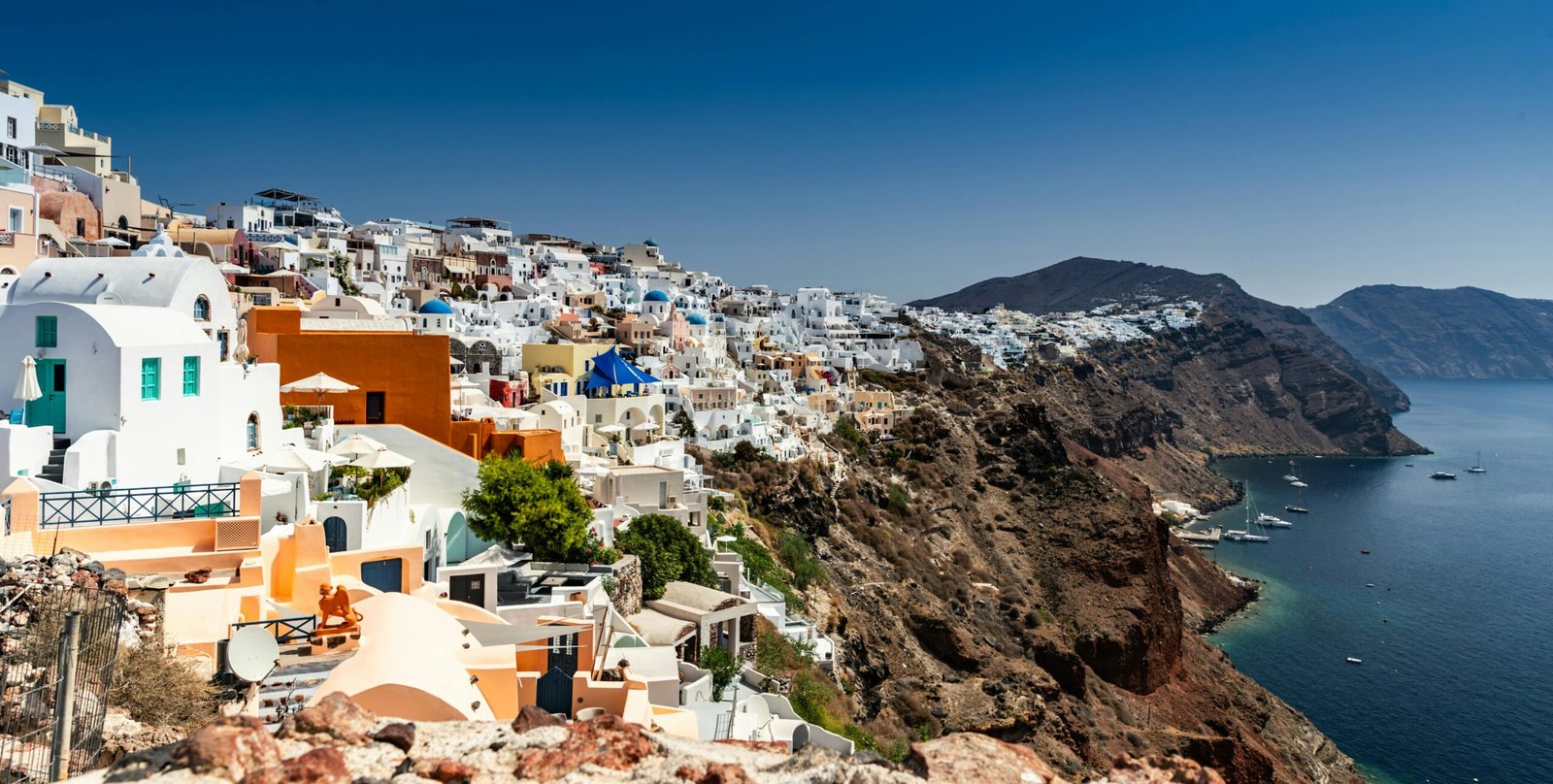
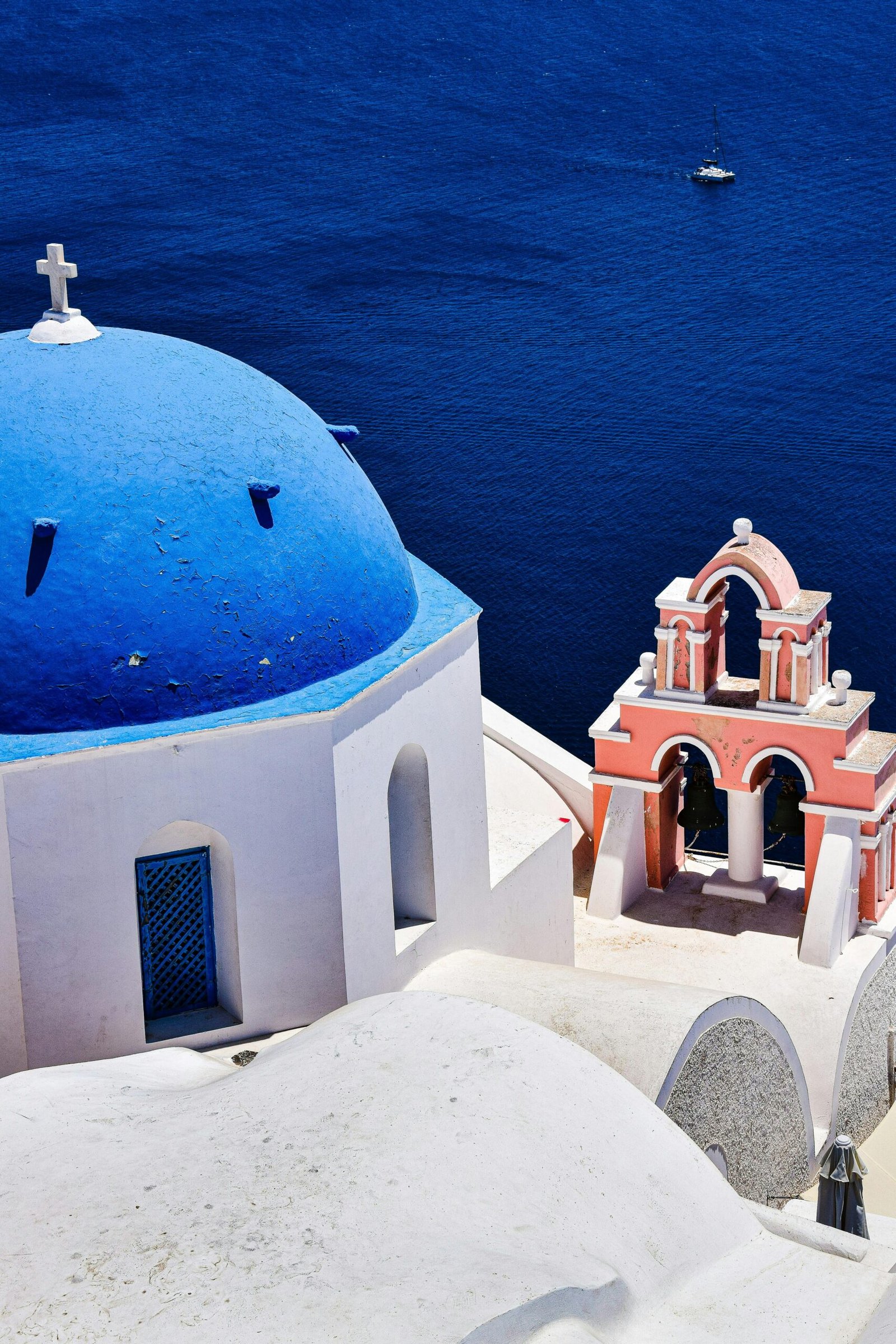
Why Most First-Timers to Santorini Leave Slightly Disappointed
The core mistake is not ignorance. It is projection. Travelers project a private fantasy onto a place that is heavily visited, physically compact, and already under pressure in the busiest months.
That matters because disappointment in Santorini is rarely dramatic. It is usually a slow correction: the island is still beautiful, still worth seeing, but not the effortless version people were sold by years of images and other people’s highlight reels.
The assumption behind Why Most First-Timers to Santorini Leave Slightly Disappointed
Most first-timers are not choosing Santorini because they want a Greek island. They are choosing it because they want a feeling: proof that a long-held image is real, and that their money and time will translate into a memorable emotional payoff.
That is why Santorini attracts so many people who are not actually looking for the island itself. They are looking for validation. When a destination becomes a status marker, the traveler starts paying for the idea of the place before they have experienced the place.
This is where Why Most First-Timers to Santorini Leave Slightly Disappointed becomes predictable. The traveler arrives expecting the island to deliver a neat version of romance, and instead meets crowds, heat, logistics, and a landscape that is already being shared with everyone else.
Why peak season makes the gap worse
Peak season does not create the problem, but it amplifies it. Santorini in summer asks more patience than most first-time visitors are prepared to give, and many of them do not realize how quickly crowd pressure changes the mood of a place.
People imagine they will be stepping into a private experience. What they actually get is a highly visible, highly managed destination where the most famous viewpoints, dining rooms, and streets are competing with a constant flow of other visitors doing the same thing.
That mismatch matters because the emotional payoff depends on breathing room. When everything feels shared, queued, or pre-sold, the traveler starts noticing friction instead of atmosphere. That is the exact point where Why Most First-Timers to Santorini Leave Slightly Disappointed stops being a theory and becomes a feeling.
The moment disappointment usually hits
It usually hits when the traveler realizes the island is not “opening up” to them. They expected the drama to come from the view alone, but the view is only one part of the experience. The rest is crowd management, timing, and the uncomfortable fact that everyone else came for the same moment.
The most common letdown is not the first look. It is the second or third one, when the novelty wears off and the traveler notices how much effort is required to get a calm, satisfying version of the island. That is when Santorini starts feeling less like a destination and more like a performance everyone is trying to access at once.
Here is the surprising part: some travelers are more disappointed because Santorini is too easy to recognize. They expected rarity, but they got familiarity. The island has been so thoroughly photographed that many first-time visitors feel they have already been there before they arrive.
Traveler types most prone to this pattern
The travelers most likely to feel let down are not the uninformed ones. They are the highly visual planners, the anniversary travelers under pressure, and the people who treat one trip as a once-in-a-lifetime emotional event. Those groups tend to arrive with too much meaning attached to the visit.
Couples are especially vulnerable when one person has been sold the dream and the other is just trying to make the trip work. That dynamic creates tension fast, because Santorini is not forgiving when the couple is already carrying a script.
Social-media-led travelers are another predictable group. They often want the island to perform the same way it did in a reel or a photo, and they are least prepared for the fact that peak-season Santorini is crowded, expensive, and not especially interested in being photogenic on command.
- Visual planners who choose the destination before they choose the season.
- Couples treating the trip as a romance test.
- First-time Greece visitors assuming the most famous island must be the best fit.
What travelers expect versus what they actually get
Travelers expect intimacy, calm, and a sense of exclusivity. What they actually get is a destination with strong views, serious demand, and a constant need to negotiate around other people. Santorini can still be rewarding, but it is rarely effortless in the months when most first-timers visit.
They also expect the island to be emotionally generous. In reality, Santorini is more selective than that. It gives a clear payoff to travelers who understand its limits, and a weaker one to travelers who want it to behave like a private escape.
When people say they were “underwhelmed,” what they usually mean is that the island did not match the emotional size of their expectation. That is not a small issue. It changes how every meal, view, and walk is interpreted afterward.
How to approach Santorini differently
The better approach is not to lower expectations into cynicism. It is to stop asking Santorini to be something it is not. If you want the island to feel satisfying, you need to treat it as a high-demand destination with a very specific appeal, not a blank canvas for your fantasy of Greece.
That means valuing context over image. It also means acknowledging that Greece rewards travelers who arrive with a plan, but only when that plan reflects reality instead of wishful thinking. The people who enjoy Santorini most are usually the ones who understand that the island’s appeal is narrow, not universal.
For a better framing, look at Santorini as one part of a larger Greece trip, not the whole emotional center of it. That is especially true if you want contrast, because the island’s intensity lands better when it is not carrying the entire trip on its own. For broader destination context, the official national travel site at
visitgreece.gr is more useful than social media because it anchors the island inside the wider country instead of isolating it as a fantasy object.
What a more realistic first visit looks like
A realistic first visit is one where you know exactly what Santorini is good at, and what it is not. It is good at delivering a strong visual identity and a concentrated experience. It is not good at feeling spacious, quiet, or casually easy in peak season.
That shift in framing changes the whole trip. Instead of asking, “Was it as perfect as the pictures?” you ask, “Did I choose the right place for the kind of experience I actually wanted?” That is a much better question, and it usually produces a more honest answer.
If your goal is to understand why the island feels so loaded, the cultural context matters too. Santorini is not just a postcard; it sits inside a country with deep historical layers, and that broader context is worth respecting. The Ministry of Culture’s site at culture.gov.gr/en/ is a useful reminder that Greece is not a single aesthetic, even if many first-time visitors treat it that way.
Conclusion
Why Most First-Timers to Santorini Leave Slightly Disappointed is not really about Santorini failing people. It is about people arriving with an emotional script the island never agreed to follow. Once you see that clearly, the disappointment becomes easier to avoid.
Approach Santorini as a high-demand, high-recognition destination with a narrow set of strengths, and you stop asking it to carry unrealistic expectations. That is the difference between a trip that feels strained and one that feels properly understood.
Greece doesn’t punish inexperience. It punishes unexamined assumptions. The travelers who leave disappointed rarely lacked information — they lacked a framework for using it.
Frequently asked questions
Why do so many first-time visitors feel underwhelmed by Santorini?
Because they arrive expecting the island to match the emotional image they have built from photos, videos, and other people’s trip summaries. In peak season, crowds and friction make that gap harder to ignore.
Is Santorini actually disappointing, or are expectations the problem?
For most first-timers, expectations are the problem. Santorini can be compelling, but it is not built to satisfy every kind of traveler, especially those who want quiet, space, and an easy sense of exclusivity.
What is the biggest mistake first-time visitors make in Santorini?
They treat it like a private romantic escape rather than a heavily visited, high-demand destination. That mistake shows up when the island feels more managed and crowded than they expected.
Which travelers are most likely to leave Santorini disappointed?
Highly visual planners, couples under pressure to make the trip feel special, and travelers who chose Santorini mainly because it looked famous online. They are usually the most emotionally invested in the island matching an image.
Why does peak season make Santorini feel worse?
Because peak season compresses the experience. The island’s most famous areas become busier, more expensive, and less relaxed, which makes it harder for first-time visitors to feel the calm they expected.
How should I think about Santorini if I am visiting for the first time?
Think of it as a destination with a very specific appeal, not a universal one. If you want to enjoy it, focus on what it actually does well instead of asking it to deliver a fantasy version of Greece.