

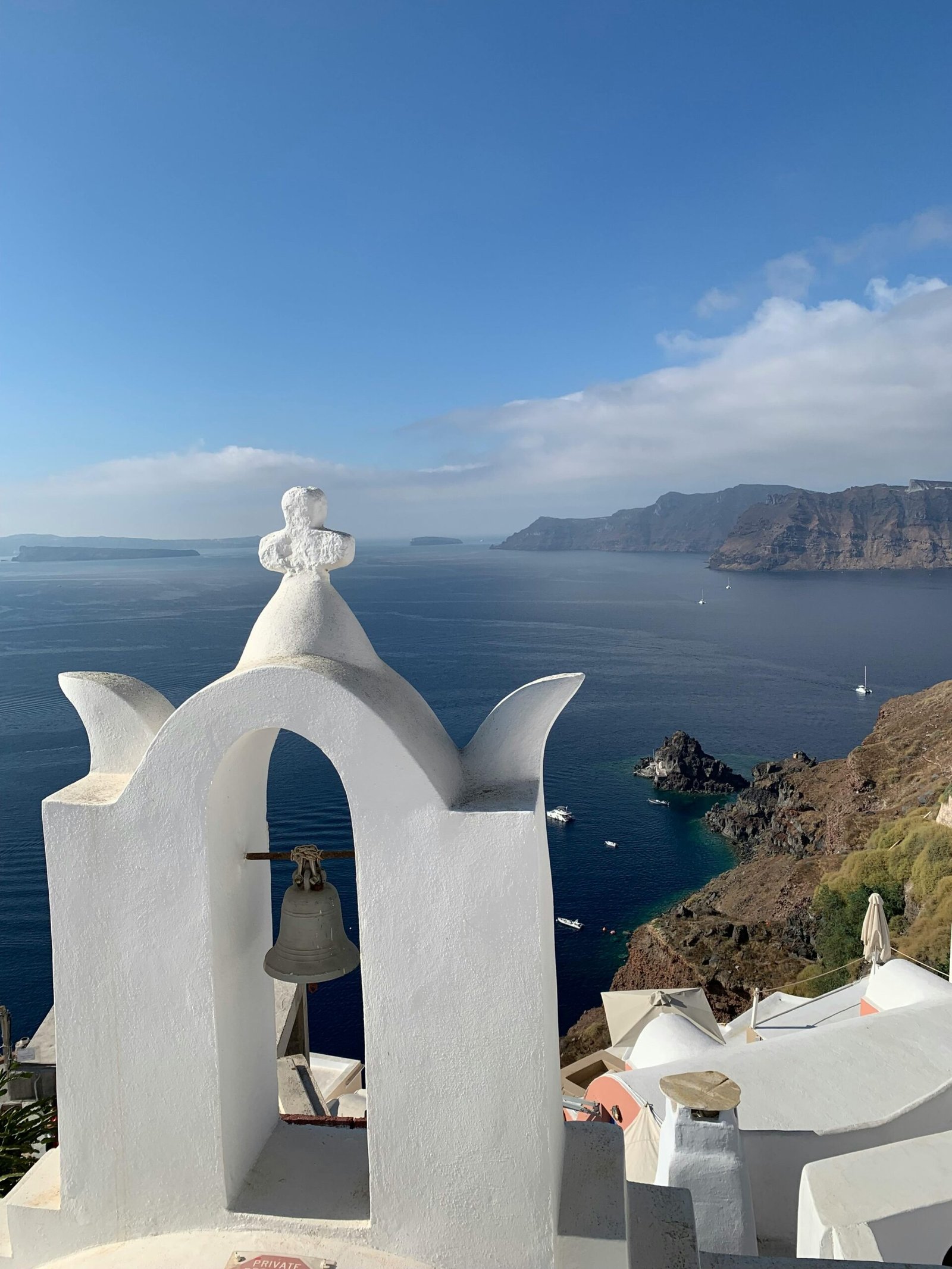
Why Most First-Timers to Santorini Leave Slightly Disappointed starts with a simple psychological trap: people arrive expecting a place that behaves like its photos. They picture a calm, elegant island built for lingering, then meet crowds, pressure, and a pace that feels more managed than romantic.
The disappointment is usually not about Santorini being bad. It is about the gap between the island as an image and the island as a very busy, very specific place to visit in peak season.
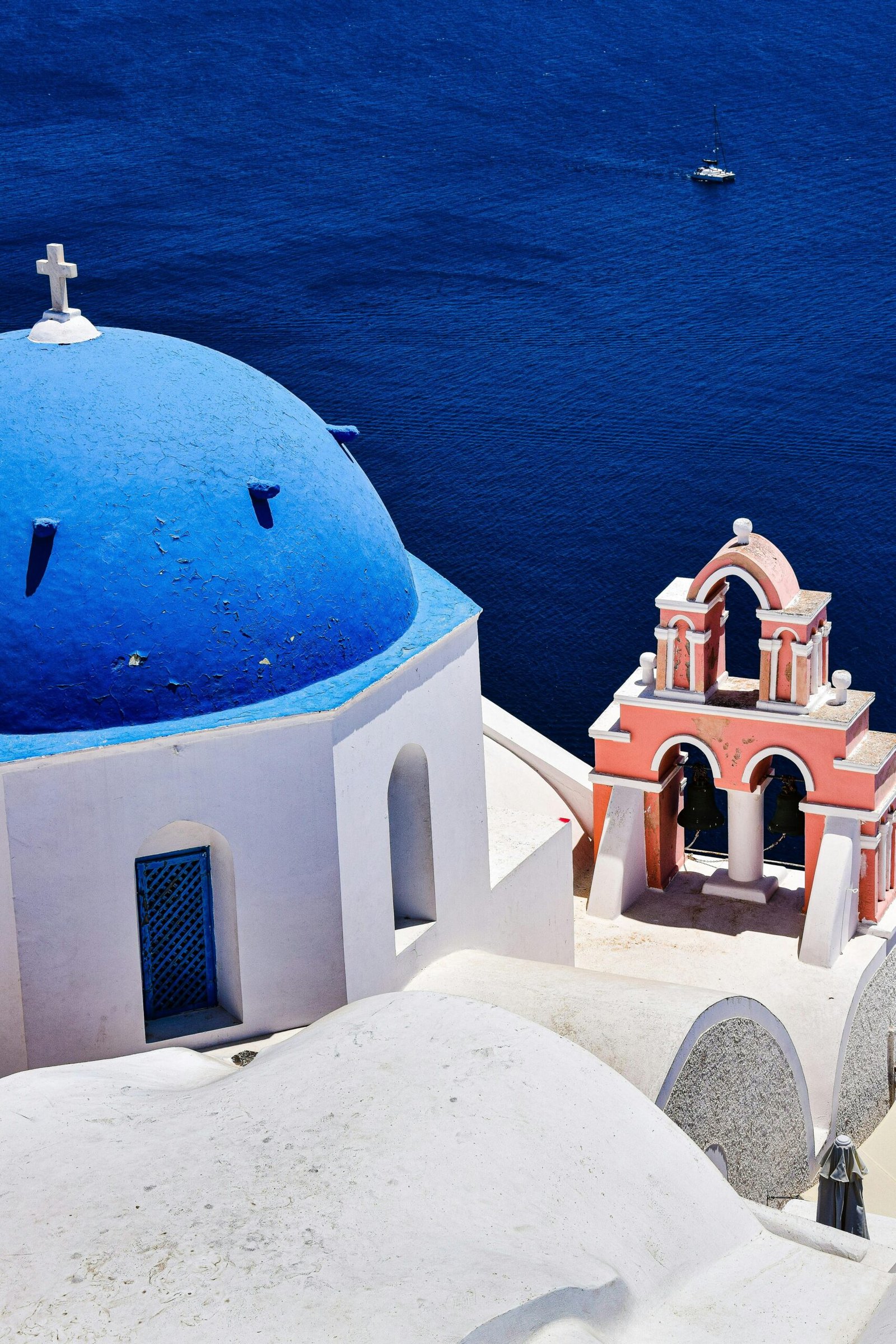
Why Most First-Timers to Santorini Leave Slightly Disappointed
The core mistake is not bad taste. It is projection. Travelers take a place they have seen online for years and assume the real version will deliver the same feeling, only more intensely. That is a risky way to choose Santorini, especially when the island is full and the day is hot, crowded, and expensive.
The image people buy before they buy the trip
Most first-timers are not choosing Santorini as a destination in the normal sense. They are choosing a promise: a place that will confirm their idea of a perfect Greek island escape. That promise is emotionally loaded, which is why people tolerate high prices and overcrowded conditions they would reject elsewhere.
Why Most First-Timers to Santorini Leave Slightly Disappointed is really a story about expectation management. The traveler is not looking for a trip; they are looking for a payoff. When the island cannot deliver a constant feeling of ease, beauty, and exclusivity, the mood drops fast.
Why the fantasy survives common sense
Santorini is one of the easiest places in Greece to overvalue before you arrive. The photos are strong, the branding is strong, and the social proof is relentless. People keep choosing it because they want the reassurance that they picked the “right” Greek island, not just any Greek island.
That emotional need matters. Travelers often want Santorini because it feels safe to recommend, easy to recognize, and impossible to explain away if they skip it. In practice, that means many people visit under mild social pressure, then judge the island against a fantasy they never fully questioned.
There is also a status element people rarely admit. Santorini signals that you did the iconic Greece trip, and for some travelers that matters more than whether the island actually suits their pace, budget, or tolerance for crowds. That is one reason Why Most First-Timers to Santorini Leave Slightly Disappointed remains such a common pattern.
The emotional gap: what they expect versus what they get
First-timers often expect spaciousness, quiet, and a sense of control. What they actually get in peak season is compression: more people, more waiting, more noise, and more money spent to maintain a feeling that keeps slipping away. The island still delivers the view, but the view is only one part of the experience.
The real problem is that many travelers interpret inconvenience as a failure of the destination. In Santorini, inconvenience is part of the product in high season. If you are sensitive to crowds, queues, or a sense of being processed through a famous place, that mismatch becomes obvious quickly.
For people who want a broader Greece context, it helps to remember that not every island is built around the same visitor behavior. Some destinations are easier to read when you look at the official tourism framing at
Visit Greece, but Santorini in peak season still demands a more realistic emotional budget than most first-timers allow.
The moment disappointment usually hits
The turning point is rarely dramatic. It is usually the first time the traveler realizes they are not having a private experience of the island at all. That can happen at a viewpoint, at dinner, or simply while trying to enjoy an iconic setting with a crowd standing between them and the thing they came to see.
That moment matters because it breaks the spell. Once the traveler sees Santorini as a high-demand destination rather than a personal escape, everything changes: the pricing feels sharper, the pace feels less indulgent, and every small inconvenience starts to register. Why Most First-Timers to Santorini Leave Slightly Disappointed is often the story of that one mental shift.
Here is the counterintuitive part: the disappointment is sometimes worse for travelers who have excellent taste. They are often the most skilled at noticing when a place is being overhyped relative to what it can actually deliver. In Santorini, discernment can become a liability if it arrives with unrealistic expectations.
Who is most prone to this pattern
Some traveler types are simply more vulnerable to this letdown than others. The common thread is not budget or age. It is the need for a trip to feel effortless, special, and aesthetically coherent from start to finish.
- First-time Greece visitors who want the “best” island and fear making the wrong choice.
- Couples on a once-in-a-decade trip who expect the destination itself to create romance.
- Travelers who book late and assume the island will still feel calm in peak season.
- People who make decisions from social media and then expect the real place to match the feed.
These travelers are not naive. They are usually high-intention, high-expectation people who have spent time and money on a trip they want to matter. That pressure is exactly why the gap hits harder in Santorini than it does in less famous places.
What most people underestimate about peak season
The biggest mistake is assuming peak season only means warmer weather and more open businesses. In Santorini, peak season also changes the emotional texture of the island. The place becomes more performative, more expensive, and less forgiving of spontaneity.
That is the part travelers underestimate. They think they are choosing a destination, but they are also choosing a crowd profile, a pricing environment, and a level of friction that shapes every decision on the ground. Why Most First-Timers to Santorini Leave Slightly Disappointed is often a season problem more than a Santorini problem.
If you want a useful contrast, look at how Greek cultural sites are presented through institutions like the Acropolis Museum. The experience there is structured around context and interpretation. Santorini in peak season is the opposite: it asks you to bring your own patience and not expect the island to organize your emotions for you.
How to approach Santorini differently
The better question is not whether Santorini is worth visiting. It is what role you want it to play in the trip. If you treat it as the main event, you are likely to expect too much. If you treat it as one part of a broader Greece itinerary, the pressure drops and the island usually lands better.
That is the practical reframe. Go in knowing that Santorini is strong on visual impact and weak on relaxed exclusivity when it is busy. If you want softness, space, and lower friction, build your trip around that reality instead of hoping the island will magically provide it.
Greece rewards travelers who arrive with a plan, but more importantly it rewards travelers who are honest about what they actually want from a place. Santorini is not disappointing because it fails. It is disappointing because too many people ask it to be something it is not.
Conclusion: the honest version of Santorini
Why Most First-Timers to Santorini Leave Slightly Disappointed is not a warning to avoid the island. It is a reminder to stop treating a famous place like a guarantee. The travelers who do best in Santorini are the ones who accept the trade-offs before they arrive.
Recognizing the pattern is the first step. The second is building a trip around how you actually travel — not the traveler you imagine yourself to be. Most great Greece experiences start with that honesty.
Frequently asked questions
Why do first-time visitors expect so much from Santorini?
Because Santorini is marketed as a visual symbol, not just a destination. People arrive with an image already fixed in their heads, so the real island has to compete with years of polished photos and social media reinforcement.
Is Santorini actually disappointing, or are expectations just too high?
For many first-timers, expectations are too high for what the island can realistically deliver in peak season. Santorini is still a serious destination, but it is not built to feel calm, private, or effortless when it is crowded.
What is the most common moment when disappointment starts?
Usually when the traveler realizes the island does not feel exclusive or relaxed in the way they imagined. That often happens at a famous viewpoint, during a busy dinner, or when the crowd becomes impossible to ignore.
Who is most likely to leave Santorini underwhelmed?
People who want a deeply romantic, low-friction experience are most at risk. That includes couples on a special trip, first-time Greece visitors, and anyone who booked late and still expects a peaceful high-end feel in peak season.
Does Santorini work better outside peak season?
Yes, for many travelers it does. The island is easier to appreciate when the crowd pressure drops and the whole place feels less compressed, though you still need realistic expectations about price and popularity.
Should first-timers skip Santorini entirely?
Not necessarily. The better move is to decide whether Santorini fits the role you want it to play. If you want iconic views and can accept the trade-offs, it can be worthwhile. If you want quiet, space, and easy romance, it is often the wrong choice.