

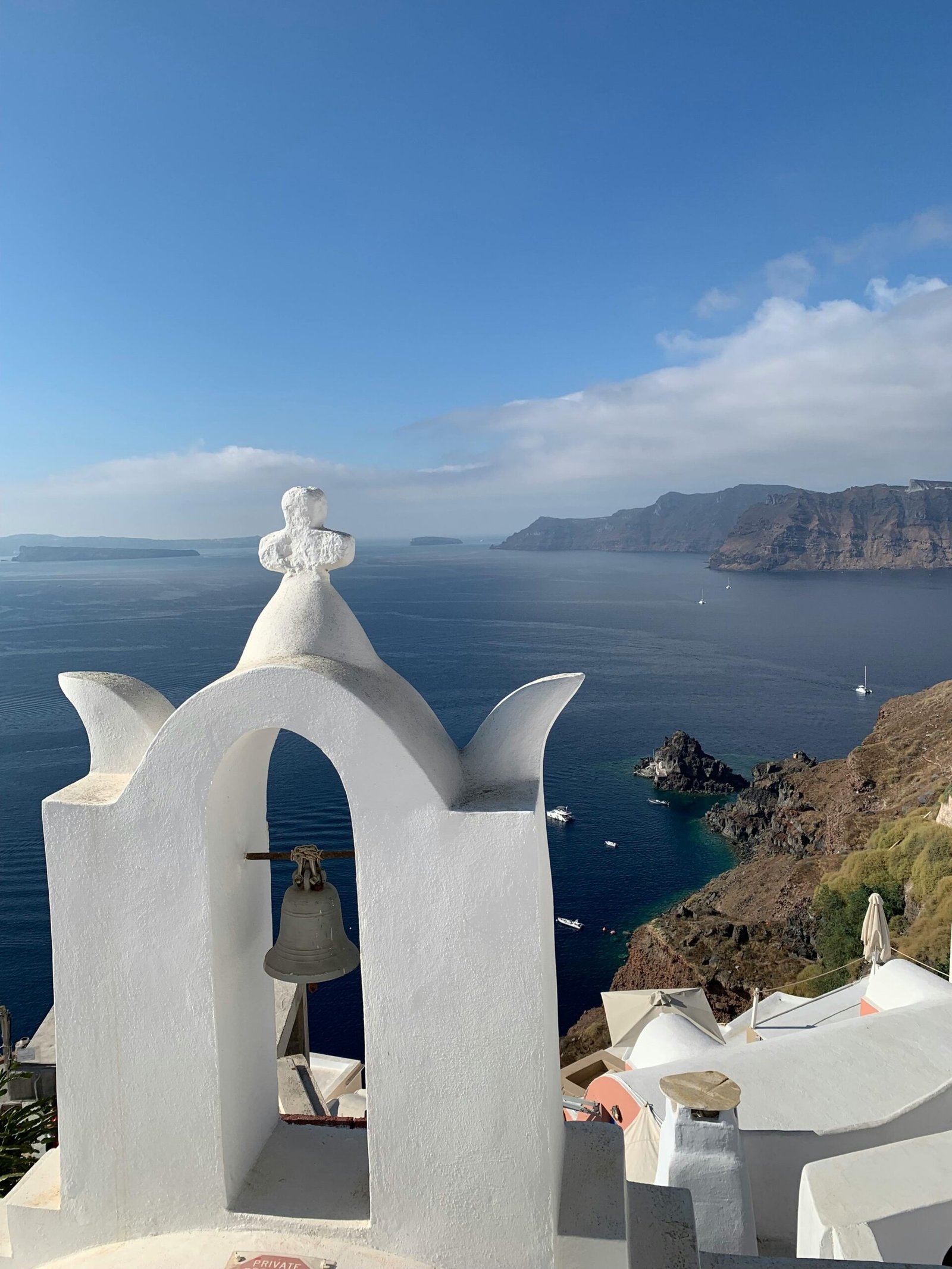
Why Most First-Timers to Santorini Leave Slightly Disappointed starts with one simple mistake: people buy the image of the island before they understand the experience of being there. They expect a clean emotional payoff — the famous view, the famous sunset, the famous romance — and they assume the rest will arrange itself around that feeling.
That assumption is exactly where trouble begins. Santorini is not difficult because it is unattractive; it is difficult because it is heavily loaded with expectation, and in peak season the island rarely has the space to deliver the fantasy people have already built in their heads.
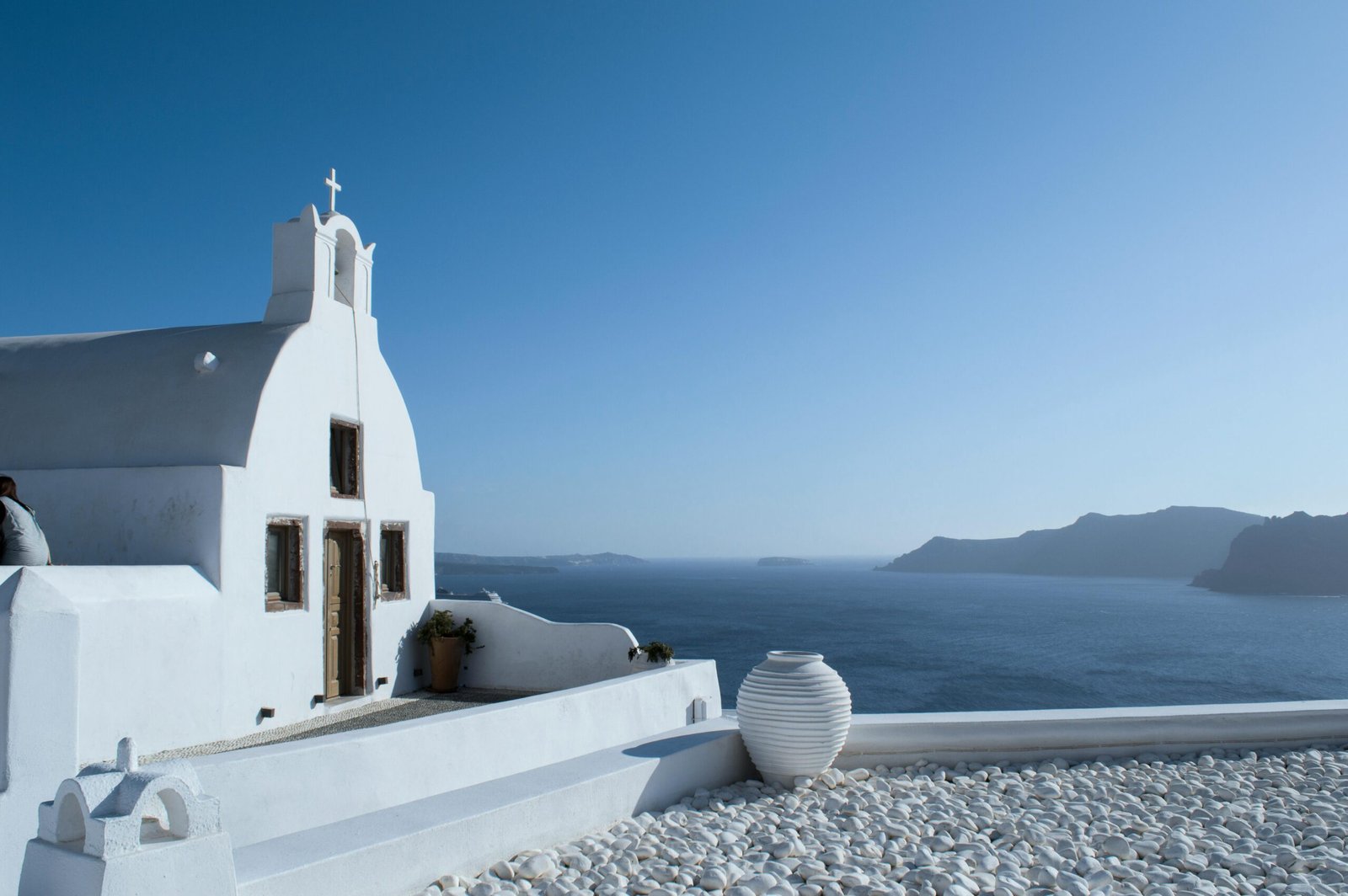
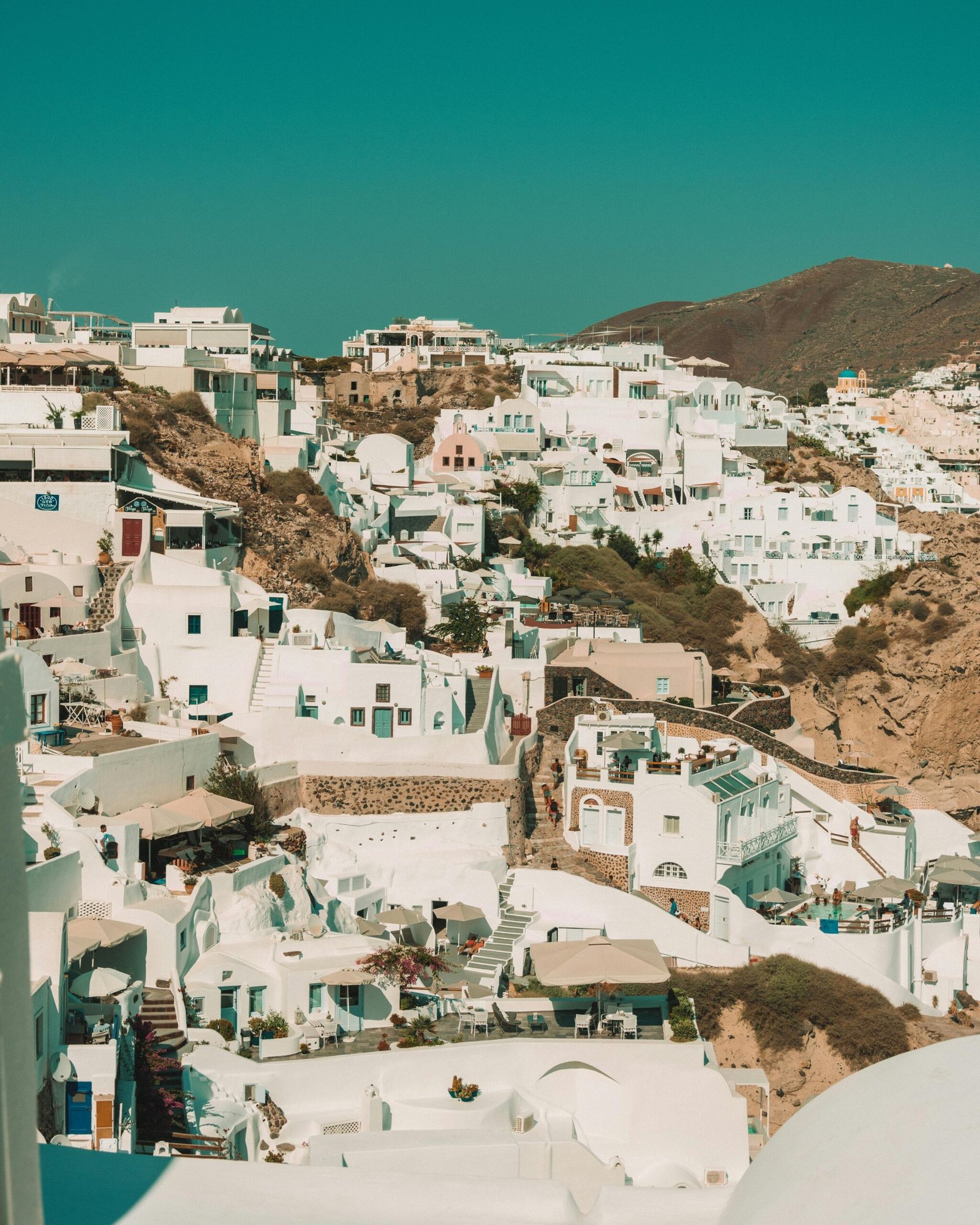
Why Most First-Timers to Santorini Leave Slightly Disappointed
The pattern is predictable. Travelers choose Santorini because they want certainty: a trip that feels iconic, easy to justify, and socially legible. They have seen the caldera view a thousand times, so they assume the island will deliver a matching emotional experience the moment they arrive.
That is not how real travel works, and Santorini is one of the clearest examples of that mismatch. Why Most First-Timers to Santorini Leave Slightly Disappointed is not a mystery of taste; it is a case study in what happens when a place becomes a symbol before it is visited as a destination.
The image is so strong that people stop asking practical questions
Santorini sells an idea of arrival more than a place. People focus on whether they have “done Santorini” instead of asking what kind of trip they actually want: quiet, food-focused, scenic, social, restorative, or simply efficient.
That matters because Santorini is not a forgiving island for vague expectations. If you want low-friction beach time, easy movement, or a relaxed pace, you are already fighting the shape of the destination. The island can be excellent, but it is not built to flatter every type of traveler.
The psychological trap is status anxiety. Many first-timers are not just choosing Santorini; they are choosing the trip they feel they are supposed to take. That is why the decision often gets made early, before they have compared it to other Greek islands that may fit their actual temperament better.
Why Most First-Timers to Santorini Leave Slightly Disappointed in peak season
Peak season changes the emotional math. The island still looks like Santorini, but the experience becomes less about atmosphere and more about managing friction: crowds, noise, overbooked venues, and the constant sense that everyone else is trying to access the same view at the same time.
What people underestimate is not the number of visitors; it is the cumulative effect of being surrounded by travelers who are all chasing the same photo and the same sunset window. Once the island starts to feel performative, the fantasy thins out fast.
This is where Why Most First-Timers to Santorini Leave Slightly Disappointed becomes obvious in real time. The disappointment usually hits when the traveler realizes the island is not going to give them privacy, ease, or exclusivity just because the price tag suggested it should.
That is the counterintuitive part: the more someone wants Santorini to feel special, the more likely they are to feel let down if they arrive with a generic luxury mindset. Santorini is not disappointing because it lacks beauty or quality. It disappoints when people expect quiet intimacy from one of the most heavily visited places in Greece.
If you want a broader sense of how Greek destinations are framed versus how they actually function, the national tourism context at
Visit Greece is useful as a starting point, but it will not tell you what peak-season pressure feels like on the ground.
The emotional gap: what travelers expect vs what they actually feel
Before the trip, Santorini often represents reward. It is the place people save for, compare, and announce. They expect the island to validate the effort of getting there and the money spent.
In practice, the feeling is more mixed. Many travelers experience brief high points followed by a lot of logistical awareness: where to stand, when to move, what is crowded, what is overpriced, and whether the view is worth the trade-offs. That is not failure, but it is not the effortless romance people imagined either.
The real emotional gap is between anticipation and presence. Anticipation is clean and simple; presence is full of interruptions. Santorini makes that gap very visible because the island is so famous that travelers arrive with a finished emotional script and then feel thrown off when the script does not match the scene.
For travelers who care about culture as well as scenery, even a broader Greece trip can benefit from grounding in how the country presents its heritage publicly, including resources from the Ministry of Culture at culture.gov.gr/en. That kind of context helps, because Santorini is only one part of a much larger travel picture.
The moment disappointment usually hits
It is rarely at check-in. It is usually later, when the traveler reaches the famous viewpoint and realizes they are sharing the same experience with everyone else who came for the same reason.
That moment matters because it punctures the fantasy of exclusivity. The traveler understands, sometimes for the first time, that the island is not a private reward but a highly visible global destination with all the congestion that comes with that status.
For some people, the disappointment arrives at sunset. For others, it comes when they notice how much of the day is spent navigating around crowds instead of sinking into the place. The emotional shift is subtle but real: the trip starts to feel managed rather than absorbed.
Traveler types most prone to this pattern
Not everyone is equally vulnerable to Santorini disappointment. The travelers most likely to leave underwhelmed are the ones who want the trip to confirm an identity: the romantic, the luxury traveler, the first-time Greece visitor, or the person trying to make a milestone feel automatically meaningful.
They are often not inexperienced in travel. They are experienced in consuming travel imagery, which is a different thing. They know what Santorini looks like, but they have not asked what kind of day-to-day experience that image depends on.
- Couples chasing a “once in a lifetime” mood without wanting crowds
- First-time Greece visitors who think the most famous island must be the safest choice
- Travelers who equate expensive with exclusive
- People who want a calm beach island but choose Santorini for the brand
These travelers are not making a foolish choice. They are making an emotionally understandable one. The problem is that the emotional logic of the choice is stronger than the practical logic, and that is usually where the trip starts to wobble.
What a better approach looks like
The better question is not whether Santorini is worth it. The better question is what you want the island to do for you, and whether that is realistic in the season you are considering.
If you want drama, recognizability, and a destination that feels instantly legible, Santorini can still deliver. If you want calm, space, and an easygoing first Greece experience, you should be honest that this is a poor match. That is not a criticism of the island; it is a criticism of lazy trip design.
Greece rewards travelers who arrive with a plan once. More importantly, it rewards travelers who understand the trade-off they are accepting before they book.
Approach Santorini as a high-demand destination with a strong visual identity, not as a guaranteed emotional payoff. If you do that, the island becomes much easier to appreciate for what it is instead of resenting it for what it never promised.
Conclusion
Why Most First-Timers to Santorini Leave Slightly Disappointed is ultimately about expectation management, not taste. The island is famous because it is visually distinctive and easy to market, but those same qualities make it vulnerable to overprojection.
The travelers who leave satisfied are usually the ones who understand the trade-off before they arrive: Santorini is not a blank canvas for your fantasy of Greece. It is a high-demand place with a very specific personality, and if you insist on making it something else, disappointment is the predictable result.
Greece doesn’t punish inexperience. It punishes unexamined assumptions. The travelers who leave disappointed rarely lacked information — they lacked a framework for using it.
Frequently asked questions
Why do so many first-timers expect Santorini to feel more special than it does?
Because they arrive with an image, not a working expectation. Santorini is one of the most photographed places in Greece, so people assume the emotional experience will match the visual one automatically.
Is Santorini actually disappointing, or are expectations just too high?
For many first-timers, the issue is expectations. Santorini can be impressive, but it is a crowded, high-demand destination, and that reality clashes with the private, effortless experience many people imagine.
What is the biggest mistake first-time visitors make?
They choose Santorini for the brand rather than for the kind of trip they want. That usually leads to disappointment when they realize they wanted quiet, space, or simplicity more than they wanted the famous view.
Who is most likely to feel let down by Santorini?
Travelers chasing a romantic milestone, first-time Greece visitors, and people who want luxury to equal exclusivity are the most vulnerable. Santorini is famous, but fame does not create privacy or calm.
Why does peak season make Santorini harder to enjoy?
Peak season compresses the island’s strongest points into a crowded, expensive, high-friction experience. The views are still there, but the emotional quality of the trip changes when everyone is trying to access the same places at the same time.
How should I think about Santorini if I still want to go?
Treat it as a destination with a very specific role in a Greece trip, not as the default best choice. If you understand the trade-offs before booking, Santorini is much easier to appreciate on its own terms.