

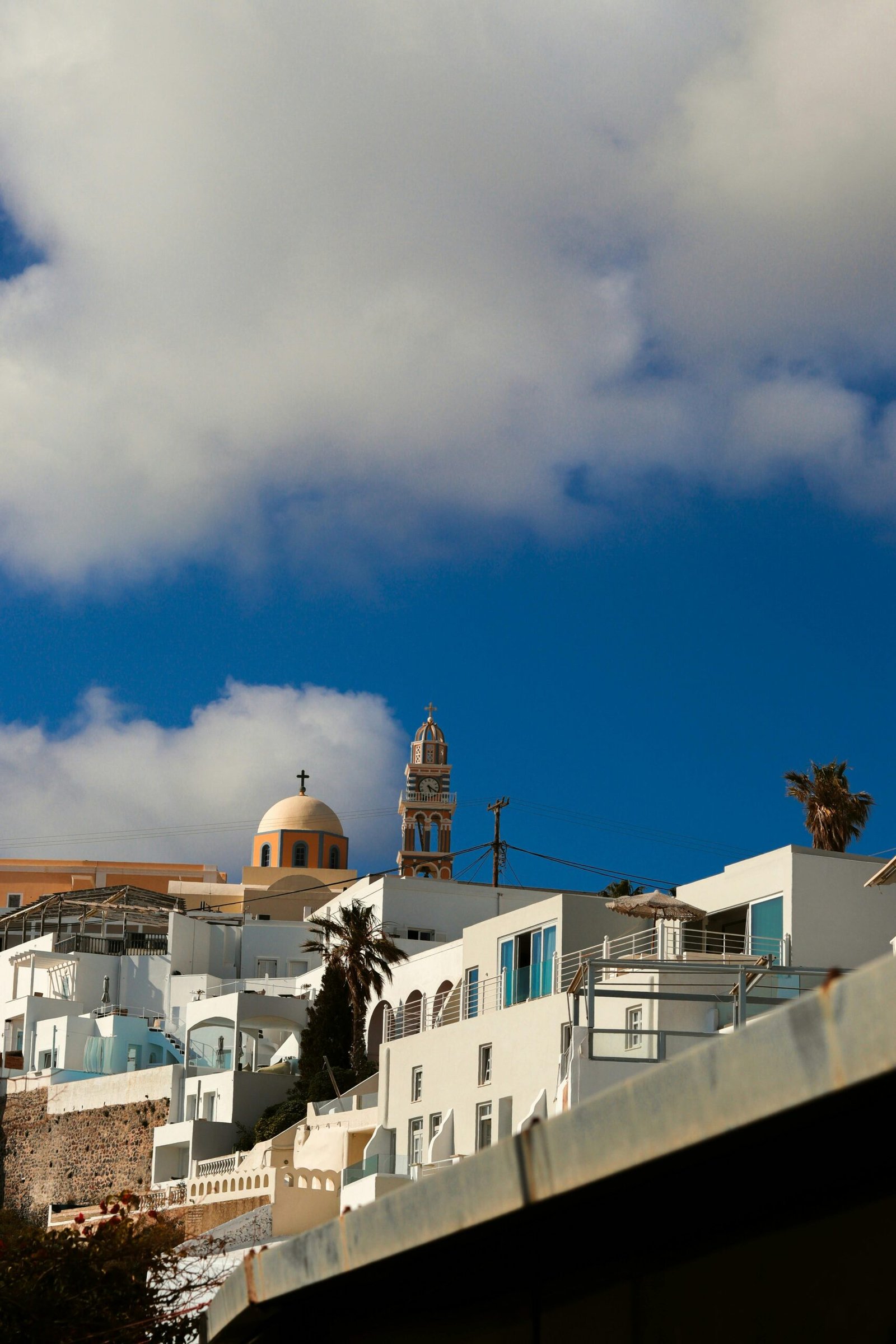
Why Most First-Timers to Santorini Leave Slightly Disappointed usually starts with a simple mental trap: people arrive expecting the island to match the version they have already seen online, in wedding photos, or in luxury ads. That is not a travel mistake in the usual sense; it is a mismatch between image and reality, and Santorini is one of the easiest places in Greece to fall into it.
The disappointment is rarely about the island being bad. It is about timing, crowd tolerance, and the expectation that a place built for spectacle will still feel easy, intimate, and personal in peak season. Those are different things, and Santorini makes that difference obvious fast.
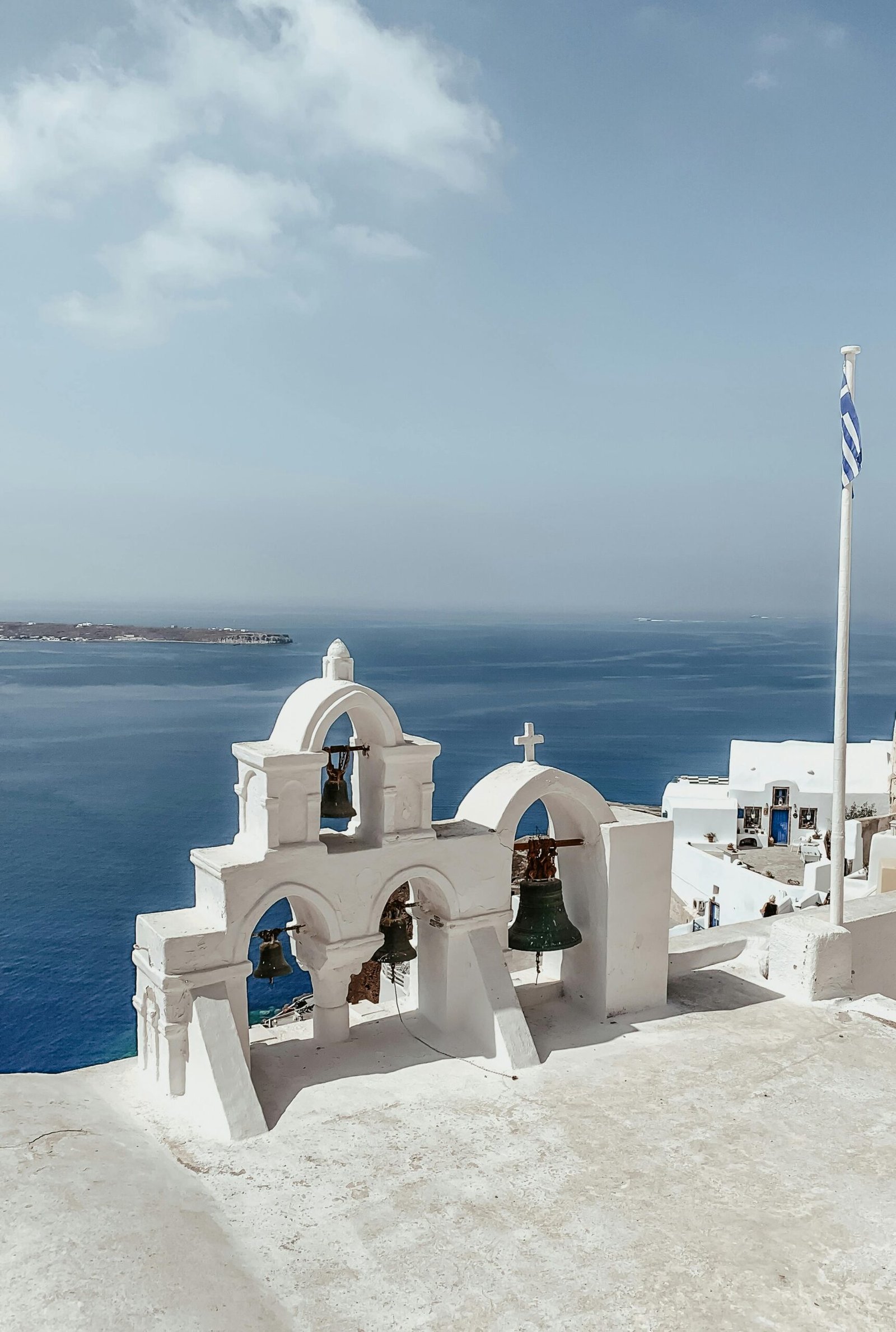
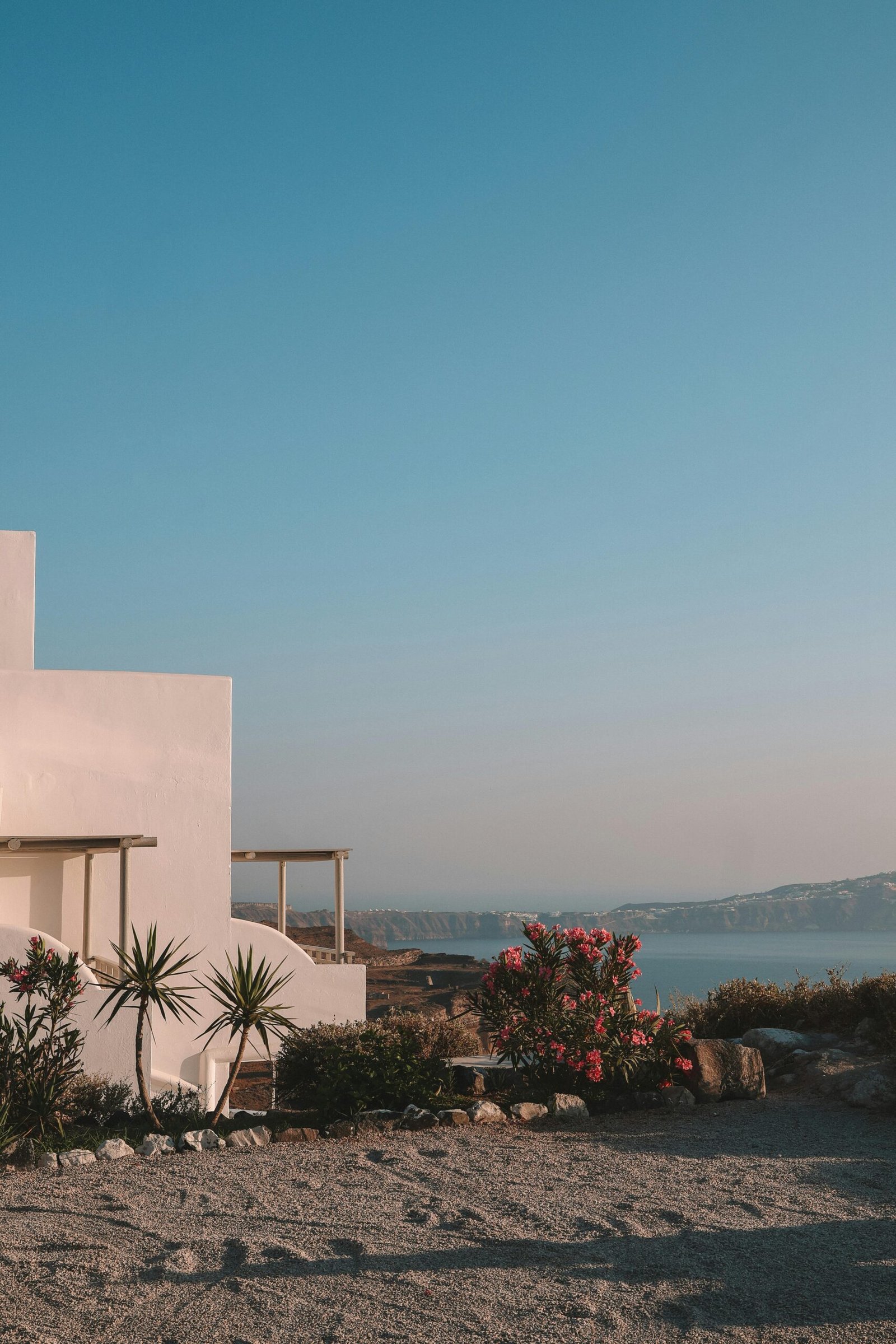
Why Most First-Timers to Santorini Leave Slightly Disappointed
Why Most First-Timers to Santorini Leave Slightly Disappointed is not a mystery to anyone who has spent a full season watching arrivals. The pattern is almost always the same: travelers come with a fixed image, then react to the real island as if the real island has failed them. Santorini has not failed; the expectation has.
The assumption behind Why Most First-Timers to Santorini Leave Slightly Disappointed
The core assumption is that a famous place should feel special the moment you reach it. That sounds harmless, but it creates a lot of pressure before the trip even starts. People are not just booking a destination; they are trying to confirm a story they already believe about what a Greek island should feel like.
This is why Santorini attracts travelers who want reassurance. They want the expensive hotel to justify itself, the view to match the photos, and the whole experience to feel neat and memorable. When a place is this heavily photographed, the traveler often stops looking for reality and starts looking for proof.
What travelers expect versus what they actually get
In their heads, first-timers expect calm, elegance, and a sense of exclusivity. They imagine long, unhurried mornings, easy movement, and a landscape that feels personal even in high season. What they often get is congestion, heat, queues, and a constant awareness that many other people are trying to have the same exact moment.
That emotional gap matters more than the physical one. Santorini is not difficult because it is confusing; it is difficult because it is familiar before you arrive. By the time people land, they have already spent months constructing a version of the island that no real place could fully satisfy.
Why Most First-Timers to Santorini Leave Slightly Disappointed also comes down to the fact that peak season changes the mood of the island. The famous views are still there, but the feeling around them shifts. A place that looks serene in photos can feel operational, crowded, and tightly managed in real life.
The moment the disappointment usually hits
The letdown usually does not arrive in a dramatic burst. It tends to show up in one ordinary moment: standing in a packed viewpoint, waiting for a table, or realizing that the day is being shaped by everyone else’s schedule. That is when the traveler notices they are participating in a scene rather than inhabiting a place.
For many first-timers, that moment is more painful than they expect because they thought Santorini would feel effortless. Instead, it asks for patience, tolerance, and a willingness to share the experience with a lot of other people. If that is not what you were emotionally prepared for, the island can feel smaller than the image you paid for.
Why the psychology of Santorini is so powerful
Santorini is not just a destination; it is a status signal. People choose it because it says something about taste, occasion, and effort. That is not shallow in a simple sense, but it does mean the trip is carrying more emotional weight than a normal holiday.
There is also a strong fear of missing out. When a place has been presented as essential, travelers worry that choosing anything else means settling. That pressure pushes people toward Santorini even when their actual travel style is better suited to a quieter island or a less compressed season.
Why Most First-Timers to Santorini Leave Slightly Disappointed is often the result of wanting the island to validate the decision. When a trip is built around validation, every inconvenience feels larger. The fix is not to lower standards; it is to stop asking the destination to do emotional work it was never designed to do.
The traveler types most prone to this pattern
Some people are more vulnerable to disappointment here than others. The most prone are the travelers who want beauty without friction, the celebration travelers trying to make one trip feel definitive, and the first-time Greece visitors who assume the most famous island must also be the best introduction to the country.
- Travelers chasing a once-in-a-lifetime image rather than a lived experience
- Couples planning a milestone trip who expect the island to carry the emotional weight
- First-time Greece visitors who have not yet learned how different Greek islands can be from one another
- People who dislike crowds but still choose peak-season fame
The common thread is not lack of taste. It is overidentification with the idea of the trip. If you are already attached to how the memory should look, the actual place has very little room to succeed.
A counterintuitive truth about Santorini
Here is the surprising part: some travelers leave disappointed precisely because Santorini is so good at being Santorini. It delivers the image almost too well. The island does not hide what it is, which means there is no comforting gap to fill with imagination.
That is why people sometimes prefer destinations that are less obvious at first glance. A place with a little roughness gives the traveler room to discover it. Santorini is more front-loaded than that, so if your emotional payoff depends on surprise, the island can feel strangely flat once the first view has already happened.
For travelers who want a broader sense of Greece beyond one famous island, the official national tourism resources at
Visit Greece are more useful than social media because they show how much range the country actually offers. That range matters, because Santorini is only one very specific version of a Greek island holiday.
What a better approach looks like
A better approach starts with a simple question: are you going to Santorini to see Santorini, or to have the kind of trip you think Santorini should provide? Those are not the same thing. The first choice is usually satisfying; the second is where people get into trouble.
If you are honest about what you want, the planning changes fast. You stop treating the island as a universal answer and start treating it as one option among many. That is usually the moment the trip becomes more realistic and less performative.
Greece rewards travelers who arrive with a plan, but only when that plan is based on how they actually move, rest, and tolerate crowds. Santorini can work very well for the right traveler, in the right season, with the right expectations. For everyone else, the smartest move is not to force the fit.
If you want context on how Greece presents itself beyond the marketing layer, the Hellenic Ministry of Culture is a useful reminder that the country is more than one famous view. That matters because the best trips are usually the ones that stop trying to extract the same emotional payoff from every place.
How to think about Santorini differently
Do not ask whether Santorini is worth it in the abstract. Ask what kind of traveler you are when the place is busy, hot, and heavily photographed. If you like structure, polish, and a destination that delivers exactly what it promises, you may be fine. If you need ease, space, and a sense of discovery, you are probably setting yourself up for irritation.
The most useful shift is to treat Santorini as a high-expectation destination, not a universally relaxing one. That framing removes the fantasy that disappointment means something went wrong. Often, it just means the trip was built around the wrong emotional assumption.
Recognizing the pattern is the first step. The second is building a trip around how you actually travel — not the traveler you imagine yourself to be. Most great Greece experiences start with that honesty.
Frequently asked questions
Is Santorini actually disappointing for first-time visitors?
For many first-timers, yes, but usually because the trip is carrying too much expectation. The island is real, busy, and highly managed in peak season, which is very different from the polished image people arrive with.
Why do people expect Santorini to feel more special than it does?
Because the island is marketed and photographed as a premium experience. Travelers absorb that image for months, then expect the real place to deliver the same emotional effect immediately.
What is the biggest mistake first-time Santorini visitors make?
They confuse a famous view with a complete travel experience. A place can be visually impressive and still feel crowded, controlled, and less relaxing than expected.
Who is most likely to be disappointed by Santorini?
Travelers who dislike crowds, people chasing a milestone-trip feeling, and first-time Greece visitors who assume the most famous destination is automatically the best fit for them.
Is Santorini better in peak season or shoulder season?
Peak season intensifies the gap between image and reality. Shoulder season is usually easier for travelers who want less pressure, fewer crowds, and a calmer mood.
How should I think about Santorini if I still want to go?
Treat it as a specific kind of destination, not a universal Greece experience. Go because the island matches your travel style, not because you want it to prove something about the trip.