

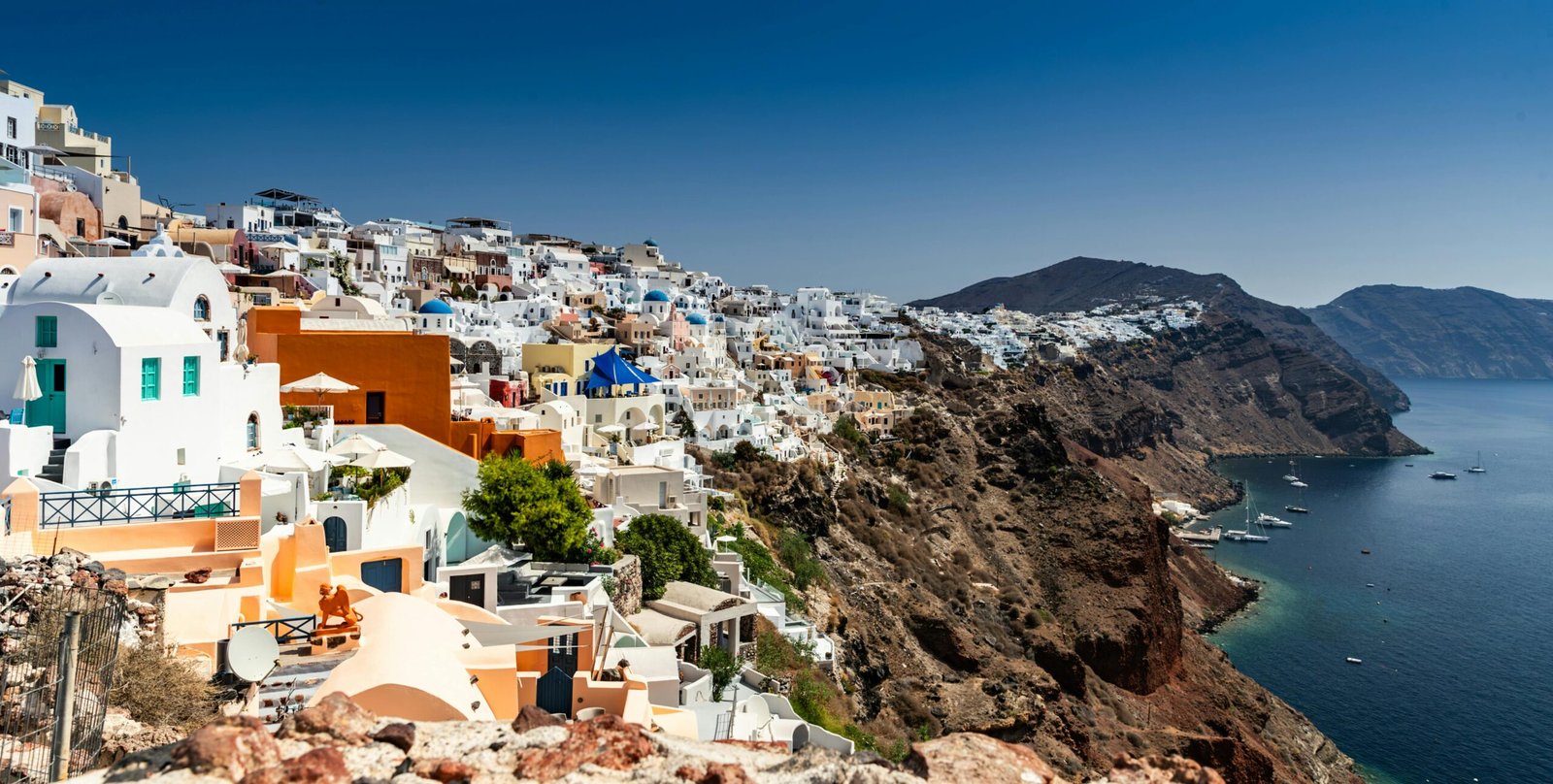
Why Most First-Timers to Santorini Leave Slightly Disappointed is usually not a problem of the island itself. It is a problem of expectation management, and more specifically, of people arriving with a polished image in their head and a very crowded, very expensive reality in front of them.
The disappointment is rarely dramatic. It shows up as a quiet mismatch: too many people, too much heat, too much money, and not enough of the calm, spacious experience they assumed they were buying. That gap is what first-timers underestimate.
Why Most First-Timers to Santorini Leave Slightly Disappointed
Santorini is one of the easiest places in Greece to overvalue before you arrive. The island has been sold for years as a once-in-a-lifetime experience, so people do not just book a destination — they book a feeling, usually one built from social media, wedding photos, and a few famous views.
That is why Why Most First-Timers to Santorini Leave Slightly Disappointed is such a consistent pattern. The island is real, but the version many travelers are chasing is edited, compressed, and stripped of the friction that defines peak-season Santorini.
The assumption behind Why Most First-Timers to Santorini Leave Slightly Disappointed
The core assumption is simple: if a place is famous enough, it must feel special in a way that is immediate and effortless. Travelers assume Santorini will deliver a constant emotional high, as if the island itself is responsible for making them feel impressed every minute they are there.
That is not how Santorini works in peak season. The island gives you the view, the brand, and the prestige, but it also gives you queues, noise, heat, and a lot of people trying to stand in the same place at the same time. The emotional letdown comes from expecting intimacy from a place that is functioning, for much of the season, like a global stage.
Why travelers choose Santorini anyway
People choose Santorini because they want certainty. It feels safe to choose the destination everyone already recognizes, especially for a honeymoon, milestone trip, or first Greece visit. Familiarity reduces anxiety, and that matters more than most travelers admit.
There is also a status element that people rarely say out loud. Santorini signals that the trip was serious, expensive, and worth talking about later. For many first-timers, the island is not just a place to visit; it is a proof point that they made the “right” Greece choice.
That emotional logic is understandable, but it creates a planning trap. When you choose a place for reassurance and social validation, you are less likely to ask whether it actually fits your pace, tolerance for crowds, or appetite for friction.
What the image promises vs what peak season delivers
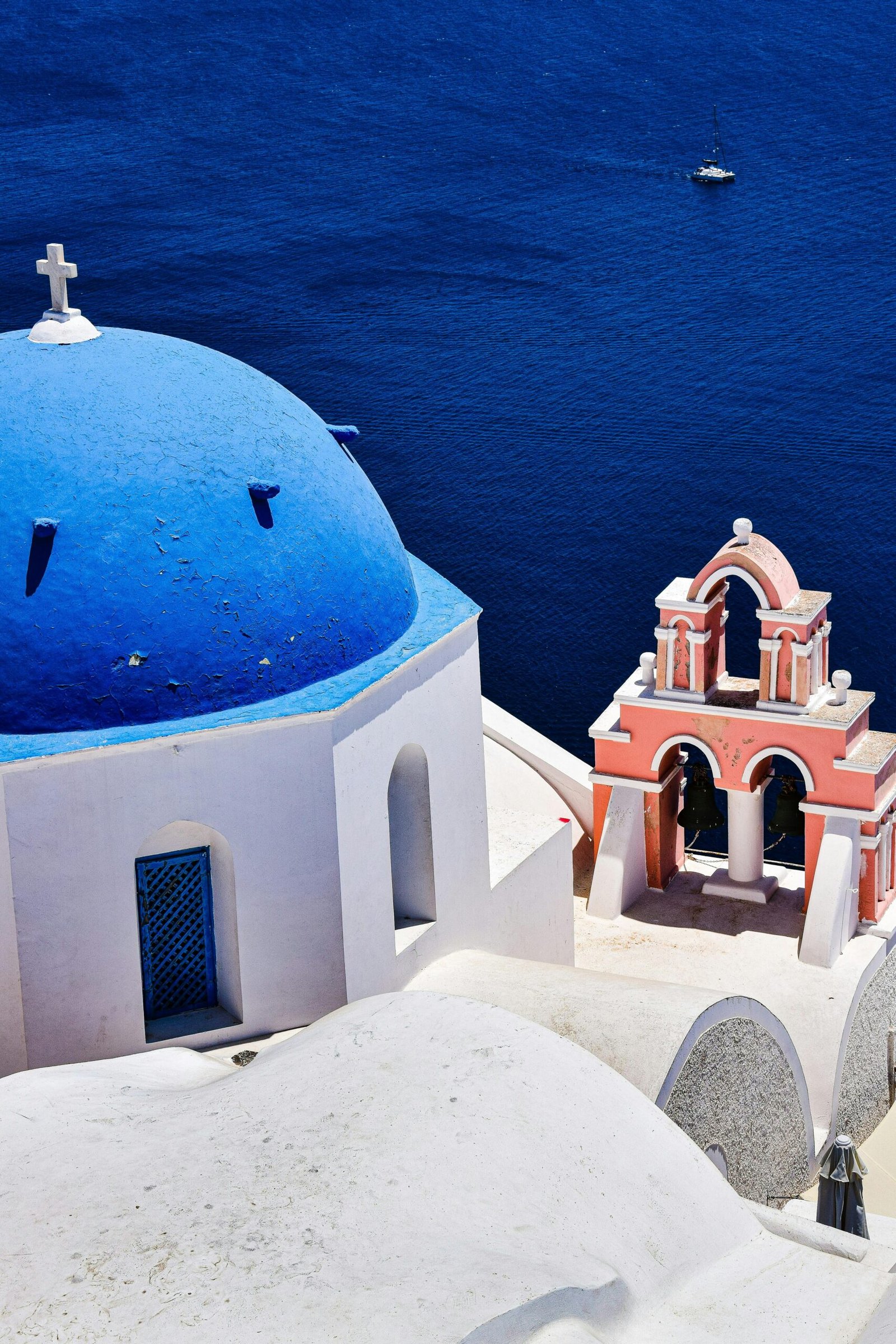
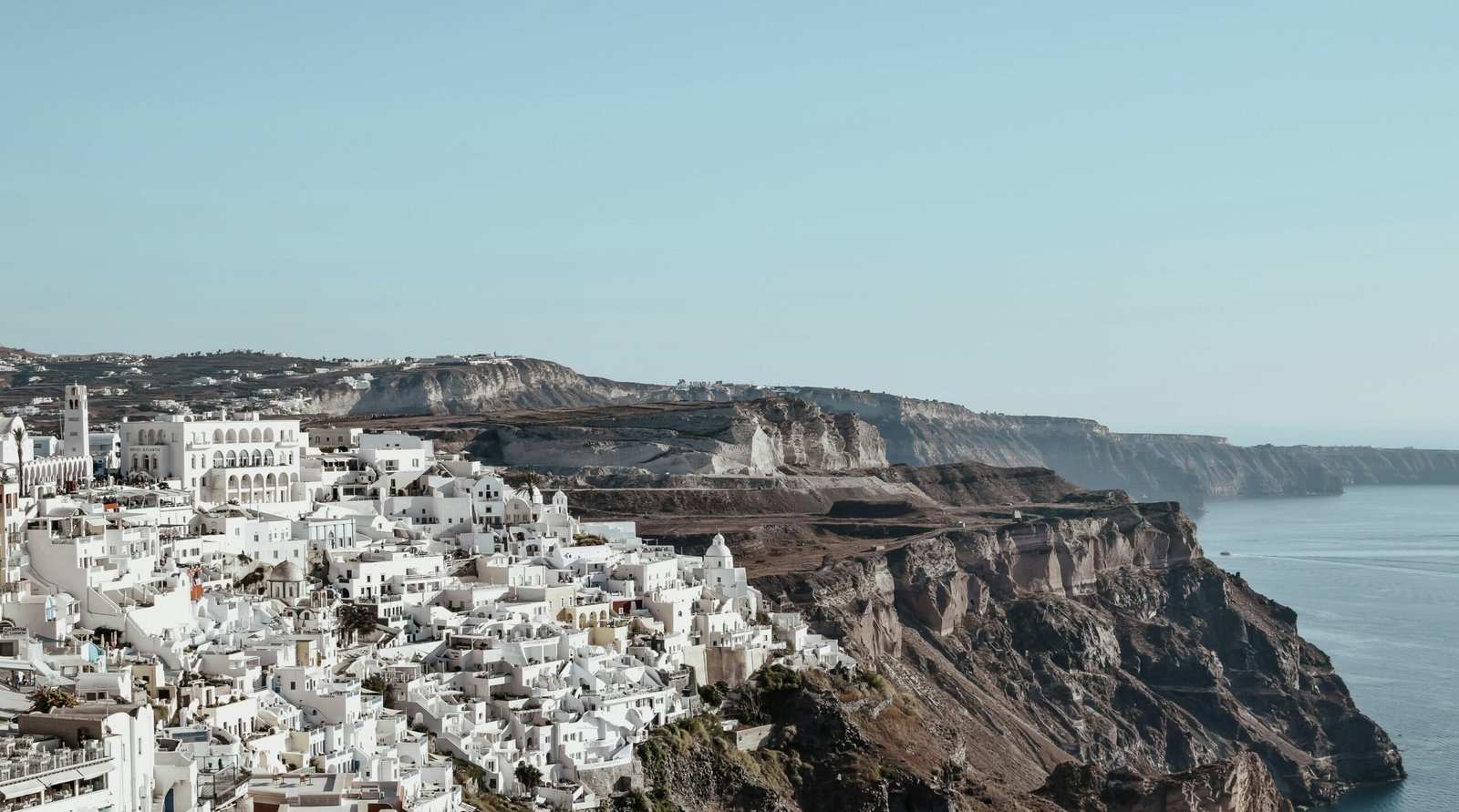
The image promises space, ease, and a sense of exclusivity. Peak season delivers density. That is the blunt truth, and it is the part many travelers do not want to hear before they book.
In Santorini, the most famous areas are famous because everyone wants the same experience at the same time. The result is not a ruined trip, but a trip that feels more managed and less spontaneous than people expect. If you came for a serene, unbroken escape, peak-season Santorini can feel like a place where you are always sharing the frame.
Here is the counterintuitive part: many first-timers are not disappointed because Santorini is overrated. They are disappointed because it is exactly as famous as advertised, and fame is not the same thing as comfort. A place can be visually impressive and still be emotionally tiring.
The moment the disappointment usually hits
The shift usually happens after the first day, not on arrival. The arrival phase is still powered by anticipation, so people forgive the heat, the crowds, and the prices because they are finally “there.” The problem starts when they realize the island does not automatically become calmer once the novelty wears off.
The moment of truth is often a simple one: standing in a crowded viewpoint, waiting for the same photo everyone else wants, while realizing the experience feels more performative than personal. That is when the trip stops feeling like a reward and starts feeling like a transaction.
For some travelers, the disappointment lands even harder at dinner or during a transfer between parts of the island, when the practical side of Santorini becomes impossible to ignore. This is where the wrong assumption turns into a real problem: the traveler expected a relaxed luxury rhythm, but the island is operating at peak capacity and asking for patience they did not budget for.
Who is most prone to this mistake
First-time honeymooners are especially vulnerable because they are not just planning a holiday; they are trying to make the trip feel meaningful. That pressure makes them more likely to choose the most famous option and less likely to question whether fame is actually what they need.
Social-media-led travelers are another high-risk group. They often arrive with a visual script already fixed in their head, which makes real life feel like a downgrade the moment it includes crowds, waiting, or ordinary logistics. The problem is not that they care about aesthetics; it is that they confuse a curated image with a livable experience.
Luxury travelers can also get caught out, and this surprises people. High spend does not protect you from disappointment if your expectation is emotional exclusivity in a place that is structurally busy. Santorini can be expensive and still feel crowded, which is a hard lesson for travelers who assume price and privacy move together.
What most people underestimate before booking
They underestimate how much peak season changes the emotional texture of the island. Santorini in a quieter period and Santorini in high season are not the same psychological experience, even if the postcard views look identical.
They also underestimate how quickly novelty turns into comparison. Once you have seen the famous view, your mind starts asking whether the rest of the trip is matching the price, the hype, and the effort. That is where satisfaction drops: not because the island failed, but because the traveler started measuring every moment against a fantasy.
If you want a more grounded sense of what Greece offers beyond the headline destinations, start with the broader context at
Visit Greece. That does not solve Santorini’s crowd problem, but it does help reset the idea that one island should carry your entire Greece experience.
How to approach Santorini differently
The better approach is to stop asking Santorini to be everything. It is not the best choice for travelers who want quiet, low-friction, or deeply restorative time in peak season. It is a strong choice for people who understand they are buying a famous, high-demand destination and are comfortable with the trade-offs.
That shift in mindset changes the whole trip. You stop expecting the island to deliver constant emotional payoff and start treating it as one part of a larger Greece experience. That is the difference between being impressed and being irritated.
If you want to understand the cultural context of Greece more broadly, not just the island brand, the Ministry of Culture is a useful reminder that Greece is not a single aesthetic product. It is a country with depth, history, and a lot more range than the most photographed cliffside in the Aegean.
Greece doesn’t punish inexperience. It punishes unexamined assumptions. The travelers who leave disappointed rarely lacked information — they lacked a framework for using it.
Frequently asked questions
Why do first-time visitors expect Santorini to feel more special than it does?
Because Santorini is marketed as an iconic, once-in-a-lifetime place, so travelers often arrive expecting a constant emotional high. In reality, peak season adds crowds, heat, and pressure that dilute the feeling they imagined.
Is Santorini actually disappointing, or are expectations just too high?
For many first-timers, expectations are too high and too narrow. Santorini is still a strong destination, but it disappoints when people expect privacy, calm, and effortless luxury in peak season.
What is the biggest mistake first-timers make with Santorini?
They choose it for the image instead of the fit. That usually means they want the famous view and the social proof, but they have not thought through how much crowding and intensity they are willing to tolerate.
Who is most likely to leave Santorini underwhelmed?
Honeymooners chasing a perfect emotional backdrop, social-media-driven travelers, and luxury travelers who assume high price guarantees exclusivity are the most common groups to feel let down.
When does the disappointment usually start?
It often starts after the first day, once the novelty wears off and the traveler realizes the island is not becoming calmer or more personal. The mismatch becomes obvious when the famous view feels crowded and performative.
How should first-timers think about Santorini differently?
Treat it as a high-demand, high-visibility destination, not as a guaranteed emotional experience. If you accept the trade-offs up front, the island is much easier to enjoy for what it is.