

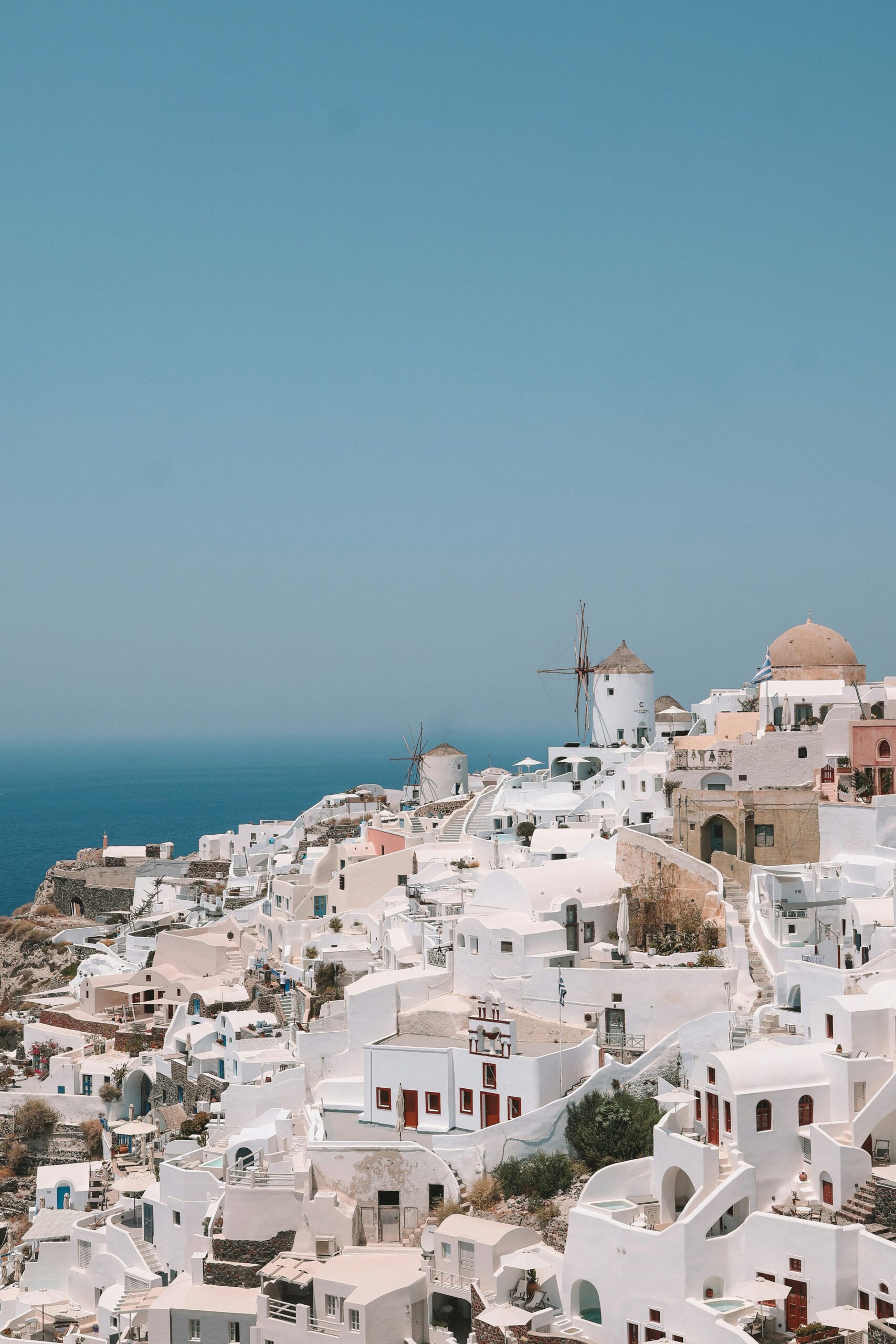
Why Most First-Timers to Santorini Leave Slightly Disappointed is a question rooted deeply in the contrast between myth and reality. Many arrive expecting an effortless postcard experience, only to find a hectic crowd, inflated prices, and logistical headaches.
This disconnect shapes how travelers feel about the island, often overshadowing its undeniable allure.
Why Most First-Timers to Santorini Leave Slightly Disappointed
The Myth of the Quiet, Cliffside Village
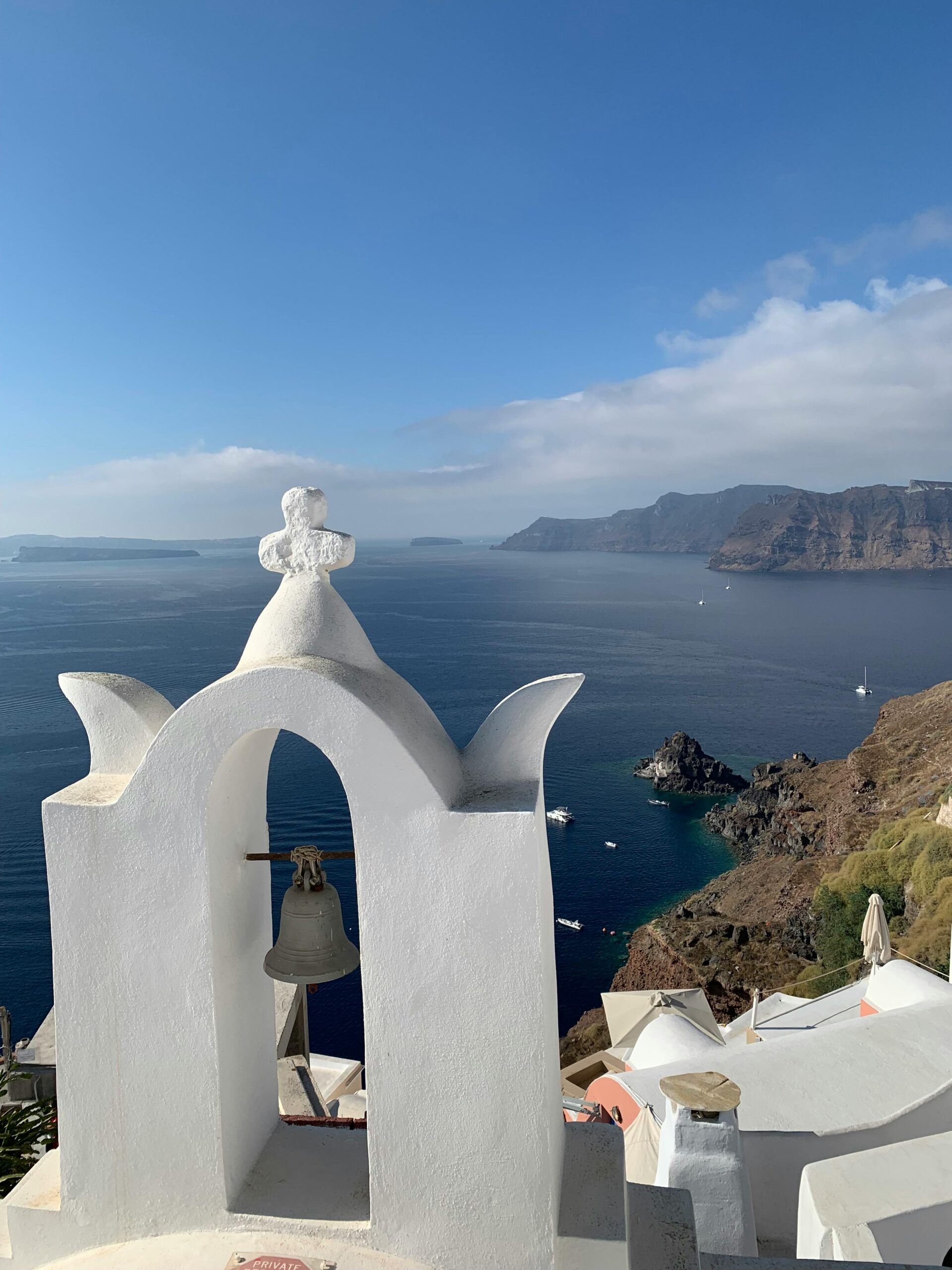
Most newcomers picture Oia or Imerovigli as serene spots where you can soak up views without interruption. The truth is these areas become overwhelmingly crowded during peak summer months, especially July and August. The emotional experience is less about peaceful contemplation and more about navigating selfie sticks and tour groups. This is a reality rarely acknowledged by glossy travel photos.
Why Most First-Timers to Santorini Leave Slightly Disappointed: Overcrowding and Its Emotional Toll
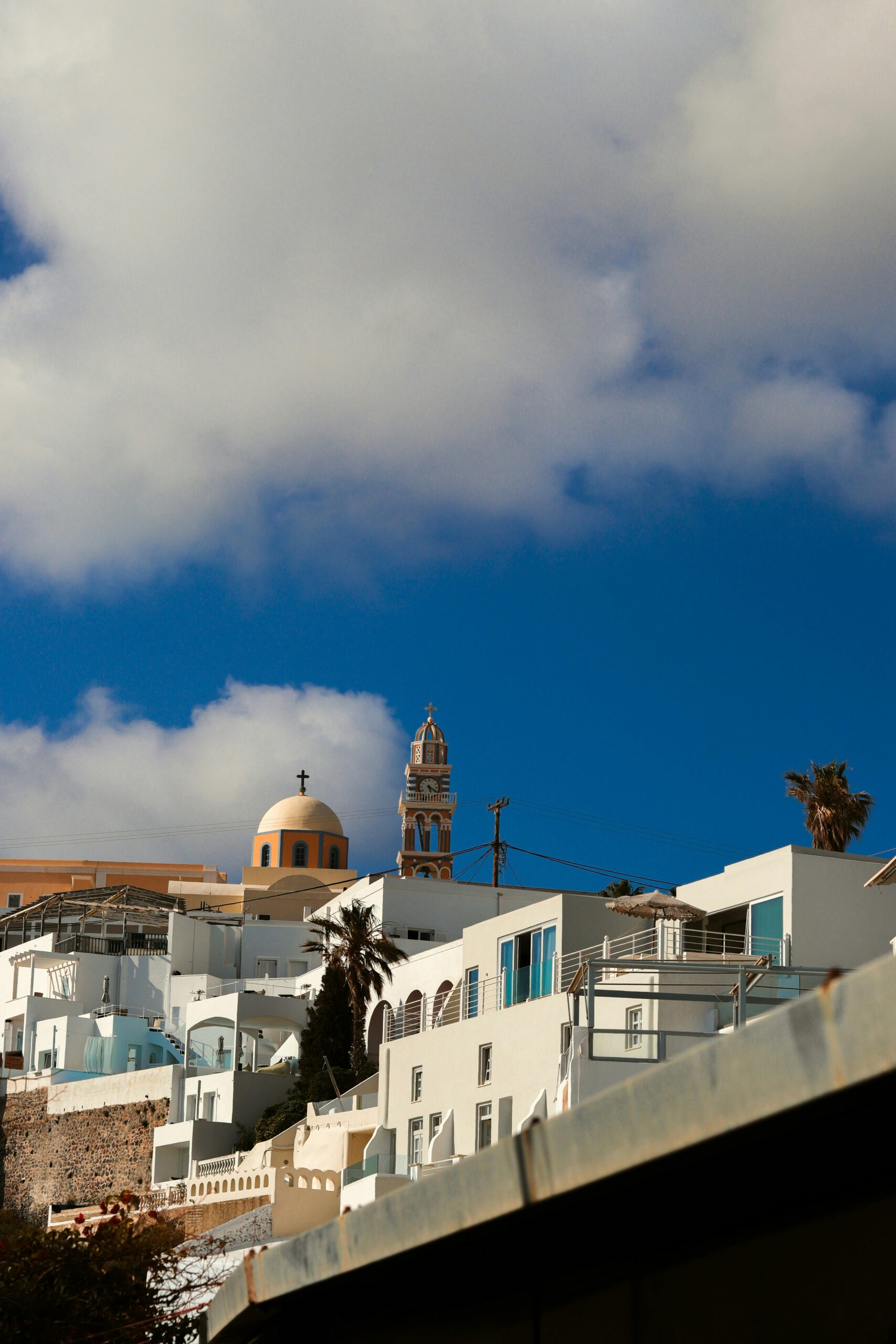
It’s not just the density of visitors—it’s the tension it creates. A sunset in Fira, the island’s bustling capital, can feel more like a pressured event than a moment of awe. The island’s compact scale means popular viewpoints and eateries fill up rapidly, causing frustration and a sense of missing out despite being in an iconic place.
Two Common Misconceptions That Undermine the Experience
First, many assume Santorini is an island of endless beaches. In reality, its volcanic landscape limits swimming spots, and beaches like Kamari and Perissa fill quickly with tourists. Second, visitors often underestimate the logistics involved in moving between villages and beaches, expecting easy, spontaneous exploration but facing long waits and crowded transport.
Trade-offs: What You Gain and What You Give Up Visiting in Peak Season
Peak season offers the longest daylight, warmest sea, and a vibrant social scene. But these come at the cost of inflated prices, limited availability, and the loss of tranquility. Visiting Santorini in shoulder seasons like late May or September offers more breathing room and a more authentic pace, though the sea may be cooler and some venues less lively.
Specific Areas That Define the Experience
Oia remains the icon of Santorini’s image but is also the epicenter of crowd pressure. Fira is the island’s social and commercial hub, often noisy and hectic. Imerovigli and Pyrgos offer quieter alternatives with stunning views but require more planning to appreciate fully. For beach lovers, Perissa and Kamari provide access to black sand shores but lack the cliffside vistas many expect.
Who This Suits—and Who It Doesn’t
Santorini’s peak season is best suited for travelers who prioritize iconic imagery and don’t mind sacrificing personal space for it. Those seeking quiet reflection, spontaneous discovery, or authentic village life will likely find the experience frustrating. It’s a destination that rewards patience and planning rather than impulse visits.
A Counterintuitive Observation: The Island’s Charm Often Emerges in the Off-Season
Many assume Santorini’s magic hinges on its summer buzz, but the island’s character truly reveals itself when the crowds thin. In early spring or late autumn, local rituals, slower rhythms, and the raw volcanic landscape offer a more genuine connection. This perspective challenges the conventional wisdom that peak summer is the only time to visit.
The Emotional Reality of Visiting Santorini
The island can feel like a performance stage during peak months—beautiful but demanding constant attention and energy. The emotional high of seeing the caldera or a famous sunset can be undercut by the exhaustion of navigating crowds and lines. Travelers often finish the trip with mixed feelings: awe tinged with fatigue and a longing for solitude.
For those wanting to deepen their cultural understanding beyond the postcard, the nearby
Ministry of Culture and the Acropolis Museum in Athens offer immersive contexts that highlight the layers of Greek history often overshadowed by Santorini’s Instagram appeal.
Conclusion: Why Expert Planning Makes the Difference
Santorini is not a place to leave to chance, especially for first-timers. The island rewards travelers who arrive with a plan built around how they actually travel—not a generic template. The difference between a frustrating trip and a remarkable one often comes down to sequence, timing, and knowing which trade-offs matter for your situation.
Frequently asked questions
When is the best time to visit Santorini to avoid crowds?
Late May and September typically offer fewer crowds and more reasonable prices while still providing pleasant weather and open facilities.
Are the famous Santorini sunsets really worth the hype?
They can be stunning, but during peak season, the experience might feel crowded and rushed. For a more intimate sunset, seek less popular viewpoints or visit outside the busiest months.
Is Santorini good for beach lovers?
Santorini’s beaches are limited and volcanic, such as Kamari and Perissa. They are enjoyable but don’t compare to the sandy variety found on other Greek islands.
What neighborhoods offer a quieter stay on Santorini?
Imerovigli and Pyrgos are less crowded alternatives to Oia and Fira, offering peaceful ambiance with equally impressive views.
Can first-time visitors easily explore Santorini without planning?
Without careful planning, visitors often encounter logistical challenges and disappointments due to crowds and transport limitations.
Does Santorini offer authentic Greek culture beyond tourism?
Yes, but it requires seeking out local villages and cultural sites, as the main tourist hubs focus heavily on the island’s iconic imagery.
How many days should I spend on Santorini to get a meaningful experience?
At least three to four days allow time to explore multiple villages, relax on beaches, and avoid feeling rushed.