

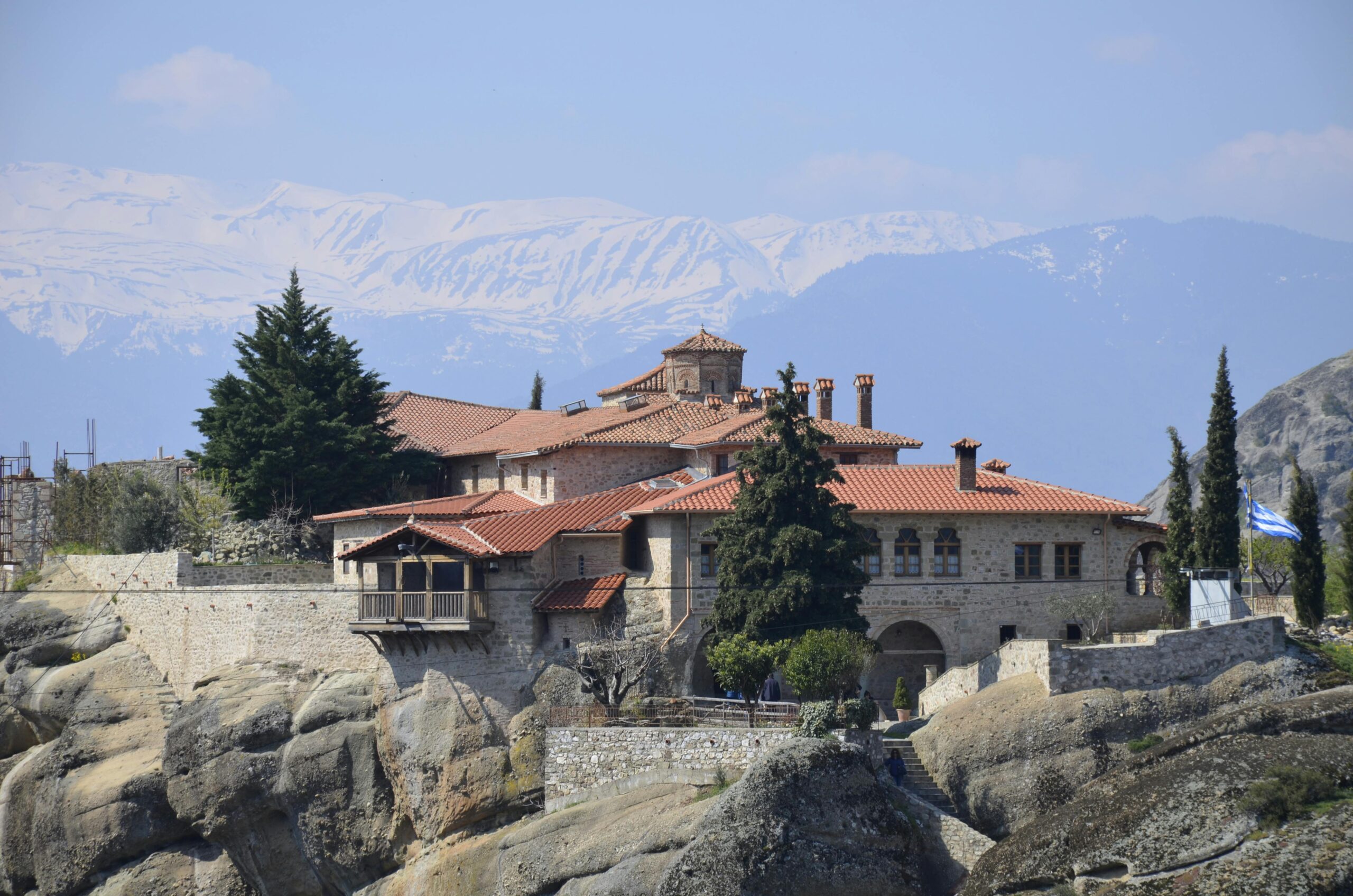
Why Most Visitors to Meteora Overestimate How Much You Can See in a Single Day is a critical insight for anyone planning to visit this unique UNESCO site. Many travelers approach Meteora as a checklist destination, expecting to cover multiple monasteries quickly, only to find the experience rushed and underwhelming.
Visiting Meteora demands time for deliberate appreciation rather than a hurried tour. This article clarifies common misconceptions and offers grounded advice to help set realistic expectations.
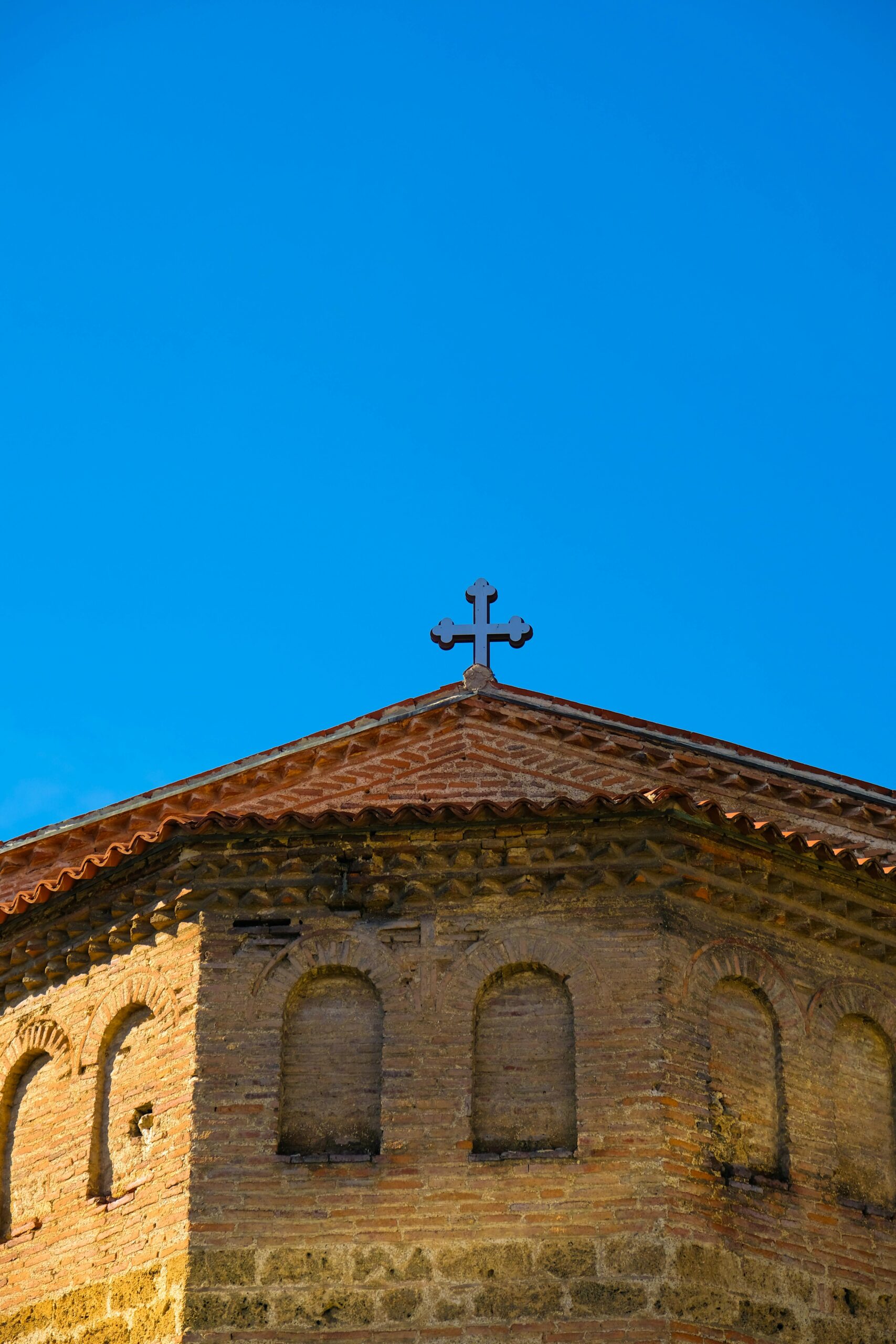
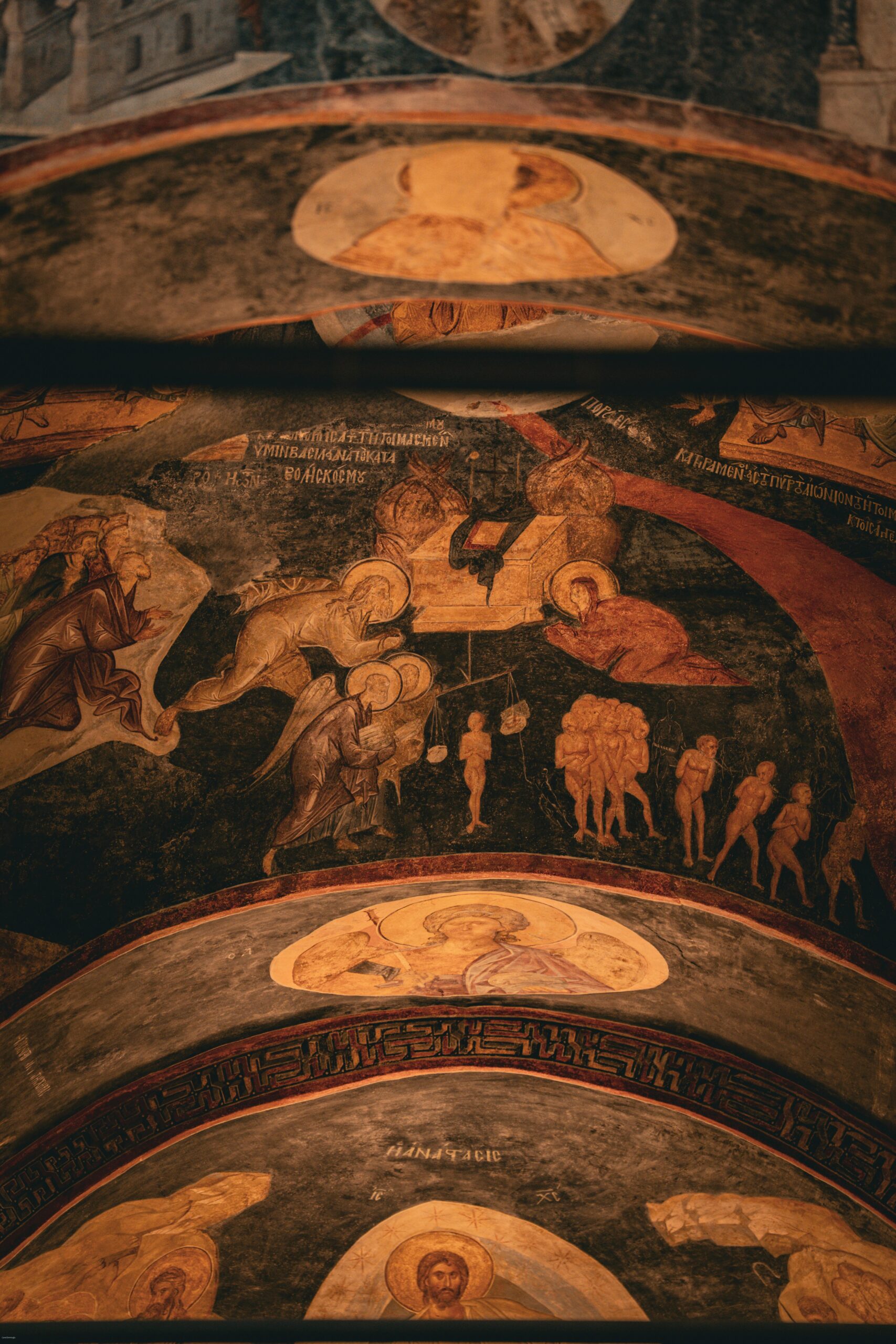
Why Most Visitors to Meteora Overestimate How Much You Can See in a Single Day
Understanding Meteora’s Unique Layout and Access Challenges
Meteora’s monasteries sit perched on steep sandstone pillars, each requiring time-consuming access. The roads connecting the sites are narrow and winding, meaning travel between monasteries often takes longer than visitors anticipate. Many assume they can hop from one monastery to the next quickly, but the reality is that each requires a dedicated visit to fully appreciate its history and architecture.
Why Most Visitors to Meteora Overestimate How Much You Can See in a Single Day
Most travelers assume that Meteora is a quick sightseeing stop where you can easily visit four or five monasteries in a single day. The truth is that visiting even three monasteries thoroughly in one day is strenuous and leaves little room for reflection or photography. The physical effort—climbing stairs, walking uneven terrain—and the need to observe religious customs like appropriate dress codes slow the pace significantly. Rushing reduces Meteora to a checklist rather than an immersive cultural experience.
When to Prioritize Meteora for a Multi-Day Visit
If your travel style values depth over breadth, allocate at least two days for Meteora. This allows you to visit fewer monasteries but to absorb their art, history, and atmosphere without fatigue. Off-season visits also help avoid crowds that compound delays and diminish the contemplative mood. Travelers with limited time might consider prioritizing Meteora only if they accept that they will see fewer sites with more focus.
Trade-offs Based on Travel Style and Season
Season affects how much you can see: summer crowds and heat make long days taxing. Winter reduces crowding but limits some site access. Hikers or physically fit travelers can cover ground faster but must still respect monastery opening hours and religious practices. Families with children or older travelers should expect an even slower pace. Solo travelers or photography enthusiasts often benefit from lingering in fewer spots to capture details others miss.
Most Travelers Assume Speed Equals Value, But Meteora Demands Patience
It’s common to believe that hitting every monastery maximizes value. In reality, Meteora’s significance lies in its unique setting and spiritual ambiance, which dissipate when rushed. Spending more time at fewer monasteries enriches understanding and enjoyment. This counters the typical tourist urge to check off as many sites as possible, a mindset well documented to reduce satisfaction.
Additional Context: Meteora Beyond the Monasteries
Exploring Meteora also means appreciating the natural landscape and local culture. Villages like Kalambaka offer museum experiences that contextualize the monasteries’ history, as seen at the
Greek Ministry of Culture. Linking Meteora to broader Greek history enriches the visit beyond the immediate sights. For those extending their trip, nearby archaeological sites and museums, such as the Acropolis Museum, provide complementary perspectives on Greece’s layered past.
Conclusion
The right answer depends on how you actually travel — your pace, your priorities, and what you’re willing to trade off. If you’re not sure which option fits, that uncertainty is itself useful information.
Frequently asked questions
How many monasteries can realistically be visited in one day at Meteora?
Visiting two to three monasteries in a day is realistic if you want to experience them properly. Attempting more usually means rushing through without meaningful appreciation.
Are there specific times when visiting Meteora is easier or less crowded?
Visiting in early spring, late autumn, or winter reduces crowds significantly and allows for a slower pace, though some monasteries may have limited hours during off-season.
Do I need special clothing to enter the monasteries in Meteora?
Yes, all visitors must adhere to modest dress codes: shoulders and knees covered. This often means bringing a shawl or scarf for women and long pants for men.
Is it possible to visit Meteora without a car?
Public transportation exists but is limited and infrequent. Renting a car or booking a guided tour is highly recommended to navigate the spread-out monasteries efficiently.
Can I combine a Meteora visit with other Greek destinations in one day?
Meteora deserves a focused visit due to travel time and the depth of experience required. Trying to combine it with distant sites in one day will lead to a superficial visit.
Are the monasteries accessible for travelers with mobility issues?
Access involves steep stairs and uneven paths, making it difficult for travelers with mobility challenges to enter most monasteries. Planning accordingly is essential.
What is the best way to learn about Meteora’s history during the visit?
Hiring a knowledgeable local guide or using detailed audio guides enhances understanding beyond what signage alone provides.