

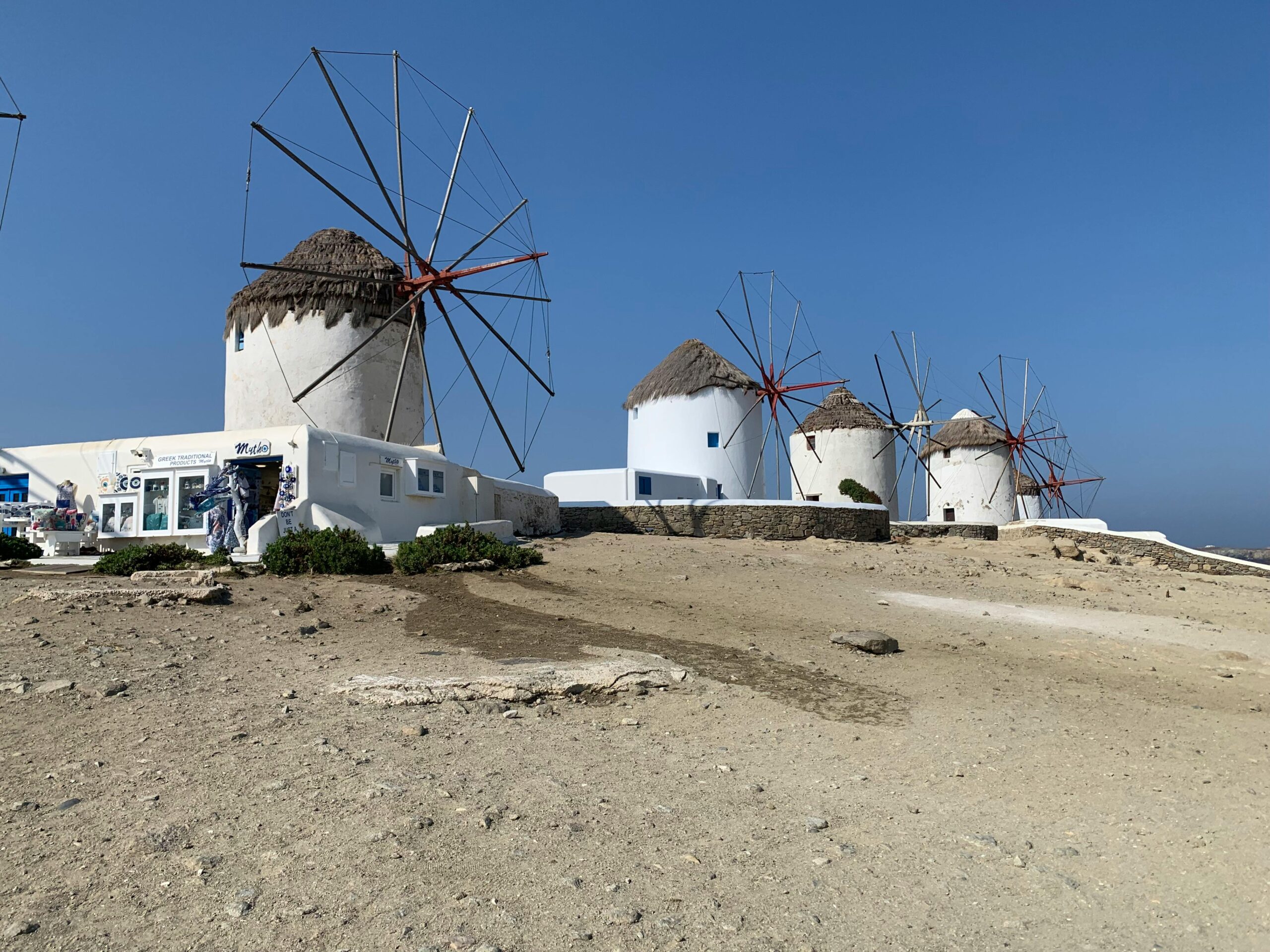
Why Mykonos in Peak Season Feels More Like a Luxury Brand Campaign Than a Greek Island is a sentiment many travelers come to realize only after arriving. The glossy image of Mykonos in August drives expectations toward a lifestyle spectacle rather than a traditional Greek island experience.
Understanding the psychology behind this choice sheds light on the frequent disconnect between what visitors expect and what they actually find during the busiest months.
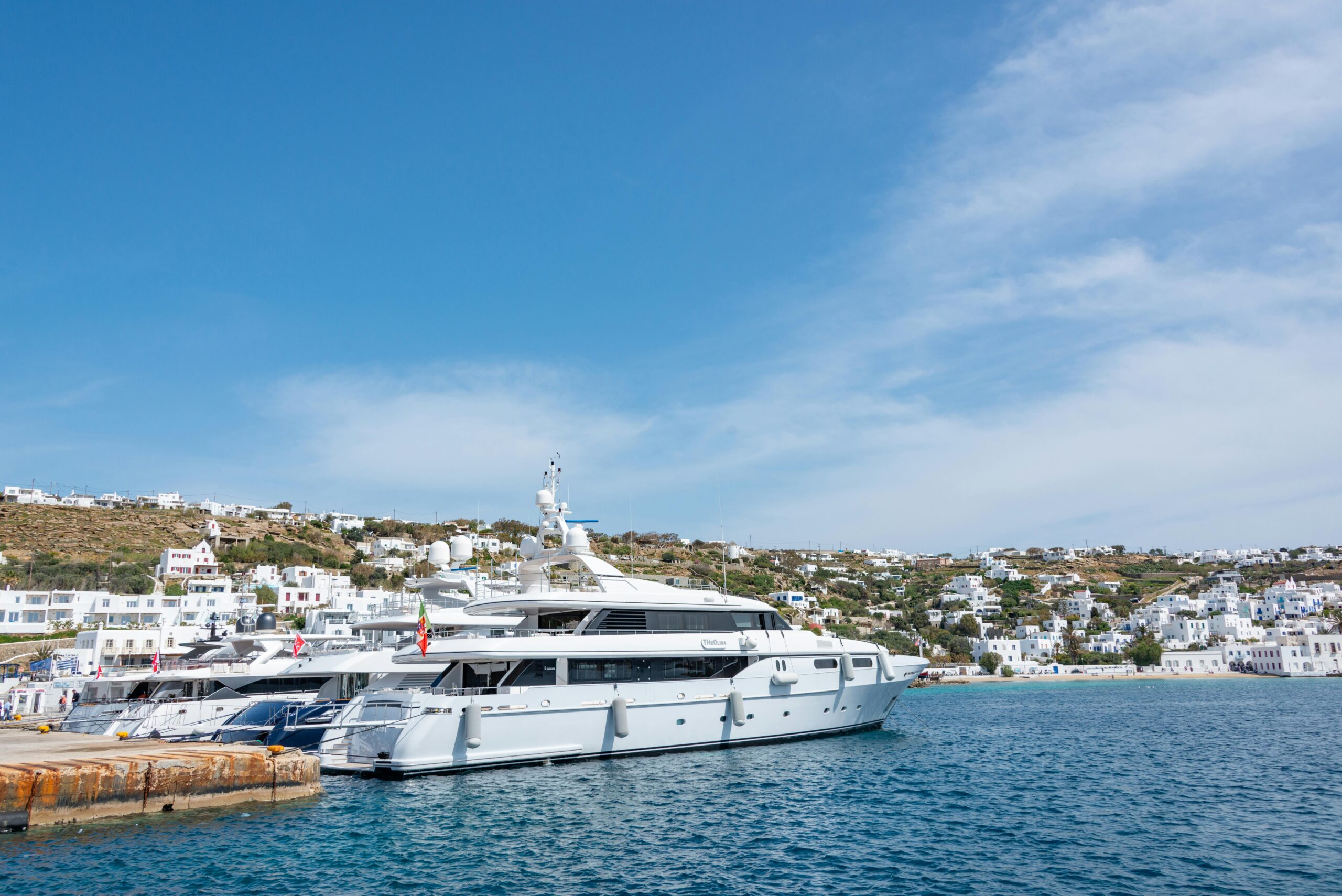
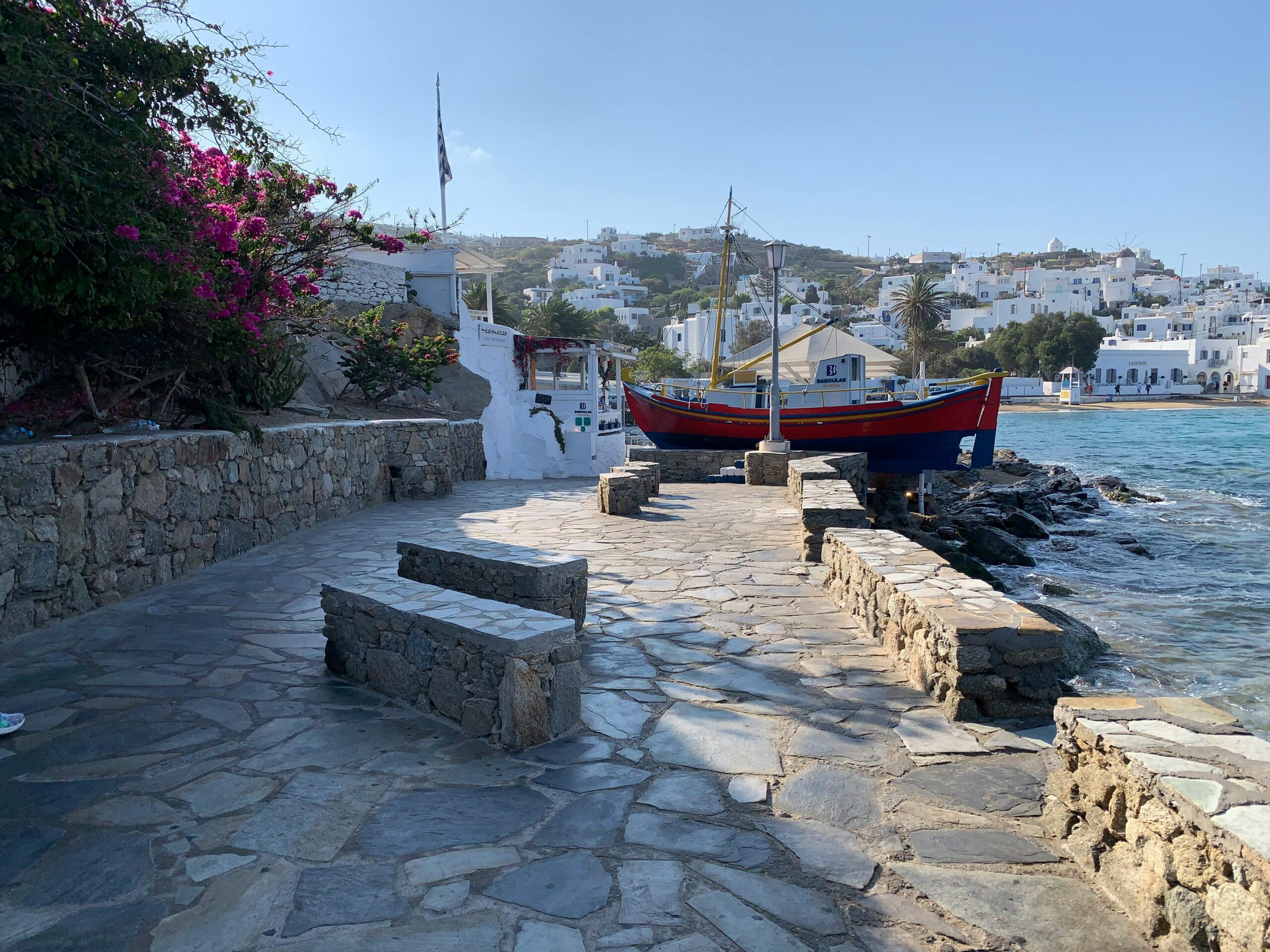
Why Mykonos in Peak Season Feels More Like a Luxury Brand Campaign Than a Greek Island
The Psychological Pattern Behind Choosing Mykonos in Peak Season
Travelers often select Mykonos in August based on a powerful image of exclusivity, glamour, and curated luxury experiences. This is less about the island itself and more about projecting a certain lifestyle—one that fits neatly into social media narratives or status signaling. The assumption is that peak season equals peak experience, which is rarely true in this context.
Why Travelers Gravitate Toward This Choice
The decision to visit Mykonos at its busiest is driven by the desire to be part of a scene seen in luxury advertisements and celebrity photo shoots. For many, it’s about validation through association rather than genuine curiosity for local culture. The seasonal buzz promises a network of high-end services and events that feel like a reward for investing in something elite.
The Emotional Gap: Expectation vs Reality
Visitors expecting authentic island life are confronted instead by crowds, inflated prices, and a relentless commercial vibe. The emotional gap widens when the unpredictable elements of mass tourism—noise, limited availability, and a lack of tranquility—replace the imagined serene and intimate experience. This is the moment the veneer of luxury cracks, revealing a spectacle engineered for consumption, not connection.
The Moment Disappointment Hits
The disappointment usually crystallizes when travelers try to find authentic moments between beach clubs, VIP parties, and congested streets. It hits hardest during attempts to explore local culture or quieter parts of the island, which are often unavailable or overshadowed by the season’s commercial machinery. This is where the luxury brand campaign facade becomes unmistakable.
Traveler Types Most Prone to This Pattern
Young professionals chasing social media status, first-time visitors seduced by glossy marketing, and travelers who equate price with quality are the most vulnerable. They arrive expecting an effortlessly perfect experience, ignoring that the island’s peak season atmosphere is engineered and heavily curated. These travelers often overlook smaller islands or shoulder seasons where the genuine Greek island feel surfaces more clearly.
Why Mykonos in Peak Season Feels More Like a Luxury Brand Campaign Than a Greek Island: A Clear Position
My position is straightforward: Mykonos in August is not a destination for travelers seeking authentic Greek island life. It is a luxury brand campaign come to life—an event designed around spectacle, exclusivity, and carefully controlled experiences. Treating it as anything else leads to avoidable frustration. Instead, Mykonos should be approached as a high-end social arena, not a traditional island escape.
Reframing the Mykonos Experience
Approach Mykonos in August with the mindset of a participant in a luxury event, not a cultural explorer. Focus on planned, high-quality experiences that embrace the island’s curated nature, rather than searching for spontaneous authenticity. Consider timing your visit outside peak season for a more grounded experience. For those interested in Greece’s rich cultural heritage, institutions like the
Ministry of Culture and the Acropolis Museum offer deeper, less commercial insights into Greek identity.
Conclusion
Recognizing the pattern is the first step. The second is building a trip around how you actually travel — not the traveler you imagine yourself to be. Most great Greece experiences start with that honesty.
Frequently asked questions
Is Mykonos worth visiting in August?
If your goal is a tranquil, authentic island experience, August is not the best time. Mykonos in peak season is crowded and heavily commercialized, resembling a luxury event more than a traditional Greek island.
What are common misconceptions about Mykonos in peak season?
Many assume the island will offer quiet beaches and local culture, but the reality is large crowds, high prices, and a focus on luxury entertainment rather than authenticity.
Which traveler types enjoy Mykonos in peak season the most?
Travelers who prioritize nightlife, exclusive beach clubs, and social status through luxury experiences tend to enjoy Mykonos in August more than those seeking cultural immersion.
How can I find authentic Greek island experiences if I want to visit Mykonos?
Consider visiting outside peak season or exploring less commercialized parts of the island. Alternatively, focus on cultural sites and local events supported by organizations like the Ministry of Culture.
Why does Mykonos feel like a luxury brand campaign during peak season?
Because the island’s high season is deliberately curated to cater to luxury tourism, emphasizing spectacle, exclusivity, and image over traditional island life.
Are there better times to visit Mykonos for genuine island life?
Visiting in the shoulder seasons—late spring or early autumn—offers a more authentic experience with fewer crowds and more access to local culture.
How does the commercial nature of peak season affect pricing on Mykonos?
Prices for accommodation, dining, and services are significantly inflated, reflecting demand for luxury rather than reflecting local value or quality.