

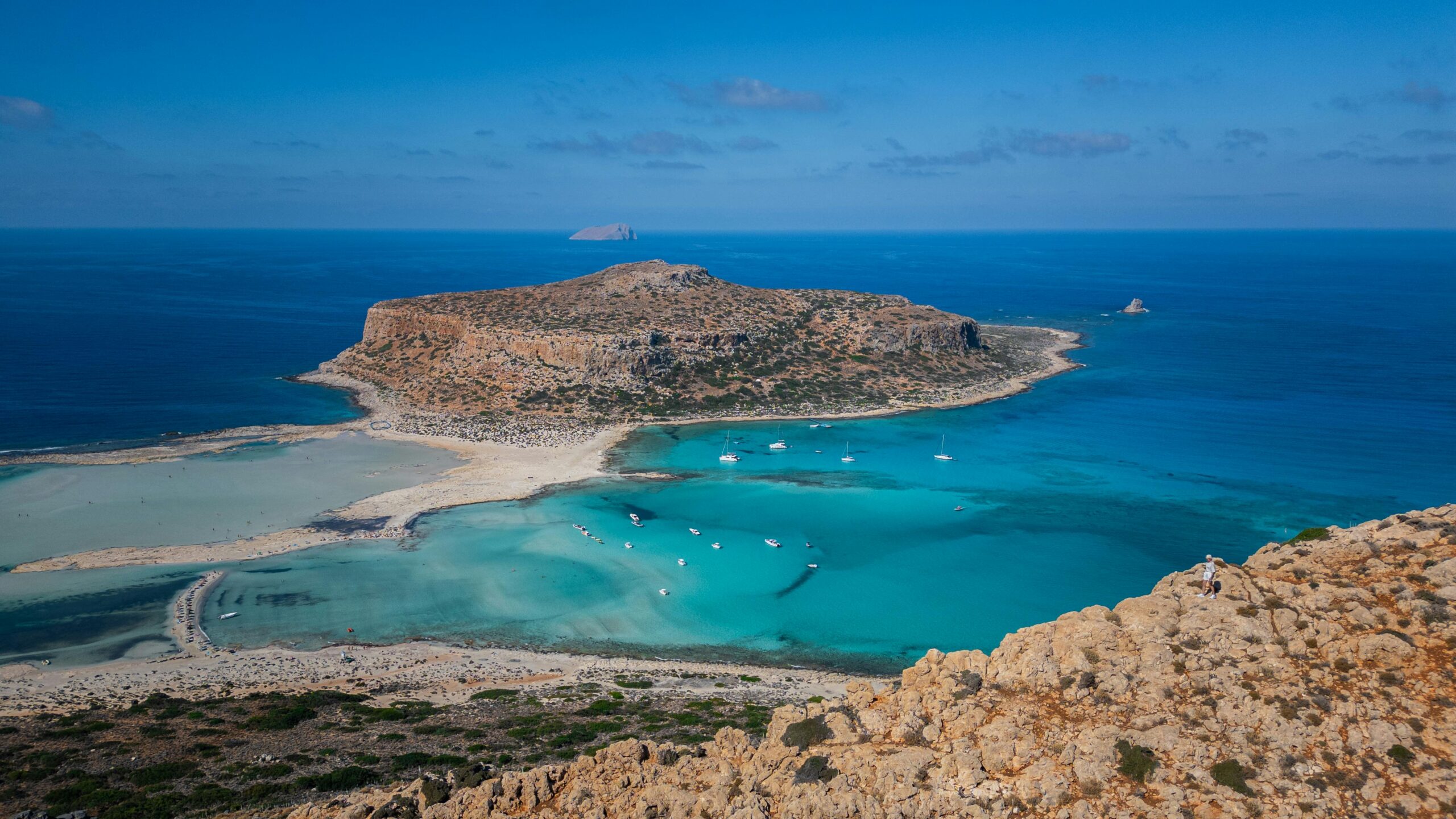
Why Planning a Crete Trip Without Local Insight Is a Recipe for Regret because Crete is not just another Greek island. Its vast geography, deep-rooted traditions, and fragmented infrastructure defy typical tourist expectations. Without tailored expertise, travelers often miss the island’s most authentic and worthwhile experiences.
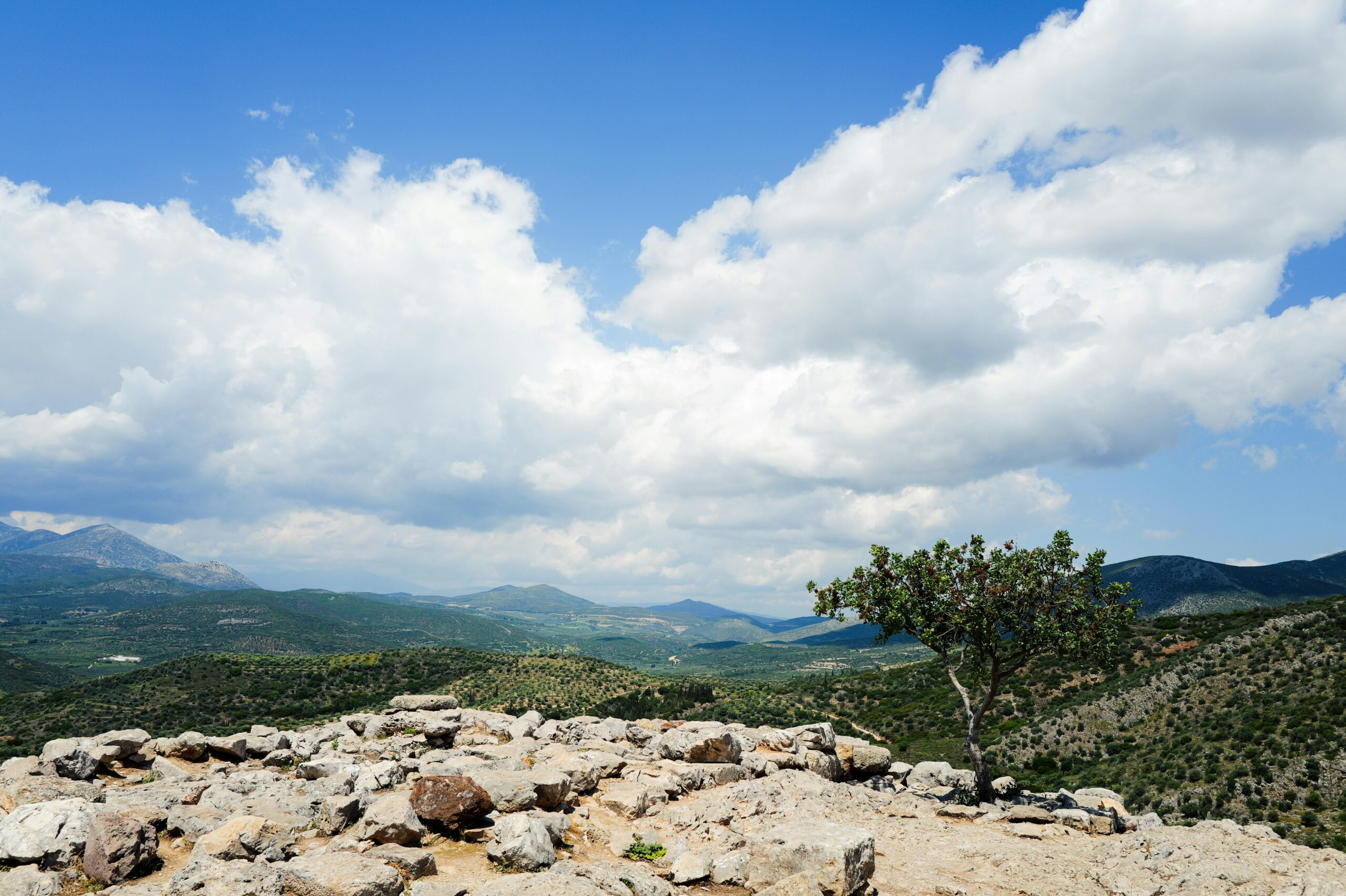
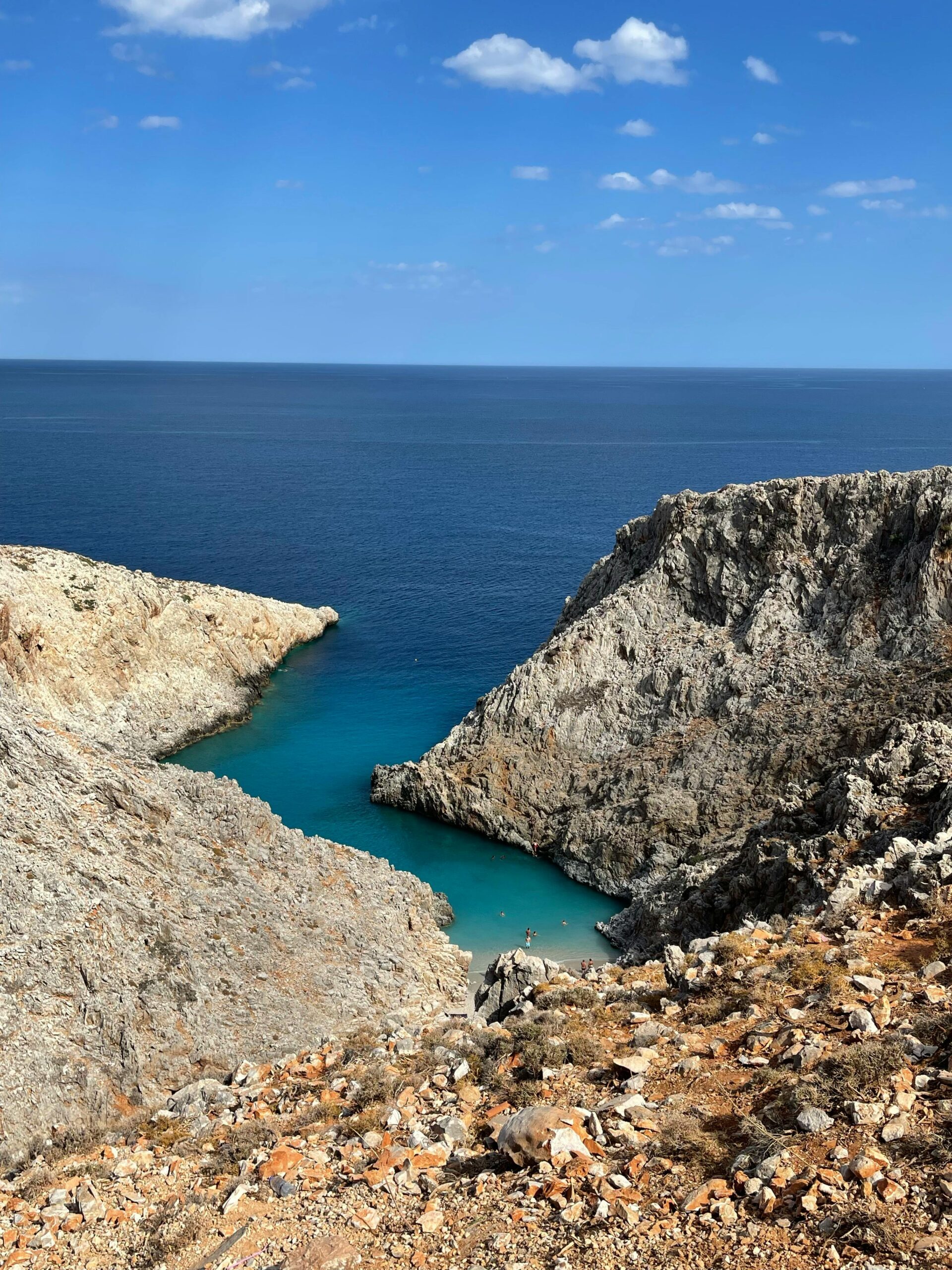
Why Planning a Crete Trip Without Local Insight Is a Recipe for Regret
Common Mistakes Travelers Make on Crete
First, many underestimate Crete’s size. It’s Greece’s largest island, roughly the size of Cyprus, so trying to cover it all in a short trip leads to rushed visits or superficial stops. Second, visitors often mistake popular resort towns for authentic Cretan culture. Mass tourism spots like Hersonissos and Malia offer convenience but lack depth beyond nightlife and chain restaurants.
Why Planning a Crete Trip Without Local Insight Is a Recipe for Regret: The Need for Tailored Expertise
Crete’s cultural complexity is layered and region-specific. A generic itinerary glosses over the distinct identity between east and west or the tiny villages hidden in the White Mountains. Local insight helps navigate these nuances, ensuring you engage with genuine traditions, cuisine, and landscapes rather than tourist facades. Without it, you risk a trip that looks good on paper but feels hollow on the ground.
Specific Places That Reveal Crete’s Real Character
Start with Chania’s Old Town, which balances Venetian architecture with authentic Cretan tavernas away from the main squares. In the south, visit Loutro, a village accessible only by boat or foot, where the absence of cars preserves a quiet way of life. The Lassithi Plateau offers a different pace and insight into agricultural traditions rarely seen by casual travelers. In the east, the town of Sitia presents an untouched feel, contrasting sharply with the tourist-heavy north coast. Lastly, the archaeological site of Phaistos offers a more intimate experience than Knossos, with fewer crowds and better preservation.
Who This Suits — And Who It Doesn’t
Crete works best for travelers who want depth over breadth: those interested in history, food culture, and rural life. It’s not ideal for travelers seeking a compact beach-and-party holiday or those expecting seamless luxury infrastructure everywhere. For families wanting safe, easy access and predictable amenities, some parts of Crete can be challenging without local guidance. Solo travelers with experience in independent exploration may find Crete rewarding, but first-timers should avoid DIY planning here.
A Counterintuitive Truth About Crete’s Accessibility
Many assume that the island’s well-known towns are easiest to reach and therefore best to stay in. In reality, some of the most rewarding places like Loutro or the White Mountains require effort to access but offer an irreplaceable sense of place. Avoiding these areas for convenience means missing the essence of Crete. It’s a trade-off: you give up instant comfort for authenticity, and local insight is what makes that trade worthwhile.
Trade-offs: What You Gain and What You Give Up
By planning with local expertise, you gain access to lesser-known sites, authentic culinary experiences, and interactions with locals who maintain traditions. You also avoid common logistical pitfalls such as poorly located accommodation or unrealistic daily travel plans. What you sacrifice is some degree of spontaneity and the ability to cover multiple regions superficially. This trade-off is necessary; Crete is not a place to ‘see everything’ but to experience selectively and meaningfully.
Reliable Resources to Deepen Your Understanding
For travelers serious about Crete, consulting official resources like the
Hellenic Ministry of Culture provides valuable context on archaeological sites and festivals. The broader portal at Visit Greece offers updated insights but should be supplemented with local operator knowledge to avoid generic recommendations.
Conclusion
Most Greece trips follow the same tired script. The ones that don’t — the ones travelers still talk about years later — were built around a real understanding of how this country works. That kind of understanding takes time, or it takes someone who already has it.
Recommended experiences
Some experiences mentioned here are curated and managed by Elite Greece Travels.
- 5 Days Trip From Athens To Crete — Itinerary (managed by Elite Greece Travels).
- Best Of Greece Athens Paros Crete 7 Day Itinerary 6 Nights — Itinerary (managed by Elite Greece Travels).
- Athens Mykonos Santorini Crete Itinerary 9 Days — Itinerary (managed by Elite Greece Travels).
Frequently asked questions
Why is Crete considered difficult to plan without local insight?
Crete’s large size, diverse terrain, and distinct cultural regions require tailored knowledge to avoid unrealistic itineraries and missed authentic experiences.
What common mistakes do travelers make when visiting Crete?
Two major errors are trying to cover too much ground in too little time and confusing tourist hubs with authentic local culture.
Are popular resort towns a good base for exploring Crete authentically?
No. While convenient, places like Hersonissos and Malia focus on tourism infrastructure and nightlife rather than genuine cultural immersion.
Which areas of Crete offer the most authentic experiences?
Chania Old Town, Loutro, Lassithi Plateau, Sitia, and archaeological sites like Phaistos provide deeper cultural insight away from mass tourism.
Who should avoid independent planning in Crete?
First-time travelers, families needing predictable amenities, and those unfamiliar with Greek rural logistics should seek expert guidance.
Is Crete suitable for travelers wanting luxury and convenience everywhere?
No. While some areas offer luxury, much of Crete’s charm lies in less accessible, rural locations that require compromises on comfort.
What is a surprising fact about Crete’s accessibility?
The most authentic places often require effort to reach, and avoiding them for convenience results in a shallow experience.