

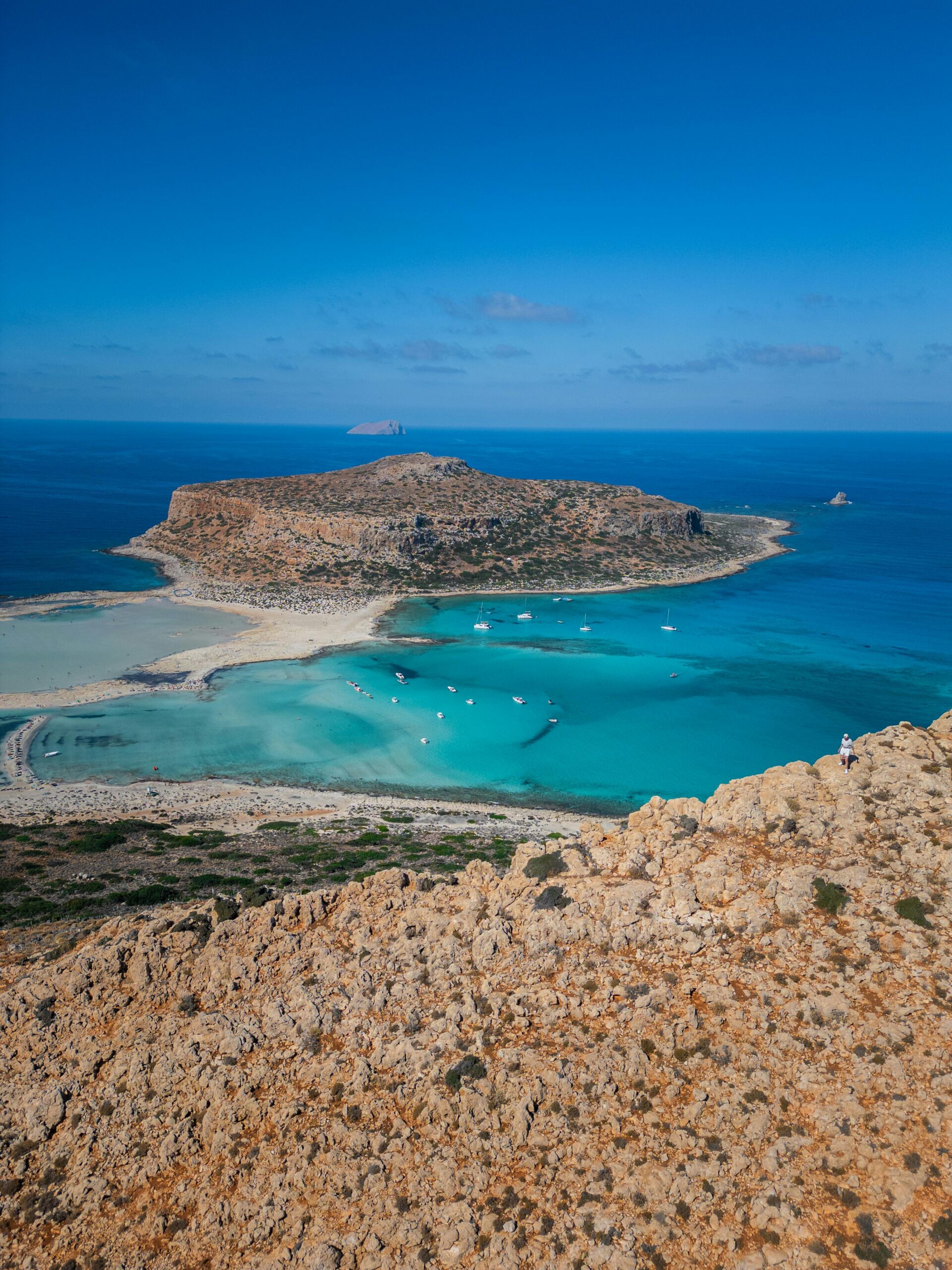
Why Planning a Crete Trip Without Local Insight Risks a Vacation Full of Missed Moments is a reality most travelers face due to the island’s sheer size and complexity. Crete isn’t a place you can just wing — it demands informed choices that recognize its diverse regions and unique cultural distinctions.
Ignoring local knowledge leads to wasted days and missed experiences in an island where every hour counts. This is not just about convenience; it’s about accessing Crete’s authentic character beyond the obvious tourist spots.
Why Planning a Crete Trip Without Local Insight Risks a Vacation Full of Missed Moments
Common Missteps That Derail Crete Trips
Travelers often underestimate Crete’s scale. It stretches over 260 kilometers east to west, with each region possessing distinct landscapes, traditions, and culinary profiles. Attempting to cover too much ground without focus means long drives and superficial visits at best.
Another frequent error is treating Crete as a single destination rather than a collection of micro-regions. For example, lumping Chania and Heraklion together as interchangeable urban bases ignores their unique histories and atmospheres. This causes travelers to miss the nuanced experiences that define each area.
Key Places You Must Understand Before Visiting
Heraklion, the capital, is often the arrival point but rarely the best place for a relaxing stay. It’s busy, administrative, and lacks the charm you find elsewhere. Rethymno offers a balance of Venetian architecture and a lively waterfront but can be crowded in summer.
Chania’s old town delivers rich history and excellent dining but requires at least a couple of days to appreciate fully. The Lasithi Plateau is a cultural anomaly with its windmills and mountain villages, yet it’s often overlooked because it’s off the main tourist radar.
Elafonisi’s pink-sand beach is famous but deceptively remote, making day trips from central Crete inefficient. Agios Nikolaos offers a more polished resort experience but doesn’t reveal the authentic Cretan lifestyle most travelers seek.
Why Planning a Crete Trip Without Local Insight Risks a Vacation Full of Missed Moments: The Crucial Role of Local Expertise
Local insight is not just a luxury but a necessity. Without it, travelers routinely get timing wrong — arriving at sites at peak crowds or missing seasonal specialty dishes. Locals know when and where to go to avoid these pitfalls.
For instance, some villages shine only in spring when wild herbs are harvested, a detail that changes the entire culinary narrative of a trip. Without this knowledge, you may find yourself eating generic fare instead of genuine Cretan cuisine.
Who This Suits and Who It Doesn’t
Crete rewards travelers who prioritize depth over breadth. It suits those willing to focus on one or two regions and absorb their culture, food, and history. Independent travelers who enjoy self-guided discovery can thrive with local advice but should avoid trying to cover the entire island in a week.
This approach does not suit travelers wanting a rapid-fire checklist of sights or those expecting a small, easily navigable island. Crete’s size and infrastructure mean you will spend significant time in transit if your plan is too ambitious.
A Counterintuitive Observation: The Best Way to Experience Crete Isn’t Always the Coast
While the beaches get all the attention, the island’s inland areas offer a more authentic, less commercial experience. Places like the Sfakia region or the Lassithi Plateau provide cultural insights and food traditions that the seaside resorts cannot match.
Many travelers miss this because they assume Crete’s appeal lies solely in its coastlines. In reality, spending a few nights inland transforms your understanding of the island’s identity.
Trade-Offs: What You Gain and What You Give Up
Focusing on fewer areas with local guidance means deeper experiences — better meals, meaningful interactions, and discovering cultural events that rarely appear in guidebooks. You gain a richer, less rushed trip.
The trade-off is giving up the impulse to see everything. You may miss some famous beaches or tourist landmarks, but the payoff is a trip that feels more like an exploration than a checklist. Ignoring this leads to exhaustion and frustration, common complaints among Crete visitors who try to do too much.
For travelers looking to understand the island’s complex character, official resources such as the
Ministry of Culture and the official tourism site provide valuable context but cannot replace hands-on local expertise.
Conclusion
Most Greece trips follow the same tired script. The ones that don’t — the ones travelers still talk about years later — were built around a real understanding of how this country works. That kind of understanding takes time, or it takes someone who already has it.
Recommended experiences
Some experiences mentioned here are curated and managed by Elite Greece Travels.
- 5 Days Trip From Athens To Crete — Itinerary (managed by Elite Greece Travels).
- Best Of Greece Athens Paros Crete 7 Day Itinerary 6 Nights — Itinerary (managed by Elite Greece Travels).
- Athens Mykonos Santorini Crete Itinerary 9 Days — Itinerary (managed by Elite Greece Travels).
Frequently asked questions
Why is Crete’s size a problem for casual planners?
Crete spans over 260 kilometers with varied regions that require focused exploration. Casual planners often waste time on long drives and superficial visits, missing the island’s true diversity.
Can you see Crete’s highlights in a one-week trip?
Trying to cover the entire island in a week leads to rushed experiences and fatigue. Concentrating on one or two regions allows for a deeper and more rewarding visit.
What are common misconceptions about Crete’s main cities?
Heraklion is often mistaken as the best base, but it lacks atmosphere. Chania and Rethymno offer more historic charm and culinary options, making them better choices for immersive stays.
How does local insight improve a Crete trip’s culinary experience?
Locals know when and where seasonal ingredients are at their best, guiding visitors to authentic dishes that are otherwise unavailable or overlooked by typical tourists.
Is it better to stay on the coast or inland in Crete?
While the coast offers beaches, inland areas like the Sfakia region provide richer cultural experiences and traditional cuisine, often missed by travelers focusing only on seaside resorts.
Are official Greek cultural sites helpful for planning a Crete trip?
They provide important historical and cultural context but lack the practical, nuanced advice that comes from local, on-the-ground experience.
Who should avoid trying to cover Crete extensively in one trip?
Travelers expecting a fast-paced, checklist-style vacation or those unwilling to allocate enough time for travel between regions will find Crete’s size and infrastructure challenging.