


Why Planning a Peloponnese Road Trip Without a Local Expert Is a Gamble is something every traveler should consider seriously before setting off. The Peloponnese is not just a destination; it’s a complex region where assumptions about road conditions, timing, and site accessibility regularly lead to wasted time and frustration.
Ignoring this reality often results in missed opportunities and a route that feels more like a chore than a discovery.
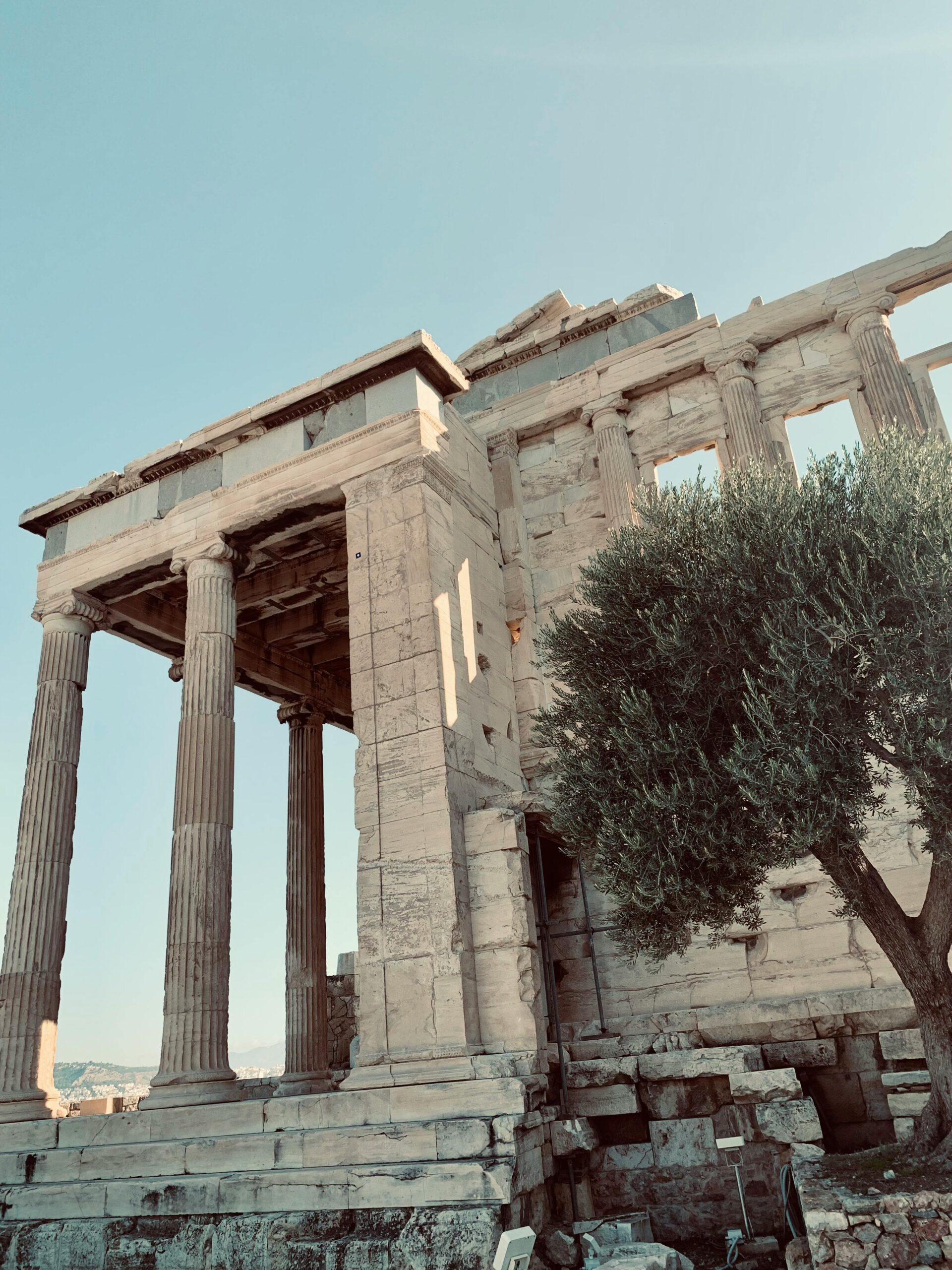
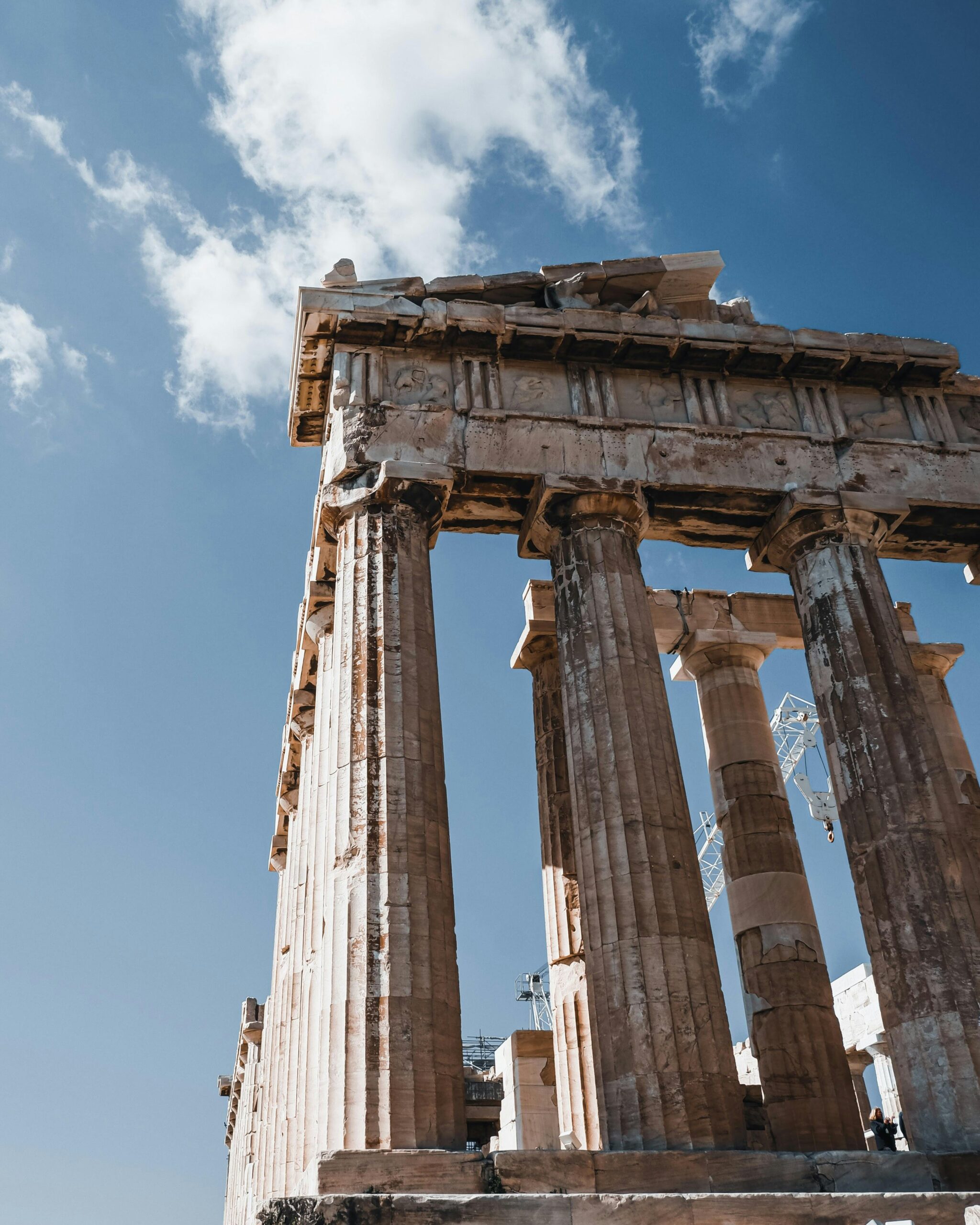
Why Planning a Peloponnese Road Trip Without a Local Expert Is a Gamble
Common Misjudgments Travelers Make in the Peloponnese
The first mistake is underestimating the difficulty of driving routes. Many roads are narrow, winding, and poorly marked outside the main highways. Relying solely on GPS without local insight can lead to dead ends or extended detours. Second, travelers often cluster their itinerary around the most famous sites, ignoring lesser-known areas that require precise timing or local knowledge to visit efficiently.
Specific Places Where Local Expertise Makes a Difference
The Mani Peninsula is a prime example. The roads there are notoriously tight and steep, and local insight is essential to avoid routes that are impassable for standard vehicles. In contrast, areas like Nafplio offer straightforward access but demand early bookings for accommodations to avoid inflated last-minute prices.
Other locations where insider knowledge is critical include:
- Mystras – knowing which archaeological zones are open and when is key due to seasonal restrictions.
- Monemvasia – the timing of ferry services can make or break a day trip here.
- Epidaurus – understanding the theater’s event schedule can enhance or completely disrupt your visit.
- Ancient Olympia – local guides can navigate queues and restricted access times to maximize your experience.
Who This Suits — And Who It Doesn’t
This type of trip suits travelers who want to go beyond the typical beach and city stops and are willing to accept some logistical complexity for a richer experience. It is not for those expecting a purely relaxed, straightforward journey or those averse to driving challenging roads. Families with very young children or travelers with mobility concerns should be wary unless they have expert planning support.
A Counterintuitive Observation About Timing and Crowds
Many assume avoiding summer means fewer crowds, but in the Peloponnese, late spring and early autumn can be worse in some areas due to local festivals and school holidays. For example, visiting Epidaurus during a theatrical festival without local advice can mean no accommodation options and extreme traffic. So, the ‘best’ time to visit isn’t always the most obvious off-peak season.
Trade-Offs: What You Gain and What You Give Up
Working with a local expert means you gain access to routes and sites that are off the usual tourist radar, saving hours of wasted driving and frustration. You also benefit from real-time updates on conditions like roadworks or weather, which can be critical. The trade-off is less freedom to improvise daily. The Peloponnese’s complexity means spontaneous detours often backfire without inside knowledge.
Why Planning a Peloponnese Road Trip Without a Local Expert Is a Gamble
Ignoring local expertise means you risk sequences that don’t work, such as arriving in Monemvasia when the ferry is not running or missing out on open hours at archaeological sites. It’s not just about convenience; it’s about whether your trip delivers on its promise. To navigate the Peloponnese effectively, you need someone who understands the interplay of geography, local schedules, and seasonal quirks.
For a broader understanding of Greece’s cultural calendar and regional specifics, consulting official resources like the
Ministry of Culture and Visit Greece can supplement local expertise but won’t replace it.
Conclusion
Most Greece trips follow the same tired script. The ones that don’t — the ones travelers still talk about years later — were built around a real understanding of how this country works. That kind of understanding takes time, or it takes someone who already has it.
Frequently asked questions
Is the Peloponnese suitable for first-time visitors without local guidance?
No. The Peloponnese’s road network and site access require local knowledge to navigate efficiently. First-timers without expert help often waste time and miss key experiences.
Can I rely on GPS apps alone for driving in the Peloponnese?
GPS apps frequently fail to account for closed roads, ferry schedules, or narrow routes unsuitable for all vehicles. Local expertise is essential to avoid these pitfalls.
What times of year are best to visit the Peloponnese?
Avoid assuming off-peak months are always quieter. Late spring and early autumn may coincide with regional festivals causing crowding and accommodation shortages.
Are there parts of the Peloponnese better suited for relaxed driving?
Yes, places like Nafplio have easier access and road conditions but still require early accommodation planning due to popularity.
Does hiring a local expert restrict spontaneity during the trip?
Yes, but this trade-off is necessary. The region’s complexity means improvising often leads to logistical headaches rather than enriching experiences.
How important is timing when visiting archaeological sites in the Peloponnese?
Very important. Many sites have seasonal or daily restrictions, and missing these windows can mean skipping them entirely.
Is the Peloponnese a family-friendly destination for road trips without expert planning?
Families with young children or mobility issues should approach with caution, as many drives are challenging and accommodations may lack suitable facilities without prior expert arrangement.