

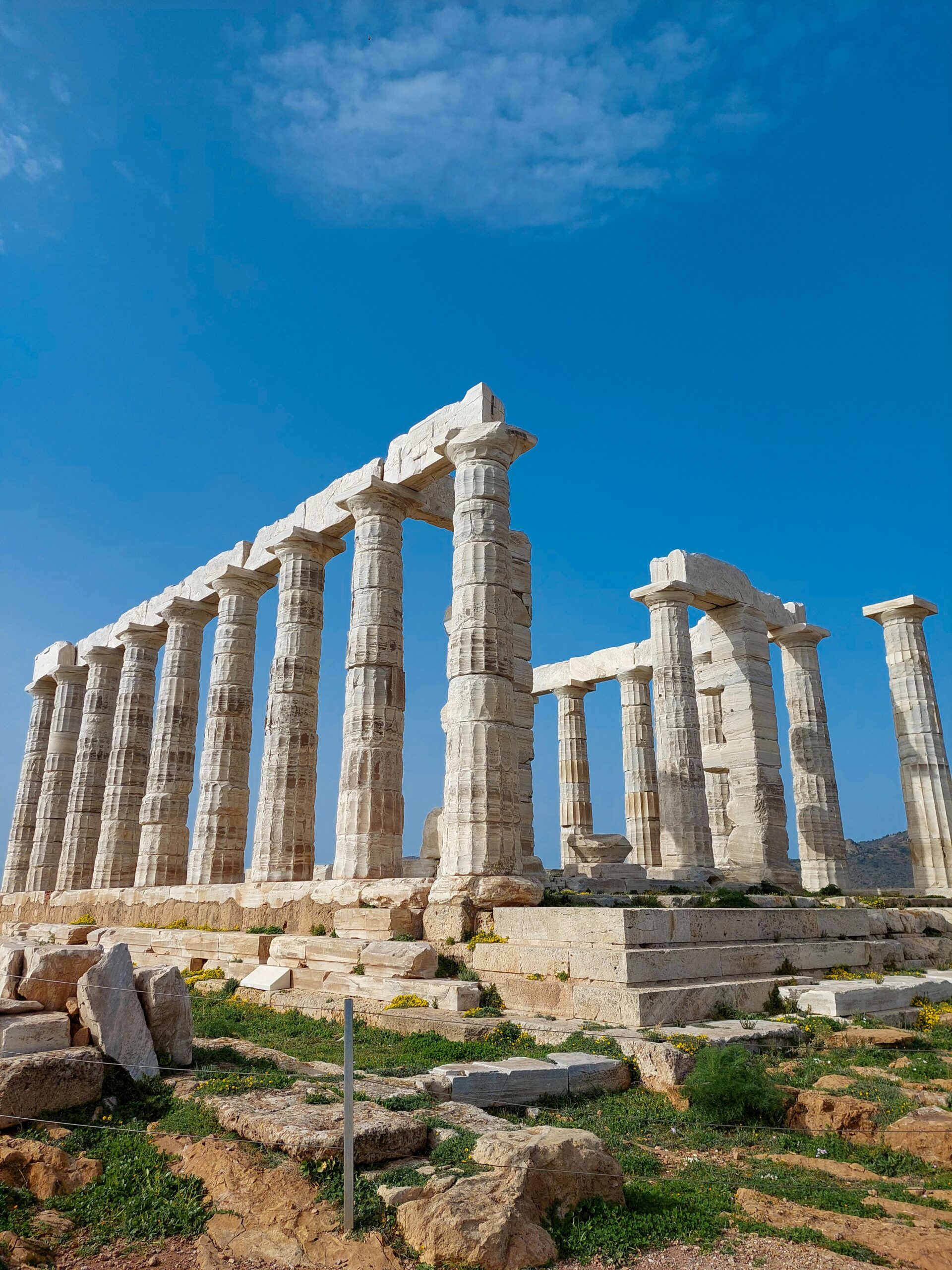
Why Planning a Peloponnese Trip Without a Pro Is a Recipe for Missed History is a reality few travelers acknowledge until they are mid-journey, overwhelmed by the region’s expanse and complexity. The Peloponnese is not just a destination; it is a vast canvas of layered civilizations, each demanding context and coherence to appreciate fully.
Ignoring this need means risking a fragmented visit, where iconic sites become isolated checkboxes rather than parts of a rich historical narrative. There’s a reason seasoned operators insist on curated itineraries here—because the region’s true value lies beneath its surface, accessible only with the right perspective.
Why Planning a Peloponnese Trip Without a Pro Is a Recipe for Missed History
Common Misconceptions That Undermine Peloponnese Trips
Travelers often err by treating the Peloponnese as a compact area easily covered in a few days. The reality is its scale rivals many European countries, and its historical sites span millennia with complex interrelations. Another frequent mistake is assuming all ancient ruins offer the same visitor experience—many lack adequate signage or contextual information, turning self-guided visits into frustrating scavenger hunts.
Essential Sites That Demand Expert Interpretation
Understanding why Planning a Peloponnese Trip Without a Pro Is a Recipe for Missed History becomes clear when considering sites like Mycenae and Tiryns, where linear narratives unravel to reveal Bronze Age power struggles. Epidavros is another critical location, not only for its theater but for its role in ancient medicine. Then there’s Mystras, a Byzantine fortress town whose significance often escapes casual visitors. Corinth’s archaeological site rounds out the must-see list, bridging classical and Roman eras.
Who This Suits: Traveler Profiles That Benefit Most
This approach is indispensable for travelers deeply interested in history, archaeology, and culture who want a coherent narrative rather than isolated sightseeing. Scholars, cultural enthusiasts, and those with limited time to navigate the region’s labyrinthine heritage will find professional guidance invaluable. Conversely, travelers seeking a purely leisurely beach vacation or nightlife scene will find the cultural-heavy emphasis less rewarding.
A Counterintuitive Reality: More Sites Can Mean Less Understanding
One might assume visiting more archaeological sites means a fuller experience. In the Peloponnese, rushing through numerous locations without expert context dilutes meaning and increases fatigue. The region’s richness demands selectivity combined with depth—something a professional planner ensures by prioritizing quality over quantity, which often surprises those eager to ‘see it all.’
Trade-offs: Depth Versus Flexibility
Engaging a professional planner means gaining a structured itinerary that highlights the Peloponnese’s historical layers, complete with nuanced storytelling and access to lesser-known sites. The trade-off is less spontaneity and a more fixed schedule, which some travelers may find restrictive. However, the clarity and coherence gained outweigh the loss of casual wandering, especially given the region’s scale and complexity.
Why Planning a Peloponnese Trip Without a Pro Is a Recipe for Missed History: The Practical Consequences
Ignoring expert input often results in poorly sequenced visits that lead to unnecessary backtracking or missing key seasonal openings of sites. For example, some archaeological sites close early or have limited winter hours, and without insider knowledge, travelers can arrive to locked gates or incomplete experiences. Partnering with experts ensures timing and sequencing avoid these pitfalls, maximizing every day.
Conclusion
Most Greece trips follow the same tired script. The ones that don’t — the ones travelers still talk about years later — were built around a real understanding of how this country works. That kind of understanding takes time, or it takes someone who already has it.
For those ready to deepen their visit beyond surface-level ruins, official resources like the
Hellenic Ministry of Culture offer valuable information, but even these can’t replace tailored expertise. For broader travel context and updates, VisitGreece.gr remains an authoritative source.
Frequently asked questions
Is it possible to explore the Peloponnese’s history without a professional guide?
While possible, it’s highly inefficient. The region’s sites lack uniform signage and often require contextual knowledge to appreciate fully. Without expert guidance, travelers frequently miss connections between sites and historical periods.
Which Peloponnese archaeological sites are must-see for history enthusiasts?
Key sites include Mycenae, Tiryns, Epidavros, Mystras, and ancient Corinth. Each offers distinct historical layers that contribute to understanding the region’s complex past.
Can independent travelers avoid common planning mistakes?
Only with extensive prior research and flexible timing. Many overlook seasonal closures or underestimate distances, resulting in missed sites or inefficient routing.
Are all parts of the Peloponnese equally accessible and informative for tourists?
No. Some areas, especially lesser-known Byzantine sites like Mystras, require more effort to visit and interpret correctly. Larger, popular sites tend to have better infrastructure but still benefit from expert insight.
What is the main trade-off when using a professional planner for a Peloponnese trip?
You sacrifice some spontaneity and flexibility in favor of a coherent itinerary that maximizes historical understanding and site access.
When is the best time to visit the Peloponnese for historical touring?
Spring and early autumn offer the best balance of open sites and manageable weather. Winter closures and summer heat can severely limit the experience.
Where can I find official information about Peloponnese archaeological sites?
The Hellenic Ministry of Culture website is the official source for site details and regulations, providing updates on openings and special exhibitions.